


Libya Turkey Deal Approved

Libya Turkey Deal has become a major issue in the Eastern Mediterranean after Libya’s eastern-based House of Representatives unanimously approved a maritime boundary agreement with Turkey on 20 October 2026. The decision reverses the parliament’s earlier opposition to the agreement and its move to cut political relations with Ankara in 2020. The development has renewed disagreements involving Greece, Cyprus and Egypt over maritime boundaries, offshore resources and international maritime law.
What Is the Libya-Turkey Maritime Agreement?
The maritime agreement was signed in November 2019 between Turkey and Libya’s then internationally recognised Government of National Accord (GNA), which was based in Tripoli. It aims to define maritime jurisdiction areas between the two countries in the Mediterranean Sea.

Maritime boundaries help countries determine their rights over nearby sea areas and resources. These rights can include fishing, energy exploration and the use of seabed resources. The Eastern Mediterranean has become an important region for these issues because of natural gas discoveries and competing claims over offshore areas.
The 2019 agreement became controversial because Greece and Cyprus argued that it did not properly consider the maritime rights of Greek islands and other countries in the region.
Why Did Libya’s Eastern Parliament Approve the Deal?
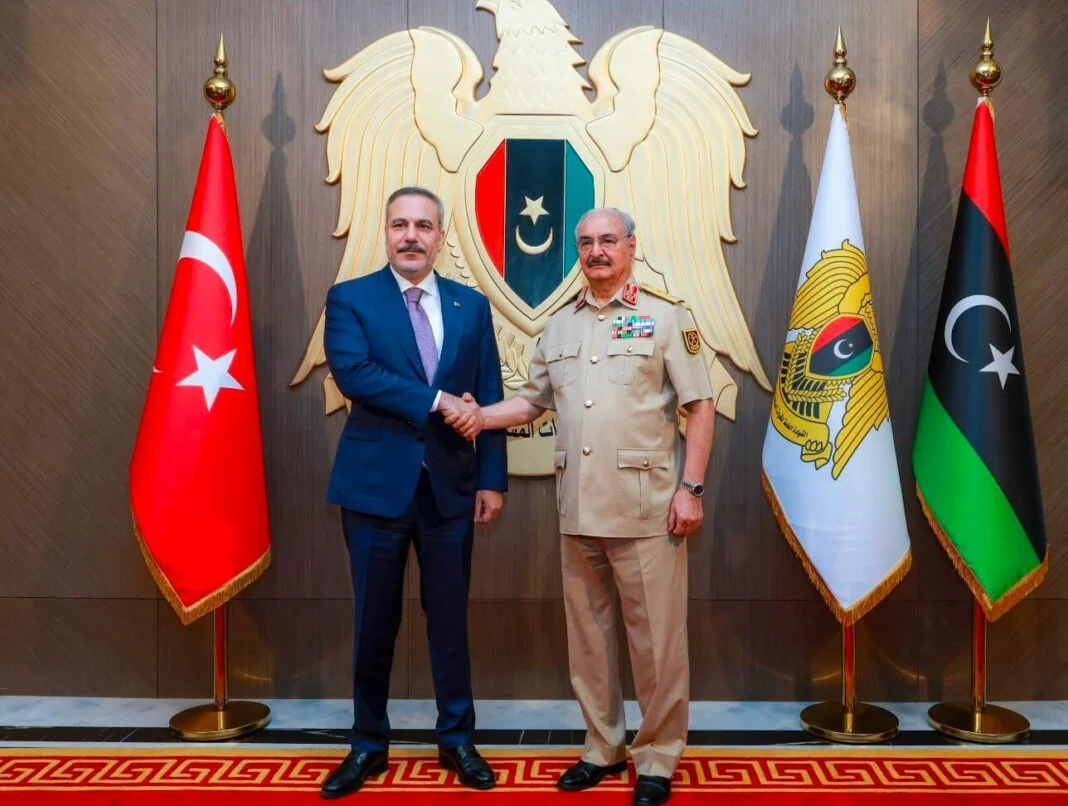
Libya has remained politically divided between rival administrations in the east and west since the conflict that followed the fall of Muammar Gaddafi in 2011. The eastern-based House of Representatives is aligned with military commander Khalifa Haftar, while the internationally recognised administration is based in Tripoli.
In January 2020, Libya’s eastern parliament rejected the agreements signed between the former GNA and Turkey. It also adopted a resolution calling for political relations with Ankara to be severed.
On 20 October 2026, lawmakers reversed those decisions. They unanimously approved the 2019 maritime memorandum and repealed the two earlier resolutions. The vote followed discussions by specialised parliamentary committees about the agreement’s provisions.
The decision reflects improving relations between Turkey and eastern Libyan authorities after years of political disagreement. It also creates an opportunity for closer cooperation in economic, political and security matters.
Greece and Other Countries Oppose the Agreement
Greece strongly rejected the eastern parliament’s approval. On 29 October 2026, Greek Prime Minister Kyriakos Mitsotakis described the agreement as illegal and argued that it ignored the maritime rights of Greek islands. Athens has called for maritime boundaries to be addressed through international law and negotiations.
Cyprus has also rejected the agreement, saying that it affects its rights in the Eastern Mediterranean. Egypt, Bahrain and the United Arab Emirates have joined Greece in opposing the arrangement. The European Union has also raised concerns about the rights of third countries.
These governments argue that a bilateral agreement cannot decide the maritime rights of other coastal states. Their objections are connected to the United Nations Convention on the Law of the Sea (UNCLOS), which provides an international framework for maritime boundaries and rights.
Turkey Defends Its Maritime Position
Turkey has defended the agreement and welcomed the Libyan parliament’s decision. Ankara argues that the memorandum protects the mutual rights and interests of Turkey and Libya in the Eastern Mediterranean.
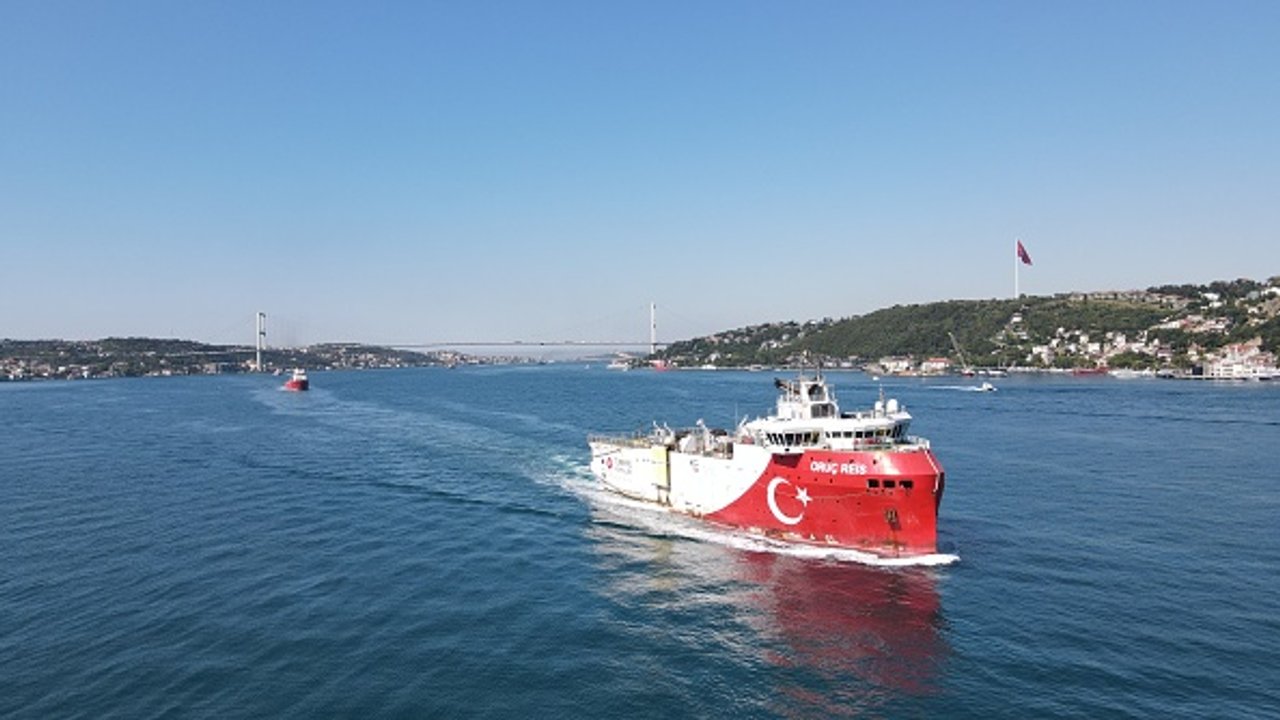
Turkey’s position is linked to its wider maritime policy in the region. The country has raised concerns about being excluded from decisions involving offshore resources and maritime boundaries.
The disagreement also involves competing energy interests. Countries in the Eastern Mediterranean are interested in exploring natural gas reserves and developing energy projects. Disputes over maritime zones can affect where companies are allowed to conduct exploration and drilling activities.
Why the Eastern Mediterranean Is Important
The Eastern Mediterranean is an important route for international shipping and a region with growing interest in offshore energy resources. Its waters connect Europe, Asia and Africa, making maritime security and freedom of navigation important regional issues.
The Libya-Turkey agreement has added another layer to existing disagreements over sea boundaries. Greece and Egypt signed their own maritime delimitation agreement in 2020, while Turkey has challenged some regional arrangements that it believes do not protect its maritime interests.
The latest parliamentary decision does not end these disputes. Instead, it has brought renewed attention to the need for negotiations, international maritime rules and cooperation among countries with competing claims.
Libya’s continuing political division also remains an important part of the issue. The eastern parliament’s approval is a significant political development, but disagreements over maritime rights and the legal effect of the agreement remain unresolved.