Bhutan GLOF: Flood Alerts in Assam

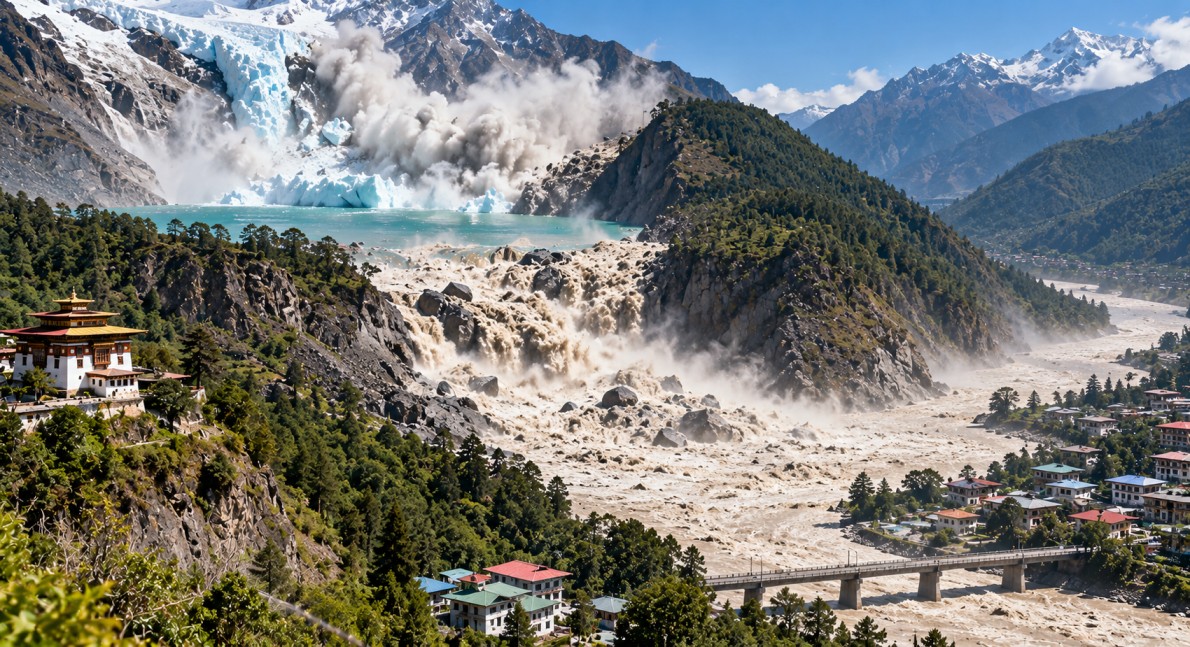
Bhutan GLOF triggered flood alerts in parts of Assam and West Bengal after a glacial lake burst in Bhutan’s Gasa district on the evening of 29 October 2026. The sudden release of a large volume of water entered river systems that flow towards India. Authorities issued special warnings and began precautionary measures in vulnerable areas along the rivers.
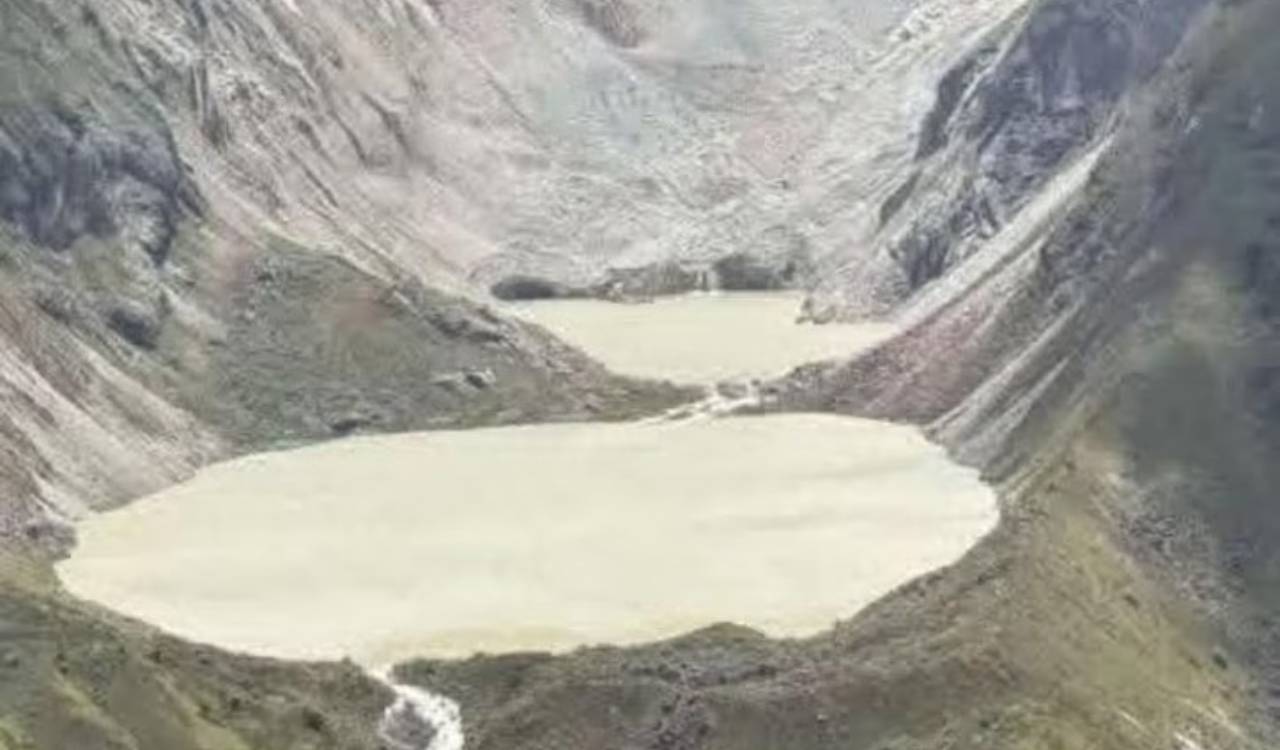
The incident took place in the Mochu sub-basin. Reports have identified the lake as either Shintaphu or Sintaphu. According to the available information, around 7.4 million cubic metres of water were released during the outburst.

What Happened in Bhutan?
The glacial lake outburst flood, commonly known as a GLOF, occurred in Bhutan’s Gasa district. A GLOF happens when water stored in a glacial lake is suddenly released, often because the natural barrier holding the water becomes unstable or breaks.
Following the outburst, floodwaters entered the Mo Chhu and Punatsangchhu river systems. These rivers are connected to waterways that flow towards the Brahmaputra valley in Assam and the northern Duars region of West Bengal.
The sudden rise in river water created concerns about possible flooding in downstream areas. Since the rivers cross international boundaries, the incident also required coordination between authorities in Bhutan and India.
Flood Alerts in Assam and West Bengal
Indian authorities issued a special flood advisory for several districts in Assam and West Bengal. In Assam, the warning covered Dhubri, Kokrajhar, Baksa and Chirang districts. These areas were asked to remain alert to changes in river levels and possible flooding.
In West Bengal, the advisory included Alipurduar and Cooch Behar. Some reports also mentioned Jalpaiguri as an area requiring attention.
The National Disaster Response Force (NDRF) and State Disaster Response Force (SDRF) were deployed as part of the emergency response. Control rooms were opened to monitor the situation and coordinate rescue and relief activities.
People living near riverbanks and other vulnerable locations were advised to move to safer places if required. Authorities also asked residents to avoid riverbeds and remain prepared for sudden changes in water levels.
Damage Reported in Bhutan
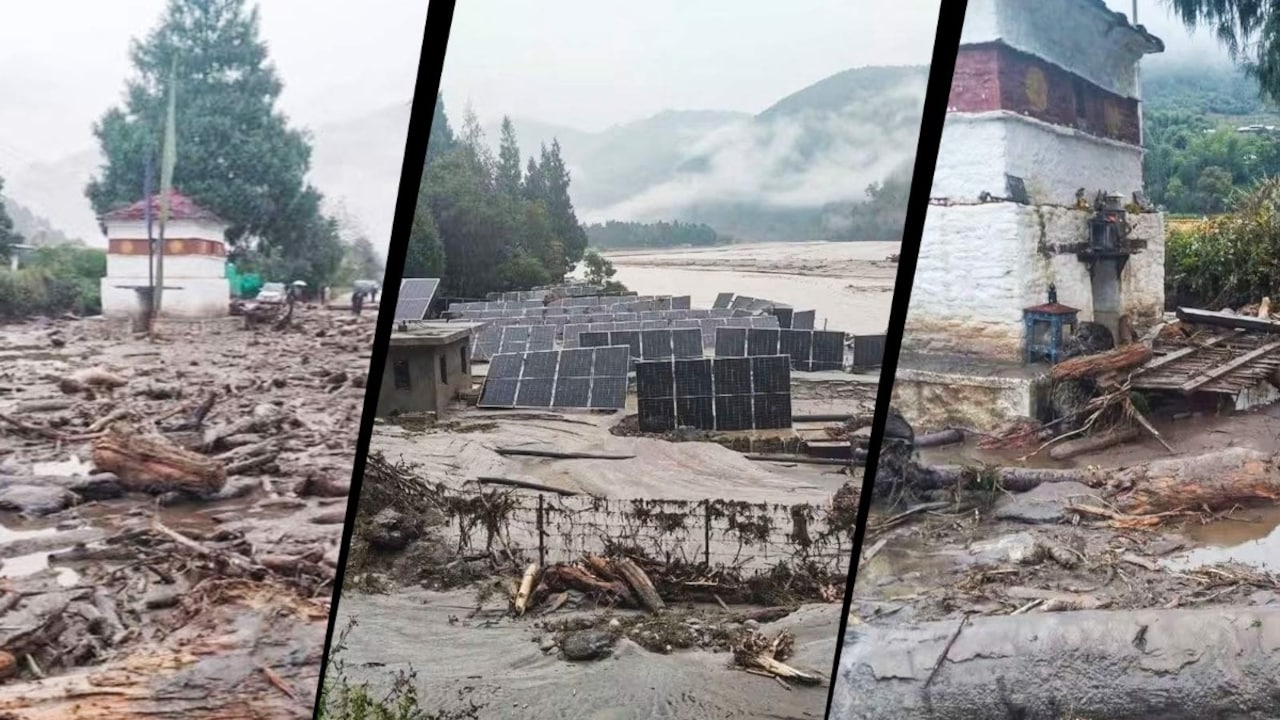
The flood caused damage to infrastructure in Bhutan. The Gasa Tshachu natural hot springs area was affected, and at least two Bailey bridges collapsed after the flow of water.
No casualties were reported in the available updates. The affected area had been evacuated before the floodwaters caused further damage.
The incident highlighted the danger that sudden glacial lake outbursts can create for mountain communities, roads, bridges and settlements located downstream.
Why Are GLOF Events a Growing Concern?
Glacial Lake Outburst Floods are a major natural hazard in high mountain regions. As temperatures rise, glaciers lose ice and retreat. Meltwater can collect in lakes near or below glaciers, increasing the size of some high-altitude lakes.
Many of these lakes are held back by natural barriers made of ice, rocks and loose glacial material called moraines. These barriers can become unstable. A landslide, avalanche, earthquake, rising water pressure or collapse of ice can cause a sudden release of stored water.
A GLOF can send a powerful flow of water, mud, rocks and other debris into valleys. The flood may travel long distances and damage roads, bridges, buildings and agricultural land.
The Eastern Himalayas are particularly important in discussions about GLOF risks because they contain glaciers, high-altitude lakes and river systems that support communities across several countries.
Importance of Early Warning and Preparedness
The Bhutan incident shows why early warning systems and cross-border cooperation are important in the Himalayan region. Glacial lakes are often located in remote mountain areas, making regular monitoring difficult.
Satellite images, ground-based observations and river monitoring systems can help authorities identify changes in glacial lakes and detect possible risks. Timely warnings can give people in downstream areas more time to move to safer locations.
Local communities also need clear information about evacuation routes, emergency shelters and official warning systems. Coordination between Bhutan and Indian states is important because water released in the mountains can affect communities far downstream.
The flood alerts in Assam and West Bengal underline the need for continued monitoring of Himalayan rivers, stronger disaster preparedness and better communication between authorities across national borders.