


Christine Lagarde Resignation Announced

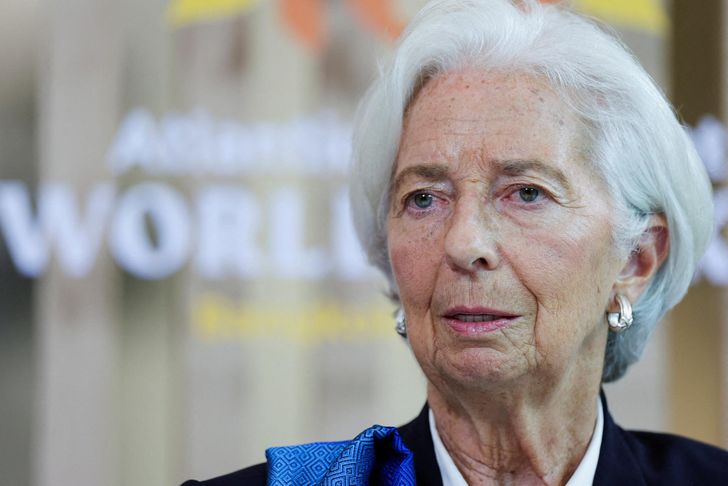
Christine Lagarde Resignation became a major development in European financial news on 29 October 2026, when the President of the European Central Bank (ECB) announced that she would leave her position early. Her resignation will take effect on 7 February 2027, even though her eight-year term was originally scheduled to end in October 2027. Lagarde said she wanted greater freedom to speak and take part in wider political and global matters. The ECB presidency requires political neutrality, which limits the public political role of its president.
Her early departure comes at a time when Europe is facing inflation concerns, higher energy costs and changes in financial conditions. The decision also begins an important process to select the next head of the central bank.

Christine Lagarde to Leave the ECB in February 2027
Christine Lagarde announced her decision on 29 October 2026. She will leave the ECB presidency on 7 February 2027, several months before the end of her planned term.
Lagarde became ECB President in November 2019. Before joining the central bank, she served as Managing Director of the International Monetary Fund (IMF) from 2011 to 2019. She also served as France’s Minister of Economy, Finance and Employment.
During her time at the ECB, Lagarde helped guide monetary policy through major economic challenges, including the effects of the COVID-19 pandemic, rising energy prices and inflation across the euro area.
Her resignation is expected to bring changes to the leadership of one of the world’s most important central banks.
Search for the Next ECB President Begins
European Council President António Costa said that the process to select Lagarde’s successor would begin immediately. The appointment will be important because the new president will help guide monetary policy for countries that use the euro.
Two names mentioned among the leading potential candidates are Klaas Knot, the former president of the Dutch central bank, and Pablo Hernández de Cos, the former governor of the Bank of Spain. However, the successor has not yet been officially selected.
Lagarde’s departure is scheduled before France’s presidential election, expected in April and May 2027. The timing has attracted attention because changes in European political leadership can influence discussions about economic policy, although the ECB itself is expected to remain politically independent.
Other leadership changes are also expected at the ECB. Executive Board member Isabel Schnabel is due to leave in January 2027, while Chief Economist Philip Lane’s term is scheduled to end in May 2027. These changes could influence discussions about the central bank’s future priorities.
What Is the European Central Bank?
The European Central Bank is the central bank for the euro area, which consists of European Union countries that use the euro as their official currency. Its headquarters are in Frankfurt am Main, Germany.
The ECB works to maintain price stability and supports the smooth operation of the euro area’s financial system. It uses monetary policy tools, including interest rates, to influence borrowing, spending, saving and inflation.
The ECB’s Governing Council makes key monetary policy decisions. It consists of the members of the ECB Executive Board and the governors of the national central banks of euro-area countries.
The ECB operates independently of political instructions when carrying out its monetary policy responsibilities. This independence is important because decisions about interest rates and inflation can affect governments, businesses and households across Europe.
ECB Keeps Deposit Interest Rate at 2.5%
On 29 October 2026, the ECB held its deposit facility interest rate at 2.5%. The deposit facility rate is the rate banks receive when they place overnight deposits with the Eurosystem.
Interest rates influence the cost of borrowing and the returns people receive on savings. When rates remain high, loans for homes, business investment and other spending can become more expensive. Lower rates can reduce borrowing costs but may also increase demand in the economy.
The ECB must consider inflation, economic growth and financial conditions when deciding whether to raise, lower or maintain interest rates.
Eurozone inflation had risen to 3.8% in September 2026, according to the information reported with the announcement. Inflation above the ECB’s medium-term target can create pressure to maintain a careful monetary policy.
The bank’s interest-rate decision on 29 October therefore came at a time when controlling price increases remained a major concern.
Rising Energy Prices Create Inflation Risks
Higher energy prices were among the concerns facing the European economy. The reported increase in oil prices associated with the Iran war raised fears that energy costs could put further pressure on inflation.
When oil and gas prices rise, businesses may face higher costs for transport, electricity, manufacturing and production. Companies may pass some of these costs on to consumers through higher prices.
Energy price increases can also affect wages. Workers may seek higher pay to manage the rising cost of living, which can add to inflationary pressure if businesses increase prices to cover higher labour costs.
For the ECB, these developments make interest-rate decisions more difficult. The central bank must assess whether higher prices are temporary or likely to continue spreading through the economy.
Rising Bond Yields Increase Financing Costs
Government bond yields had also risen, particularly in France. Bond yields affect how much governments pay when borrowing money through the sale of bonds.
Higher yields can increase government financing costs and place additional pressure on public budgets. They can also influence borrowing costs for businesses and households, depending on wider financial conditions.
When financing becomes more expensive, companies may delay investment, while households may face higher costs for mortgages and other loans. These changes can affect economic growth.
The ECB’s leadership transition is therefore taking place during a period of economic uncertainty. Its next president will need to assess inflation risks while considering the effects of monetary policy on economic activity and financial stability.
Possible Future Role for Christine Lagarde
Speculation about Lagarde taking a role at the World Economic Forum has emerged alongside news of her resignation. However, no such appointment has been confirmed.
Lagarde’s stated wish to regain freedom of speech and participate in wider political and global matters has drawn attention to the restrictions associated with the ECB presidency. The position requires political neutrality because monetary policy decisions must be made independently.
Her departure will open the way for a new leader to take responsibility for interest-rate decisions and other central banking duties. The selection process is expected to be closely watched by financial markets, governments and businesses across Europe.
The Christine Lagarde Resignation announcement marks an important change in ECB leadership. Her departure on 7 February 2027 will come before the scheduled end of her term, while the central bank continues to address inflation, energy prices and changing financial conditions.