

India ASEAN Security: Counter-Terrorism Offer

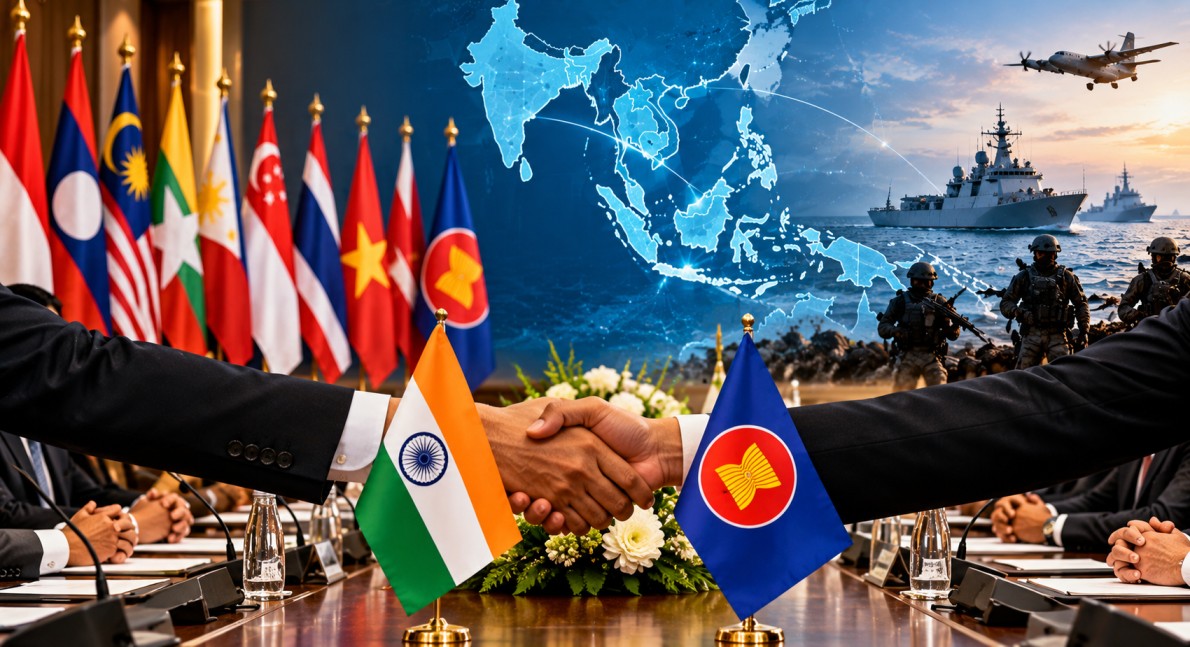
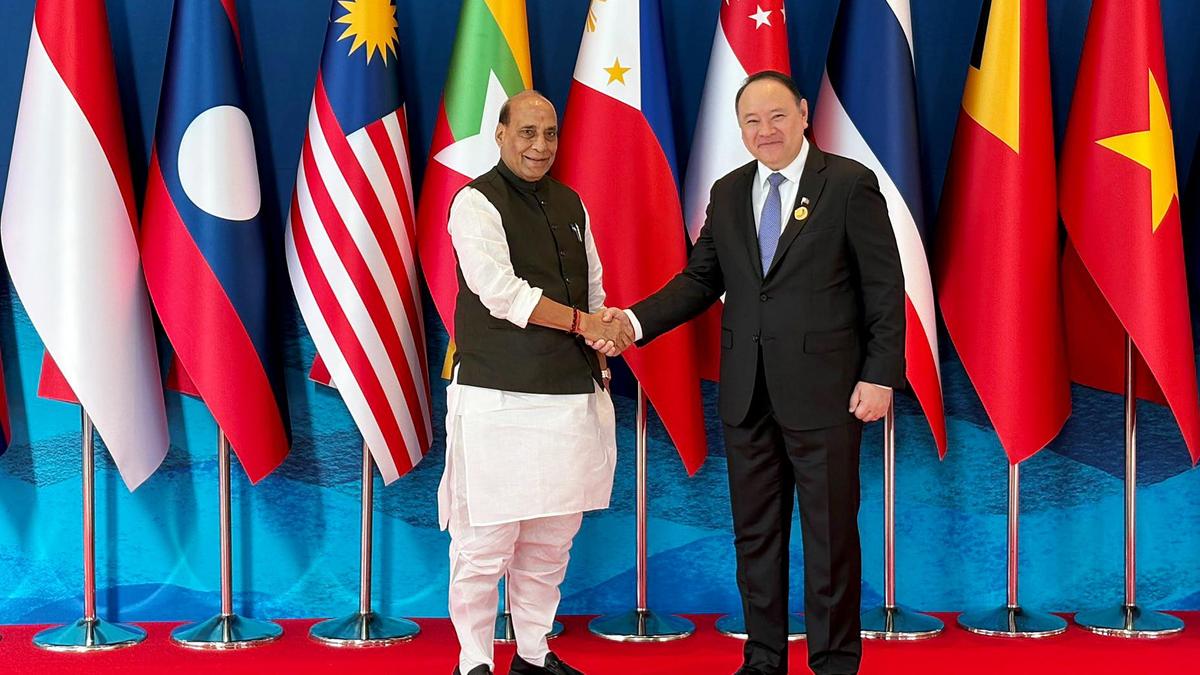
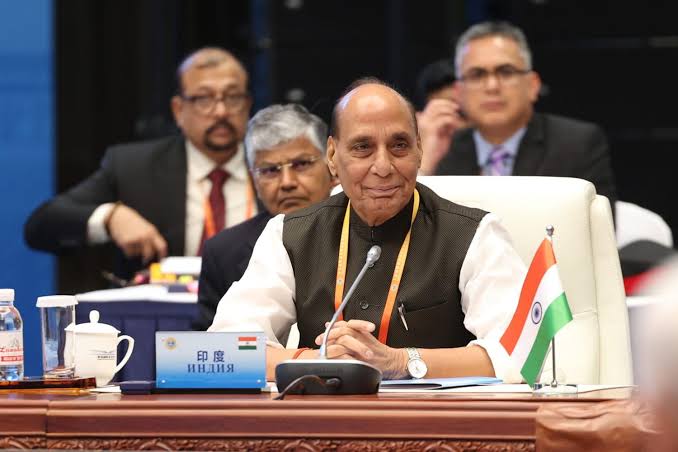
India ASEAN Security cooperation gained fresh attention after Defence Minister Rajnath Singh offered to share India’s counter-terrorism experience with ASEAN member states and their dialogue partners. He made the offer at the 13th ASEAN Defence Ministers’ Meeting-Plus (ADMM-Plus), held in Cebu, the Philippines, on 29 October 2026. India proposed working with partner countries through joint military exercises, training programmes and intelligence sharing to improve their ability to respond to security threats.
What Is the ADMM-Plus Meeting?
The ASEAN Defence Ministers’ Meeting-Plus is a regional platform for defence cooperation and security discussions. It brings together the defence ministers of ASEAN’s 11 member states and eight dialogue partners: India, Australia, China, Japan, New Zealand, South Korea, Russia and the United States.

The first ADMM-Plus meeting was held in Hanoi, Vietnam, on 12 October 2010. The platform allows participating countries to discuss shared security concerns and develop practical cooperation in areas such as counter-terrorism, maritime security, humanitarian assistance and disaster relief.
The Philippines chaired the 13th meeting in 2026. India became an ASEAN dialogue partner in 1992 and has continued to strengthen its defence engagement with Southeast Asian countries through regional platforms.
India Offers Counter-Terrorism Expertise
During the meeting, Rajnath Singh said India was ready to share its practical experience of dealing with cross-border security challenges. He suggested three main ways to strengthen cooperation: joint military exercises, capacity-building programmes and intelligence sharing.
Joint exercises allow military personnel from different countries to practise working together. Capacity-building programmes can improve training, skills and institutional readiness. Intelligence sharing can help participating countries exchange relevant information about security threats.
India and Malaysia are already co-chairing the ADMM-Plus Experts Working Group on Counter-Terrorism for the 2024-2027 cycle. The working group provides a platform for participating countries to discuss common challenges and plan activities that improve cooperation.
The offer is part of India’s wider effort to strengthen regional security partnerships. However, the announcement did not set out a new timetable, budget or detailed arrangements for the proposed cooperation.
Operation Sindoor and India’s Security Approach
Rajnath Singh referred to Operation Sindoor, conducted in May 2025, while explaining India’s approach to counter-terrorism. According to the Ministry of Defence, the operation targeted terrorist infrastructure and demonstrated India’s response to cross-border terrorism.
Singh presented the operation as an example of India’s practical experience in addressing security threats. He said this experience could be shared with ADMM-Plus partners to strengthen their collective capabilities.
The reference to Operation Sindoor also placed India’s proposal within a wider discussion about terrorism, regional stability and cooperation between defence forces. Different countries face different security conditions, so training and cooperation would need to consider their individual needs and legal frameworks.
India Highlights Maritime Security in the Indo-Pacific
Maritime security was another important subject raised by India at the meeting. Singh called for a secure, open, inclusive and rules-based Indo-Pacific region. He also highlighted freedom of navigation and overflight, along with respect for international maritime law.
India referred to the United Nations Convention on the Law of the Sea (UNCLOS), which provides an international legal framework for activities in the world’s oceans and seas. It covers issues such as maritime zones, navigation rights and the use of marine resources.
Maritime security is important for countries in the Indo-Pacific because the region contains major shipping routes and supports international trade. Cooperation among regional countries can help address challenges such as piracy, illegal activities at sea and threats to shipping.
India and ASEAN Expand Defence Partnerships
India’s participation in ADMM-Plus is connected with its wider engagement with Southeast Asia under the Act East Policy. The policy aims to strengthen India’s relations with ASEAN countries through economic, cultural, strategic and security cooperation.
The 2026 meeting also reflected the importance of regional dialogue at a time when countries are discussing maritime security, terrorism, cyber threats and other changing security challenges.
Singh also proposed a defence-related ‘Youth Bridge’ to improve connections between young people in India and ASEAN through digital innovation and capacity-building activities. This proposal adds a people-focused element to the wider defence partnership.
The counter-terrorism offer, maritime security discussions and youth cooperation proposal show the different areas India wants to develop through its engagement with ASEAN and other dialogue partners.