


Sitaram Raul Wins Wildlife Photography Award

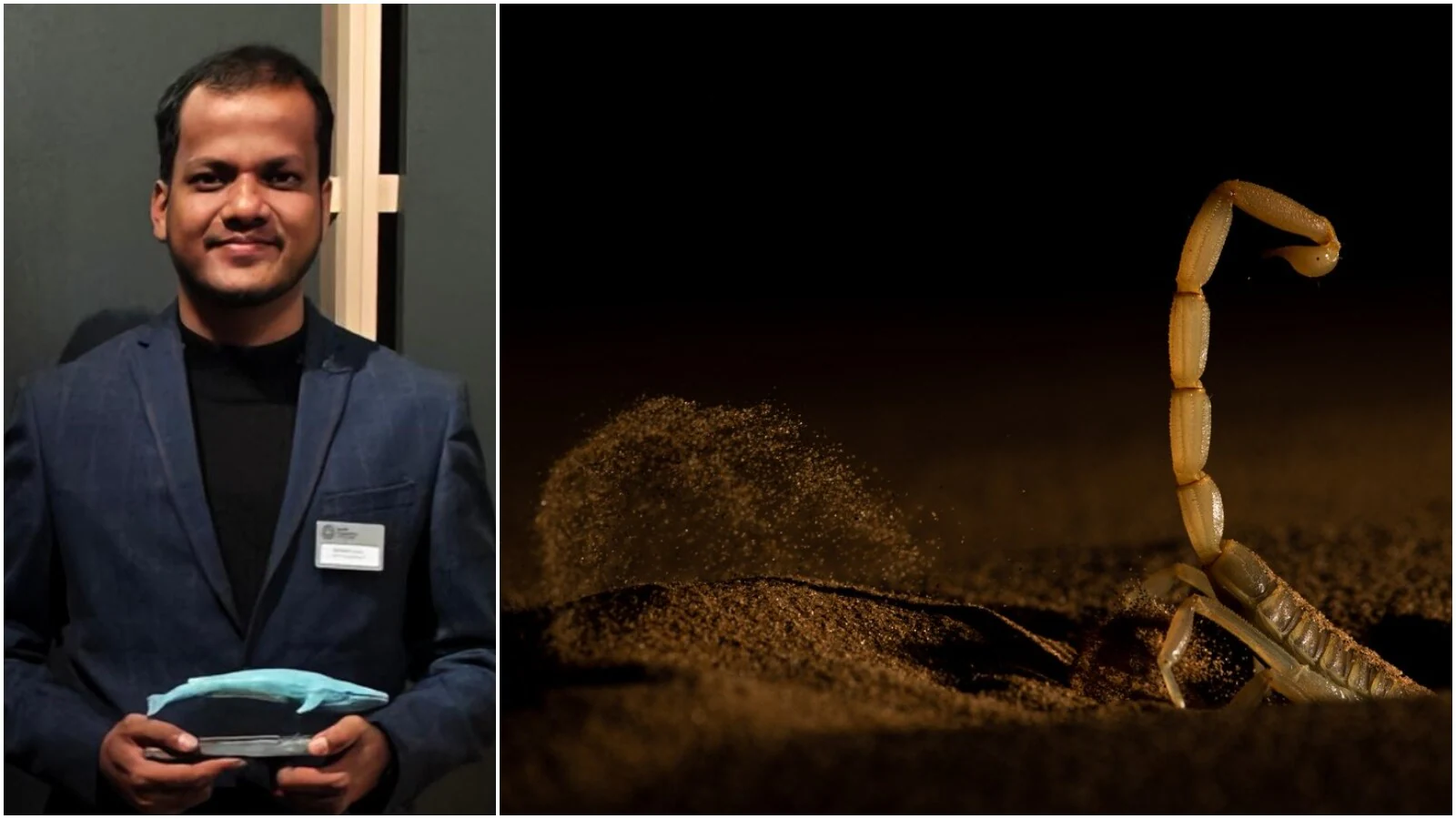
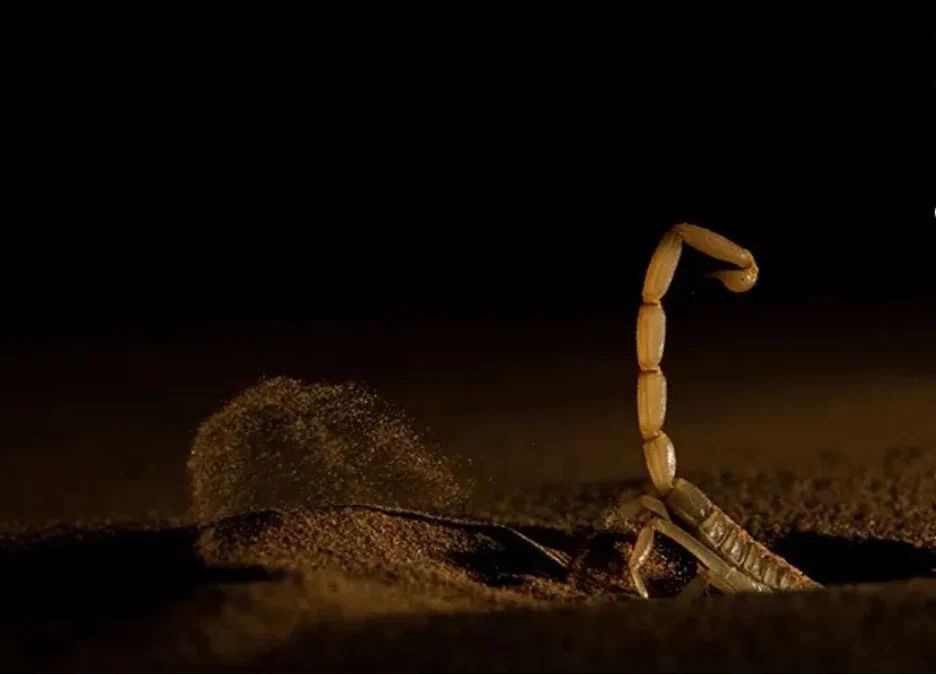
Sitaram Raul has won the ‘Behaviour: Invertebrates’ category at the 2026 Wildlife Photographer of the Year competition for his photograph titled Shifting Sand. The image captures an Indian Buthacus scorpion digging into the sand near the village of Sam in Rajasthan’s Thar Desert as sunrise approaches. The award brings international attention to Raul’s work and highlights the remarkable behaviour of small creatures living in harsh desert environments.
The competition is organised by the Natural History Museum in London, United Kingdom. It received more than 65,000 entries from photographers around the world in 2026, making it a major international event for wildlife photography.

What Does the Winning Photograph Show?
Sitaram Raul’s photograph, Shifting Sand, focuses on an Indian Buthacus scorpion as it digs a burrow in the desert sand. The photograph captures a moment in the scorpion’s daily struggle to survive in an environment where temperatures can become extremely high.
Desert animals have developed special ways to protect themselves from heat and other difficult conditions. By showing the scorpion at work, the image gives viewers a closer look at a behaviour that might otherwise go unnoticed.
The photograph also demonstrates the value of macro photography. This technique allows photographers to capture small subjects in great detail. It can reveal the shapes, textures and movements of insects and other invertebrates that are difficult to observe clearly with the naked eye.
How Scorpions Survive in the Thar Desert
The Indian Buthacus scorpion is adapted to life in sandy desert surroundings. Burrowing helps it escape the intense heat at the surface and provides shelter from changing environmental conditions.
The scorpion uses its pincers to move and dig sand while creating a space where it can take refuge. Specialised structures on its legs, including stiff bristles often described as sand combs, help it move across loose sand.
These adaptations are important in places such as the Thar Desert, where water is limited and temperatures can vary greatly between day and night. Many desert animals avoid the hottest parts of the day by remaining in shelters or becoming active during cooler hours.
Raul’s image highlights these survival strategies and shows how careful observation can reveal the complex lives of small desert animals.
What Is Wildlife Photographer of the Year?
Wildlife Photographer of the Year is an international competition organised by London’s Natural History Museum. It celebrates photographs that show wildlife, natural behaviour and the relationship between animals and their environments.
The competition attracts photographers from many countries and includes different categories covering animal behaviour, habitats and other aspects of the natural world. Its winning photographs help people discover wildlife they may never have the opportunity to see in person.
The 2026 competition received more than 65,000 entries from around the world. An exhibition featuring the winning photographs opened at the Natural History Museum on 16 October 2026.
The competition is sometimes described as the “Oscars of wildlife photography” because of its international reputation and recognition of outstanding work.
Federico Veronesi Wins the Overall Award
The overall 2026 Wildlife Photographer of the Year award went to Italian photographer Federico Veronesi for his photograph The Aftermath. The image shows an elephant carrying its deceased calf, capturing a powerful moment connected with animal life and loss.
While Veronesi received the overall award, Sitaram Raul’s success in the ‘Behaviour: Invertebrates’ category brought attention to a very different subject: a small scorpion surviving in the desert.
Together, the winning photographs show the wide range of stories wildlife photography can tell, from the lives of large mammals to the survival strategies of tiny invertebrates.
Sitaram Raul’s Journey in Wildlife Photography
Sitaram Raul is an Indian photographer and fine artist based in Badlapur, Maharashtra. He has around 14 years of experience in wildlife and macro photography.
His work focuses on observing animals and capturing details of their behaviour and surroundings. Photographing small creatures often requires patience, careful timing and an understanding of the subject’s natural habits.
Raul also received recognition in the same competition in 2025. His photograph Nature Reclaims its Space, featuring fruit bats in Maharashtra, earned a ‘Highly Commended’ distinction in the Urban Wildlife category.
His 2026 win builds on that earlier achievement and brings further attention to Indian wildlife photography on the international stage.
Why Wildlife Photography Matters
Wildlife photography can help people understand animals, their habitats and the challenges they face. Images of rarely noticed creatures can encourage curiosity about biodiversity and the importance of protecting natural environments.
Photographs of desert wildlife are particularly valuable because animals living in extreme conditions often remain hidden from people. By documenting their behaviour, photographers can help audiences appreciate how different species survive and adapt.
Sitaram Raul’s award-winning photograph shows that an important wildlife story does not always involve a large or famous animal. Sometimes, a close look at a small scorpion moving through desert sand can reveal the remarkable details of life in nature.