

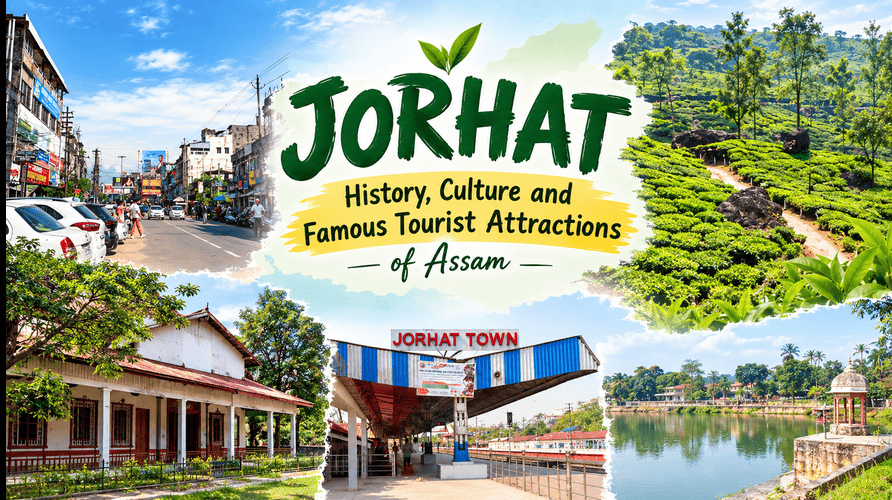
Jorhat: History, Culture and Famous Tourist Attractions of Assam

Introduction
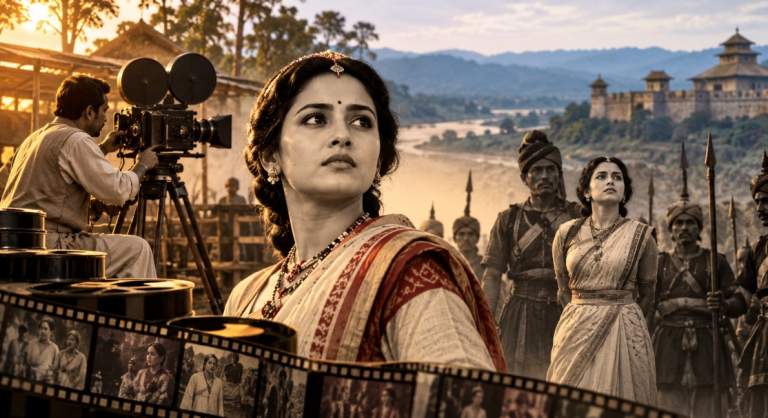
Jorhat is one of the most historically and culturally important places in Assam, India. Nestled in the heart of Upper Assam, Jorhat attracts visitors with its rich cultural heritage, historical monuments, traditional festivals, and beautiful green tea plantations. Often known as the Cultural Capital of Assam, Jorhat is famous for its Ahom history, Assamese traditions, educational institutions, tea gardens, and natural beauty.
The city is a beautiful blend of cultural heritage, colonial history, and lush green landscapes. It is not only an important gateway to Northeast India but also a destination where visitors can experience the region’s traditional lifestyle, tea cultivation, and vibrant festivals. Jorhat has played an important role in the political, social, economic, and cultural development of Assam.

The name Jorhat comes from two Assamese words: ‘Jor’ meaning two and ‘Hat’ meaning market. It refers to two important traditional markets, Macharhat and Chowkihat, which developed on the eastern and western banks of the Bhogdoi River. These markets helped Jorhat grow as an important centre of trade and commerce.
Jorhat was the last capital of the Ahom Kingdom before the British took control of Assam. The town developed as an important political and commercial centre during the late 18th century. Later, during British rule, it became an important urban centre and witnessed significant development while preserving its historical identity.
Today, Jorhat is recognised for its historical monuments, tea industry, educational institutions, religious centres, and cultural activities. From the famous Tocklai Tea Research Institute to the historic Dhekiakhowa Bornamghar and the beautiful Hollongapar Gibbon Wildlife Sanctuary, Jorhat offers visitors a wonderful combination of history, culture, education, and nature.
Important Facts About Jorhat
| Particulars | Details |
|---|---|
| State | Assam |
| Region | Upper Assam |
| District Headquarters | Jorhat |
| District Formation | 1983 |
| Popular Name | Cultural Capital of Assam |
| Famous For | Ahom history and tea gardens |
| Major River | Bhogdoi |
| Important Research Centre | Tocklai Tea Research Institute |
| Airport | Jorhat Airport (Rowriah) |
| Major Language | Assamese |
History of Jorhat
Jorhat has a long and interesting history, particularly because of its connection with the Ahom Kingdom. The town became an important political centre during the final years of Ahom rule.
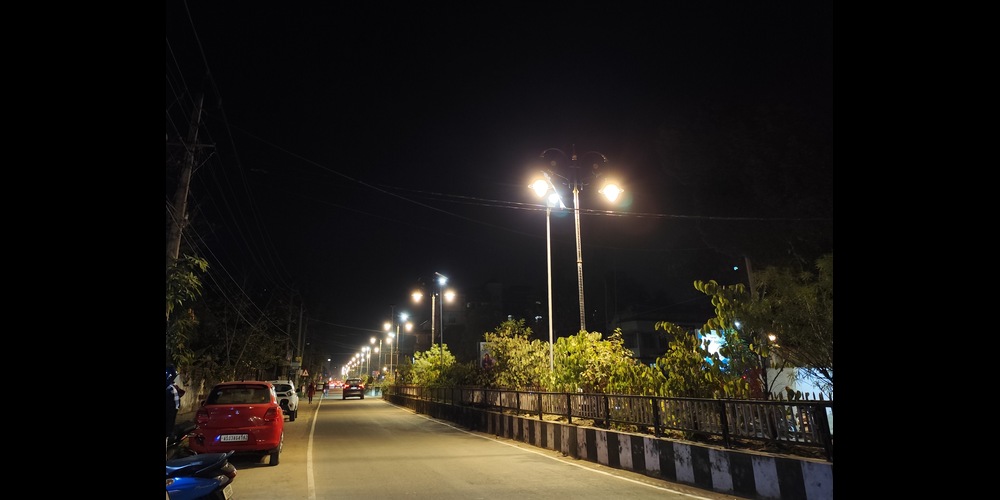
Early History and Ahom Kingdom
Before the expansion of the Ahom Kingdom, the region was associated with earlier political powers, including the Chutiya Kingdom in Upper Assam. The Ahoms defeated the Chutiyas in the 16th century and expanded their influence across the region.
During the Ahom period, Jorhat gradually developed as an important settlement. In 1794, Ahom King Gaurinath Singha shifted the kingdom’s capital from Rangpur, near present-day Sivasagar, to Jorhat.
This development gave Jorhat considerable political and commercial importance. Several roads, embankments, markets and water tanks were constructed during the Ahom period.
Some historical tanks associated with the region include Rajmao Pukhuri, Bangal Pukhuri, Kunwori Pukhuri and Baduli Pukhuri. These structures reflect the engineering and water-management practices of the Ahom rulers.
Burmese Invasions
The early 19th century was a difficult period for Jorhat and the Ahom Kingdom. Burmese invasions began in 1817 and continued during the following years.
The Burmese forces caused widespread destruction, affecting the local population, administration and commercial activities. The Ahom Kingdom gradually lost its political independence during this period.
In 1825, British forces defeated the Burmese forces in Assam, bringing the region under British influence.
British Rule and Freedom Movement
After the arrival of the British, Jorhat gradually developed as an administrative and commercial centre. A police station was established in 1839, and the town witnessed the growth of educational institutions, tea plantations, transport facilities and printing activities.
However, British rule also led to resistance from local leaders.
Important personalities associated with the freedom movement included:
- Maniram Dewan: An important freedom fighter who opposed British rule and played a role in the 1857 uprising.
- Piyali Baruah: A revolutionary who participated in the resistance against British authority.
- Gomdhar Konwar: An early Ahom leader who opposed British control.
- Jeuram Medhi: Another revolutionary associated with the resistance against British rule.
Maniram Dewan and Piyali Baruah were publicly executed at Jorhat on 26 February 1858.
Their sacrifice remains an important part of Assam’s freedom movement.
Development During the British Period
Jorhat experienced significant development during the late 19th and early 20th centuries.
Some important historical developments include:
| Year | Historical Event |
|---|---|
| 1839 | Police station established |
| 1840 | Borgola trading centre founded |
| 1843–44 | Maniram Dewan established a tea garden at Chinamara |
| 1856 | Jorhat Christian School established |
| 1858 | Jorhat Tea Company formed |
| 1869 | Jorhat became a subdivision of the Rangpur district |
| 1881 | Jorhat Union Board established |
| 1884 | Jorhat Sarbajanik Sabha established |
| 1884 | Railway service introduced between Jorhat and Gossaingaon |
| 1904 | Darpan printing press established |
| 1909 | Jorhat Municipality formed |
| 1911 | Tocklai Experimental Station established |
| 1930 | Jagannath Barooah College established |
These developments helped Jorhat become one of the important centres of education, administration, journalism and tea production in Assam.
Culture and Traditions of Jorhat
Jorhat is widely recognised for its cultural heritage. Assamese traditions, folk music, dance, literature and religious practices are important parts of everyday life.
Bihu Festival
Bihu is one of the most important festivals celebrated in Jorhat. Like other parts of Assam, people celebrate the three major Bihu festivals throughout the year.
- Rongali Bihu: Celebrated in April to welcome the Assamese New Year and the arrival of spring.
- Bhogali Bihu: Celebrated in January after the harvesting season. Traditional community feasts and Meji bonfires are important parts of the festival.
- Kongali Bihu: Observed in October when agricultural fields are growing and food supplies are traditionally limited.
Traditional Bihu songs, dances, dhol, pepa and other musical instruments add to the celebrations.
Assamese Literature and Performing Arts
Jorhat has made important contributions to Assamese literature, journalism, theatre and music. Several writers, poets, historians and educationists have connections with the town.
The Jorhat Sahitya Sabha, established in 1915, reflects the region’s long-standing interest in Assamese language and literature.
Traditional theatre, known as Bhaona, is also an important cultural practice in the region, particularly in the Vaishnavite religious tradition.
Traditional Food
Food is another important part of Jorhat’s cultural identity. Traditional Assamese dishes are commonly prepared during festivals, family gatherings and community celebrations.
Some popular dishes include:
- Khar – A traditional Assamese preparation made using alkaline ingredients.
- Masor Tenga – A light and sour fish curry.
- Aloo Pitika – Mashed potatoes prepared with mustard oil, onion and green chillies.
- Duck Meat Curry – A traditional dish often prepared during special occasions.
- Pitha – Traditional rice-based sweets and snacks.
- Laru – Traditional Assamese sweet balls prepared using ingredients such as coconut and sesame.
Tea is also an essential part of daily life in Jorhat because of its strong connection with Assam’s tea industry.
Geography and Climate of Jorhat
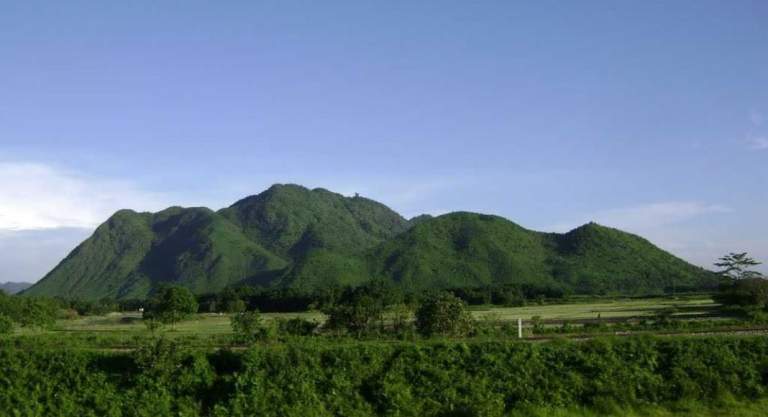
Jorhat is located in the Brahmaputra Valley of Assam. The Brahmaputra River flows along its northern side, while Nagaland lies towards the south. Sivasagar is located towards the east, and Golaghat lies towards the west.
The district has mainly fertile plains, with agricultural land and tea-growing areas forming an important part of its landscape.
The Bhogdoi, Kakodonga, Jhanji and Teok rivers are among the important rivers associated with the region.
Jorhat experiences a humid subtropical climate. Summers are generally warm and humid, while winters are relatively cool and pleasant. The monsoon season brings considerable rainfall, supporting agriculture and tea cultivation.
Economy of Jorhat
Agriculture and tea production are the major economic activities of Jorhat. The region has numerous tea estates that contribute to Assam’s position as one of the leading tea-producing regions in India.
Tea Industry
Tea is one of the most important industries in Jorhat. The district has a long history of tea cultivation, which expanded during the British period.
The Chinamora Tea Estate is historically associated with the early development of tea cultivation in the region.
Jorhat is also home to the famous Tocklai Tea Research Institute, which was established in 1911 as the Tocklai Experimental Station. It is recognised as one of the world’s oldest and largest tea research centres.
The institute conducts research on tea cultivation, plant improvement, pest management, processing and quality improvement.
Agriculture and Other Industries
Apart from tea, agriculture supports a large section of the population.
Major agricultural products include:
- Rice
- Mustard
- Jute
- Vegetables
- Fruits
- Pulses
Bamboo and cane handicrafts, handloom products, small businesses and local markets also contribute to the district’s economy.
Famous Tourist Attractions in Jorhat
Jorhat has several historical monuments, religious institutions, tea gardens, and natural attractions. These places provide visitors with an opportunity to explore the history, culture, and lifestyle of Upper Assam. Some of the most popular tourist attractions in Jorhat are described below.
Thengal Bhawan
Thengal Bhawan is an important heritage building located at Jalukonibari in Jorhat district, Assam. It belonged to the Thengal family and is closely connected with the history of Assamese journalism and literature.
The building is particularly remembered because the newspaper Dainik Batori was published from here in the early 20th century. Its historical architecture and cultural importance make it an interesting heritage destination.
Lachit Borphukan Maidam and Ladai Garh
Lachit Borphukan Maidam and Ladai Garh are two historically significant sites associated with the military history of the Ahom Kingdom in the Jorhat region.
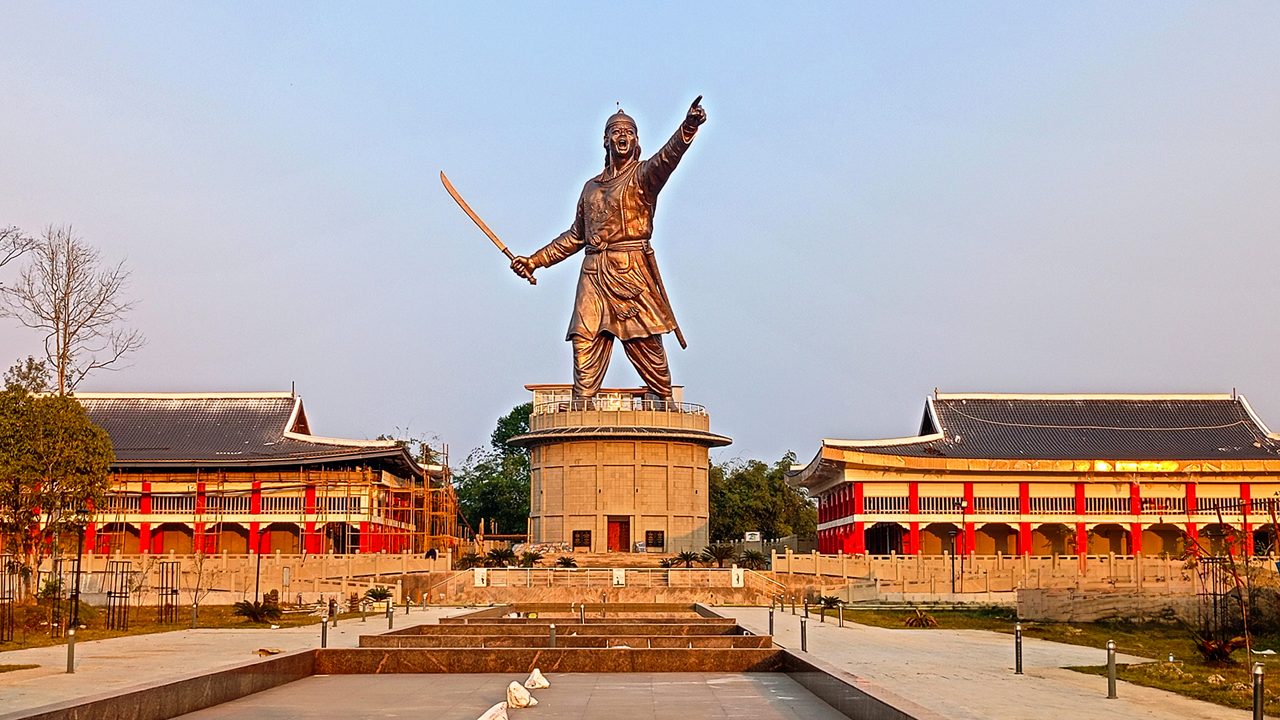
Lachit Borphukan is remembered as one of the greatest military commanders in Assam’s history. He led the Ahom forces during the famous Battle of Saraighat in 1671, where the Mughal army was defeated. The memorial associated with him honours his military leadership and contribution to the Ahom Kingdom.
Ladai Garh is an ancient fortification associated with the Ahom period. It was constructed for strategic and defensive purposes to protect the kingdom from external attacks. Both sites reflect the military strength and historical importance of the Ahom rulers.
Dhekiakhowa Bornamghar
Dhekiakhowa Bornamghar is one of the most important religious and cultural institutions in Assam. It is situated at Dhekiakhowa, near Jorhat town.
It was established by the Vaishnavite saint and reformer Madhavdeva in 1528. The institution is associated with the preservation of Assamese Vaishnavite traditions.
The naamghar plays an important role in religious gatherings, prayers, cultural programmes, and community activities. It is also an important pilgrimage destination for devotees.
Bangal Pukhuri
Bangal Pukhuri is a historical water tank located in Jorhat town, Assam. It is associated with the Ahom period and reflects the importance of traditional water management during the Ahom administration.
The tank is an important reminder of Jorhat’s historical connection with the Ahom rulers and their contribution to the development of the region.
Raja Maidam
Raja Maidam is a historical burial monument located in Jorhat town. It is associated with Ahom King Purandar Singha, who died in 1846.
Maidams were burial structures constructed for Ahom royalty and other important personalities. They represent the distinctive funerary traditions and architectural heritage of the Ahom period.
Sukapha Samannay Kshetra
Sukapha Samannay Kshetra is a memorial dedicated to Chaolung Sukapha, the founder of the Ahom Kingdom in Assam. It is located in the Jorhat district.
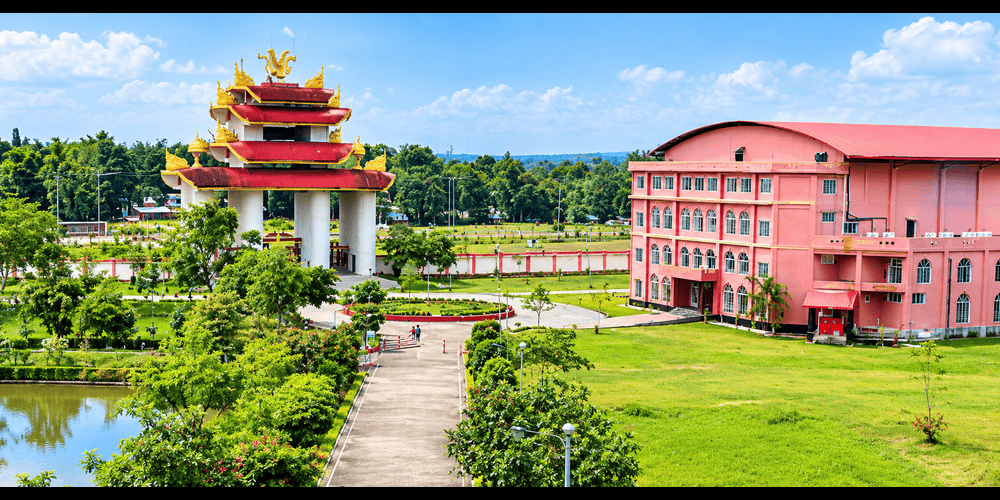
Sukapha arrived in the Brahmaputra Valley in 1228 and established the foundations of Ahom rule. The memorial honours his historical contribution and the development of Assamese society.
Hollongapar Gibbon Wildlife Sanctuary
Hollongapar Gibbon Wildlife Sanctuary is one of the most important natural attractions in Jorhat district. It is situated near Mariani town, approximately 20 km from Jorhat town.
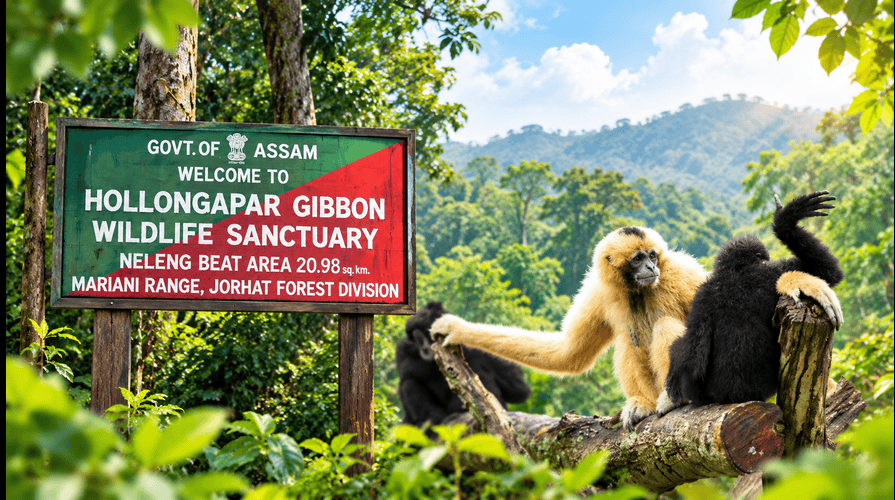
The sanctuary covers approximately 20.98 square kilometres and is famous for the Western Hoolock Gibbon, India’s only ape species.
The forest also provides shelter to several other primates, mammals, reptiles, and bird species. It is an important destination for wildlife enthusiasts, nature lovers, and researchers.
Tocklai Tea Research Institute
Tocklai Tea Research Institute is one of the most recognised research institutions in Jorhat. It is situated at Cinnamara, Jorhat, Assam.
Established in 1911, it conducts scientific research related to tea cultivation, processing, plant diseases, and production quality.
The institute has played an important role in the development of India’s tea industry. Visitors interested in the history and science of Assam tea can learn about the region’s tea industry through its research and educational activities. Visitor access and arrangements should be checked before planning a visit.
Jorhat Gymkhana Club
Jorhat Gymkhana Club is a historic recreational institution located in Jorhat town, Assam. It was established during the British period and is particularly known for its heritage golf course and sporting traditions.
The club reflects the colonial-era social and sporting history of Jorhat. Its golf course is among the oldest in India and remains an important landmark of the town.
Nearby Places to Visit From Jorhat
Apart from attractions within the district, several famous destinations in Upper Assam can be explored from Jorhat.
Majuli Island: Located across the Brahmaputra River, Majuli is famous as one of the world’s largest inhabited river islands. It is known for its Vaishnavite Satras, traditional mask-making, pottery, dance and religious heritage. Majuli is now a separate district.
Molai Forest: Located on Majuli Island, Molai Forest is a well-known man-made forest developed through the efforts of environmentalist Jadav Payeng. It is home to various trees, birds and wildlife.
Kakochang Waterfall: Located in the Bokakhat region of Golaghat district, Kakochang Waterfall is known for its natural beauty and scenic surroundings.
Kaziranga National Park: Located mainly in the districts of Golaghat and Nagaon, Kaziranga is famous for its one-horned rhinoceros population. It is also home to elephants, tigers, wild water buffaloes and several bird species.
These destinations can be included in a wider Upper Assam travel itinerary.
Education and Important Institutions in Jorhat
Jorhat is also known as an important educational centre of Assam. It has several recognised educational and research institutions.
Some important institutions include:
- Assam Agricultural University
- Jagannath Barooah College
- Jorhat Engineering College
- Jorhat Institute of Science and Technology
- Jorhat Medical College and Hospital
- Tocklai Tea Research Institute
These institutions contribute to education, scientific research, agriculture, healthcare and technological development in the region.
Transport and Connectivity
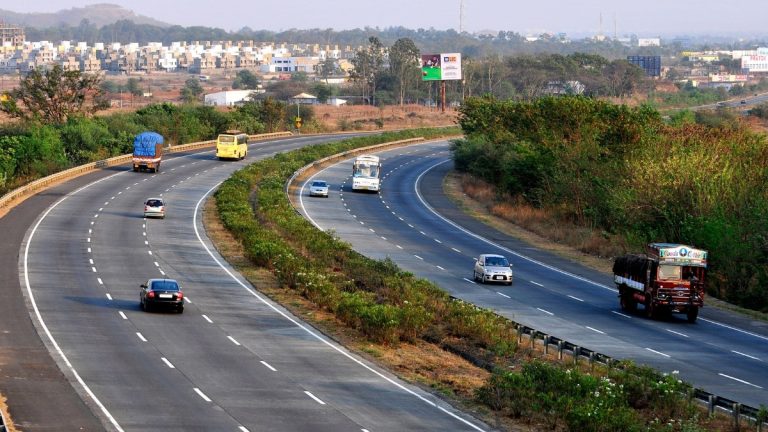
Jorhat is well connected to other parts of Assam through road, rail and air transport.
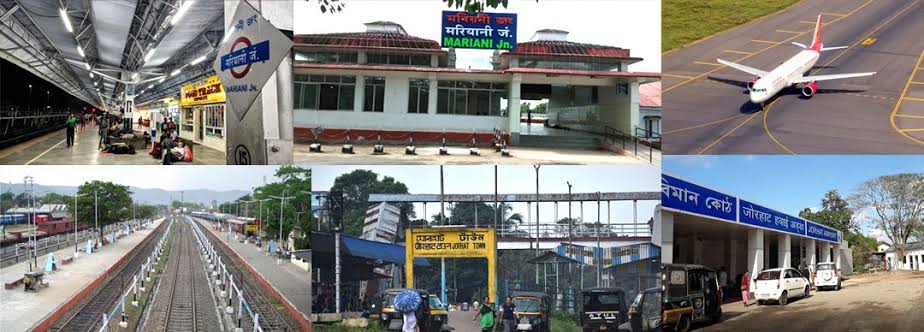
Roadways: National Highway 37 and other important roads connect Jorhat with Sivasagar, Golaghat, Dibrugarh and other parts of Assam.
Railways: Jorhat has railway connectivity through Jorhat Town and Mariani railway stations. Mariani is an important railway junction in Upper Assam.
Airways: Jorhat Airport, also known as Rowriah Airport, provides air connectivity with selected destinations. Flight availability and schedules depend on airline operations.
The nearby Nimatighat is an important river transport point for travelling towards Majuli.
Conclusion
Jorhat is a destination where Assam’s history, culture, education and natural beauty come together. From being the last capital of the Ahom Kingdom to becoming an important centre of tea research and Assamese literature, the district has played a significant role in shaping the identity of Upper Assam.
Its historical monuments, traditional festivals, religious institutions, tea gardens and wildlife sanctuary make it an important destination for visitors interested in exploring Assam. Whether someone wants to understand the Ahom heritage, experience Assamese traditions or discover the tea industry, Jorhat offers many opportunities to explore the history and culture of the state.
Frequently Asked Questions About Jorhat
What is Jorhat famous for?
Jorhat is famous for its rich Ahom history, tea gardens, Assamese culture, historical monuments and educational institutions. It is popularly known as the Cultural Capital of Assam.
Why is Jorhat called the Cultural Capital of Assam?
Jorhat is called the Cultural Capital of Assam because of its contributions to Assamese literature, music, theatre, art, education and traditional festivals.
Who made Jorhat the capital of the Ahom Kingdom?
Ahom King Gaurinath Singha shifted the capital from Rangpur to Jorhat in 1794.
When was Jorhat district established?
Jorhat district was established in 1983.
Which river flows through Jorhat?
The Bhogdoi River is one of the important rivers flowing through Jorhat. The Brahmaputra forms the northern boundary of the region.
What are the famous tourist places in Jorhat?
Some popular attractions include Dhekiakhowa Bornamghar, Thengal Bhawan, Raja Maidam, Bangal Pukhuri, Hoollongapar Gibbon Wildlife Sanctuary and Jorhat Gymkhana Club.