


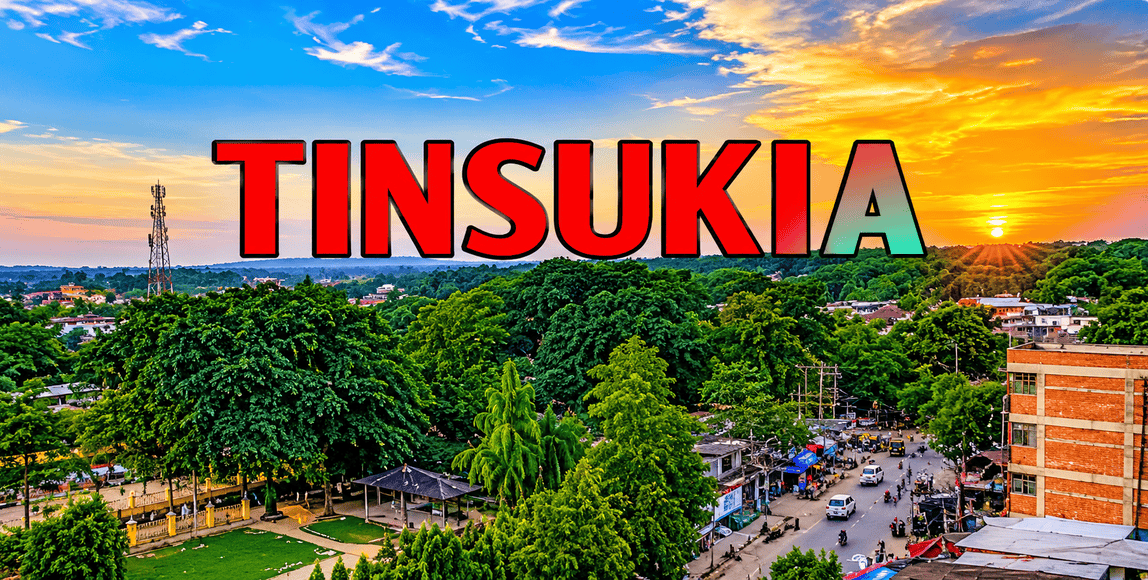
Tinsukia: History, Tea Gardens and Tourist Places in Assam

Introduction
Tinsukia is one of the most important districts of Upper Assam, known for its rich history, beautiful tea gardens, oil industry and natural attractions. Located in the northeastern part of Assam, Tinsukia is a place where history, culture, industry and nature come together. From the green tea estates of Chabua and Doom Dooma to the wildlife-rich forests of Dibru-Saikhowa National Park, the district offers many interesting experiences to visitors.
Tinsukia is also historically important because of its connection with the Matak Kingdom, the growth of the tea industry and the development of India’s petroleum industry. The famous oil town of Digboi, the peaceful surroundings of Margherita and the spiritual importance of Tilinga Mandir make this district an interesting destination for travellers.

The district covers approximately 3,790 square kilometres and has a population of around 13.3 lakh, according to the Tinsukia District Administration. It shares its boundaries with Arunachal Pradesh and other districts of Assam. Tinsukia is also an important commercial centre of Upper Assam.
History of Tinsukia
The history of Tinsukia goes back several centuries. Before becoming an important commercial town, the region was known as Bengmara and was closely associated with the Matak Kingdom.
The Matak Kingdom and Bengmara
During the medieval period, the region was part of the Chutiya Kingdom. After the defeat of the Chutias, the Ahom rulers appointed the Sadiya-khowa Gohain to administer the region.
Later, the Matak Kingdom became an important political power in Upper Assam. The kingdom emerged following the historic Moamoria Rebellion against the Ahom rulers.
Swargadeo Sarbananda Singha was the first king of the Matak Kingdom. He initially established his capital at Rangagarh, near the Guijan River. In 1791, he shifted his capital to Bengmara, which is now part of Tinsukia town.
The town was developed with the assistance of his minister, Gopinath Barbaruah, popularly known as Godha. Several ponds were excavated during this period, including Na-Pukhuri, Devi Pukhuri, Kadamoni Pukhuri and Tinikunia Pukhuri.
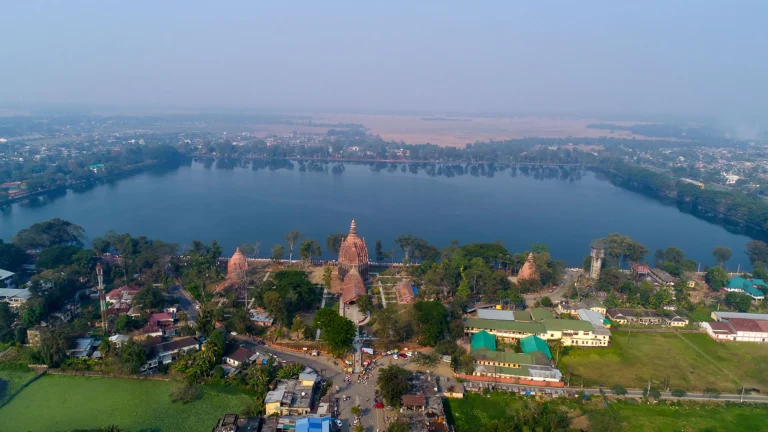
Tinikunia Pukhuri is particularly important in the history of Tinsukia. According to the district administration, a railway station was established near this pond during the development of the railway network. The station eventually gave the present town its name.
How Tinsukia Became a District
The development of railways, tea plantations and other industries gradually transformed Tinsukia into an important commercial centre.
Tinsukia was officially declared the 23rd district of Assam on 1 October 1989, after being separated from the former Dibrugarh district.
Today, the district is an important administrative and economic centre of Upper Assam. Its history reflects the influence of several communities, including the Moran, Matak, Tai Ahom, Singpho, Sonowal Kachari and Adivasi communities.
Tinsukia and the History of Assam Tea
Tinsukia has a special connection with the history of tea production in India. The district played an important role in the development of the Assam tea industry during the nineteenth century.
In 1823, tea plants were discovered by the British in the Sadiya region. Later, the first tea plantation in the area was established at Chabua, near Tinsukia.
The name Chabua is commonly associated with the Assamese words ‘Chah’ (tea) and ‘Buwa’ (planting). This connection reflects the importance of tea cultivation in the region.
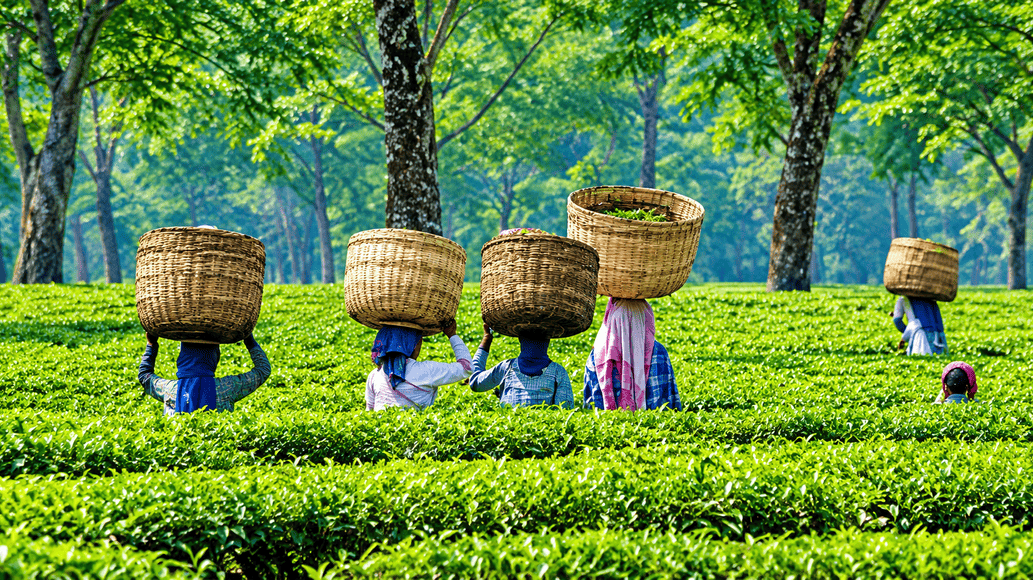
During British rule, large tea estates were established across different parts of Upper Assam. The favourable climate, fertile soil and heavy rainfall helped tea cultivation expand.
Tea production gradually became one of the major economic activities in Tinsukia. The district is now known for its extensive tea plantations, tea-processing factories and small tea growers.
Famous Tea-Growing Areas in Tinsukia
Some of the important tea-growing areas of the district include:
- Chabua: Historically important because of its early connection with tea plantations in Assam.
- Doom Dooma: A major tea-producing region with several large tea estates.
- Digboi: Known for its green tea gardens and beautiful plantation surroundings.
- Margherita: An important industrial and tea-growing area of Upper Assam.
- Makum: Another important commercial area associated with tea cultivation and processing.
Tea gardens are not only important for the district’s economy but also form an attractive part of its landscape. Visitors can enjoy green plantations, traditional tea estate bungalows and peaceful surroundings.
Famous Tourist Places in Tinsukia
Tinsukia has several tourist attractions, including national parks, historical sites, religious places and industrial heritage destinations. Here are some of the most interesting places to explore.
Dibru-Saikhowa National Park
Dibru-Saikhowa National Park is one of the most famous natural attractions in Tinsukia. It is located in the floodplains of the Brahmaputra river system and extends across Tinsukia and Dibrugarh districts.
The park is recognised for its rich biodiversity, wetlands, grasslands and forest ecosystems. It was declared a Biosphere Reserve in 1997 and became a national park in 1999.
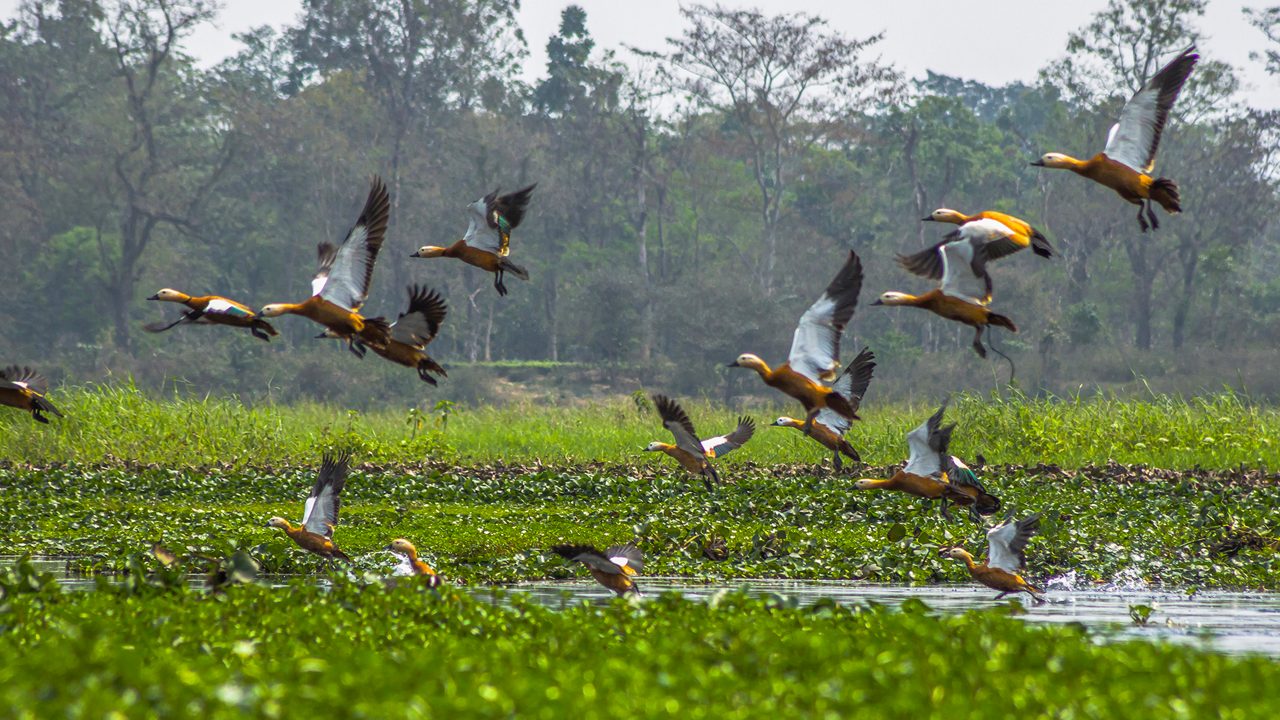
Dibru-Saikhowa is particularly famous for its birdlife and rare wildlife species. It provides habitat for the endangered white-winged wood duck, feral horses, river dolphins, capped langurs and several migratory birds.
The park is also known for its beautiful river landscapes and wetland ecosystem. Birdwatching, nature photography and boat-based exploration in permitted areas are popular activities.
The best time to explore the park is generally during the cooler months, although visitors should check seasonal access and local forest department guidelines before planning a trip.
Dehing Patkai National Park
Dehing Patkai National Park is another important natural attraction in the Tinsukia region. It is famous for its tropical evergreen forests, rich biodiversity and beautiful natural surroundings.
Often called the ‘Amazon of the East’, Dehing Patkai is one of the most important rainforest landscapes in Assam.
The forest is home to several wildlife species, including hoolock gibbons, elephants, slow lorises, macaques, hornbills and different types of butterflies.
The park is particularly important for biodiversity conservation because it protects one of the remaining large stretches of lowland tropical rainforest in the region.
Nature lovers, wildlife enthusiasts and photographers visit the area to experience its dense forests and diverse wildlife.
Digboi Oil Museum and Oil Heritage
Digboi is one of the most historically significant towns in Tinsukia district. It is popularly known as the Oil City of Assam because of its connection with the early development of the petroleum industry in India.
Oil exploration in Digboi began during the nineteenth century. In 1867, officers associated with the Assam Railways and Trading Company reportedly noticed oil-like substances around elephants working in the forest. This discovery encouraged further exploration.
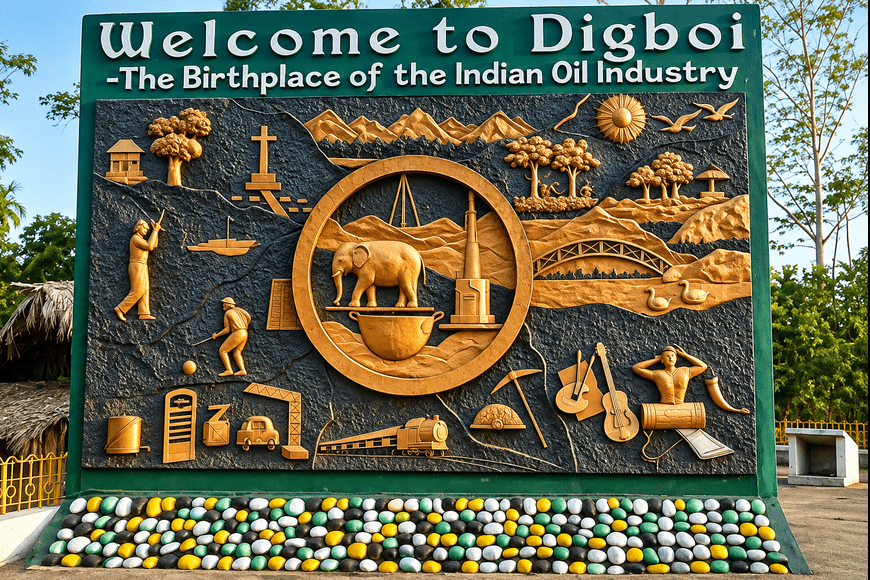
Digboi later became home to Asia’s first oil refinery, established in 1901. The refinery is also among the oldest operating refineries in the world.
The Digboi Centenary Museum is an important place for understanding the history of the petroleum industry. It displays historical information and exhibits related to oil exploration, refining and the development of Digboi.
The town also has old colonial-era buildings, tea gardens and a golf course, making it an interesting destination for history lovers.
Tilinga Mandir (Bell Temple)
Tilinga Mandir, also known as the Bell Temple, is one of the most popular religious attractions in Tinsukia district.
The temple is located at Bordubi, approximately 17 kilometres from Tinsukia town. It is dedicated to Lord Shiva and is famous for the thousands of bells hanging around the temple premises.
Devotees visit the temple to offer bells and seek blessings. According to local belief, people tie bells after their wishes are fulfilled or as a prayer for their wishes to come true.
The temple attracts visitors throughout the year and is especially crowded during religious occasions such as Maha Shivaratri.
Railway Heritage Park, Tinsukia
Railways played an important role in the historical and economic development of Tinsukia. The Railway Heritage Park is a place where visitors can learn about the region’s railway heritage.
The railway network helped connect tea-growing areas, industrial centres and remote parts of Upper Assam with other regions.
The park is an interesting attraction for people who enjoy railway history and want to understand how transportation contributed to the growth of Tinsukia.
Na-Pukhuri Park
Na-Pukhuri is one of the historically significant water bodies in Tinsukia. Several ponds were excavated during the rule of King Sarbananda Singha and the Matak Kingdom.
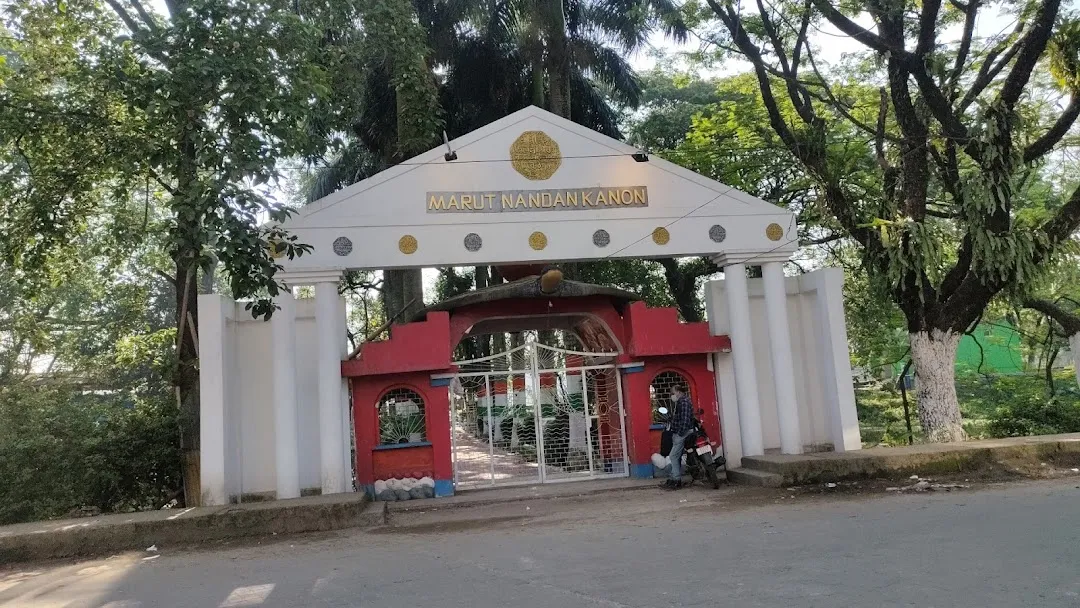
Na-Pukhuri is associated with the historical development of Bengmara and represents the traditional water-management practices of the region.
The surrounding area is also known as a local recreational destination where visitors can spend some peaceful time.
Digboi War Cemetery
Digboi War Cemetery is an important historical site connected with the Second World War.
The cemetery preserves the graves of Commonwealth soldiers who lost their lives during the war. It is a reminder of the strategic importance of Upper Assam and the wider northeastern region during the Second World War.
The nearby Stillwell Road, also known as the Ledo Road, was constructed to connect India with China through Myanmar. It played an important role in supplying Allied forces during the war.
Visitors interested in military history can explore this area to understand the wartime importance of Tinsukia and its neighbouring regions.
Dhola-Sadiya Bridge
The Dhola-Sadiya Bridge, officially known as the Bhupen Hazarika Setu, is another major attraction associated with the wider Tinsukia region.
The bridge crosses the Lohit River and connects Dhola in Assam with Sadiya. It was inaugurated on 26 May 2017.
With a length of approximately 9.15 kilometres, it is one of India’s longest river bridges.
The bridge has improved connectivity between eastern Assam and areas near Arunachal Pradesh. It is also an important engineering landmark and a popular place for visitors interested in infrastructure and river landscapes.
Economy of Tinsukia
Tinsukia is one of the major commercial and industrial districts of Assam. Its economy is supported by tea, petroleum, coal, agriculture, trade and transportation.
Tea Industry: Tea plantations and processing factories provide employment to thousands of people. Both organised tea estates and small tea growers contribute to production.
Petroleum Industry: Digboi is historically important for India’s petroleum sector. Oil exploration and refining have played a major role in the district’s industrial development.
Coal Industry: Margherita and Ledo are known for coal mining activities. Coal has contributed to the industrial history of Upper Assam.
Agriculture: Paddy, tea, ginger, oranges and other agricultural products contribute to the rural economy.
Trade and Transport: Tinsukia town is an important commercial centre, connecting different parts of Upper Assam through road and railway networks.
Culture and Communities of Tinsukia
Tinsukia is culturally diverse. Different communities have contributed to its traditions, festivals, languages, food and lifestyle.
The Moran and Matak communities have strong historical connections with the region. The Tai Ahom, Singpho, Sonowal Kachari, Adivasi, Nepali, Bengali and other communities also contribute to its cultural diversity.
Bihu is widely celebrated in the district, along with festivals and traditional events observed by different communities.
Traditional Assamese food, local fish preparations, rice-based dishes and tea are important parts of everyday life. Visitors can also experience local markets, traditional handicrafts and cultural celebrations.
Best Time to Visit Tinsukia
The winter season, particularly from October to March, is generally considered a comfortable time to visit Tinsukia.
During this period, the weather is relatively pleasant, making it suitable for sightseeing, exploring tea gardens and visiting historical places.
The monsoon season brings heavy rainfall to Upper Assam. Although the landscape becomes particularly green, rain and flooding can affect road conditions and access to wildlife areas.
For visitors planning to explore Dibru-Saikhowa or Dehing Patkai, it is important to check park opening dates, weather conditions and permitted activities before travelling.
How to Reach Tinsukia
Tinsukia is connected to other parts of Assam and India through railways and roads.
By Air: The nearest major airport is Dibrugarh Airport, also known as Mohanbari Airport. It is approximately 40 kilometres from Tinsukia, depending on the route.
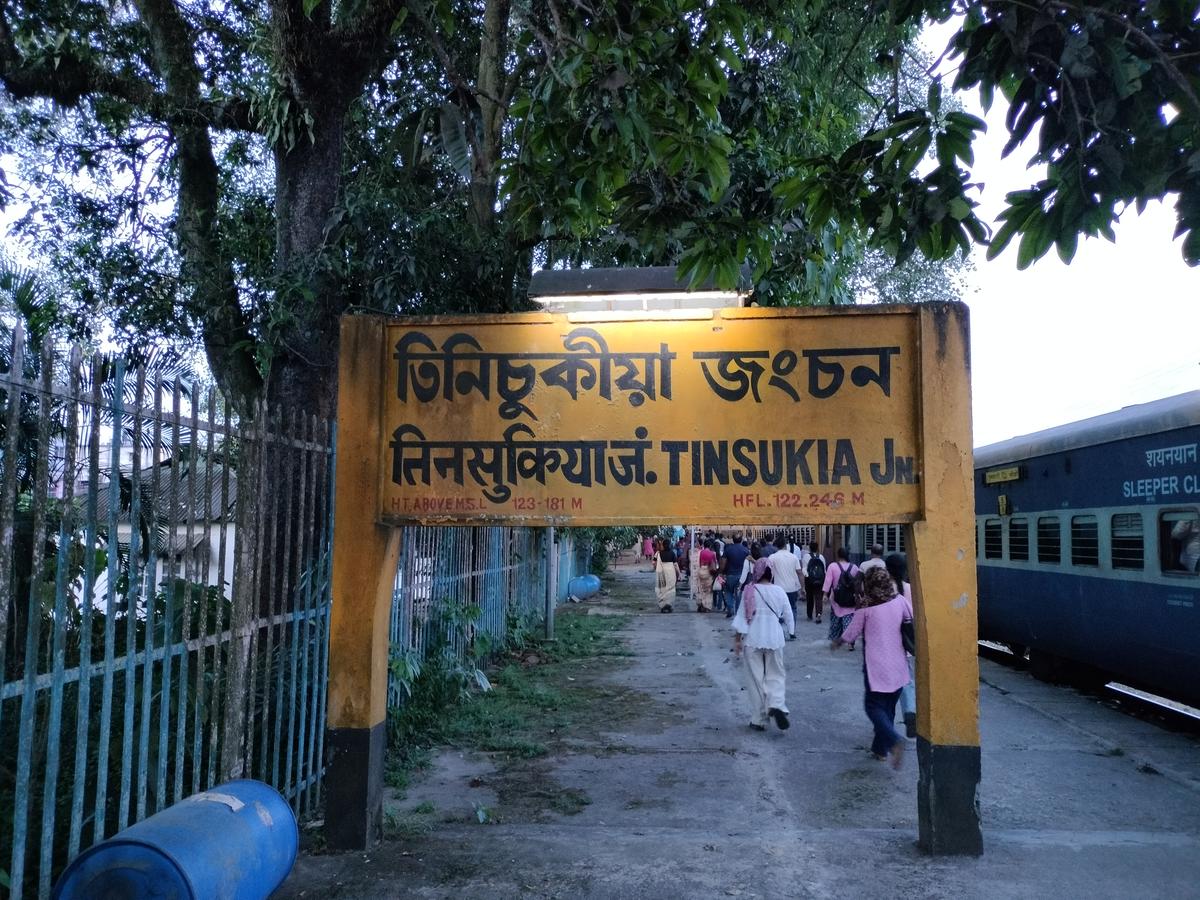
By Train: New Tinsukia Railway Station connects the district with several major cities and railway destinations across India.
By Road: Tinsukia is connected to Dibrugarh, Duliajan, Digboi, Margherita, Sadiya and other parts of Assam through road networks.
Visitors can use local taxis, buses and other transport services to reach nearby tourist attractions.
Why Tinsukia Is an Important Destination in Assam
Tinsukia is more than an industrial district. It represents an important chapter in the history of Assam, from the Matak Kingdom and the development of tea plantations to the growth of India’s petroleum industry.
Its natural attractions, including Dibru-Saikhowa and Dehing Patkai, make it important for wildlife conservation and nature tourism. At the same time, places such as Digboi, Tilinga Mandir and the historic ponds of Bengmara offer visitors an opportunity to explore its cultural and historical heritage.
Whether someone is interested in history, tea gardens, wildlife, religious destinations or industrial heritage, Tinsukia offers a wide range of experiences in one part of Upper Assam.
Frequently Asked Questions (FAQs) About Tinsukia
Where is Tinsukia located?
Tinsukia is located in Upper Assam, in the northeastern part of India. It is an important commercial and industrial centre of Assam.
Why is Tinsukia famous?
Tinsukia is famous for its tea gardens, petroleum industry, historical heritage, wildlife sanctuaries and tourist attractions such as Digboi, Dibru-Saikhowa National Park and Tilinga Mandir.
When was Tinsukia district established?
Tinsukia district was established on 1 October 1989 after being separated from the former Dibrugarh district.
What was the old name of Tinsukia?
The historical name of Tinsukia was Bengmara. It was the capital of the Matak Kingdom under King Sarbananda Singha.
Who established the Matak Kingdom?
Swargadeo Sarbananda Singha is recognised as the founder and first king of the Matak Kingdom.
Why is Chabua famous in Assam?
Chabua is historically associated with the early development of tea plantations in Assam. It is an important tea-growing area near Tinsukia.