
Padma Subrahmanyam Wins Kalashikhar Puraskar

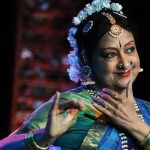
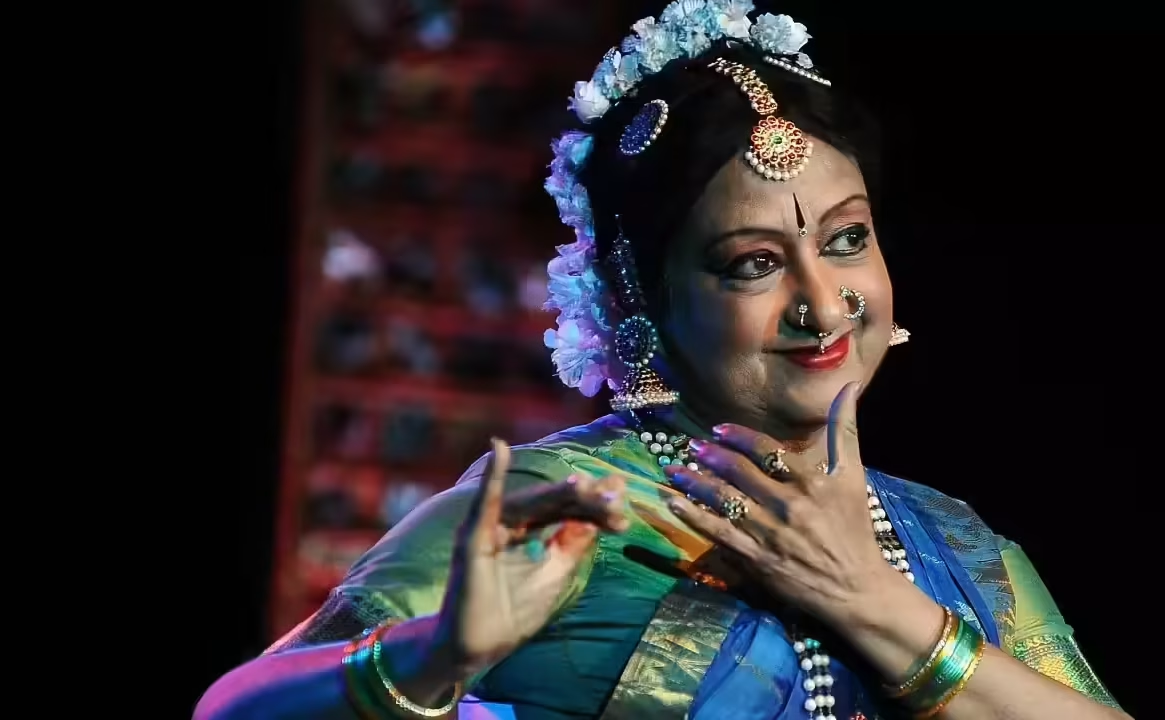
Padma Subrahmanyam received the prestigious Aditya Vikram Birla Kalashikhar Puraskar on November 15, 2026, for her outstanding contribution to Indian classical dance. She is a renowned Bharatanatyam dancer, researcher and teacher who has played an important role in promoting India’s traditional performing arts. The award was presented by Sangit Kala Kendra during its 31st annual awards ceremony in Mumbai. The event celebrated the achievements of artists who have made valuable contributions to Indian culture, with dance as the main focus of this year’s programme.
Padma Subrahmanyam Receives Aditya Vikram Birla Kalashikhar Puraskar
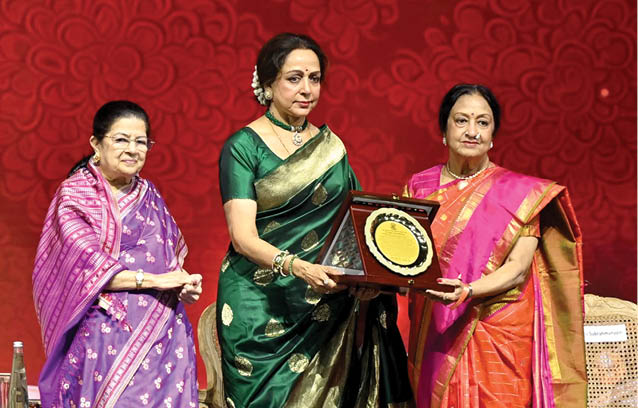
The Aditya Vikram Birla Kalashikhar Puraskar was presented to Dr Padma Subrahmanyam on November 15, 2026. The award recognises her contribution to Bharatanatyam and her efforts to study, preserve and promote Indian classical dance.

The 31st Sangit Kala Kendra Awards ceremony was organised in Mumbai. Rajashree Birla, President of Sangit Kala Kendra, presented the award in the presence of Kumar Mangalam Birla. Well-known actress and dancer Hema Malini attended the programme as the chief guest.
The ceremony brought together artists and cultural personalities to celebrate India’s rich tradition of performing arts. Dance received special attention during this year’s event.
Other Artists Honoured at the Ceremony
Apart from Padma Subrahmanyam, other talented artists were also recognised for their contributions to performing arts.
The Aditya Vikram Birla Kala Kiran Puraskar was presented to Rahul Varshney and the dance duo Saurav and Gaurav Mishra.
These awards aim to recognise talented individuals and encourage the development of Indian art and culture. By honouring established artists as well as emerging performers, Sangit Kala Kendra supports the continuation of India’s artistic traditions.
Who Is Padma Subrahmanyam?
Dr Padma Subrahmanyam is one of India’s respected Bharatanatyam dancers, choreographers, researchers and teachers. She is widely recognised for her deep study of Indian classical dance and her efforts to bring traditional dance knowledge to modern audiences.
Her work goes beyond stage performances. She has conducted extensive research into ancient Indian dance traditions and has studied the connection between dance, sculpture and classical texts.
One of her major contributions is the reconstruction of the 108 karanas described in the ancient Sanskrit text Natya Shastra. Through her research, she has helped people understand the traditional movements and techniques that formed an important part of India’s classical performing arts.
Her work has also helped connect ancient Indian knowledge with present-day dance education and performance.
Her Contribution to Bharatanatyam
Bharatanatyam is one of India’s major classical dance forms. It originated in Tamil Nadu and is known for its combination of rhythmic movements, hand gestures, facial expressions and storytelling.
Padma Subrahmanyam has contributed to the study and development of this dance form through her performances, teaching and research. She has worked to understand the original meaning of traditional movements and present them in a form that modern audiences can appreciate.
Her research on the 108 karanas is particularly important. These movements are described in the Natya Shastra, an ancient Indian text associated with dance, music and drama.
The karanas combine different body movements, hand positions and footwork. They are also represented in sculptures found in several Indian temples. Her research has helped create a deeper understanding of the relationship between ancient temple art and classical dance.
Understanding Bharatanatyam Dance Traditions
Bharatanatyam has different styles known as Bani. A Bani refers to a particular school’s or teacher’s way of performing the dance. These styles may differ in movement, expression, posture and presentation.
The dance form is known for its distinctive body posture. Dancers usually maintain a steady upper body while bending their legs and keeping their knees flexed. Footwork, hand gestures and facial expressions are important parts of the performance.
Bharatanatyam also includes different forms of movement. One important element is Nritta, which refers to pure dance movements. It focuses on rhythm, speed and body coordination rather than telling a story or expressing a particular meaning.
Another important feature is the use of facial expressions and gestures to communicate emotions, characters and stories to the audience.
Importance of the Natya Shastra in Indian Classical Dance
The Natya Shastra is an ancient Sanskrit text that provides important knowledge about Indian performing arts. It discusses dance, drama, music, expressions, movements and stage performance.
The text is traditionally attributed to Bharata Muni. It describes the 108 karanas, which are important movement units in classical Indian dance.
Researchers and dancers continue to study the Natya Shastra to understand the history and development of Indian performing arts. Padma Subrahmanyam’s research has helped bring attention to these traditional techniques and their importance in India’s cultural heritage.
Promoting India’s Traditional Performing Arts
The Aditya Vikram Birla Kalashikhar Puraskar highlights the importance of recognising artists who protect and promote India’s cultural traditions.
Classical dance forms such as Bharatanatyam represent the country’s artistic history and cultural identity. However, preserving these traditions requires continuous efforts from dancers, teachers, researchers and cultural organisations.
Through awards, cultural programmes and educational activities, organisations like Sangit Kala Kendra help encourage artists and introduce traditional art forms to younger generations.
The recognition of Padma Subrahmanyam in 2026 celebrates her contribution to Bharatanatyam and her efforts to preserve the knowledge of India’s ancient dance traditions. Her research and artistic work continue to create interest in the relationship between classical dance, history and Indian culture.