



Alexander Biography Wins Prize

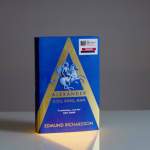
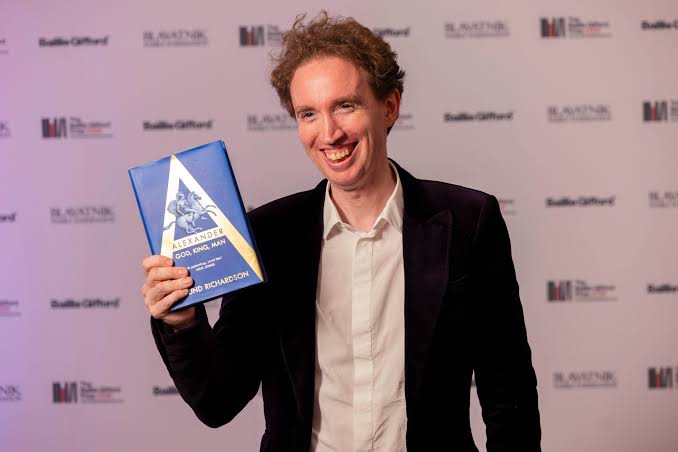
Alexander Biography has won the 2026 Baillie Gifford Prize for Nonfiction, bringing renewed attention to the life of Alexander the Great. Written by Edmund Richardson, the book Alexander: God, King, Man received the £50,000 award at a ceremony in London on 4 November 2026. The prize is worth approximately US$67,000 and recognises outstanding nonfiction writing.
Richardson is a professor of classics at Durham University. He spent more than a decade researching Alexander the Great, one of the most influential rulers of the ancient world. The biography draws on historical sources and archaeological discoveries to explore the life of a leader whose story continues to interest readers and researchers.

A Biography Built on Years of Research
Edmund Richardson’s Alexander: God, King, Man is the result of more than ten years of research. To prepare the book, Richardson studied and translated sources written in 12 ancient languages.
Researching Alexander the Great can be difficult because accounts of his life were written in different periods and often reflect the views of their authors. Some sources were created long after Alexander’s death, making it important for historians to compare texts and examine the evidence carefully.
Richardson’s work combines ancient written records with archaeological findings. This approach helps readers explore Alexander’s life while also considering how history is reconstructed from evidence that has survived over many centuries.
The book was praised for presenting ancient history in an engaging way. Judging panel chair Kirsty Lang described it as “immersive” and said it “reads like a novel”. She also highlighted the book’s new research and archaeological discoveries.
Baillie Gifford Prize Recognition
The Baillie Gifford Prize for Nonfiction is an annual award that recognises notable nonfiction books. The 2026 prize was presented to Richardson in London, following a selection process involving more than 350 entries.
The winning book was the first work focused on ancient history to receive the prize since the award was established in 1999. Its success highlights the continuing appeal of history when it is presented through detailed research and clear storytelling.
The prize is open to authors of any nationality, provided their work is published in English in the United Kingdom. An independent judging panel selects the longlist, shortlist and winner. The panel changes each year.
Books on the 2026 Shortlist
Richardson’s biography was selected from a shortlist of six books. The other shortlisted titles were:
- London Falling by Patrick Radden Keefe
- Baldwin: A Love Story by Nicholas Boggs
- The Great Dictator by Matthew Sweet
- Days of Love and Rage by Anand Gopal
- The Traveler by Andrea Wulf
The shortlisted works covered different subjects and approaches to nonfiction writing. Their selection showed the range of topics considered by the prize, from history and biography to political and cultural themes.
Richardson’s book stood out for its long research process and its focus on an ancient figure whose life has been retold for generations.
Who Was Alexander the Great?
Alexander the Great was a king of Macedon who lived from 356 to 323 BCE. He became king after the death of his father, Philip II, and led military campaigns that created a vast empire stretching from Greece and Egypt into parts of Asia.
Alexander’s campaigns helped spread Greek language and culture across many regions. The period that followed his conquests is often associated with the Hellenistic world, in which Greek culture interacted with local traditions.
His life has been studied through ancient histories, legends and later interpretations. The gap between the events and many surviving accounts means that historians continue to examine how reliable sources describe his actions, personality and achievements.
A modern biography can bring together different types of evidence to help readers understand both the historical figure and the way his story has been remembered.

Why the Award Matters
The recognition of Alexander: God, King, Man brings attention to the role of nonfiction books in making complex historical research accessible to a wider audience.
The book’s success also shows that ancient history remains relevant to modern readers. Questions about leadership, power, ambition and the creation of empires continue to shape discussions about the past and its influence on the present.
The Baillie Gifford Prize is governed by a board of directors overseeing a not-for-profit company. Its annual award supports the recognition of nonfiction writing and encourages readers to explore subjects through carefully researched books.
Richardson’s win places his biography among the prize’s recognised works and highlights the value of combining historical research, archaeological evidence and engaging storytelling.