


Bhutan Festivals and National Days

Bhutan Festivals reflect the country’s Buddhist traditions, royal history and unique cultural identity. Religious celebrations, national holidays and traditional events play an important role in the daily lives of Bhutanese people. They bring communities together through prayers, colourful masked dances, music and public gatherings. These observances also help preserve Bhutan’s history and cultural values for future generations.
Bhutan is known for its strong connection with Buddhism, particularly the Drukpa Kagyu tradition. Many religious festivals are linked to important events in the life of Buddha Shakyamuni and Guru Rinpoche, also known as Padmasambhava. National observances, meanwhile, remember the country’s kings, historical leaders and important events in its development.

Important Religious Festivals in Bhutan
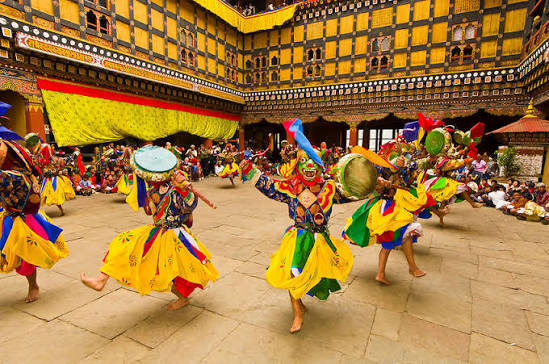
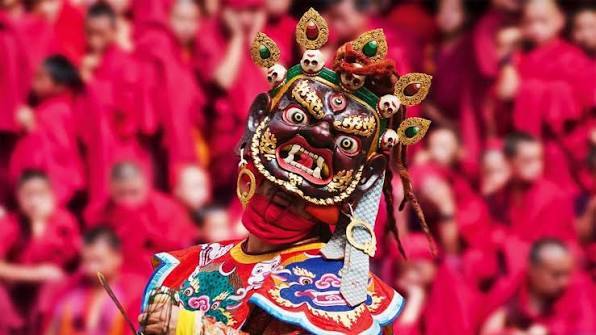
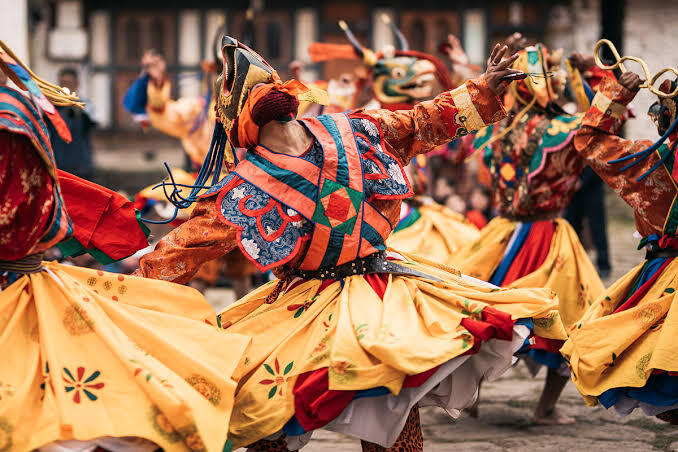
Most major religious celebrations in Bhutan follow the Buddhist lunar calendar. They include prayers, religious offerings, rituals and traditional performances. One of the most important parts of these celebrations is the masked dance, which is believed to share religious teachings and represent the victory of good over evil.
Lhabab Duchen
Lhabab Duchen is one of the four major Buddhist festivals celebrated in Bhutan. In 2026, it was observed on 1 November. The festival remembers the return of Buddha Shakyamuni from Trāyastriṃśa Heaven, where he is believed to have taught the Dharma to the gods and helped his mother.
Buddhists consider this an especially meaningful day for prayer, kindness and good actions. Many people visit monasteries, offer prayers and take part in religious activities.
Tshechu Festivals Bhutan Festivals
Tshechu is among the most popular religious celebrations in Bhutan. These festivals are held in different districts, known as dzongkhags, usually on the tenth day of a lunar month. They honour Guru Rinpoche, who played an important role in introducing Tantric Buddhism to Bhutan during the 8th century.
Tshechu celebrations include religious ceremonies, traditional music and masked dances called cham. Monks and trained performers wear colourful costumes and masks to present stories from Buddhist teachings.
Some of the well-known Tshechu festivals are:
- Paro Tshechu: A major spring festival, generally held in March or April.
- Thimphu Tshechu: One of Bhutan’s largest religious festivals, scheduled for 13–15 September in 2026.
- Punakha Tshechu: A significant celebration associated with the historic Punakha region.
- Trongsa Tshechu: A traditional festival held at the important Trongsa Dzong.
- Jakar Tshechu: Celebrated at Jakar Dzong in Bumthang.
- Wangdue Phodrang Tshechu: Known for its traditional songs, dances and local performances.
Losar: Bhutanese Lunar New Year
Losar is the traditional Lunar New Year celebrated in Bhutan. It usually falls between February and March and is generally observed for several days, with celebrations traditionally extending up to 15 days.
In 2026, Losar fell on 17 February. Families celebrate the occasion by preparing special food, cleaning their homes, visiting relatives and offering prayers. It is a time for new beginnings, family gatherings and hopes for a peaceful year.
Other Buddhist Holy Days
Bhutan observes several other important Buddhist days throughout the year. These include Guru Rinpoche’s birth anniversary on 10 July, Parinirvana Day on 17 July and Drukpa Tshezhi on 26 July in 2026. Drukpa Tshezhi remembers Buddha’s first sermon, when he shared the teachings of the Dharma.
Dashain is another important celebration, especially among Bhutan’s Nepalese Hindu community. It is usually observed in September or October.
The Black-necked Crane Festival is held every year on 11 November at Gangtey Monastery. It spreads awareness about the protection of the black-necked crane, a migratory bird that visits Bhutan during the winter season.
Important National Observances in Bhutan
Bhutan’s national observances are closely connected with its monarchy and historical development. These days honour the country’s kings, remember important events and strengthen national identity.
National Day of Bhutan
Bhutan celebrates its National Day on 17 December every year. It marks the coronation of Ugyen Wangchuck as the country’s first Druk Gyalpo, or Dragon King, in 1907.
The event is closely associated with the establishment of the Wangchuck dynasty and the unification of Bhutan under a hereditary monarchy. National Day celebrations include official ceremonies, cultural programmes and public gatherings.
Traditional Day of Offering
The Traditional Day of Offering, known as Buelwa Phuewi Nyim, is observed in honour of Zhabdrung Ngawang Namgyal, an important historical figure who helped unify Bhutan in the 17th century.
In 2026, this observance fell on 28 January. People remember his contribution through prayers, offerings and traditional practices.
Royal Birth Anniversaries
Royal birthdays are important national occasions in Bhutan. The birth anniversary of the 5th King, Jigme Khesar Namgyel Wangchuck, was observed from 21 to 23 February in 2026. The birth anniversary of the 3rd King, Jigme Dorji Wangchuck, falls on 2 May.
November also has several important national observances. The birth anniversary of the 4th King, Jigme Singye Wangchuck, falls on 11 November. The same date is observed as Constitution Day.
On 1 November 2026, Bhutan also marked the public holiday associated with the coronation of the 5th Druk Gyalpo. The King’s formal coronation took place on 6 November 2008. The date also coincided with Lhabab Duchen and Mother’s Day in 2026.
Other traditional observances include Nyinlong, the winter solstice celebration, observed on 2 January, and Zhabdrung Kuchoe, a day of remembrance for Zhabdrung Ngawang Namgyal, usually falling in April or May.
Buddhist Stupas and Chortens in Bhutan
Buddhist stupas are important religious monuments in Bhutan. They are commonly known as Jangchub Chortens and represent Buddhist teachings, devotion and spiritual values.
A stupa may contain sacred relics, religious objects or symbols. Some are built to remember important Buddhist teachers or events, while others are constructed as acts of devotion.
In Bhutan and Tibetan Buddhist traditions, the word chorten is commonly used for a stupa. These structures often have a square base, a rounded dome and a structure at the top. They are generally solid monuments rather than buildings that people enter.
One important religious practice associated with stupas is pradakhshina, which means walking around a sacred monument in a clockwise direction. Buddhists perform this ritual as an act of respect and devotion.
Important Figures Behind Bhutan’s Religious and Cultural Identity
Guru Rinpoche, also known as Padmasambhava, is one of the most respected figures in Bhutanese Buddhism. He is traditionally credited with introducing Tantric Buddhism to Bhutan in the 8th century. His life and teachings are remembered through Tshechu festivals and religious ceremonies.
Zhabdrung Ngawang Namgyal played a major role in unifying Bhutan during the 17th century. He helped establish the country’s distinct political and religious identity and strengthened the Drukpa Kagyu tradition.
The title Druk Gyalpo means Dragon King and is used for Bhutan’s monarch. A dzongkhag refers to an administrative district. Its central dzong traditionally serves as an important religious and administrative centre.
Recent Development: 108 Chortens at Gelephu Mindfulness City
Bhutan attracted international attention in November 2026 after 108 Buddhist stupas, known as Jangchub Chortens, were constructed and consecrated in a single day at Gelephu Mindfulness City.
The achievement was recognised by Guinness World Records on 3 November 2026. The event took place around important religious and national observances, including Lhabab Duchen, Mother’s Day and the anniversary of the coronation of the 5th King.
The number 108 has special meaning in Buddhist traditions and is often associated with spiritual practices and religious teachings. The construction and consecration of these chortens highlighted Bhutan’s continued connection with Buddhist heritage.
Bhutan’s religious festivals and national observances show how faith, history and community life are closely connected. From the masked dances of Tshechu to the national celebrations on 17 December, these traditions help preserve the country’s cultural identity. They also introduce Bhutan’s heritage to people from different parts of the world.