

WHO Essential Medicines List 2025: Key Updates to Improve Global Health Access

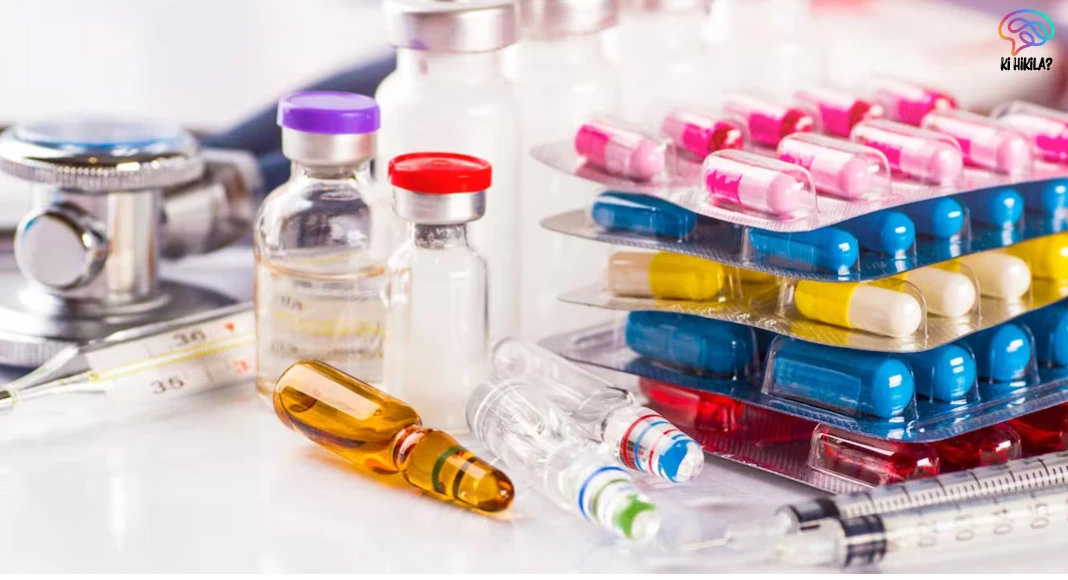
The WHO essential medicines list has been updated with the release of its 24th edition of the Model List of Essential Medicines (EML) and the 10th edition of the Essential Medicines for Children (EMLc) in 2025. This comprehensive update reflects critical new treatments for diseases such as cancer, diabetes, obesity, and several rare conditions. These lists guide over 150 countries in their decisions for medicine procurement, insurance coverage, and health policy formulation. With the 2025 update, WHO aims to enhance access to life-saving medicines worldwide, especially in low- and middle-income countries where affordability and availability remain major challenges.
Thank you for reading this post, don't forget to subscribe!Significance of the WHO Essential Medicines List
The WHO essential medicines list identifies drugs that address priority health needs and are crucial for public health systems. Originally launched in 1977, the EML and EMLc have played a pivotal role in shaping government procurement policies, insurance reimbursements, and hospital formularies. Regular updates ensure that new, effective, and cost-efficient treatments are included to meet evolving health challenges. For countries striving to achieve universal health coverage, these lists serve as a benchmark for prioritizing medicines that save lives and improve health outcomes.
New Additions in the WHO Essential Medicines List
The Expert Committee for the 2025 update reviewed 59 applications for new medicines. As a result, 20 new drugs were added to the adult EML and 15 to the EMLc for children. Seven previously listed medicines received updated indications for additional uses. The current lists now include 523 essential medicines for adults and 374 for children. These medicines address major health challenges, including cancer, diabetes, cystic fibrosis, psoriasis, haemophilia, and various blood disorders. The selection emphasizes treatments that are both effective and accessible for the populations that need them most.
Cancer Medicines
Cancer remains a leading cause of death globally, responsible for nearly 10 million fatalities each year. The 2025 update to the WHO essential medicines list included only cancer drugs with proven benefits of extending survival by at least four to six months. Notable additions include PD-1/PD-L1 immune checkpoint inhibitors such as pembrolizumab, atezolizumab, and cemiplimab for metastatic cancers. The Committee highlighted strategies such as dose optimization and health system integration to improve affordability and access, particularly in resource-limited settings.
Diabetes and Obesity Treatments

With over 800 million people affected by diabetes and more than 1 billion impacted by obesity globally, the Committee emphasized the importance of including effective treatments in the WHO essential medicines list. Newly added medicines include GLP-1 receptor agonists like semaglutide, dulaglutide, liraglutide, and the dual GLP-1/GIP agonist tirzepatide. These drugs not only improve blood sugar control but also reduce cardiovascular and kidney complications, aid weight loss, and lower mortality in patients with type 2 diabetes and related comorbidities. High costs remain a barrier, making the promotion of generic alternatives and integration into primary care crucial.
Challenges in Access and Affordability of WHO Essential Medicines List Drugs
Despite the updates, access to essential medicines remains a challenge. Out-of-pocket expenses for noncommunicable disease treatments are high in many countries. WHO emphasizes the need for political commitment, multisectoral collaboration, and people-centred health programmes to ensure equitable access. Monitoring pricing policies and supporting national governments in expanding the availability of these medicines remain key priorities for the organization.
WHO Essential Medicines List Expert Committee and Process
The 25th WHO Expert Committee convened in Geneva in May 2025 to evaluate the effectiveness, safety, and cost-effectiveness of candidate medicines. The Committee also reviewed antibiotics under the AWaRe framework to ensure responsible use and combat resistance. This biennial update process guarantees that the WHO essential medicines list remains relevant to current global health priorities and reflects evidence-based medicine practices.
Global Impact of the WHO Essential Medicines List
The WHO essential medicines list is more than a guideline; it shapes healthcare delivery worldwide. Countries use it as a foundation for national drug policies, insurance schemes, and public health programs. By including new, life-saving medicines for cancer, diabetes, and obesity, the 2025 update strengthens the global effort to reduce health disparities and improve survival outcomes.