Lakshmi Puja: Celebrating Wealth, Prosperity, and Spiritual Harmony

Lakshmi Puja is one of the most revered and widely celebrated Hindu festivals, dedicated to Goddess Lakshmi, the goddess of wealth, prosperity, and fortune. It is observed with immense devotion, grandeur, and rituals across India, particularly during Diwali, the festival of lights. This auspicious day symbolizes not only material abundance but also spiritual growth, family unity, and moral values. The significance of Lakshmi Puja extends beyond wealth and material possessions, reflecting the deeper essence of gratitude, generosity, and righteousness.
Thank you for reading this post, don't forget to subscribe!Significance
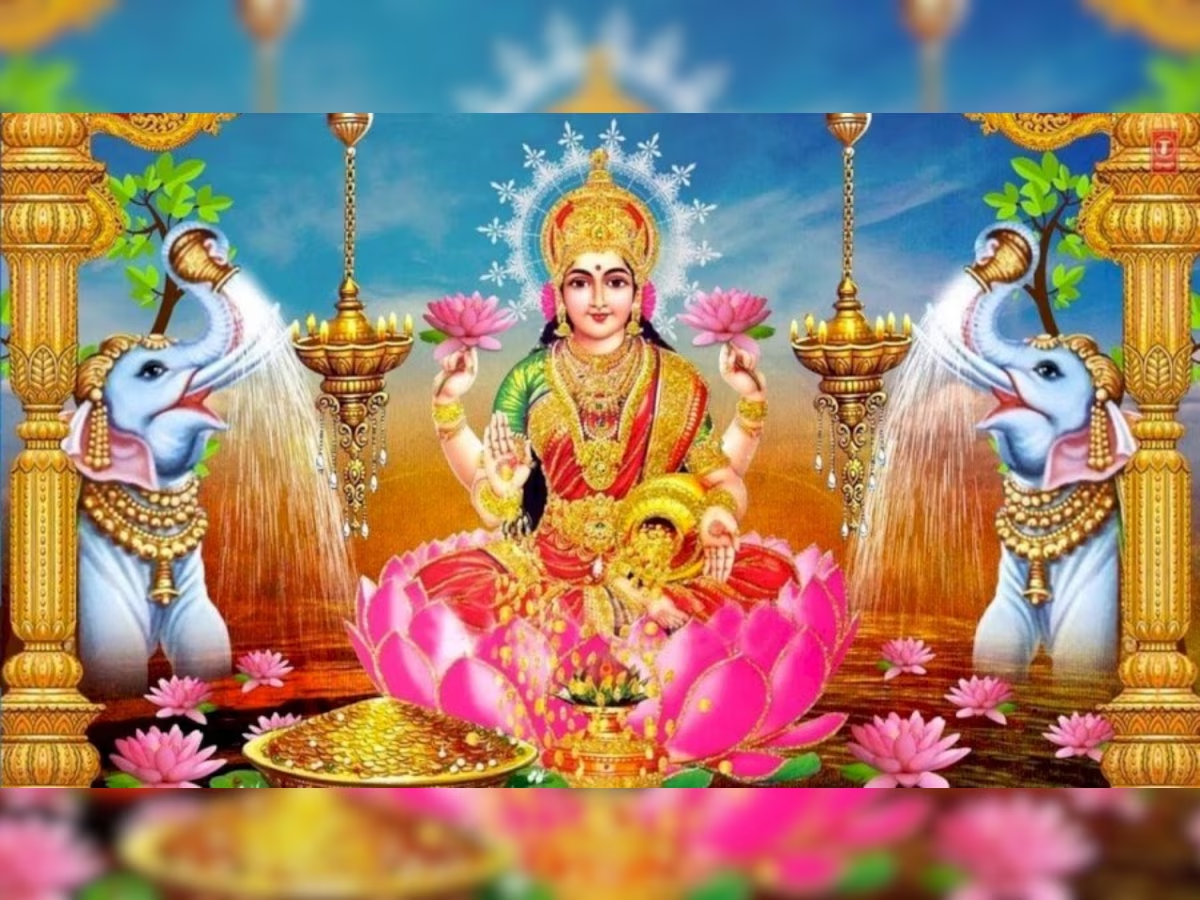
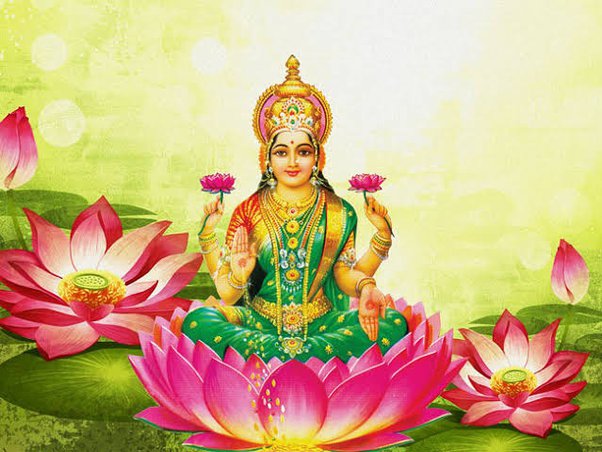
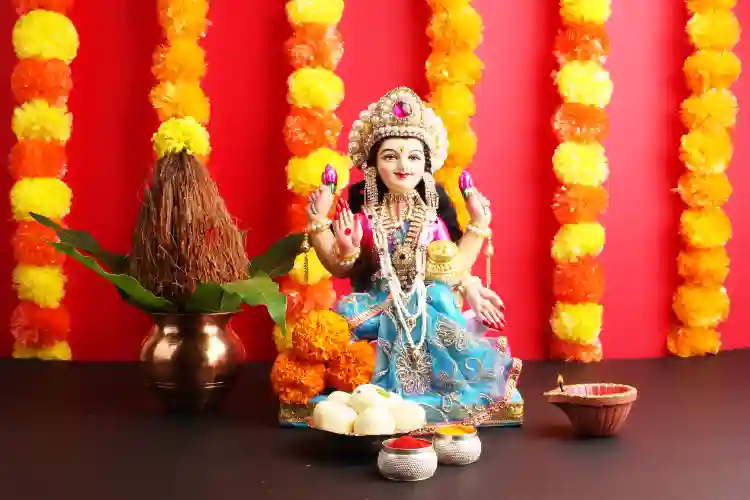
Lakshmi Puja is deeply rooted in Hindu mythology and cultural traditions. Goddess Lakshmi, the consort of Lord Vishnu, represents both material and spiritual prosperity. She is often depicted as a radiant woman adorned in red attire, sitting or standing on a lotus flower, with gold coins flowing from her hands.
The festival serves as a reminder that wealth is not only about monetary gain but also about health, happiness, and harmony. Devotees believe that performing Lakshmi Puja with devotion brings prosperity, removes financial obstacles, and invites positivity and peace into their homes.
The Timing of Lakshmi Puja
Lakshmi Puja is celebrated on the third day of Diwali, which usually falls between October and November according to the Hindu lunar calendar. This day corresponds to the Amavasya (new moon) of the Kartika month. The festival is strategically timed as the night symbolizes the triumph of light over darkness, and good over evil.
The precise timing of the puja, known as muhurat, is crucial for devotees, as it is believed that Goddess Lakshmi visits homes that are clean, illuminated, and spiritually welcoming. This night-long celebration is marked by lighting oil lamps, chanting prayers, and performing elaborate rituals to please the goddess.
Preparations for Lakshmi Puja
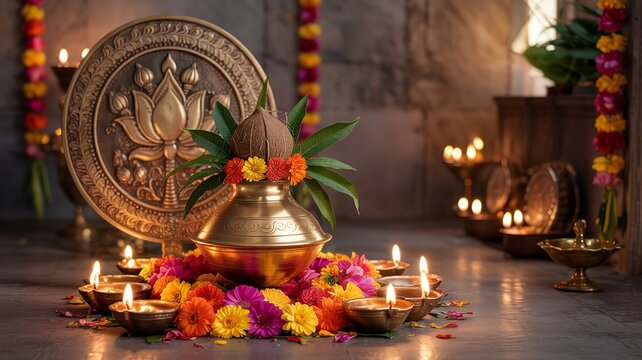
Preparations for Lakshmi Puja begin days in advance. Homes and workplaces are thoroughly cleaned and decorated to welcome Goddess Lakshmi, reflecting the belief that she only visits pure and tidy spaces.
Home Decoration
The decoration usually involves:
- Drawing colorful rangoli designs at the entrance.
- Hanging decorative torans and garlands.
- Illuminating homes with diyas (oil lamps) and electric lights.
- Arranging flowers and incense sticks for worship.
Financial Preparations
Since Lakshmi is associated with wealth, many devotees settle debts, donate to charity, and organize their finances ahead of the puja. This practice signifies the cleansing of financial negativity and the creation of a positive environment for prosperity.
Rituals
The rituals of Lakshmi Puja are extensive and symbolic, each action imbued with spiritual significance.
Invoking Goddess Lakshmi
The puja begins with invoking Lord Ganesha, the remover of obstacles, followed by Goddess Lakshmi. Devotees chant sacred mantras and hymns like Shree Suktam and Lakshmi Ashtottara Shatanamavali to invite the goddess into their homes.
Offering Prayers and Prasad
Offerings include sweets, fruits, flowers, and rice. Special attention is given to presenting gold, silver, and coins during the puja, symbolizing wealth and abundance. Devotees also prepare traditional dishes, which later become prasad (blessed food) distributed among family members and friends.
Lighting Diyas
Lighting oil lamps is an essential part of Lakshmi Puja. The diyas signify the removal of darkness and ignorance, inviting light, wisdom, and prosperity into the household. Homes illuminated with hundreds of diyas create a divine ambiance, attracting the goddess and spreading joy and warmth.
Cultural Variations
Lakshmi Puja is celebrated with regional variations across India, reflecting the diversity of cultural practices.
- West Bengal: Known as Kali Puja, it coincides with Diwali, where Goddess Kali is worshipped alongside Lakshmi.
- Maharashtra: Devotees observe Diwali Lakshmi Puja, with emphasis on accounting and financial rituals.
- Odisha: Called Bali Pratipada, people worship Goddess Lakshmi along with King Bali’s legends.
- South India: Known as Deepavali, families light rows of lamps and perform the puja at homes and temples.
These regional differences showcase the adaptability and widespread reverence of Goddess Lakshmi, emphasizing her universal significance.
Spiritual and Symbolic Importance
Beyond material wealth, Lakshmi Puja emphasizes spiritual richness and moral virtues. The goddess symbolizes purity, generosity, and inner wisdom.
- Prosperity with Dharma: True prosperity comes when wealth is earned and used ethically, aligning with the principles of dharma (righteousness).
- Harmony in Relationships: Lakshmi’s blessings foster harmony and goodwill within families and communities.
- Gratitude and Charity: The festival encourages acts of charity and kindness, reflecting gratitude for the abundance one receives.
The spiritual essence of Lakshmi Puja teaches that wealth should serve a higher purpose and be a means to uplift society rather than a mere personal gain.
Modern Celebrations and Practices
In contemporary times, Lakshmi Puja blends tradition with modern lifestyles. Families continue to perform rituals at home, while digital platforms allow virtual celebrations, spreading devotion globally.
Eco-Friendly Celebrations
Awareness of environmental concerns has led to eco-friendly celebrations:
- Using biodegradable diyas and decorations.
- Avoiding excessive fireworks to reduce pollution.
- Promoting digital invitations and minimalistic offerings.
Community Engagement
Communities organize collective pujas, cultural programs, and charitable drives, enhancing social bonds and collective spiritual experiences.
Significance of Lakshmi in Daily Life
The teachings of Goddess Lakshmi extend beyond festive rituals. Her principles guide daily life, emphasizing:
- Financial prudence and savings.
- Ethical business and professional practices.
- Maintaining cleanliness and order in living spaces.
- Fostering positive relationships and community welfare.
By integrating these values, devotees believe they invite continuous blessings and balanced prosperity, making Lakshmi Puja relevant throughout the year.
Popular Stories and Legends
Many legends explain the origin and importance of Lakshmi Puja:
- Samudra Manthan (Churning of the Ocean): Goddess Lakshmi emerged from the churning of the ocean, symbolizing the manifestation of wealth and prosperity through effort and divine blessing.
- King Harishchandra’s Legend: Known for truthfulness and devotion, King Harishchandra was blessed by Goddess Lakshmi for his unwavering dharma, highlighting the link between moral integrity and prosperity.
These stories continue to inspire devotees, emphasizing that devotion, ethics, and diligence attract blessings from the goddess.
Lakshmi Puja and Diwali Connection
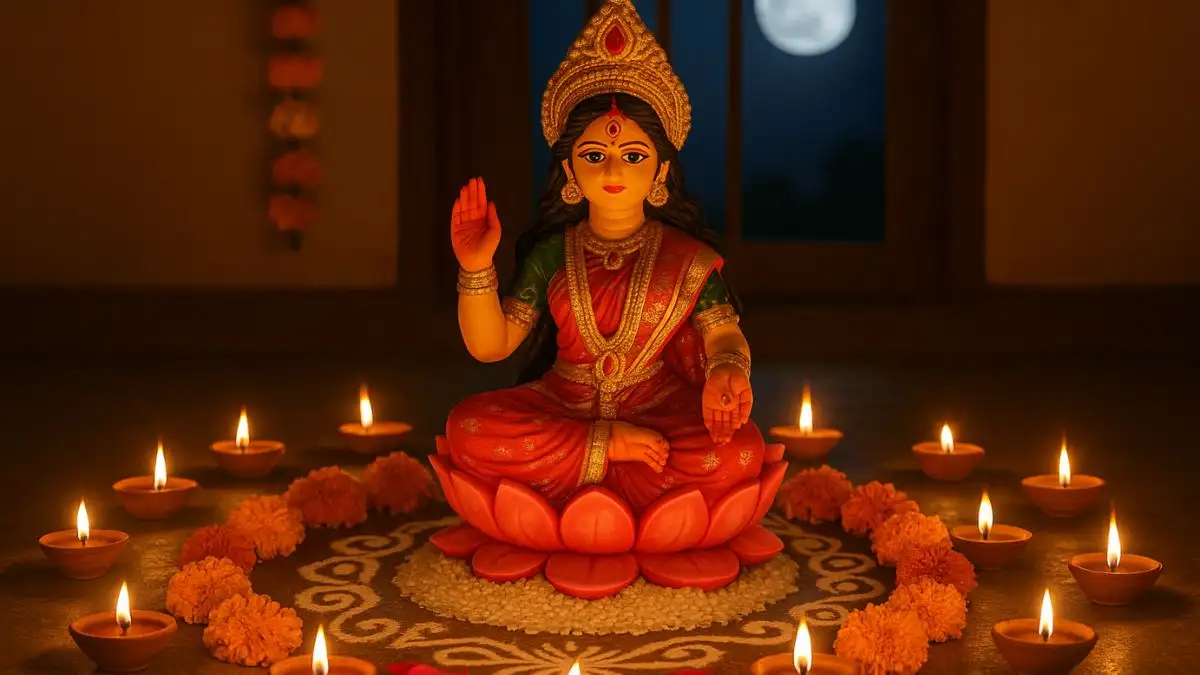
Lakshmi Puja is intricately tied to Diwali, celebrated over five days. The third day, when Lakshmi is worshipped, is the most significant. Diwali represents the victory of light over darkness, knowledge over ignorance, and good over evil. Lakshmi’s worship during Diwali reinforces the spiritual and material aspects of life, reminding devotees that true abundance encompasses both wealth and wisdom.
Preparations for Businesses and Traders
For traders, Lakshmi Puja holds special significance. Traditionally, businesses close their financial books and start the new accounting year on this auspicious day, known as Chopda Pujan in Maharashtra.
- Accounts are cleaned and audited.
- New ledgers are inaugurated with rituals.
- Prayers are offered for business growth, ethical dealings, and financial stability.
This practice highlights the integration of spirituality and commerce, showing how devotion can guide professional success.
Folk Practices and Regional Rituals
In rural areas, Lakshmi Puja is often accompanied by local customs and folk performances:
- Singing devotional songs and hymns in praise of the goddess.
- Performing traditional dances to mark the arrival of prosperity.
- Offering homemade sweets and delicacies to neighbors and community members.
These practices strengthen cultural identity, preserve traditions, and create a sense of community.
Role of Family in Lakshmi Puja
Family participation is central to Lakshmi Puja. Elders guide rituals, while children learn about cultural heritage, mythology, and ethical values. The puja fosters family unity, mutual respect, and collective spiritual growth. Preparing meals, decorating the house, and performing rituals together enhances bonding and creates lasting memories.
Common Misconceptions about Lakshmi Puja
Despite its popularity, some misconceptions surround Lakshmi Puja:
- It is not merely about acquiring wealth; it is about earning it righteously and using it wisely.
- Rituals are not empty formalities; each act has symbolic meaning.
- The festival is not restricted to Hindus; anyone seeking prosperity and positivity can participate respectfully.
Understanding the true essence of Lakshmi Puja ensures meaningful participation rather than superficial celebration.
Prayers and Mantras for Lakshmi Puja
Reciting mantras during Lakshmi Puja is believed to invoke the goddess’s blessings. Some popular ones include:
- Om Shreem Maha Lakshmiyei Namaha – to attract abundance and prosperity.
- Shree Suktam – a Vedic hymn praising the goddess and her virtues.
Chanting these mantras with devotion and focus is said to create positive vibrations, purify the environment, and attract spiritual and material wealth.
Lakshmi Puja Across the World
With the Indian diaspora, Lakshmi Puja has gained global recognition. Communities in the USA, UK, Canada, Singapore, and other countries celebrate it with grandeur, sharing the cultural heritage and spiritual values of the festival. Temples abroad organize public pujas, cultural programs, and workshops to educate younger generations about the significance of Goddess Lakshmi and Diwali.
Conclusion
Lakshmi Puja is not just a festival of lights and wealth; it is a celebration of life, ethical prosperity, and spiritual growth. By performing rituals with sincerity, maintaining ethical living, and fostering harmony and charity, devotees embody the true essence of the goddess’s blessings. The festival transcends materialism, teaching that true abundance lies in wisdom, virtue, and the love shared within families and communities.
FAQs about Lakshmi Puja
Q1: What is Lakshmi Puja?
A1: Lakshmi Puja is a Hindu festival dedicated to Goddess Lakshmi, celebrating wealth, prosperity, and spiritual growth, typically during Diwali.
Q2: When is Lakshmi Puja celebrated?
A2: Lakshmi Puja is observed on the third day of Diwali, which falls on the Amavasya (new moon) of the Hindu month of Kartika.
Q3: What are the main rituals of Lakshmi Puja?
A3: Key rituals include invoking Goddess Lakshmi, offering prayers and prasad, lighting diyas, decorating homes, and chanting sacred mantras.
Q4: Why is Lakshmi Puja important for businesses?
A4: Traders and business owners perform Lakshmi Puja to seek blessings for financial stability, growth, and ethical business practices.
Q5: What are the mantras used in Lakshmi Puja?
A5: Popular mantras include Om Shreem Maha Lakshmiyei Namaha and reciting Shree Suktam to invoke prosperity and positive energy.
Q6: How can I celebrate Lakshmi Puja in an eco-friendly way?
A6: Use biodegradable diyas and decorations, avoid excessive fireworks, and focus on donations and charity to minimize environmental impact.