


Raas Mahotsav of Majuli: History and Cultural Importance

Introduction
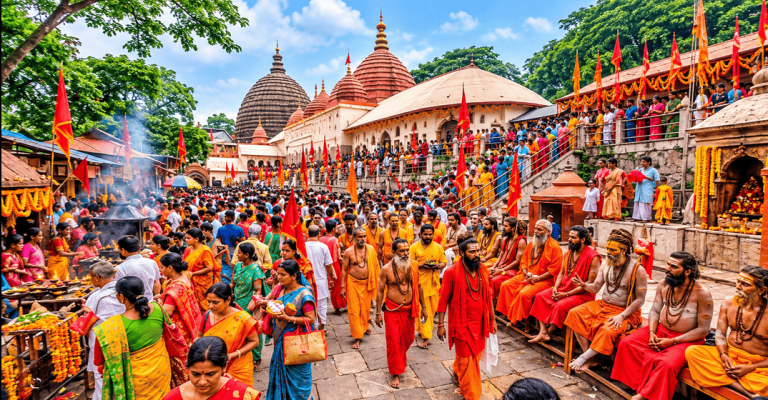
Raas Mahotsav of Majuli is one of the most important religious and cultural festivals of Assam. Celebrated mainly during October and November, the festival brings together devotion, traditional dance, music, drama and Assamese craftsmanship. It is dedicated to Lord Krishna and presents different stages of his life through traditional performances known as Raas Leela.
Majuli, situated in the mighty Brahmaputra River, is widely known for its Vaishnavite monasteries, locally called Satras. These institutions have played an important role in preserving Assamese religious traditions, literature, music, dance and theatre for centuries.

During Raas Mahotsav, the Satras and surrounding villages become centres of cultural activities. Artists, monks, devotees and visitors gather to witness the dramatic presentation of Krishna’s childhood, his activities in Vrindavan and his divine relationship with the Gopis.
However, Raas Mahotsav is much more than a religious celebration. It represents the historical influence of the Neo-Vaishnavite movement in Assam and demonstrates how art and religion can preserve a community’s identity. The festival also supports local tourism, traditional occupations and cultural education.
What Is Raas Mahotsav?
The word Raas refers to Raas Leela, the divine dance of Lord Krishna with the Gopis of Vrindavan. The word Mahotsav means a grand celebration or festival.
Raas Mahotsav is an annual celebration in which the stories of Lord Krishna are presented through dance, music, drama and devotional activities. The performances are inspired by the Bhagavata Purana and other Vaishnavite traditions.
In Majuli, the festival has a special connection with the Satras. These monasteries organise traditional performances in which artists portray different characters from Krishna’s life.
The festival generally takes place on the full moon night of the Hindu lunar month of Kartik, around October or November. The exact dates and duration depend on the lunar calendar and local traditions.
The celebration usually continues for several days, attracting thousands of devotees and tourists to Majuli.
Historical Background of Raas Mahotsav
The historical development of Raas Mahotsav is closely connected with the Bhakti movement and the spread of Neo-Vaishnavism in Assam during the fifteenth and sixteenth centuries.
Influence of Srimanta Sankardeva
Srimanta Sankardeva (1449–1568) was one of the most influential religious and cultural personalities in Assamese history.
He popularised the Neo-Vaishnavite movement in Assam, which emphasised devotion to one supreme God, particularly Lord Vishnu and Krishna. His teachings encouraged people to follow a path of devotion through prayer, devotional songs, religious discussions and community participation.
His religious philosophy became known as Ekasarana Naam Dharma. It gave importance to chanting the name of God, listening to religious teachings and developing a strong sense of devotion.
Sankardeva used different forms of art to communicate religious ideas to ordinary people. These included:
- Borgeet: Devotional songs composed by Sankardeva and Madhavdeva.
- Ankiya Naat: Traditional one-act religious plays.
- Bhaona: The theatrical presentation of religious stories.
- Sattriya: A dance and performance tradition developed within the Vaishnavite institutions.
- Naam-Kirtan: Collective devotional singing and chanting.
These traditions created the cultural foundation on which festivals such as Raas Mahotsav developed.
Role of Madhavdeva
Madhavdeva was the chief disciple of Srimanta Sankardeva and played an important role in spreading Neo-Vaishnavism throughout Assam.
He contributed to Assamese devotional literature, music and religious performances. His compositions and theatrical works helped strengthen the cultural traditions established by Sankardeva.
Together, Sankardeva and Madhavdeva influenced the development of the Satra system, which became an important centre of religious learning and artistic activities in Assam.
Origin and Development of Raas Leela in Majuli
The exact historical beginning of Raas Leela as a performing festival in Majuli is not completely established.
According to the account published by Assam Tourism, the Raas tradition began at Sri Sri Dakhinpat Satra more than 300 years ago. The tradition is associated with Basudev Goswami, the tenth Satradhikar of Dakhinpat Satra.
According to local tradition, he received a divine instruction in a dream to organise worship dedicated to Lord Krishna during Raas Purnima. The religious observance gradually developed theatrical elements to present Krishna’s life to devotees.
Over time, different Satras developed their own methods of presenting Raas Leela. The performances became an important part of Majuli’s religious and cultural identity.
It is important to note that the Majuli District Administration also states that the exact Satra where Raas Leela was first introduced as a performing festival is uncertain. Therefore, the Dakhinpat Satra account is best understood as a widely recorded local tradition rather than an absolutely established historical date. assamtourism.
Why Is Majuli Important for Raas Mahotsav?
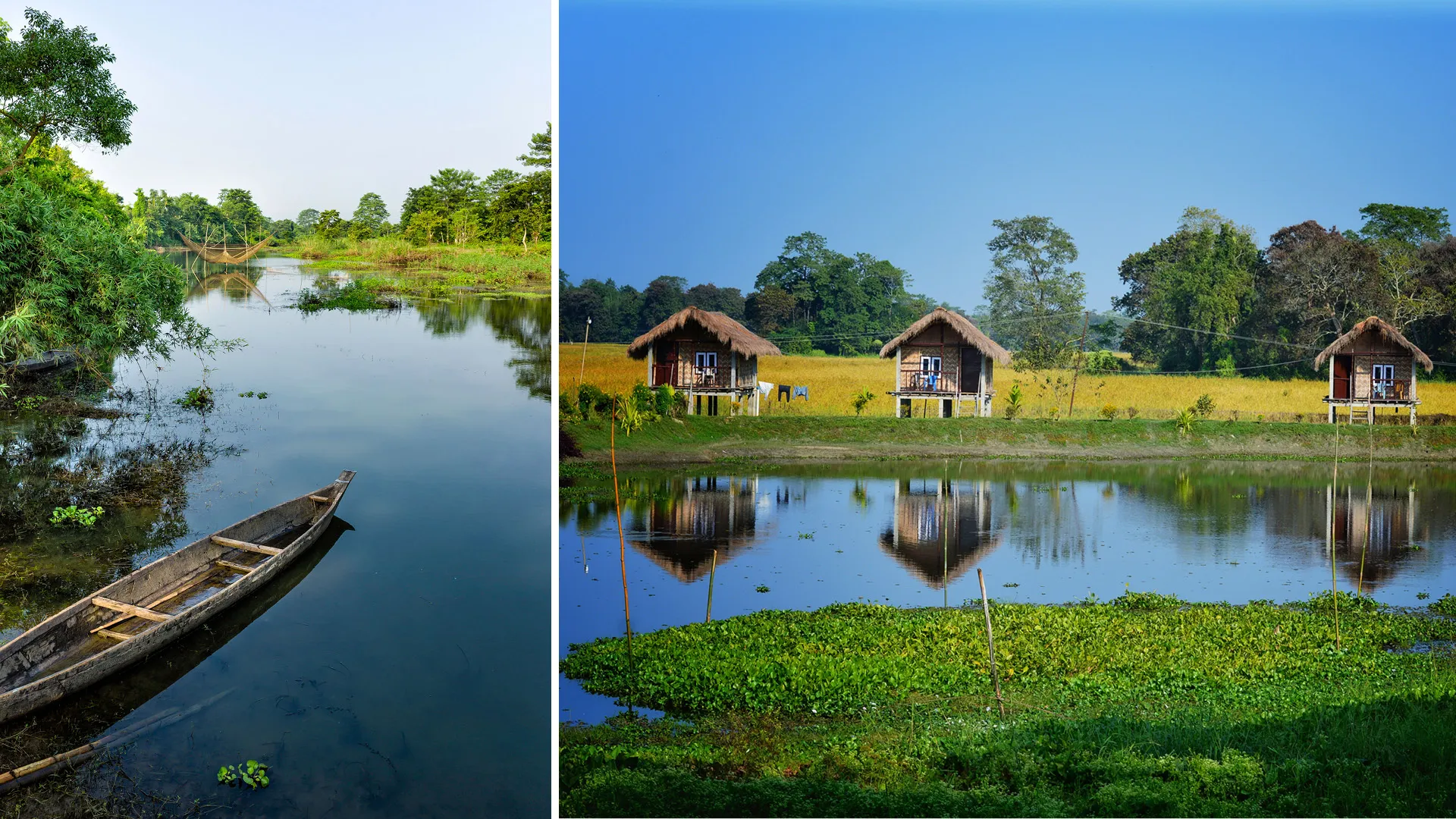
Majuli is one of the most important centres of Assamese Neo-Vaishnavite culture. Located in the Brahmaputra River, it has preserved centuries-old traditions of religious learning, dance, music, theatre and handicrafts.
The island is recognised as one of the world’s largest inhabited river islands and is an important destination for cultural tourism.
The Satras established and developed under the Neo-Vaishnavite tradition have played a major role in maintaining Majuli’s cultural identity.
According to the Assam Department of Tourism, Majuli once had around 65 Satras, but only 22 remain on the island today. Several institutions had to relocate because of floods and riverbank erosion.
Some of the important Satras associated with Majuli’s cultural heritage are:
| Satra | Cultural importance |
|---|---|
| Dakhinpat Satra | Famous for its traditional Raas Leela celebrations. |
| Auniati Satra | Known for Paalnaam, Apsara dance and historical artefacts. |
| Garamur Satra | An important centre of Raas Leela and Sattriya traditions. |
| Kamalabari Satra | A centre of art, literature, classical studies and performing arts. |
| Samaguri Satra | Famous for traditional mask-making, known as Mukha Shilpa. |
| Bengenaati Satra | Known for its historical collections and performing arts. |
These institutions are not simply places of worship. They also function as centres of education, artistic training and cultural preservation.
Major Satras Associated with Raas Mahotsav
Dakhinpat Satra
Dakhinpat Satra is one of the most important religious institutions in Majuli. It is widely associated with the development of Raas Leela performances in Assam.
The Satra organises Raas celebrations with traditional religious rituals and theatrical presentations. Its performances portray different episodes from the life of Lord Krishna.
The Satra attracts large numbers of devotees and visitors during the festival.
Garamur Satra
Garamur Satra is another major cultural centre of Majuli. It is known for its traditional Raas Leela performances and Sattriya-related activities.
The Satra has also preserved important historical objects, including traditional weapons and manuscripts.
Samaguri Satra
Samaguri Satra is particularly famous for its traditional mask-making art, known as Mukha Shilpa.
Artisans prepare masks representing characters from Hindu mythology, including gods, demons and animals. These masks are used in traditional Bhaona performances.
This art form is an important part of Majuli’s cultural heritage and adds a distinctive visual element to Raas celebrations.
Auniati and Kamalabari Satras
Auniati Satra is famous for Paalnaam, devotional singing and its collection of historical Assamese artefacts.
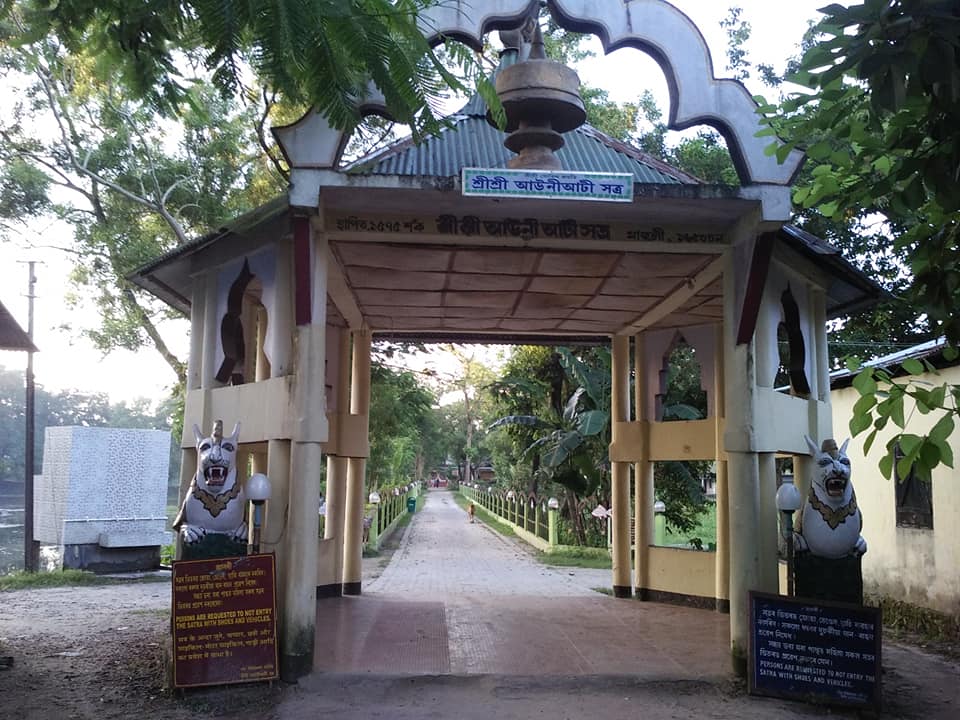
Kamalabari Satra has contributed significantly to the development of Assamese literature, music, dance and traditional artistic practices. Its branch, Uttar Kamalabari Satra, has helped introduce Sattriya performances to audiences outside Assam.
When Is Raas Mahotsav Celebrated?
Raas Mahotsav is generally celebrated during the full moon of the Hindu lunar month of Kartik, which usually falls in October or November.
The festival is associated with Raas Purnima, the full moon night traditionally connected with Lord Krishna’s Raas Leela.
| Particulars | Details |
|---|---|
| Festival | Raas Mahotsav |
| Main location | Majuli, Assam |
| Religious association | Lord Krishna |
| Main occasion | Raas Purnima |
| Hindu lunar month | Kartik |
| Usual period | October–November |
| Main activities | Raas Leela, Bhaona, dance, music and devotional prayers |
| Main organisers | Satras and local cultural committees |
The duration and programme schedule can vary between Satras and other organising communities.
How Is Raas Mahotsav Celebrated?
Raas Mahotsav combines religious rituals with traditional artistic performances. Different Satras follow their own customs, but the central theme remains the life and divine activities of Lord Krishna.
Raas Leela Performances
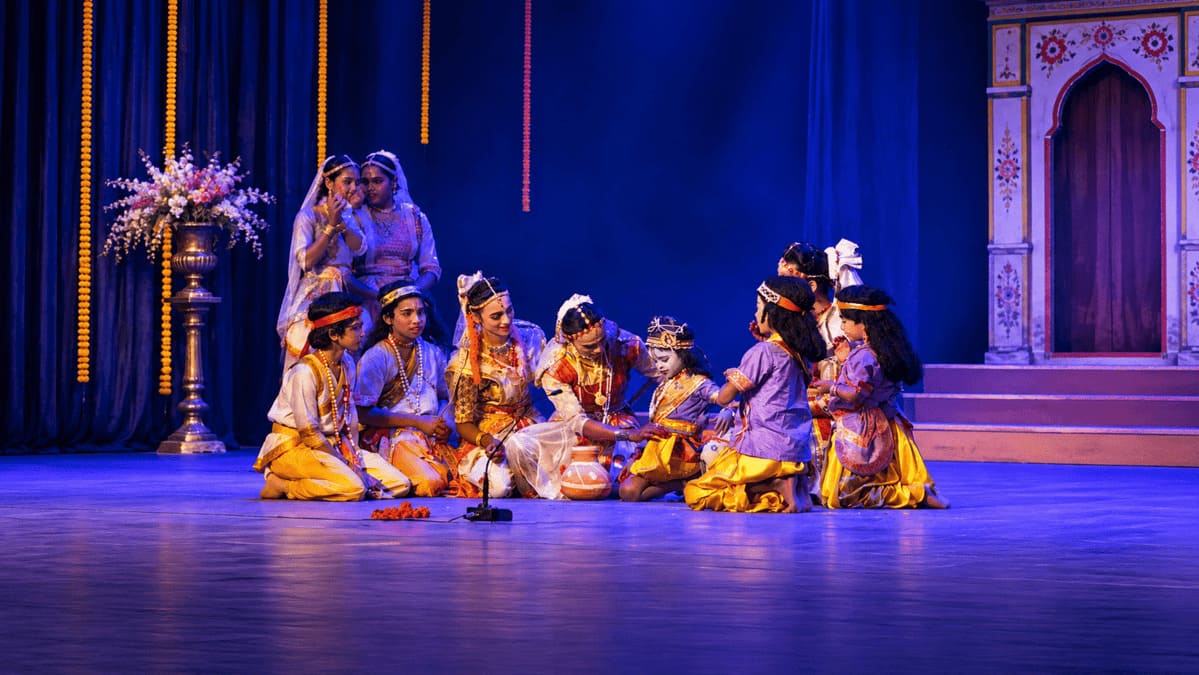
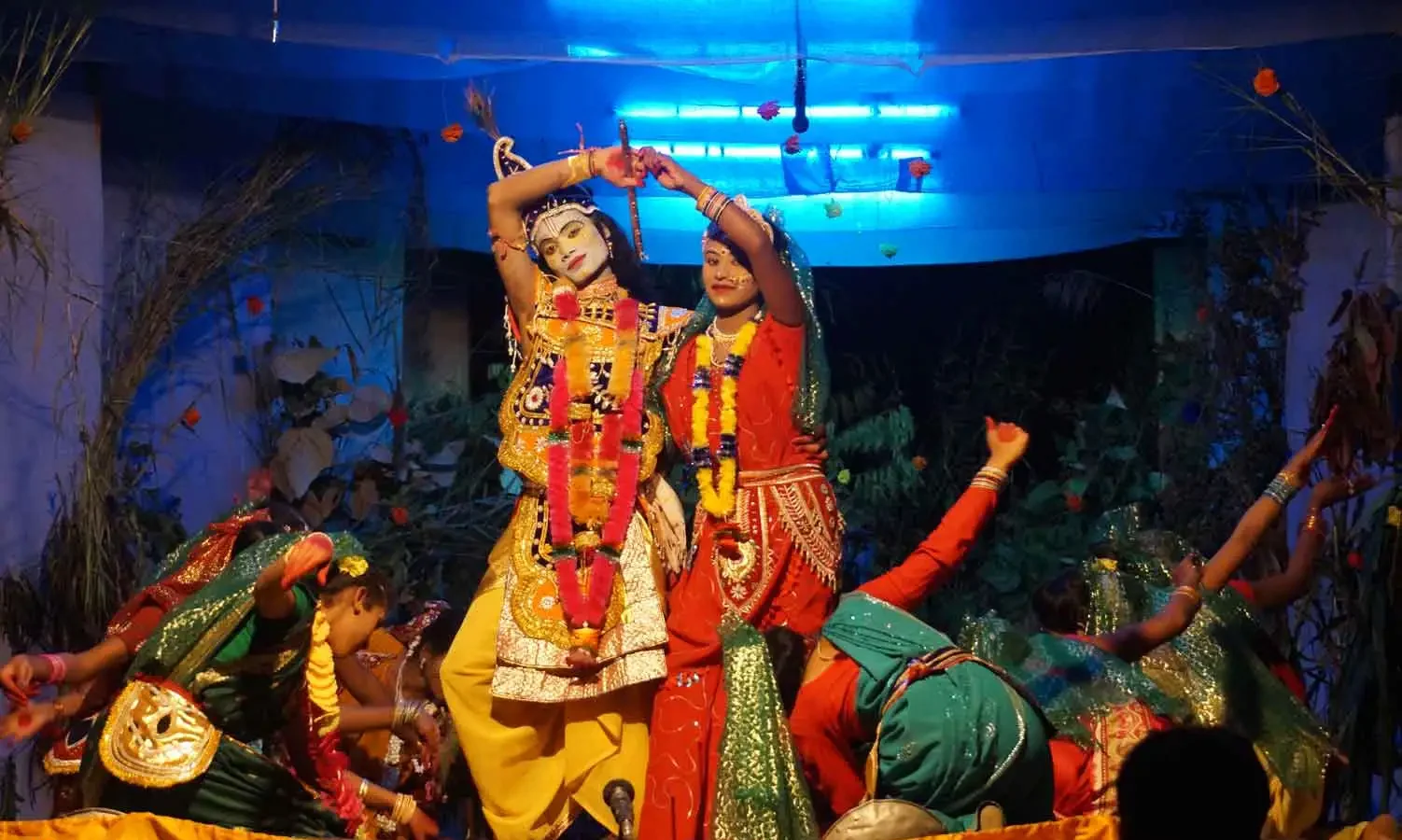
Raas Leela is the main attraction of the festival. It presents the divine relationship between Lord Krishna and the Gopis of Vrindavan.
The performances also portray important episodes from Krishna’s childhood, including his birth, childhood activities, protection of the people of Gokul and victory over evil forces.
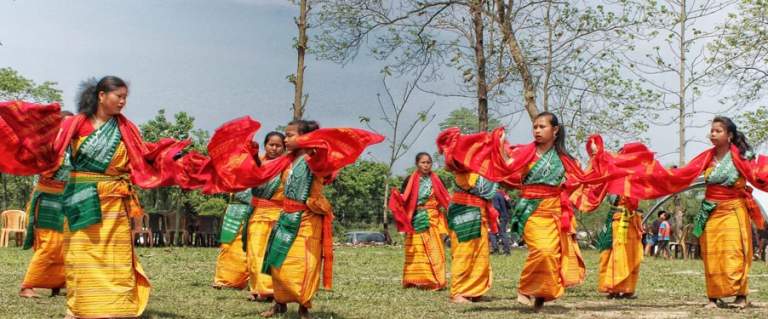
Artists use traditional costumes, music, dance and dramatic expressions to bring these stories to life.
Bhaona and Religious Theatre
Bhaona is a traditional Assamese theatrical form associated with Srimanta Sankardeva.
It presents religious stories through acting, dialogue, music, dance and dramatic narration. The plays are based on devotional literature and mythological themes.
Ankiya Naat, the one-act plays introduced by Sankardeva, form an important foundation of this theatrical tradition.
Bhaona performances help communicate religious and moral lessons to audiences through an engaging artistic medium.
Sattriya Dance and Traditional Music
Sattriya is one of India’s recognised classical dance forms. It developed within the Vaishnavite Satras of Assam and is closely associated with the teachings of Srimanta Sankardeva.
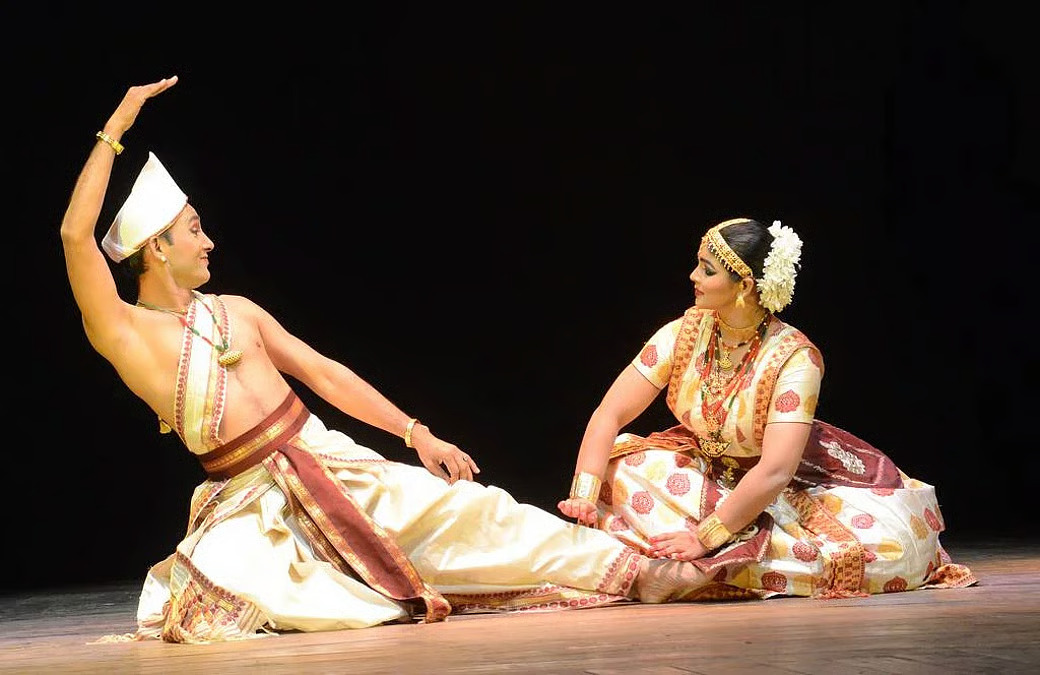
The dance uses expressive hand gestures, body movements, facial expressions and traditional musical compositions to present religious themes.
The Sattriya tradition received recognition as a classical dance form in 2000. The Sangeet Natak Akademi continues to support its preservation through dedicated cultural activities and training initiatives.
Traditional musical elements associated with the festival include:
- Borgeet: Devotional songs.
- Khol: A traditional two-headed drum.
- Taal: Traditional cymbals used to maintain rhythm.
- Flute: An instrument associated with Lord Krishna.
- Naam-Kirtan: Collective devotional singing.
Naam-Prasanga and Devotional Activities
Naam-Prasanga is an important part of Assamese Vaishnavite religious life.
During Raas Mahotsav, devotees gather in prayer halls and Satras to sing devotional songs, chant the names of Lord Krishna and participate in religious discussions.
These activities create a spiritual atmosphere and strengthen the connection between the festival and the teachings of Neo-Vaishnavism.
Traditional Masks and Costumes
Traditional masks are another important attraction of Majuli’s cultural celebrations.
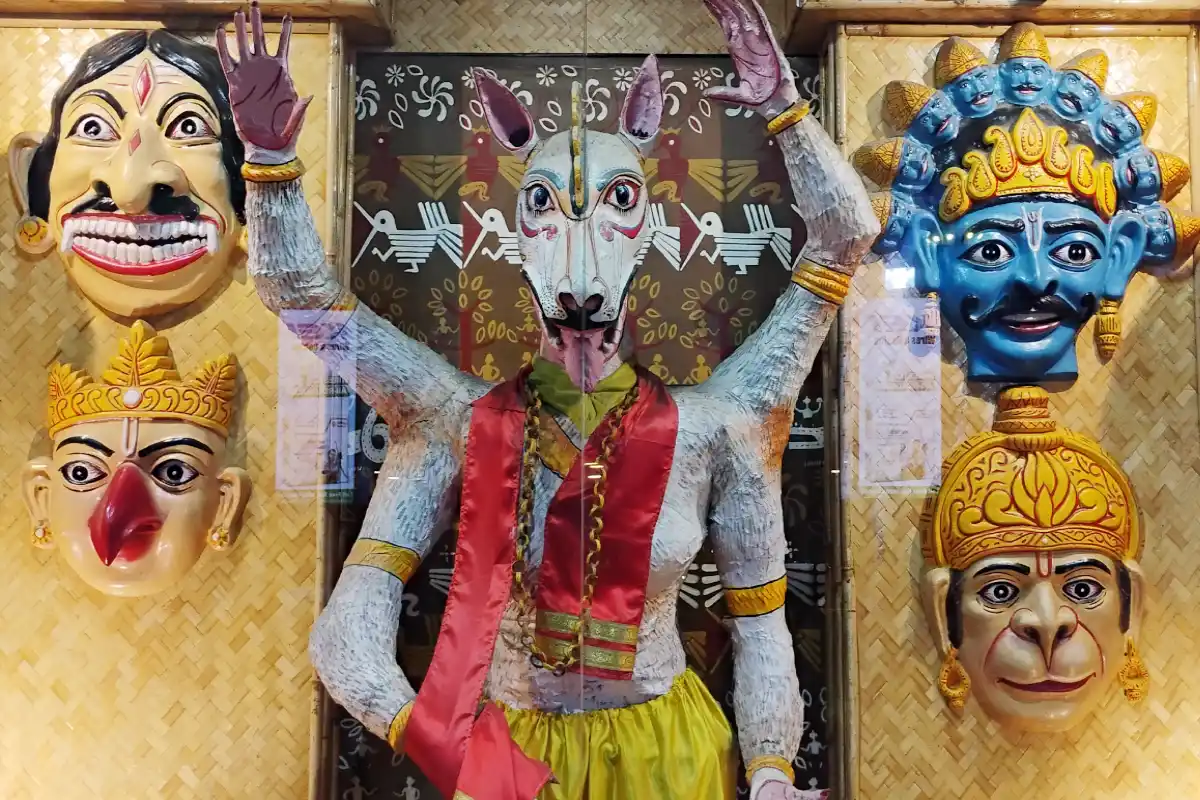
The mask-making tradition, known as Mukha Shilpa, is especially associated with Samaguri Satra. Artisans prepare masks using materials such as bamboo, cloth, clay and natural colours.
The masks represent different mythological characters and help performers portray their roles in Bhaona.
Costumes, ornaments and stage decorations also contribute to the traditional appearance of the performances.
Fairs, Exhibitions and Community Celebrations
Alongside religious programmes, several locations organise cultural fairs and exhibitions.
Visitors can explore traditional Assamese handicrafts, handwoven textiles, pottery, bamboo products, local food and other handmade items.
Local artists and performers also get opportunities to present their skills to a wider audience.
Cultural and Religious Importance of Raas Mahotsav
Raas Mahotsav has a special place in Assamese society because it connects religious beliefs with artistic traditions and community participation.
Its importance can be understood through several cultural and social aspects.
Preservation of Neo-Vaishnavite Tradition
The festival helps preserve the religious philosophy introduced by Srimanta Sankardeva.
Through Raas Leela, Bhaona, Borgeet and Naam-Kirtan, the teachings of Neo-Vaishnavism continue to reach new generations.
It also highlights the contribution of Satras in spreading religious education and maintaining Assamese cultural traditions.
Preservation of Assamese Art and Literature
Raas Mahotsav provides an important platform for traditional Assamese art forms.
Dance, music, drama, mask-making, costume design and storytelling are presented during the celebrations.
These traditions are passed from experienced artists and teachers to younger generations.
Promotion of Social Harmony
The festival encourages community participation. People contribute as performers, organisers, volunteers, artisans, musicians and visitors.
The shared activities create opportunities for cooperation and cultural exchange among different communities.
Although the festival is rooted in Vaishnavite religious traditions, its cultural celebrations attract visitors from different backgrounds.
Promotion of Assamese Identity
Majuli’s Raas Mahotsav represents an important part of Assam’s cultural identity.
It showcases the state’s historical connection with the Bhakti movement and highlights the contributions of Sankardeva, Madhavdeva and the Satra institutions.
The festival also introduces Assamese cultural traditions to visitors from other Indian states and foreign countries.
Important Places Where Raas Mahotsav Is Celebrated in Assam
Although Majuli is one of the most important centres of Raas Mahotsav, the festival is celebrated in several other parts of Assam.
| Location | Special features |
|---|---|
| Majuli | Traditional Raas Leela performances organised by different Satras. |
| Nalbari | Famous for its large Raas festival, fair and cultural programmes at Hari Mandir. |
| Barpeta | Known for its Vaishnavite traditions, Satras and devotional activities. |
| Nagaon | Celebrations include traditional theatre and community programmes. |
| Sivasagar | Religious and cultural celebrations influenced by the region’s historical traditions. |
| Dibrugarh | Hosts devotional and cultural performances. |
| Tezpur | Local cultural programmes and religious celebrations. |
| Jorhat | Traditional devotional music and cultural activities. |
Nalbari Raas Mahotsav is particularly popular for its large fair and public celebrations. Unlike the Satra-centred traditions of Majuli, the Nalbari festival is widely known for its elaborate public displays, cultural activities and festive atmosphere.
Assam Tourism identifies Majuli and Nalbari as important destinations for Raas celebrations. assamtourism.
Economic Importance and Tourism Impact
Raas Mahotsav contributes to the local economy by attracting visitors and creating opportunities for small businesses.
During the festival, Majuli receives devotees, cultural researchers, photographers, students and domestic and international tourists.
The increased movement of visitors benefits several local occupations.
Growth of Cultural Tourism
Raas Mahotsav helps establish Majuli as an important destination for cultural tourism.
Visitors get an opportunity to explore traditional Satras, experience Assamese religious practices and understand the history of Neo-Vaishnavism.
The festival also encourages visitors to explore other attractions, including traditional villages, pottery centres, mask-making workshops and natural landscapes.
Employment Opportunities
The festival creates temporary employment for people working in transportation, accommodation, food services, event management and local markets.
Performers, musicians, artisans, vendors and other service providers also benefit from the increase in visitors.
Support for Local Handicrafts
Majuli is famous for its traditional masks, pottery, bamboo products and handloom traditions.
Raas Mahotsav gives local artisans opportunities to display and sell their products.
This helps maintain traditional skills while supporting the livelihoods of craft workers.
Community Participation
Local residents play an important role in organising the festival.
Families, cultural organisations, Satras and local committees work together to welcome visitors, arrange performances and manage different activities.
This community-based approach strengthens cooperation and encourages local participation in tourism development.
Challenges in Preserving Raas Mahotsav
Despite its cultural importance, Raas Mahotsav faces several challenges that require attention from the government, cultural organisations and local communities.
Riverbank Erosion and Floods
Majuli faces recurring floods and severe riverbank erosion caused by the Brahmaputra and its tributaries.
These environmental problems threaten villages, agricultural land, Satras and cultural spaces. The relocation of several Satras over the years demonstrates the impact of these natural challenges.
Protecting Majuli’s cultural heritage therefore requires both environmental conservation and the preservation of historical institutions.
Commercialisation of the Festival
The growing popularity of Raas Mahotsav has increased commercial activities around the celebrations.
Large fairs, entertainment programmes and commercial events can sometimes shift attention away from the festival’s original religious and cultural purpose.
A balance between tourism development and traditional practices is necessary.
Declining Interest Among Younger Generations
Traditional mask-making, devotional music, theatre and other artistic practices require years of training.
However, changing lifestyles and limited economic opportunities can discourage younger generations from learning these skills.
Cultural education, workshops and financial support for traditional artists can help address this problem.
Infrastructure and Tourism Facilities
Majuli requires better transportation, accommodation, sanitation, visitor management and heritage conservation facilities.
Improving these facilities can make the festival more accessible while protecting its traditional character.
Government Initiatives and Heritage Recognition
The preservation of Raas Mahotsav is closely connected with the conservation of Majuli’s cultural landscape and Satra institutions.
Different government departments and cultural organisations contribute to the protection and promotion of these traditions.
Assam Tourism Development Corporation
The Assam tourism system promotes Majuli as an important cultural tourism destination.
Tourism promotion activities help attract visitors to the island and introduce them to its religious institutions, traditional performances and handicrafts.
Majuli Cultural Landscape Management Authority
The Majuli Cultural Landscape Region Act, 2006, provides for the establishment of the Majuli Cultural Landscape Management Authority.
The legislation provides an institutional framework for the protection and management of the cultural landscape, including the historical Satras and their surrounding areas.
UNESCO and Majuli’s Heritage Status
Majuli was included in UNESCO’s World Heritage Tentative List on 2 March 2004 under the title River Island of Majuli in Midstream of Brahmaputra River in Assam.
The nomination was considered by the World Heritage Committee in 2006 and again in 2008. However, the 2008 examination was deferred, with UNESCO requesting further documentation, including an inventory of the surviving Satras and an assessment of environmental threats.
Therefore, Majuli’s inclusion in the Tentative List should not be confused with inscription as a UNESCO World Heritage Site.
Recognition of Sattriya Dance
Sattriya received recognition as one of India’s classical dance forms in 2000.
The Sangeet Natak Akademi has supported its preservation through training, documentation, research and cultural programmes.
This recognition has helped increase national and international awareness of Assam’s traditional performing arts. sangeetnatak.
Contemporary Relevance of Raas Mahotsav
Raas Mahotsav continues to remain relevant in modern Assamese society.
Its importance goes beyond religious celebrations and provides valuable lessons about cultural preservation, community participation and sustainable tourism.
Cultural Education: The festival introduces younger generations to Assamese history, traditional literature, music, dance and theatre.
Heritage Conservation: It highlights the importance of protecting Satras, traditional performances, manuscripts, masks and other cultural resources.
Cultural Exchange: Visitors from different regions get opportunities to understand Assamese traditions and interact with local communities.
Rural Development: Tourism and handicraft sales create economic opportunities for people living in and around Majuli.
Social Harmony: Collective participation encourages cooperation, mutual respect and stronger community relationships.
The festival also demonstrates how traditional art forms can communicate moral and spiritual values through storytelling, music and performance.
Conclusion
Raas Mahotsav of Majuli is one of the finest examples of Assam’s rich religious and cultural heritage. Developed within the historical traditions of Neo-Vaishnavism, the festival brings together devotion, dance, music, theatre and traditional craftsmanship.
The contributions of Srimanta Sankardeva and Madhavdeva, along with the work of different Satras, have helped preserve these traditions for generations. Today, Raas Mahotsav is not only an important religious celebration but also a major platform for cultural education, tourism and local economic development.
However, environmental threats, riverbank erosion, commercialisation and the declining transmission of traditional skills require serious attention.
Protecting Raas Mahotsav means protecting an important part of Assam’s cultural identity. Through community participation, responsible tourism and continued support for traditional artists, this centuries-old celebration can remain an important part of Assam’s heritage for future generations.
Frequently Asked Questions (FAQs)
What is Raas Mahotsav of Majuli?
Raas Mahotsav is an annual religious and cultural festival dedicated to Lord Krishna. It is celebrated through Raas Leela, traditional dance, music, Bhaona and devotional activities.
When is Raas Mahotsav celebrated in Majuli?
It is generally celebrated during Kartik Purnima, usually in October or November.
Who popularised Neo-Vaishnavism in Assam?
Srimanta Sankardeva popularised the Neo-Vaishnavite movement in Assam during the fifteenth and sixteenth centuries. Madhavdeva played an important role in spreading his teachings.
Which Satra is associated with the origin of Raas Leela in Majuli?
Dakhinpat Satra is widely associated with the early development of Raas Leela as a performing tradition. However, the exact first Satra is not historically certain.
Which Satra is famous for mask-making?
Samaguri Satra in Majuli is famous for its traditional mask-making art, known as Mukha Shilpa.
Is Majuli a UNESCO World Heritage Site?
No. Majuli was included in UNESCO’s World Heritage Tentative List in 2004, but it has not been inscribed as a World Heritage Site.