


Ambubachi Mela: History and Significance of Assam’s Sacred Festival

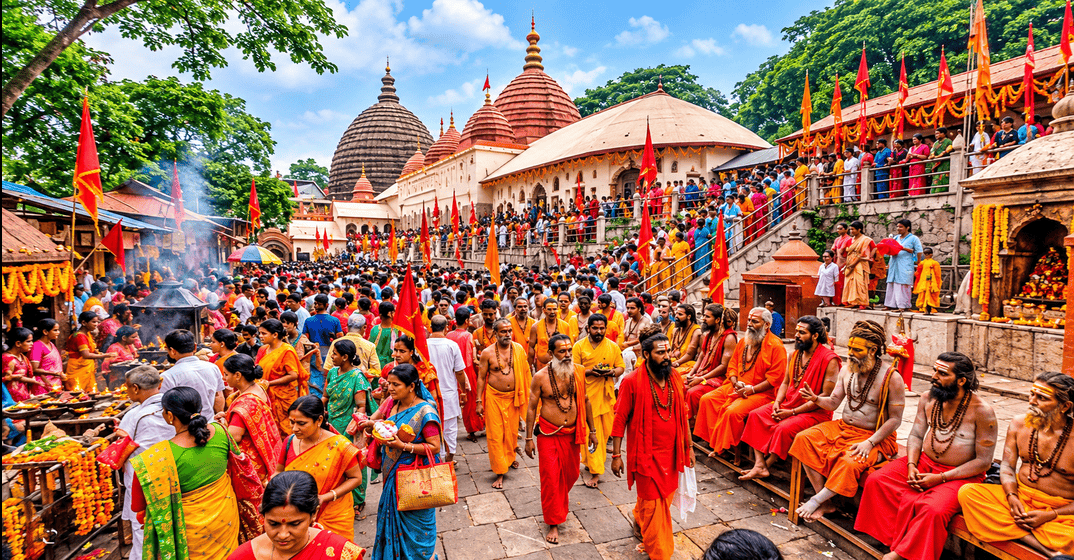
Ambubachi Mela: History and Significance is an important topic in understanding the religious traditions, cultural heritage, and spiritual identity of Assam. Celebrated every year at the famous Kamakhya Temple on Nilachal Hill in Guwahati, Ambubachi Mela is one of the most unique religious festivals in India. It attracts thousands of devotees, sadhus, tantric practitioners, pilgrims, and tourists from different parts of the country.
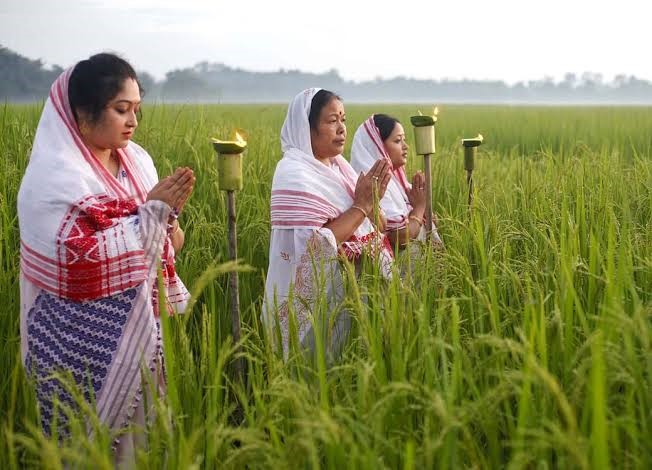
The festival is closely connected with the annual menstruation of Goddess Kamakhya, who represents the divine feminine power and fertility. Unlike many other religious celebrations, Ambubachi Mela recognises menstruation as a sacred natural process and connects it with the fertility of Mother Earth.

Celebrated during the monsoon season, usually around 21 or 22 June, the festival represents the relationship between nature, fertility, womanhood, and spiritual energy. It is not only an important religious occasion but also a major cultural event that highlights Assam’s rich traditions and beliefs.
What is Ambubachi Mela?
Ambubachi Mela is an annual religious festival celebrated at the Kamakhya Temple, situated on Nilachal Hill in Guwahati, Assam. It is dedicated to Goddess Kamakhya, one of the most important forms of Goddess Shakti in Hinduism.
According to religious belief, Goddess Kamakhya undergoes her annual menstrual cycle during this period. Devotees believe that Mother Earth also experiences a period of fertility and regeneration during the monsoon season.
The word Ambubachi is associated with the Sanskrit term Ambuvaci. The word Ambu means water, while Vaci or Bachi is associated with flowing or becoming fertile. The festival is traditionally connected with the fertility of the Earth and the arrival of the monsoon.
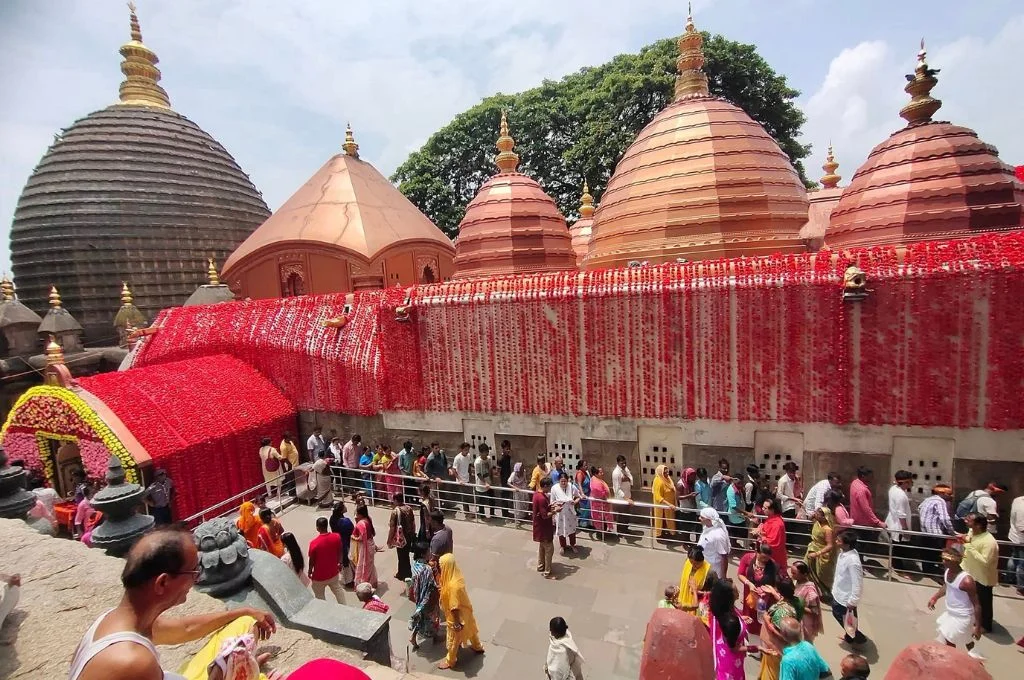
Ambubachi Mela is also locally known as Amoti or Ameti. It is considered one of the largest religious gatherings in Northeast India.
History of Ambubachi Mela
The history of Ambubachi Mela is closely connected with the ancient religious traditions of Kamakhya Temple. The temple is believed to be one of the most important Shakti Peethas in India and has been associated with Shakti worship and Tantric traditions for centuries.
The exact beginning of Ambubachi Mela is difficult to establish because the festival developed through religious beliefs, oral traditions, and ancient practices. However, the worship of Goddess Kamakhya has deep historical roots in the ancient region of Kamarupa, which is now part of Assam.
Ancient religious texts such as the Kalika Purana and Yogini Tantra contain important references to Kamakhya and the religious traditions associated with Nilachal Hill.
The temple became an important centre of Shakti worship and Tantric practices. Over time, Ambubachi Mela developed into a major annual religious gathering where devotees celebrate the divine feminine energy and the fertility of nature.
The festival continues to be observed according to traditional religious practices and remains an important part of Assam’s spiritual heritage.
Mythology Behind Kamakhya Temple and Ambubachi Mela
The mythology of Ambubachi Mela is connected with the story of Goddess Sati and Lord Shiva.
According to Hindu mythology, Goddess Sati was the daughter of King Daksha and the wife of Lord Shiva. King Daksha was unhappy with her marriage and organised a grand Yagna (religious sacrifice), inviting several gods and goddesses but deliberately excluding Lord Shiva.
Despite not receiving an invitation, Sati decided to attend the Yagna. However, her father insulted Lord Shiva in front of the assembled guests. Unable to tolerate the disrespect towards her husband, Sati sacrificed herself by entering the sacred fire.
After hearing about Sati’s death, Lord Shiva became extremely angry and began performing the destructive Tandava dance while carrying her body. His anger threatened the balance of the universe.
To restore cosmic balance, Lord Vishnu used his Sudarshan Chakra to divide Sati’s body into several parts. According to the Shakti Peetha tradition, these body parts fell at different locations across the Indian subcontinent, creating sacred places known as Shakti Peethas.
It is believed that the yoni (female reproductive organ) of Goddess Sati fell on Nilachal Hill in present-day Guwahati. This place became the sacred centre of Goddess Kamakhya worship.
This is why Kamakhya Temple is particularly associated with fertility, creation, womanhood, and the power of Shakti.
Historical Background of Kamakhya Temple
Kamakhya Temple is one of the oldest and most important religious centres in Assam. Located on Nilachal Hill, it is a major pilgrimage destination for followers of Goddess Shakti.
The exact date of the temple’s original construction is uncertain. Its early history is connected with ancient religious traditions, archaeological discussions, and references in Sanskrit religious literature.
The temple is mentioned in important texts such as the Kalika Purana and Yogini Tantra, which describe the religious importance of Kamakhya and the surrounding region.
The present temple structure has an important connection with the Koch dynasty.
King Vishwasingha is traditionally associated with the rebuilding of the temple during the early Koch period. Later, the temple was rebuilt under the patronage of Koch king Naranarayan, with the work completed in 1565 CE. His brother Chilarai also played an important role in the restoration.
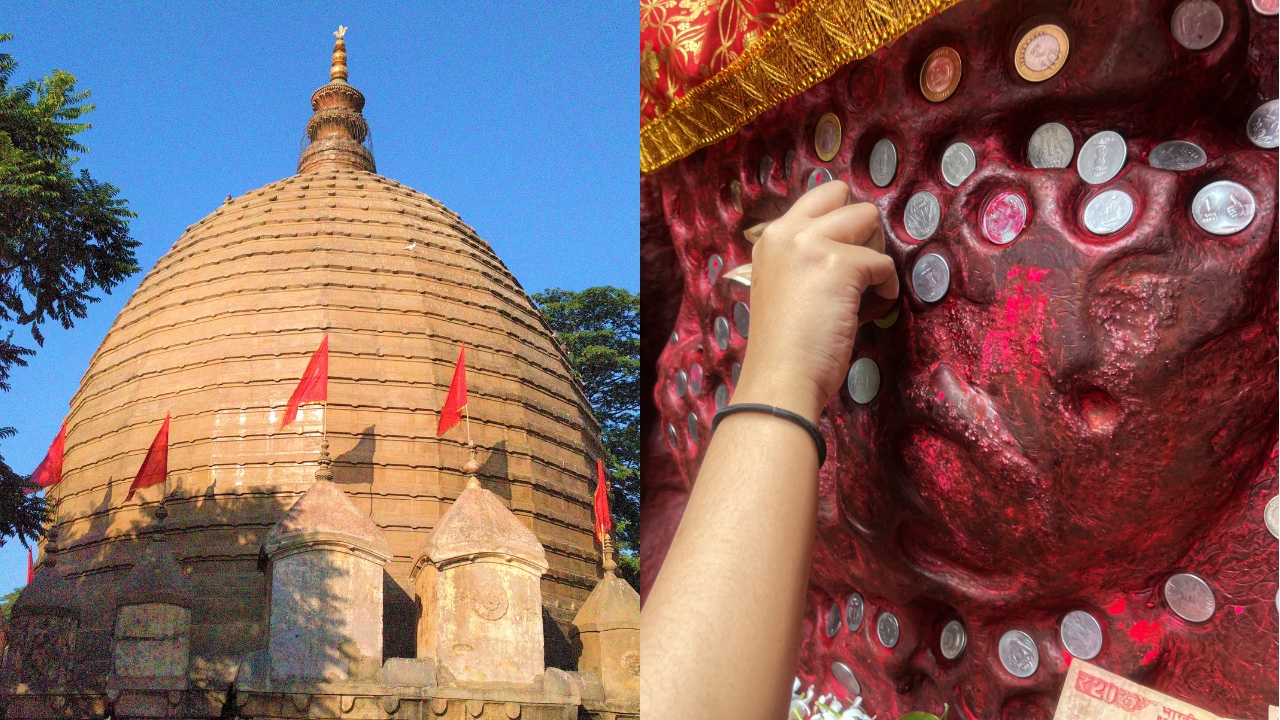
The present structure combines architectural features associated with North Indian Nagara and regional architectural traditions. This distinctive design is commonly known as the Nilachala style.
During the Ahom period, the temple complex received further patronage and development. Several other shrines were constructed around the main temple, making Nilachal Hill an important religious centre.
Today, Kamakhya Temple is recognised as one of India’s major centres of Shakti worship and Tantric traditions.
Why is Ambubachi Mela Celebrated?
Ambubachi Mela is celebrated to mark the annual menstruation of Goddess Kamakhya.
According to religious belief, Goddess Kamakhya represents the creative power of the universe. Her annual menstrual cycle is considered a symbol of fertility, regeneration, and the natural process of creation.
The festival also has a close connection with agriculture and the monsoon season. In Assam, June marks the beginning of the rainy season, when the soil receives moisture and becomes suitable for agricultural activities.
The traditional belief connects the fertility of the Earth with the reproductive cycle of women. Therefore, Ambubachi Mela symbolises the power of nature to create and sustain life.
The festival reminds people that menstruation is a natural biological process and an important part of reproduction and life.
Important Rituals and Traditions of Ambubachi Mela
Ambubachi Mela is observed through several unique religious rituals. The most important tradition is the closure of Kamakhya Temple for three days.
Temple Remains Closed for Three Days
During the first three days of Ambubachi, the main temple remains closed to devotees. According to religious belief, Goddess Kamakhya undergoes her annual menstrual period during these days.
Regular worship and public darshan inside the sanctum are suspended. Devotees respect this period as a time of rest and spiritual renewal for the goddess.
Traditional practices also discourage ploughing fields and disturbing the Earth during these days.
Fourth-Day Temple Reopening
On the fourth day, the temple is reopened after the completion of the prescribed purification and ceremonial rituals.
The reopening is an important part of the festival. Thousands of devotees gather to offer prayers and receive the blessings of Goddess Kamakhya.
The atmosphere around the temple becomes lively with religious chanting, devotional songs, and celebrations.
Distribution of Angodak and Angabastra
Two important sacred offerings associated with Ambubachi Mela are Angodak and Angabastra.
- Angodak: It refers to the sacred water associated with the natural spring and the goddess’s ritual tradition.
- Angabastra: It refers to a piece of red cloth traditionally associated with the goddess and the Ambubachi observance.
These sacred offerings are highly respected by devotees and are considered symbols of divine blessings.
Gathering of Sadhus and Tantric Practitioners
Ambubachi Mela attracts a large number of sadhus, saints, and Tantric practitioners from different parts of India.
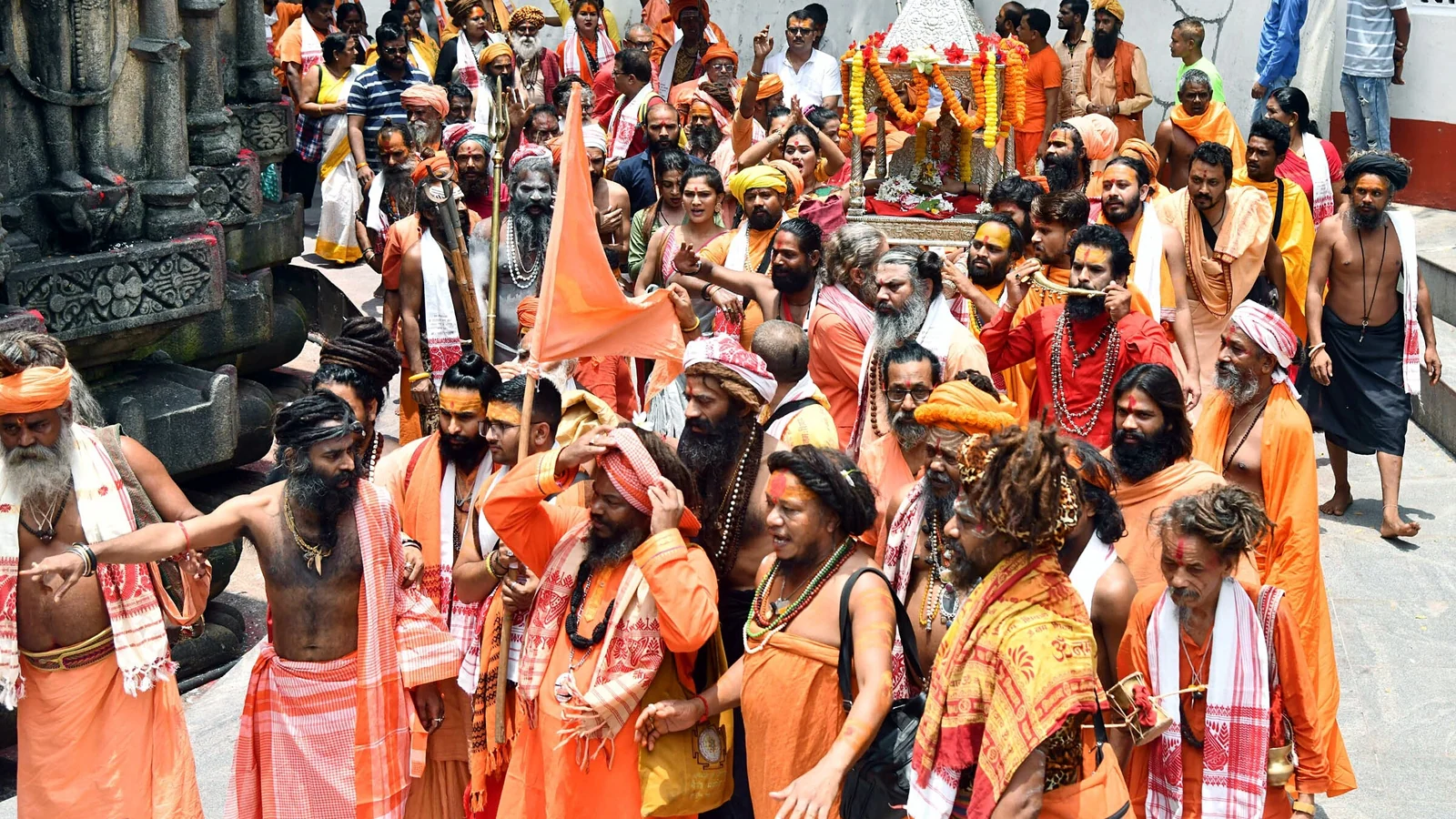
Many of them gather around the Kamakhya Temple during the festival to perform spiritual practices, meditation, prayers, and religious discussions.
Their presence makes the festival an important centre of traditional Tantric culture.
Religious Significance of Ambubachi Mela
The religious importance of Ambubachi Mela goes beyond ordinary temple celebrations. It represents the power of Goddess Shakti and the importance of feminine energy in the universe.
Goddess Kamakhya is worshipped as the source of creation, fertility, and life. Her annual menstrual cycle is considered a divine event.
The festival also highlights the importance of the Shakti Peetha tradition. Kamakhya is one of the most important sacred places associated with Goddess Sati.
For devotees, visiting the temple during Ambubachi Mela is an opportunity to receive divine blessings, offer prayers, and participate in an ancient religious tradition.
The festival also reflects the importance of Tantric worship in Assam, particularly the traditions associated with Goddess Shakti.
Cultural Significance of Ambubachi Mela in Assam
Ambubachi Mela is not only a religious festival but also an important expression of Assam’s cultural identity.
Every year, the festival brings together people from different states, communities, and cultural backgrounds. The gathering creates an atmosphere of devotion, unity, and cultural exchange.
The festival also provides opportunities for local artists, traders, shopkeepers, transport operators, and small businesses to earn income.
During the festival, the area surrounding Kamakhya Temple becomes active with temporary markets, religious gatherings, cultural activities, and traditional food stalls.
The presence of visitors from different parts of India also helps introduce Assam’s cultural heritage to a wider audience.
Ambubachi Mela and the Importance of Menstruation
One of the most unique aspects of Ambubachi Mela is its connection with menstruation.
In many societies, menstruation has traditionally been associated with restrictions, misunderstandings, and social taboos. However, Ambubachi Mela presents a different religious perspective by connecting menstruation with the sacred power of creation.
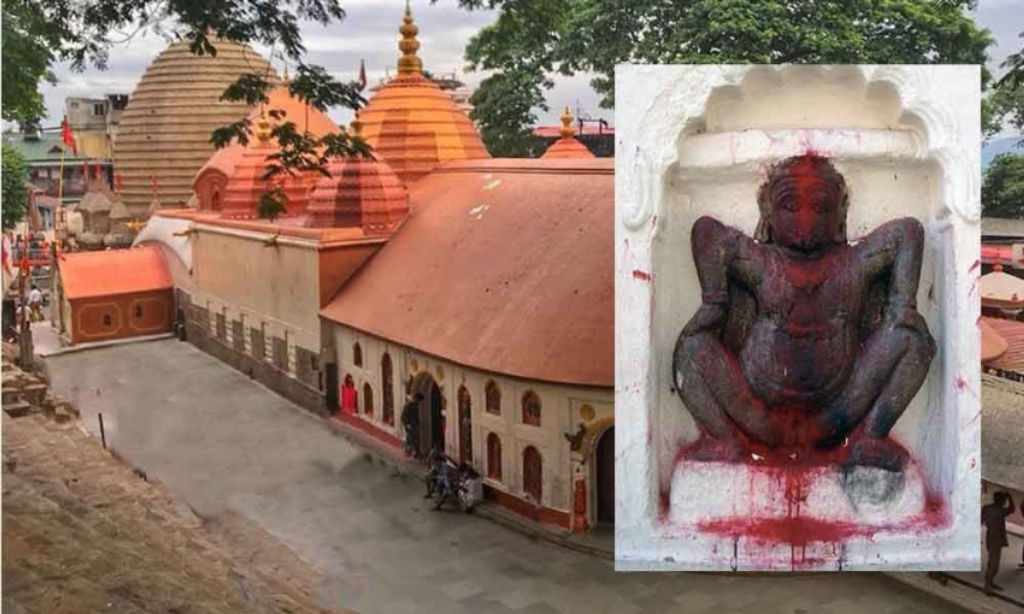
During the festival, the annual menstrual cycle of Goddess Kamakhya is treated as a divine event. It symbolises fertility, womanhood, and the natural cycle of life.
This belief makes the festival culturally significant because it places the female reproductive process at the centre of a major religious celebration.
Ambubachi Mela also encourages discussions about women’s bodies, natural biological processes, and the importance of respecting femininity.
Although the festival follows its own religious customs and restrictions, its symbolism offers an interesting perspective on how traditional beliefs can recognise the importance of menstruation in the cycle of life.
Best Time to Visit Ambubachi Mela
Ambubachi Mela is generally celebrated in June every year during the monsoon season. The festival usually begins around 21 or 22 June, although the exact dates change according to the traditional calendar and astronomical calculations.
The main observance lasts for four days, including the three-day temple closure and the reopening on the fourth day.
Visitors should remember that the temple remains closed during the first three days. Those who wish to have darshan should plan their visit according to the official temple announcements.
As the festival attracts a large number of devotees, visitors should also prepare for heavy crowds, monsoon rainfall, and possible traffic restrictions around Nilachal Hill.
How to Reach Kamakhya Temple, Guwahati
Kamakhya Temple is situated on Nilachal Hill in Guwahati, Assam. It is well connected by road, rail, and air.
| Mode of Transport | Details |
|---|---|
| By Air | Lokpriya Gopinath Bordoloi International Airport is the nearest airport, located in Guwahati. |
| By Train | Kamakhya Railway Station and Guwahati Railway Station are the main railway options. |
| By Road | Local buses, taxis, and auto-rickshaws connect different parts of Guwahati with the temple area. |
During Ambubachi Mela, special transport arrangements and traffic restrictions may be introduced because of the large gathering. Visitors should check local administration and temple announcements before travelling.
Conclusion
Ambubachi Mela is one of the most remarkable religious and cultural festivals of Assam. Celebrated at the sacred Kamakhya Temple, it represents the divine feminine energy, fertility, menstruation, and the connection between human life and nature.
Its history is closely connected with ancient Shakti worship, the mythology of Goddess Sati, and the development of Kamakhya Temple as an important centre of religious and Tantric traditions.
Beyond its spiritual importance, Ambubachi Mela also highlights Assam’s cultural heritage and brings together people from different parts of the country. Its unique celebration of menstruation as a symbol of fertility and creation makes it different from many other religious festivals.
Even today, Ambubachi Mela continues to preserve centuries-old traditions while reminding people of the importance of nature, womanhood, and the power of creation.
Frequently Asked Questions
1. What is Ambubachi Mela famous for?
Ambubachi Mela is famous for celebrating the annual menstruation of Goddess Kamakhya at Kamakhya Temple in Guwahati, Assam. It symbolises fertility, womanhood, and the power of nature.
2. Where is Ambubachi Mela celebrated?
Ambubachi Mela is celebrated at the famous Kamakhya Temple, located on Nilachal Hill in Guwahati, Assam.
3. When is Ambubachi Mela celebrated?
The festival is generally celebrated in June every year during the monsoon season. The exact dates are determined by traditional Hindu calendar calculations.
4. Why does Kamakhya Temple remain closed during Ambubachi Mela?
The temple remains closed for three days because it is believed that Goddess Kamakhya undergoes her annual menstrual cycle during this period.
5. How many days does Ambubachi Mela last?
The main religious observance lasts for four days. The temple remains closed for the first three days and reopens on the fourth day after traditional rituals.
6. What is the religious significance of Ambubachi Mela?
The festival represents the divine feminine energy of Goddess Shakti and celebrates fertility, creation, menstruation, and the natural cycle of life.
7. Why is Kamakhya Temple considered a Shakti Peetha?
According to Hindu mythology, the yoni of Goddess Sati fell on Nilachal Hill, making Kamakhya Temple one of the most important Shakti Peethas.
8. What are Angodak and Angabastra?
Angodak refers to sacred water associated with the temple’s religious traditions, while Angabastra is a piece of sacred red cloth associated with the goddess during Ambubachi Mela.
9. What is the connection between Ambubachi Mela and menstruation?
Ambubachi Mela symbolically celebrates the annual menstruation of Goddess Kamakhya. It connects menstruation with fertility, feminine energy, and the power of creation.
10. Why do sadhus and Tantric practitioners visit Ambubachi Mela?
They visit to participate in religious rituals, spiritual practices, meditation, and Tantric traditions associated with Goddess Kamakhya.