


Wangala Festival Marks 50 Years

Wangala Festival is celebrating its 50th anniversary in Meghalaya from 11 to 14 November 2026. The 50th Hundred Drums Wangala Festival is being held at Garo Heritage Village, Wangala A’dam, in Chibagre, West Garo Hills district. This Golden Jubilee edition marks 50 years of the organised festival, which began in 1976.
The celebration brings together the Garo community through traditional music, dance, cultural programmes and thanksgiving ceremonies. This year’s event is especially important because it highlights the history of the festival and its role in keeping Garo traditions alive.

Wangala: The Festival of a Good Harvest
Wangala is an important post-harvest festival of the Garo community. It is celebrated to thank Misi Saljong, the Sun God associated with fertility and a good harvest.
The festival marks the end of the agricultural season and celebrates the hard work of farmers. It is a time for communities to come together, express gratitude for the harvest and enjoy traditional music and dance.
The Hundred Drums Wangala Festival has become a major cultural event in Meghalaya. Its organised celebration began in 1976 and has helped bring greater attention to Garo traditions, music and community life.
Golden Jubilee Celebration and Special Performances
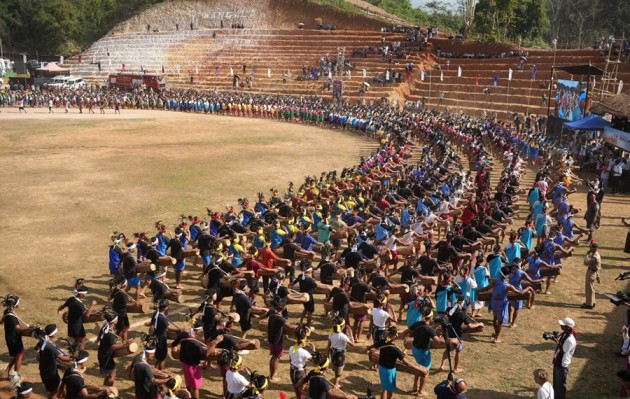
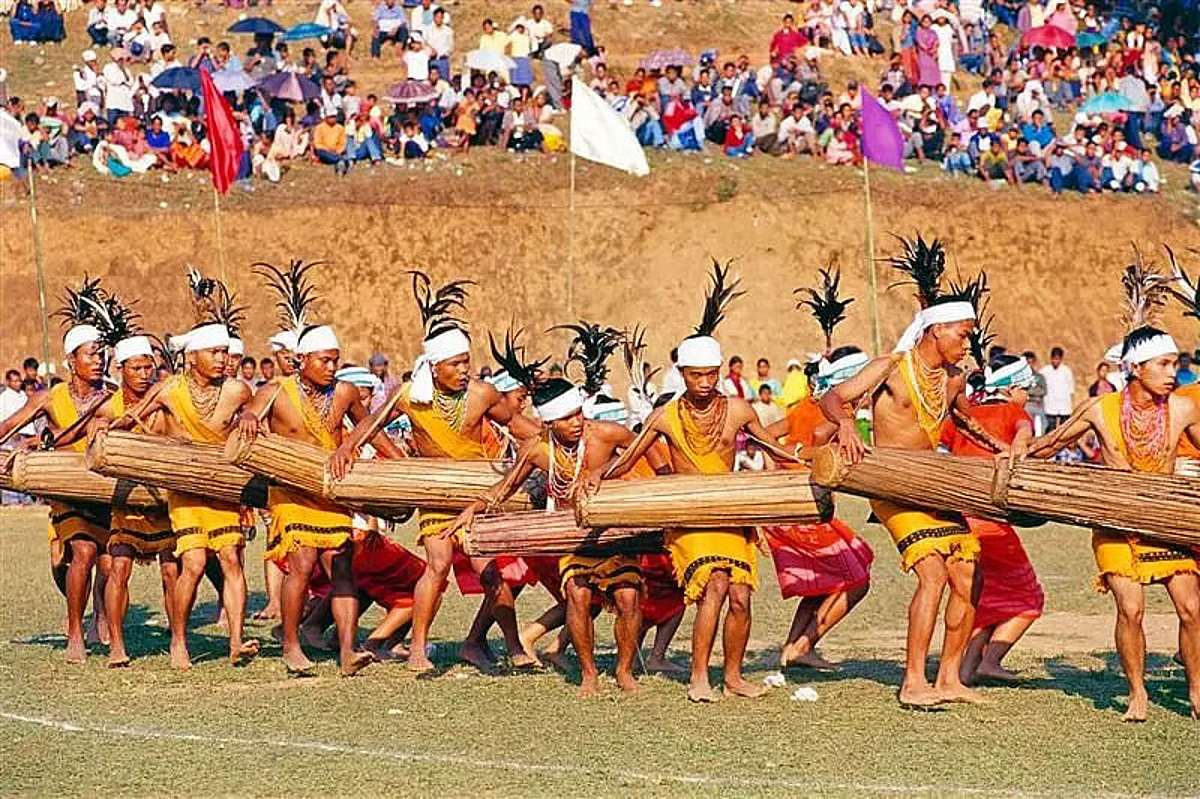
The 50th edition features several special cultural programmes. One of the main attractions is the planned “Rhythm of 1,000 Drums” performance, along with around 3,000 dancers.
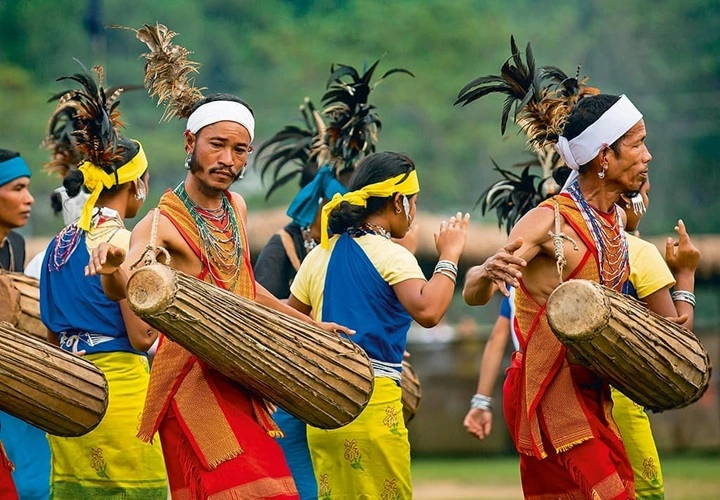
Meghalaya Chief Minister Conrad K. Sangma attended the inaugural programme on 11 November and joined the traditional drumming. His participation added to the celebrations marking five decades of the organised festival.
Assam Chief Minister Himanta Biswa Sarma is scheduled to attend on 12 November, while Union Tourism and Culture Minister Gajendra Singh Shekhawat is expected to be the chief guest on 14 November.
The large-scale performances are intended to showcase the energy and cultural richness of the Garo community. The organisers are also aiming to enter the Guinness World Records through the special Golden Jubilee celebration.
Development of Wangala A’dam
Preparations for the Golden Jubilee have included major investment in the festival venue and its organisation. Around Rs 20 crore has been allocated for developing Wangala A’dam, while Rs 6 crore has been set aside for organising the festival.
The development work is intended to strengthen the venue as a place for cultural activities and future celebrations. Better facilities can also help attract visitors and provide a suitable space for showcasing Garo heritage.
The idea of a large celebration involving 1,000 drums was connected with the vision of former Lok Sabha Speaker and National People’s Party founder P. A. Sangma. The 50th edition brings this vision into focus through its special musical programme.
Handloom and Handicrafts Exhibition
A Handloom and Handicrafts Exhibition featuring 300 stalls has also been inaugurated as part of the festival. The exhibition provides a platform for local artisans and producers to display traditional products and handmade items.
Handloom and handicrafts are closely linked to the cultural identity and livelihoods of many communities in Meghalaya. Such exhibitions help visitors understand traditional skills while creating opportunities for artisans to reach new customers.
The exhibition also adds an economic dimension to the festival by connecting cultural tourism with local products and small businesses.
Traditional Rituals of the Wangala Festival
Traditional Wangala celebrations include important rituals performed at the beginning of the festival. The first-day ceremonies include Rugala, the offering of rice beer, and Cha·chat So·a, the burning of incense. These rites are traditionally performed by a priest known as the Kamal at the Nokma’s house.
The final day features Dama Gogata, a traditional dance performed by men and women. Drums, flutes and brass instruments accompany the dancers, creating a lively atmosphere.
Traditional village-level Wangala celebrations are often organised by two or three villages working together. These celebrations generally continue for two or three days, although some may last up to a week.
Cultural Tourism and the Preservation of Garo Heritage
The 50th Hundred Drums Wangala Festival also highlights Meghalaya’s potential for cultural tourism. Visitors can experience traditional performances, local food, crafts and community celebrations while learning about the history of the Garo people.
Cultural festivals play an important role in passing traditions from one generation to another. They also give younger people opportunities to learn traditional music, dance and customs.
The Golden Jubilee celebration at Wangala A’dam brings together cultural preservation, tourism and local economic activity, while recognising the importance of the Garo community’s agricultural and cultural traditions.