
Ira Raut Sets Six Diving Records

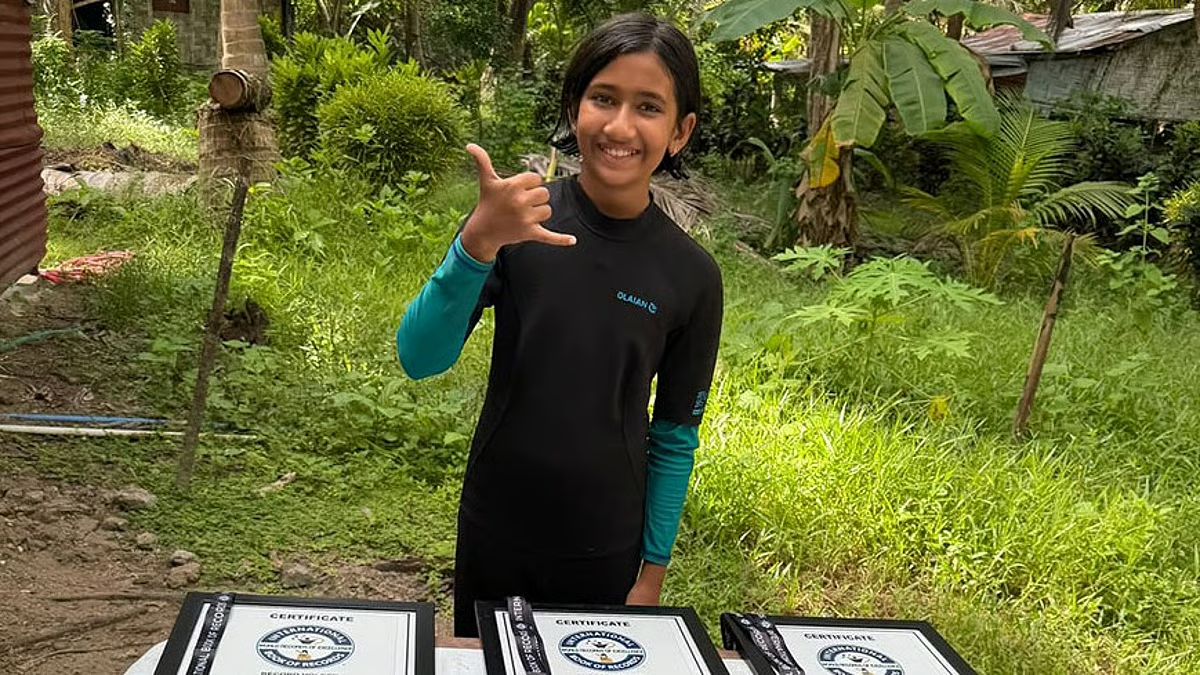
Ira Raut made headlines after setting six scuba-diving world records in a single day at the age of 10. On 21 October 2026, she achieved these records at the Dive Tribe Centre on Shaheed Dweep in the Andaman and Nicobar Islands. She also became the world’s youngest qualified scuba diver at the age of 10 years, 17 hours and 35 minutes.
Her achievement has attracted attention because scuba diving requires training, physical preparation and the ability to remain calm underwater. Completing several record-setting activities in one day at such a young age makes her achievement particularly notable.

Six Scuba-Diving Records in One Day
Ira Raut completed six record-setting activities during her diving session. Scuba Schools International (SSI) certified her diving qualification, while Arvinder Singh Bhatti of the International Book of Records verified the six records.
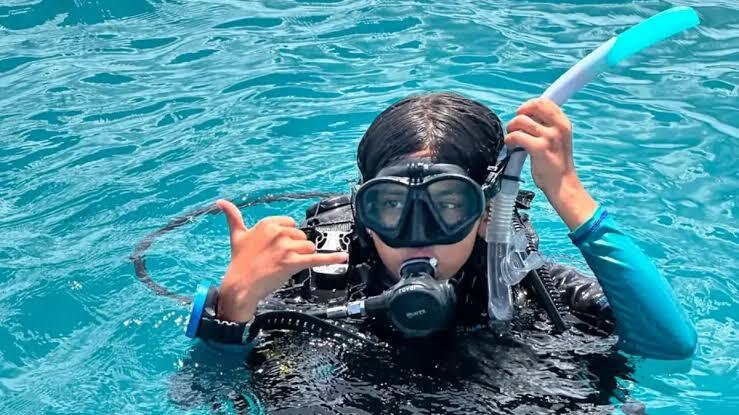
The records covered different underwater skills. These included displaying the highest number of scuba-diving hand signals in one minute, identifying the most pieces of diving equipment underwater and covering the greatest underwater distance in one minute within the below-teenage age group.
She also set a record for identifying the highest number of marine animal species while scuba diving. Another achievement recognised her for setting the highest number of world records in a single day.
Together, these records demonstrated her ability to perform different tasks underwater, including communication, equipment recognition, movement and marine life identification.
Who Is Ira Aditya Raut?
Ira Aditya Raut is a Class V student at Naval Children School in Karwar, Karnataka. She is the daughter of Indian Navy officers Commander Sneh Budakoti and Commander Aditya Raut.
Her family background has a connection with the Indian Navy, where discipline, training and physical fitness are important parts of professional life. However, Ira’s achievement is based on her own participation in scuba-diving training and record-setting activities.
At just 10 years old, she reached an important milestone by becoming the world’s youngest qualified scuba diver, according to the reported record.
What Is Scuba Diving?
Scuba diving is an underwater activity in which a person uses special breathing equipment to stay underwater. The word SCUBA stands for Self-Contained Underwater Breathing Apparatus.
Unlike snorkelling, where a person breathes through a tube connected to the air above the water, scuba divers carry their own breathing gas supply. This allows them to explore underwater environments for a limited period.
A typical scuba-diving system includes a cylinder containing compressed breathing gas, a regulator that controls gas delivery, a mask and fins. Divers also use other equipment, such as buoyancy control devices and depth gauges, depending on their training and diving conditions.
How Does Scuba-Diving Equipment Work?
The regulator is one of the most important parts of scuba-diving equipment. It reduces the high pressure of gas stored in the cylinder and supplies it to the diver at a pressure suitable for breathing.
A standard scuba regulator has two main stages. The first stage reduces the pressure coming from the cylinder. The second stage delivers breathing gas when the diver inhales.
There are also different types of scuba breathing systems. In an open-circuit system, the diver exhales the used gas into the surrounding water. A rebreather system works differently by filtering carbon dioxide and recirculating unused breathing gas. This can reduce gas consumption under suitable conditions.
Why Safety Is Important Underwater
Scuba diving is an activity that requires proper training and supervision. Divers must understand how to use their equipment, control their breathing and maintain a safe rate of ascent.
One important risk is decompression sickness. It can occur when dissolved inert gas, mainly nitrogen, forms bubbles in body tissues and blood during or after a reduction in pressure. A rapid ascent can increase this risk.
Controlled ascent, proper dive planning and following training guidelines help reduce the danger. Divers must also understand underwater hand signals because speaking normally is not possible while using standard scuba equipment.
Understanding Ira’s Underwater Achievements
Ira’s six records involved more than simply staying underwater. Identifying equipment requires knowledge of diving tools, while recognising marine animal species involves awareness of underwater life.
Hand signals are another important part of scuba diving. Divers use these signals to communicate basic information about their condition, direction and surroundings. The ability to display several signals correctly in a limited time demonstrates familiarity with underwater communication.
Her underwater distance record also involved movement and control while using diving equipment. These activities show the different skills that can be involved in scuba diving.
A Remarkable Achievement at Age 10
Ira Aditya Raut‘s six records have brought attention to young participation in specialised sporting and recreational activities. Her achievement at the Dive Tribe Centre on Shaheed Dweep is also a reminder of the importance of proper training and safety in underwater sports.
The Andaman and Nicobar Islands, with their marine environment and diving locations, provide a setting for underwater exploration. Ira’s accomplishment has added another notable story to the region’s connection with scuba diving and marine activities.