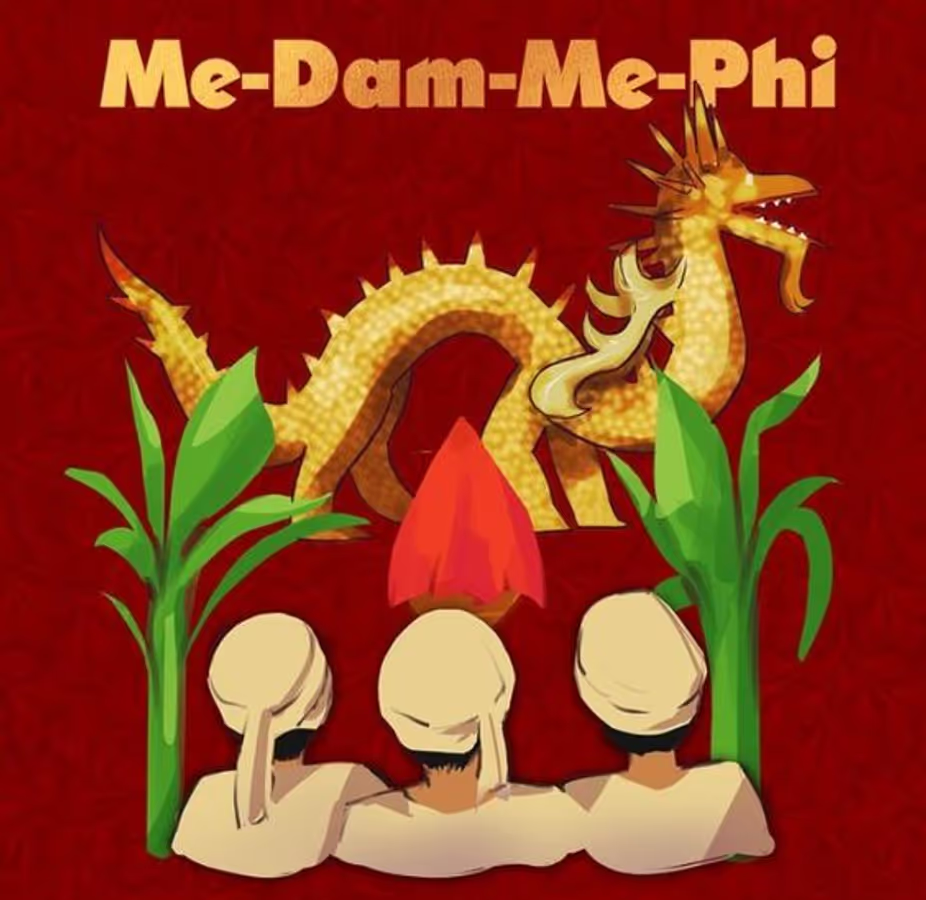
Me-Dam-Me-Phi: Sacred Ahom Festival of Ancestor Worship

Me-Dam-Me-Phi is one of the most sacred and meaningful festivals of Assam. It is deeply connected with the history, faith, and identity of the Tai Ahom community. This ancient festival is not only about rituals and prayers but also about remembering ancestors, strengthening unity, and preserving cultural roots. Celebrated every year on 31 January, Me-Dam-Me-Phi has grown from a community ritual into a festival respected and observed across Assam.
Thank you for reading this post, don't forget to subscribe!Me-Dam-Me-Phi: A Sacred Festival of Ancestor Worship
Assam is a land of rich culture, traditions, and many ethnic communities. Each community has its own customs that add beauty to the cultural life of the state. Among these communities, the Tai Ahoms hold a special place in Assam’s history. They ruled Assam for nearly 600 years and shaped its society, culture, and administration.
One of the most important traditions of the Tai Ahoms is Me-Dam-Me-Phi, a festival of ancestor worship. This festival has been observed with devotion since the 12th century. Over time, it has gained wider recognition and is now celebrated as a state holiday in Assam, showing its importance beyond one community.
Meaning of Me-Dam-Me-Phi
The meaning of Me-Dam-Me-Phi is simple but very deep.
- Me means offering
- Dam means ancestors
- Phi means god
So, Me-Dam-Me-Phi means offering prayers and food to ancestors and gods. It reflects the belief that ancestors do not disappear after death. Instead, they become divine powers who guide, protect, and bless their families and society.
This belief is common among all Tai-speaking communities, who see their ancestors as sacred and worthy of worship.
Why Me-Dam-Me-Phi Is Celebrated
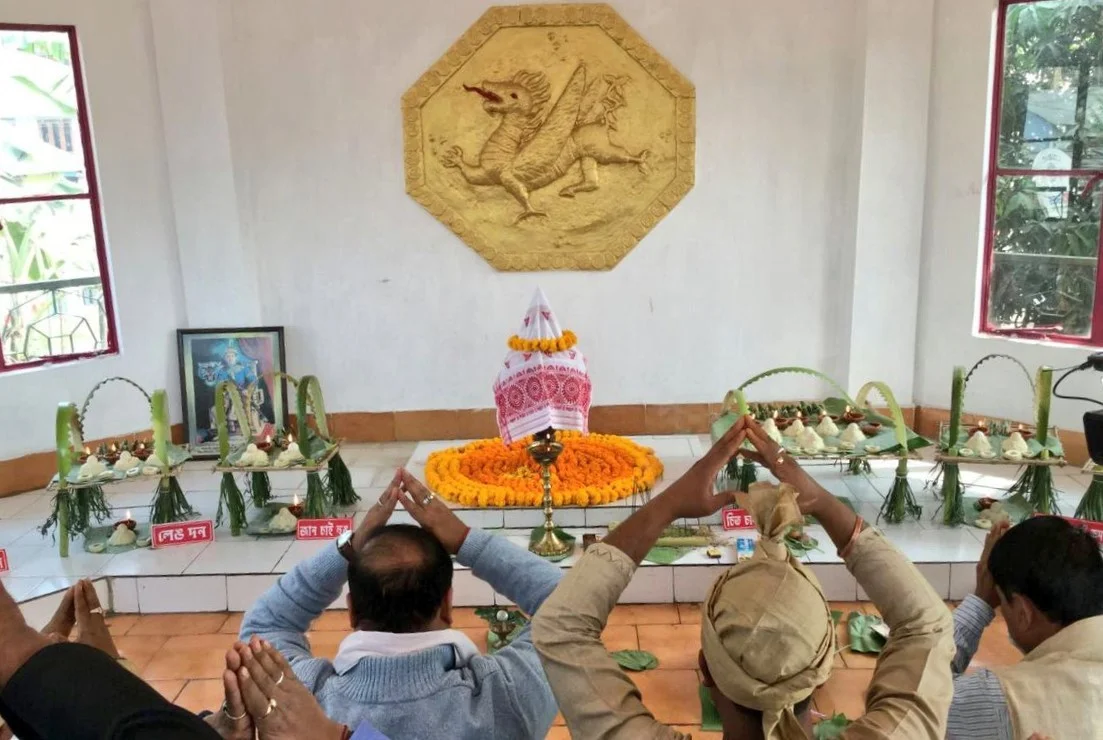
Me-Dam-Me-Phi is celebrated to:
- Honour ancestors and remember their sacrifices
- Seek blessings for peace, unity, and prosperity
- Strengthen family and community bonds
- Preserve Ahom culture, language, and traditions
- Promote harmony among different communities in Assam
The festival teaches respect for elders, gratitude for the past, and responsibility for the future.
Historical Background of Me-Dam-Me-Phi
The roots of Me-Dam-Me-Phi go back to the early days of the Ahom kingdom. When the Tai Ahoms migrated from present-day Myanmar to the Brahmaputra valley in the 13th century, they brought with them their unique religion and rituals.
Me-Dam-Me-Phi in the Ahom Kingdom
In ancient times:
- Ahom kings performed Me-Dam-Me-Phi rituals to celebrate victories in war
- The prayers were meant to protect the kingdom from danger
- The kings believed ancestors guided the fate of the state
Several Ahom rulers observed this festival at Charaideo, including:
- King Siu-huim-mong
- King Gadadhar Singha
- King Pramatta Singha
- King Rajeswar Singha
For more than 400 years, public ceremonies have been held at Charaideo, making it the spiritual heart of Me-Dam-Me-Phi.
Charaideo: The Sacred Land of Ancestors
Charaideo, located in present-day Assam, holds great importance in Me-Dam-Me-Phi.
- It was the first permanent capital of the Ahom kingdom
- It is the burial place of Ahom kings
- It is considered a sacred site where ancestors became divine
According to Ahom belief, when a person dies, the soul slowly joins the Supreme Being and becomes a god. Charaideo represents this spiritual journey.
Gods Worshipped in Me-Dam-Me-Phi
During Me-Dam-Me-Phi, worship is offered to several gods and ancestral spirits.
Main Gods
Three main divine forces are worshipped:
- Grihadam – the household ancestor
- Dam Changphi – ancestral spirit
- Me-Dam-Me-Phi – the supreme heavenly god
Ten Phi (Gods)
A total of ten gods (Phi) are worshipped:
- Khao-Kham
- Aai Laeng-Din
- Ya-sing-pha
- Jan-chai-hang
- Laengdon
- Chit-lam-cham
- Mut-kam tai-kum
- Dam Chau Phi / Chau Phi Dam
- Ra-khin
- Ba-khin
Each god represents protection, balance, and well-being.
Rituals and Worship Process
The rituals of Me-Dam-Me-Phi are performed with great care and devotion.
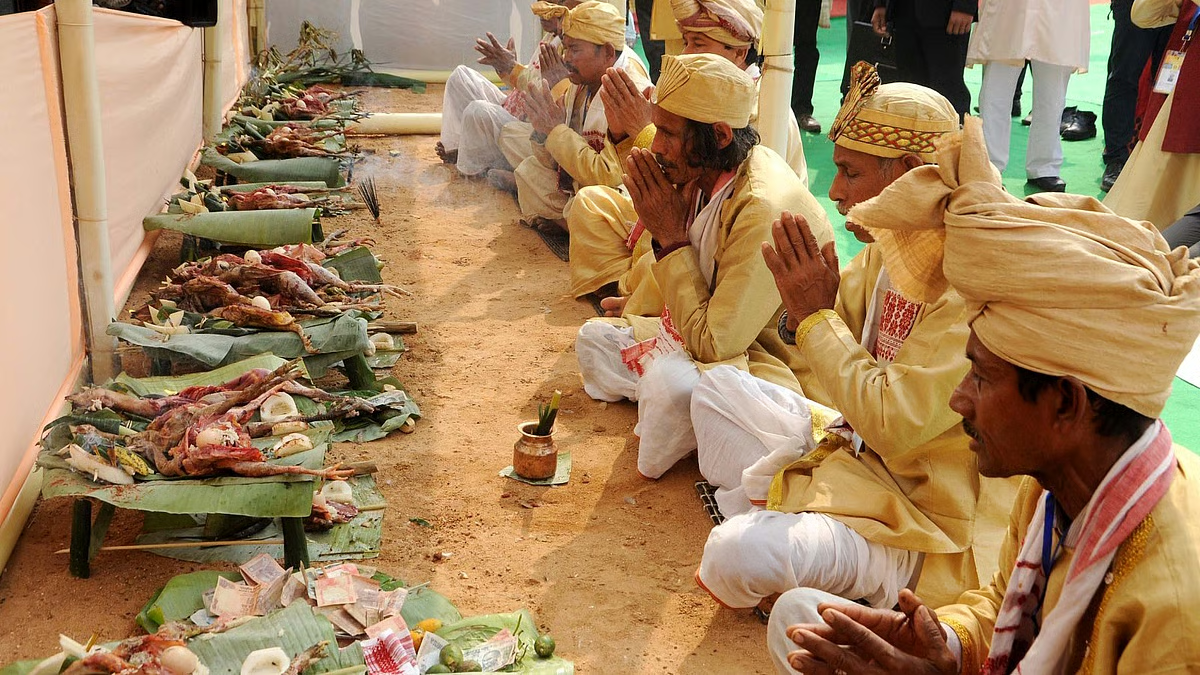
Role of Priests
- The rituals are conducted by Ahom priests known as Deodhai and Bailung
- They chant mantras in the Ahom language
- Sacred texts like Phralung and Banfi guide the rituals
The use of the Ahom language helps preserve the ancient knowledge and spiritual heritage.
Me-Dam-Me-Phi at Home
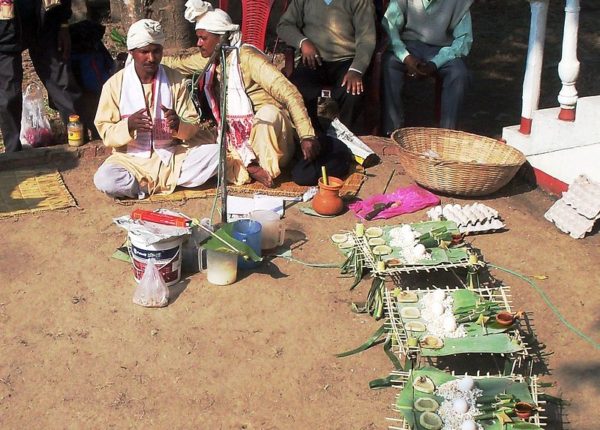
Me-Dam-Me-Phi is celebrated privately in homes as well as publicly.
Family Worship
- The ritual is done in the kitchen, which is considered sacred
- A special pillar called Damkhuta is set up
- Offerings are placed before the ancestors
Food Offerings (Mah-Prasad)
Homemade food is offered, including:
- Rice
- Meat
- Fish
- Beans
- Chickpeas
- Homemade rice wine
These offerings show love, respect, and gratitude toward ancestors.
Public Celebration of Me-Dam-Me-Phi
Public celebrations take place across Assam, especially in:
- Sivasagar
- Dibrugarh
- Lakhimpur
Community Participation
- The festival is not limited to Ahoms alone
- People from other communities also participate
- Cultural programs like dance, drama, and music are organized
- It becomes a platform for unity and shared heritage
This inclusive nature makes Me-Dam-Me-Phi a festival for all Assamese people.
About the Ahoms: A Brief Introduction
To understand Me-Dam-Me-Phi fully, it is important to know about the Ahoms.
- They migrated to Assam in the 13th century
- Led by Sukaphaa, they established a powerful kingdom
- They ruled Assam for nearly 600 years
- Their history is recorded in manuscripts called Buranjis
Ahom Society and Administration
The Ahom system of governance was unique and well-organized.
Political System
- The king was called Sargedeo
- He was supported by five main ministers called Patramantri
- Important officials included Borgohain, Burhagohain, Barpatra Gohain, Barbaruah, and Barphukan
Paik System
- The Ahoms followed the Paik system
- Every village provided workers or soldiers on rotation
- Paiks worked in agriculture, construction, and defense
This system helped develop strong infrastructure without a permanent army.
Ahom Lifestyle and Culture
The Ahoms had a rich cultural life.
- They spoke the Tai language
- They valued art, literature, and learning
- Many Sanskrit texts were translated
- History was carefully recorded in Buranjis
Though they later adopted Hinduism, they preserved many original beliefs like ancestor worship.
Decline of the Ahom Kingdom
The Ahom kingdom reached its peak under Rudra Singha (1696–1714).
Later:
- They fought several wars with the Mughals
- The Burmese invasion weakened the kingdom
- The British took control in 1838
Despite political decline, Ahom culture and traditions survived.
Importance of Me-Dam-Me-Phi in Modern Times
Today, Assam faces many challenges:
- Economic problems
- Political unrest
- Natural disasters
- Social conflicts
In such times, Me-Dam-Me-Phi becomes more meaningful.
Social Importance
- Promotes unity and harmony
- Reminds people of shared roots
- Encourages respect for tradition
Scientific View
From a modern view:
- Ancestor worship can be seen as early human reflection on life and the universe
- It shows mankind’s desire to understand creation
- Similar to modern scientific curiosity about space and existence
Me-Dam-Me-Phi as a Symbol of Unity
Me-Dam-Me-Phi is no longer only an Ahom festival.
- It is a symbol of Assamese identity
- It connects past, present, and future
- It teaches unity, respect, and shared responsibility
Conclusion: The Living Spirit of Me-Dam-Me-Phi
Me-Dam-Me-Phi is more than a ritual. It is a living tradition that honours ancestors, preserves history, and strengthens society. By remembering those who came before us, we learn values that guide us forward.
The continuity of Me-Dam-Me-Phi is essential for maintaining harmony, cultural pride, and social balance in Assam. Respecting and preserving this festival ensures that future generations remain connected to their roots while moving toward a united and peaceful future.
Me-Dam-Me-Phi truly stands as a bridge between history and humanity, faith and reason, tradition and unity.
FAQs on Me-Dam-Me-Phi
Q1. What is Me-Dam-Me-Phi?
Me-Dam-Me-Phi is a traditional Ahom festival of ancestor worship celebrated in Assam to honor ancestors and gods.
Q2. When is Me-Dam-Me-Phi celebrated?
Me-Dam-Me-Phi is celebrated every year on 31 January across Assam.
Q3. What does Me-Dam-Me-Phi mean?
Me means offering, Dam means ancestors, and Phi means god. Together, it means offering prayers to ancestors and gods.
Q4. Which community celebrates Me-Dam-Me-Phi?
The festival is mainly celebrated by the Tai Ahom community, but people from other communities in Assam also take part.
Q5. Why is Me-Dam-Me-Phi important?
It helps preserve Ahom culture, strengthens unity, honors ancestors, and promotes peace and harmony in society.
Q6. Where is the main public celebration of Me-Dam-Me-Phi held?
The main public celebration is held at Charaideo, Assam, the first capital of the Ahom kingdom.
Q7. Who performs the rituals during Me-Dam-Me-Phi?
Ahom priests known as Deodhai and Bailung perform the rituals by chanting mantras in the Ahom language.