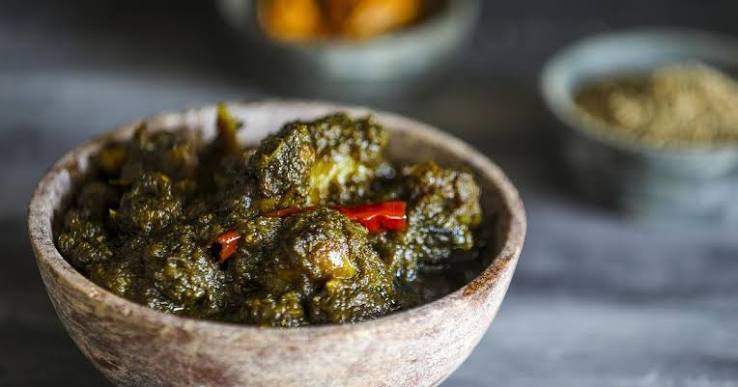



Hukoti Maas: A Traditional Mising Dried Fish Delicacy

Hukoti Maas is a traditional dried fish preparation from Assam, especially associated with the food culture of the Mising community. It is known for its strong smoky aroma, rich fish flavour, and unique method of preservation. Unlike ordinary fish curries, Hukoti Maas is prepared by drying small fish, pounding them with other ingredients, and preserving the mixture in a bamboo tube over a smoky kitchen hearth.
In Assam, fish is an important part of everyday food. Many communities have developed traditional methods to preserve fish for a long time, especially when fresh fish is not easily available. Hukoti Maas is one such preparation. It reflects the traditional knowledge of using natural ingredients, bamboo, sunlight, and smoke to preserve food.

The Mising community is known for its close connection with rivers, agriculture, and nature. Their traditional cooking uses locally available ingredients such as fish, bamboo shoots, colocasia, rice, and different herbs. Hukoti is a special example of this food tradition. Small river fish, commonly puthi, are dried and mixed with dried colocasia stalks and chillies. The mixture is pounded, packed tightly into bamboo, and kept in a smoky place for several weeks.
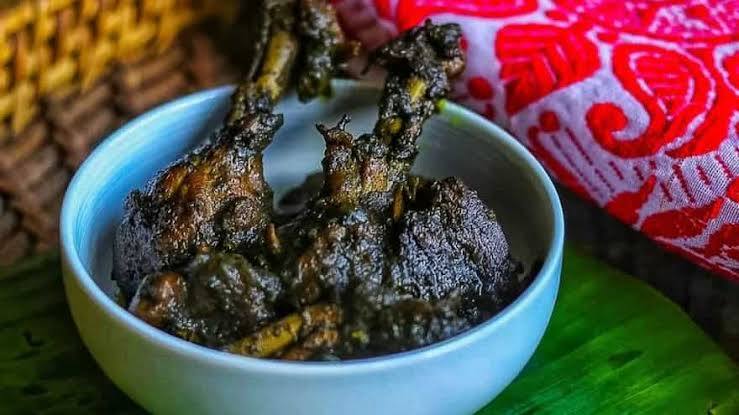
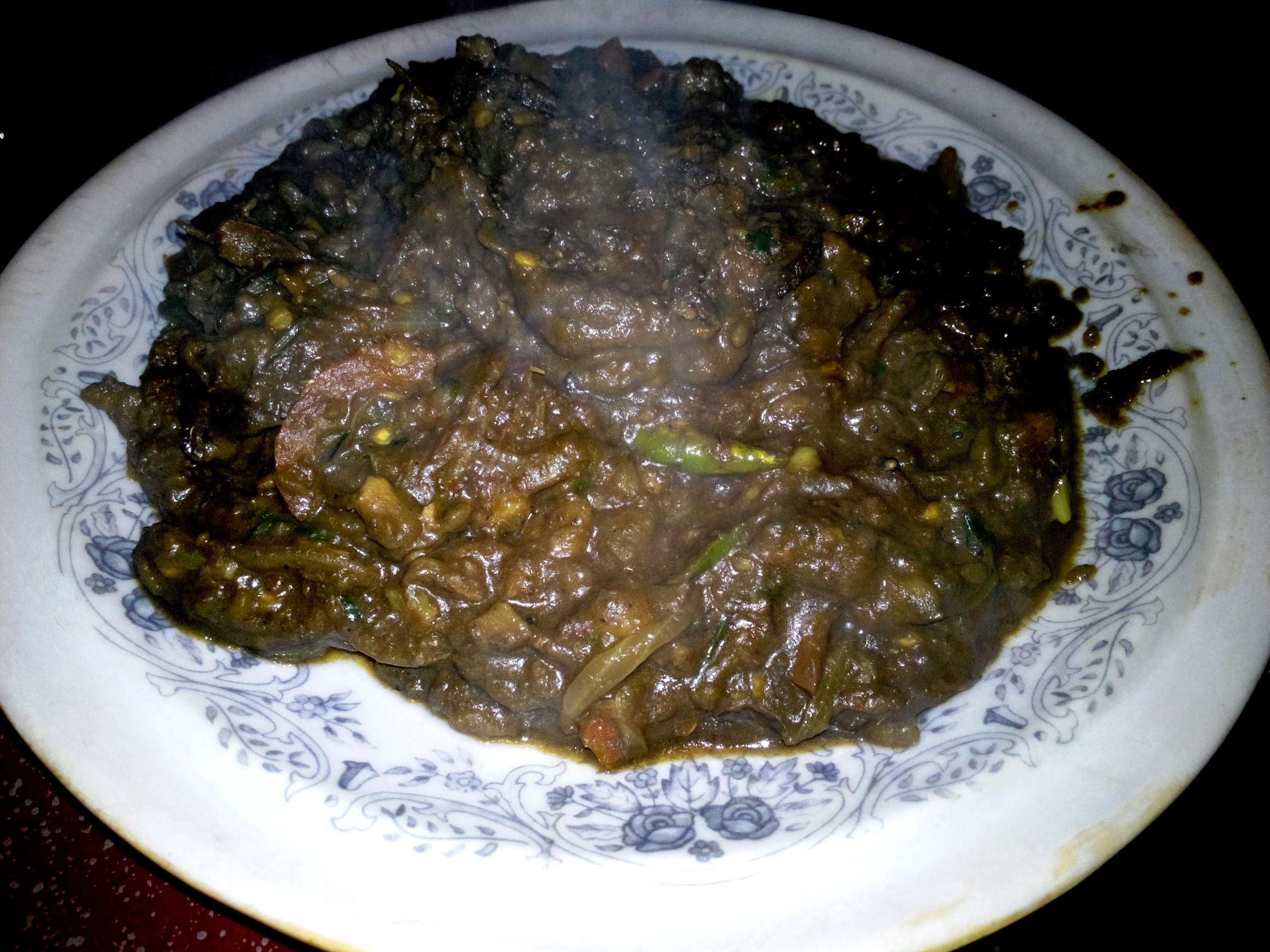
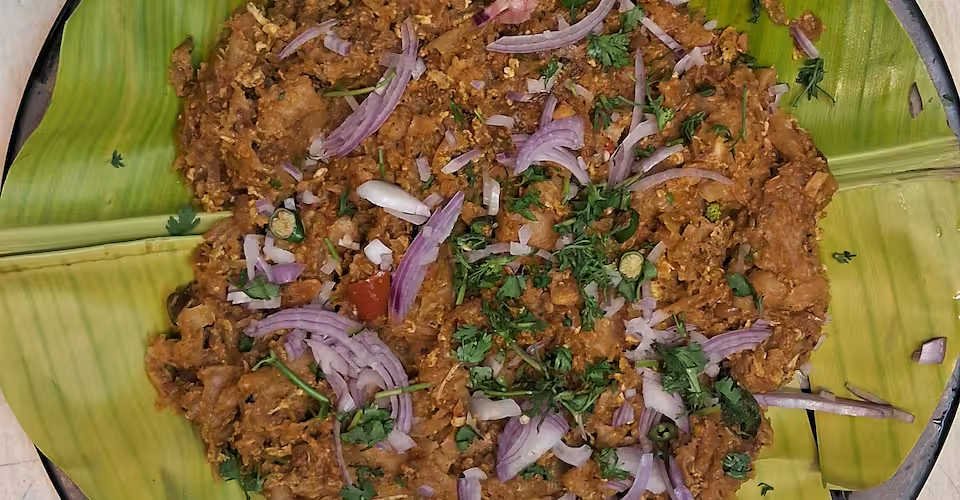
The final product has a powerful smoky smell and concentrated flavour. It is usually fried with mustard oil, onion, garlic, and green chillies before being served with hot steamed rice. A small quantity is often enough to add a strong taste to a meal.
This blog explains the traditional preparation of Hukoti Maas, its ingredients, cooking method, serving ideas, and some useful tips for preparing it at home.
What Is Hukoti Maas?
Hukoti is a traditional preserved fish preparation associated with the Mising community of Assam. It is made using sun-dried small fish, dried colocasia stalks known as kosu thuri, chillies, and salt. These ingredients are pounded together and stored inside a bamboo tube.
The bamboo tube is kept in a smoky and dry place, traditionally near the kitchen hearth. The smoke and drying process help develop the characteristic aroma and flavour of the preparation. The mixture is cured for several weeks before it is ready to use.
Hukoti is sometimes discussed alongside other dried fish preparations such as Xukoti Maas and Naamching. However, traditional names and preparation methods can differ among communities and regions. The Mising-style bamboo-cured Hukoti has its own distinctive preparation method.
Recipe Information
| Recipe Details | Information |
|---|---|
| Recipe Name | Hukoti Maas |
| Cuisine | Mising / Assamese |
| Main Ingredient | Sun-dried small fish |
| Preparation Method | Drying, pounding, and curing |
| Preparation Time | Around 30–40 minutes |
| Curing Time | 3–4 weeks or longer |
| Cooking Time for Serving | Around 10–15 minutes |
| Servings | 8 portions of prepared mixture |
| Difficulty | Hard |
Note: The curing period is separate from the time required to fry and serve Hukoti.
Ingredients for Hukoti Maas
The following ingredients are based on a traditional-style preparation using small dried fish and colocasia stalks.
Ingredients for Making Hukoti
| Ingredients | Quantity |
|---|---|
| Sun-dried small fish (puthi or other small river fish) | 250 grams |
| Sun-dried colocasia stalks (kosu thuri) | 100 grams |
| Dried red chillies | 10 |
| Salt | 1 teaspoon |
| Fresh green bamboo tube | 1 |
| Banana leaf | 1 piece |
Ingredients for Frying Hukoti Before Serving
| Ingredients | Quantity |
|---|---|
| Prepared Hukoti | 3–4 tablespoons |
| Mustard oil | 2 tablespoons |
| Onion, finely sliced | 1 medium |
| Garlic cloves, chopped | 4 |
| Green chillies, chopped | 2 |
The quantity of chillies can be adjusted according to your taste. You can use fewer chillies for a milder flavour or add more if you prefer a spicy preparation.
How to Prepare Hukoti Maas
Step 1: Clean and Prepare the Dried Fish
Take 250 grams of sun-dried small fish, preferably puthi or another suitable small river fish. Carefully check the fish and remove burnt, damaged, or unwanted pieces. Clean away visible dirt and impurities.
The fish should be properly dried before roasting. If the fish is damp, it should be dried safely before proceeding. Good-quality dried fish is important because it forms the main ingredient of Hukoti.
Step 2: Dry-Roast the Fish
Place a tawa or heavy pan over low heat. Add the dried fish and roast it for around 8–10 minutes, stirring carefully so that it does not burn.
The fish should become crisp and release its characteristic aroma. Avoid roasting it at high heat because burnt fish can give the final preparation a bitter taste.
Once roasted, remove the fish from the pan and allow it to cool.
Step 3: Roast the Colocasia Stalks and Chillies
Take the dried colocasia stalks, known as kosu thuri, and cut them into small pieces if necessary. Dry-roast them separately over low heat for around 3–4 minutes until crisp.
Roast the dried red chillies in the same way. Keep the heat low and watch carefully because chillies can burn quickly.
The colocasia stalks and chillies add flavour and texture to the fish mixture. Make sure the colocasia stalks are properly dried and suitable for this traditional preparation.
Step 4: Pound the Ingredients Together
Traditionally, the roasted ingredients are pounded using a dheki or a large mortar and pestle. Add the roasted fish, dried colocasia stalks, red chillies, and salt.
Pound everything together until it forms a coarse, sticky mixture. This may take around 15–20 minutes, depending on the equipment and quantity.
The mixture should not be completely smooth. A coarse texture helps retain the traditional character of the preparation.
If you do not have a traditional pounding tool, you can use a sturdy food processor in short pulses. Avoid turning the ingredients into a fine paste.
Step 5: Pack the Mixture into Bamboo
Take a clean, fresh green bamboo tube with one natural node closed at the bottom. Make sure the bamboo is suitable for food use and has no signs of mould, damage, or contamination.
Fill the bamboo tube with the pounded fish mixture. Press it down firmly with a clean utensil so that it is packed tightly and there are no large air pockets.
Leave a little space at the top so the mixture can be sealed properly. Tight packing is important for the traditional curing process, but it does not replace safe food-preservation practices.
Step 6: Seal and Cure the Hukoti
Cover the open end of the bamboo tube with a clean banana leaf and tie it securely. Traditionally, the tube is kept near a smoky kitchen hearth, known as dhuwa chang, where it is exposed to smoke in a dry environment.
The mixture is traditionally left to cure for around three to four weeks or longer. During this time, the smoky environment contributes to its distinctive aroma.
Important food-safety note: Traditional curing is not automatically safe simply because the mixture has been stored in bamboo or exposed to smoke. The fish must be properly dried and handled hygienically, and the curing conditions must be controlled. Moisture, poor ventilation, or contamination can cause mould and harmful microbial growth. Do not consume Hukoti if it develops visible mould, an unusual rotten smell, or other signs of spoilage. For home preparation, use a tested food-preservation method and avoid storing the mixture at room temperature for weeks unless the process has been validated as safe.
How to Cook Hukoti Maas for Serving
Once you have safely prepared Hukoti, you can fry a small quantity to make a flavourful side dish.
Step 1: Heat the Mustard Oil
Take a frying pan or kadai and heat two tablespoons of mustard oil over medium heat. Allow the oil to become hot, then reduce the flame slightly.
Mustard oil gives Hukoti its traditional Assamese flavour and works well with the smoky taste of the dried fish.
Step 2: Fry the Onion and Garlic
Add one finely sliced onion to the hot oil. Fry until it becomes soft and lightly golden. Next, add four chopped garlic cloves and cook for another minute.
The onion and garlic create a flavourful base for the Hukoti Maas. Stir continuously so that the garlic does not burn.
Step 3: Add Green Chillies
Add two chopped green chillies and mix well. Cook for a short time until their aroma is released.
You can reduce the number of chillies if the prepared Hukoti already contains enough heat from dried red chillies.
Step 4: Add the Prepared Hukoti
Add three to four tablespoons of prepared Hukoti to the pan. Keep the flame low and mix it with the fried onion, garlic, and chillies.
Fry for around five minutes, stirring continuously. The mixture will become darker and release a strong smoky aroma.
If you prefer a softer consistency, add one or two tablespoons of water and cook briefly. However, the traditional fried version is usually relatively dry.
Step 5: Serve Hot
Once the Hukoti becomes fragrant and is heated thoroughly, turn off the heat. Transfer it to a small serving bowl.
Serve a small quantity with hot steamed rice. Its concentrated flavour means that only a little is needed to accompany a meal.
Another Assamese-Style Way to Prepare Xukoti Maas
Apart from the bamboo-cured Mising-style Hukoti, Assam also has other dried fish preparations known by names such as Xukoti Maas. These recipes may use dried fish, onion, ginger, garlic, turmeric, green chillies, and sometimes boiled potatoes.
To prepare a simple Xukoti-style curry, heat cooking oil in a pan and fry chopped onions until golden. Add ginger-garlic paste and green chillies, followed by a little turmeric and salt. If you like, add boiled and mashed potatoes and fry for two to three minutes.
Next, add the prepared dried fish and cook gently for a short time. Pour in a little water and allow the mixture to simmer until it develops a thick consistency. Finish with chopped coriander leaves if desired.
This is a different serving preparation from the bamboo-cured Hukoti described earlier. The names and methods may vary across communities, so it is useful to understand the local tradition behind each version.
How to Serve Hukoti Maas
Hukoti Maas is usually eaten as a side dish with hot steamed rice. Because of its strong smoky flavour, it is generally served in small portions rather than as a large curry.
You can enjoy it with:
- Steamed rice: The most common accompaniment.
- Aloo Pitika: Assamese mashed potato with mustard oil, onion, and green chillies.
- Boiled vegetables: Simple seasonal vegetables balance the strong fish flavour.
- Dal: A light lentil preparation makes the meal more complete.
- Green chillies: Fresh chillies add extra heat for people who enjoy spicy food.
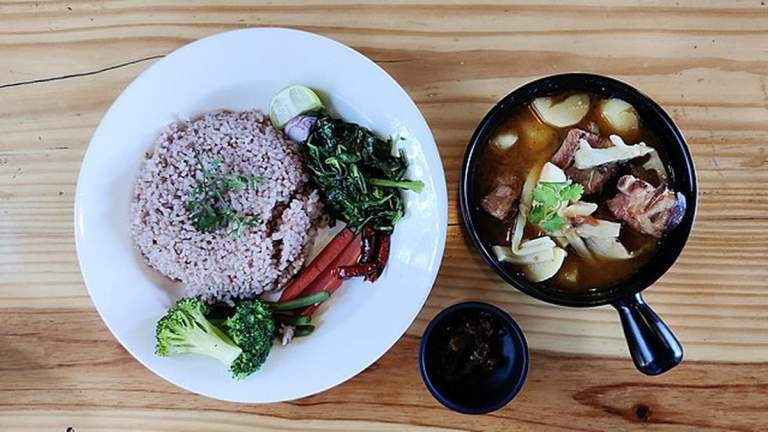
A traditional-style meal of rice, Hukoti, dal, and simple vegetables offers a taste of the food culture of Assam.
Cooking Tips for Delicious Hukoti Maas
- Choose good-quality dried fish: Use properly dried small fish without signs of spoilage or contamination.
- Roast over low heat: Slow roasting develops aroma without burning the fish.
- Prepare colocasia stalks properly: Use correctly identified, edible, thoroughly dried kosu stalks.
- Use clean equipment: The mortar, bamboo, banana leaf, and utensils must be clean and suitable for food preparation.
- Pack carefully: Traditional preparation calls for tight packing, but proper hygiene and controlled curing conditions are essential.
- Use mustard oil: It gives the fried Hukoti a familiar Assamese flavour.
- Fry on low heat: This prevents the mixture from burning and becoming bitter.
- Serve in small quantities: Hukoti has a concentrated smoky and salty flavour, so a little can go a long way.
Cultural Importance of Hukoti in Mising Food Tradition
Hukoti is more than a dried fish recipe. It represents a traditional way of preserving food using ingredients and materials available in the local environment. Fish from rivers and wetlands has long been an important part of food culture in Assam.
The use of bamboo is also closely connected with everyday life in the Northeast. Bamboo is used for cooking, storage, household tools, and many other purposes. In Hukoti preparation, the bamboo tube provides a traditional container for the fish mixture during curing.
The use of dried colocasia stalks, chillies, and smoke shows how local ingredients can be combined to create a distinctive flavour. The preparation also reflects the importance of food knowledge passed from one generation to another.
Today, traditional dishes such as Hukoti help preserve the culinary identity of the Mising community and introduce more people to the food traditions of Assam.
Frequently Asked Questions (FAQs)
1. What is Hukoti Maas?
Hukoti Maas is a traditional dried fish preparation associated with the Mising community of Assam. It is made by pounding sun-dried small fish with dried colocasia stalks, chillies, and salt, then traditionally storing the mixture in a bamboo tube for curing.
2. Which fish is used to prepare Hukoti?
Small river fish, particularly puthi, are commonly used. Other suitable small fish may also be used depending on local availability and traditional practices.
3. What is Kosu Thuri?
Kosu Thuri refers to dried colocasia stalks. They are used in the Hukoti preparation along with dried fish and chillies to add texture and flavour.
4. Why is Hukoti stored in bamboo?
Bamboo is a traditional storage material used in several Northeastern food preparations. In Hukoti making, the pounded fish mixture is packed into a bamboo tube as part of the traditional curing process.
5. How long does it take to prepare Hukoti Maas?
The preparation and pounding may take around 30–40 minutes, while traditional curing takes approximately three to four weeks or longer. Frying the prepared Hukoti for serving takes around 10–15 minutes.