


Borali Maas with Tamarind: A Tangy Assamese Fish Curry

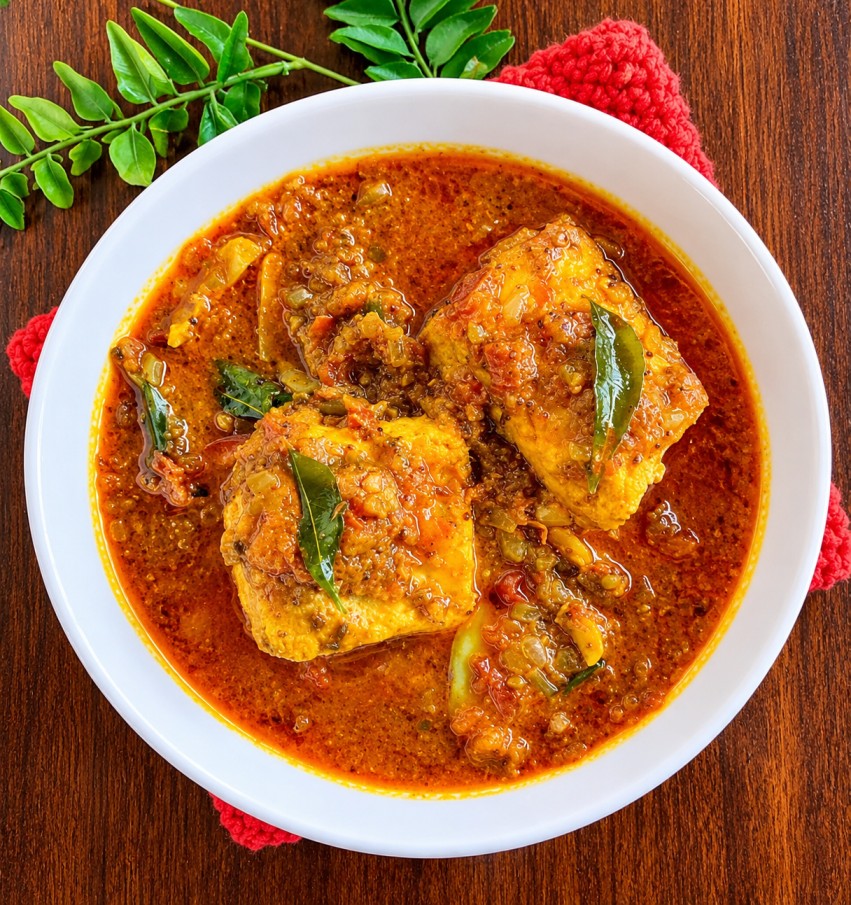
Borali Maas with Tamarind is a delicious fish curry that brings together the rich taste of Borali fish and the refreshing sourness of tamarind. Borali, also known as freshwater catfish, is a popular fish in Assam. It is loved for its soft texture, rich flavour and tender flesh. When cooked in a tangy tamarind gravy with tomatoes, green chillies and traditional spices, it becomes a wonderful dish to enjoy with steamed rice.
Fish is an important part of Assamese food culture. Many families prepare fish in different ways, using local ingredients such as tomatoes, lemon, elephant apple, bamboo shoots and herbs to create sour and flavourful curries. Tamarind is another ingredient that gives fish curry a pleasant sour taste. Its natural tanginess balances the richness of oily fish and makes the gravy refreshing.

This recipe takes inspiration from tamarind-based fish curries while using Borali Maas, a fish commonly enjoyed in Assam. It combines simple ingredients with an easy cooking method, making it suitable for a family lunch or dinner. If you enjoy sour fish curries, Borali Maas with Tamarind is a recipe worth trying.
What Makes Borali Maas with Tamarind Special?
Borali Maas with Tamarind is special because of the balance between the fish’s natural richness and the sour taste of tamarind. Borali fish has a soft, delicate texture and a distinctive flavour. Tamarind adds a pleasant sharpness to the gravy, while tomatoes provide mild sweetness and body.
The recipe also uses ginger, garlic, turmeric and green chillies to improve the flavour. A little sugar or jaggery can be added to balance the sourness, but it is optional. The final curry should have a good combination of sour, spicy, salty and mildly sweet flavours.
This dish can be prepared with easily available ingredients. It does not require complicated cooking techniques. The most important steps are cleaning the fish properly, frying it gently and adding it to the gravy at the right time.
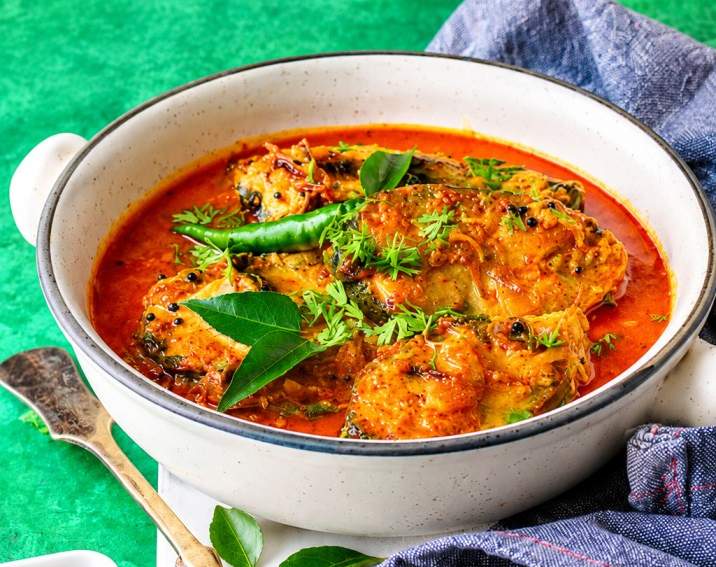
Ingredients for Borali Maas with Tamarind
The following ingredients are suitable for approximately four servings.
Main Ingredients
- Borali fish – 500 grams, cut into medium-sized pieces
- Tamarind pulp – 2 tablespoons
- Water – 2 to 2½ cups, as required
- Tomatoes – 2 medium-sized, chopped
- Onion – 2 medium-sized, finely sliced
- Green chillies – 3 to 4, slit lengthwise
- Ginger paste – 1 teaspoon
- Garlic paste – 1 teaspoon
- Turmeric powder – ½ teaspoon for the fish and ½ teaspoon for the gravy
- Red chilli powder – ½ teaspoon, according to taste
- Mustard seeds – ½ teaspoon
- Fenugreek seeds – ¼ teaspoon
- Salt – as required
- Sugar or jaggery – ½ to 1 teaspoon, optional
- Mustard oil – 4 to 5 tablespoons
- Fresh coriander leaves – 2 tablespoons, chopped
For the Tamarind Water
- Tamarind – a small lemon-sized piece, or 2 tablespoons of prepared tamarind pulp
- Warm water – ½ cup
If you prefer a stronger sour taste, you can increase the amount of tamarind slightly. However, it is better to begin with a smaller quantity and adjust the flavour while cooking.
Preparation Before Cooking
Start by cleaning the Borali fish properly. Remove the unwanted parts and wash the pieces carefully under clean running water. Drain the extra water and place the fish in a bowl. Add turmeric powder and salt, then gently mix so that every piece is coated. Keep the fish aside for around 10 to 15 minutes.
Next, prepare the tamarind water. If you are using a whole tamarind piece, soak it in half a cup of warm water for about 10 minutes. Press the softened tamarind with your fingers or a spoon to release its pulp. Strain the mixture to remove seeds and fibres. Keep the tamarind water ready.
If you are using prepared tamarind pulp, mix it with warm water until it becomes smooth. Chop the tomatoes and onions, slit the green chillies and prepare the ginger and garlic paste. Keeping everything ready before cooking makes the process easier.
How to Cook Borali Maas with Tamarind
Step 1: Fry the Fish
Heat mustard oil in a frying pan or kadai over medium heat. Allow the oil to become hot. Carefully place the marinated Borali fish pieces into the pan without overcrowding it. Fry them gently on both sides until they become lightly golden.
Borali fish is delicate, so avoid turning the pieces repeatedly. Use a flat spatula and handle them carefully to prevent breaking. The purpose of frying is to give the fish a light outer layer and help it hold its shape when added to the curry. Once lightly fried, remove the pieces and keep them on a plate.
Step 2: Prepare the Spice Base
Use the same kadai after removing excess oil if necessary. Add mustard seeds and fenugreek seeds to the warm oil. Allow them to crackle gently. Be careful not to burn the fenugreek seeds, as burnt seeds can make the curry bitter.
Add the sliced onions and cook until they become soft and slightly golden. Then add ginger paste and garlic paste. Stir for a minute or two until their raw smell disappears.
Add turmeric powder and red chilli powder. Mix the spices with the onion mixture. If the mixture becomes too dry, add a small splash of water to prevent the spices from burning.
Step 3: Add Tomatoes and Green Chillies
Add the chopped tomatoes and slit green chillies to the kadai. Cook them over medium heat until the tomatoes soften and begin to break down. Stir occasionally so that the mixture does not stick to the bottom of the pan.
The tomatoes add a mild sweetness and help create a thick gravy. Green chillies provide freshness and heat. You can reduce the number of chillies if you prefer a mild curry.
Step 4: Add Tamarind Water
Pour the prepared tamarind water into the kadai. Add around 1½ to 2 cups of water, depending on how much gravy you want. Mix everything gently and bring the curry to a boil.
Add salt according to taste. If the tamarind is very sour, add a little sugar or jaggery to balance the flavour. Do not add too much at once. Taste the gravy and adjust the seasoning gradually.
Allow the gravy to simmer for around 5 to 7 minutes. This gives the tamarind, tomatoes and spices enough time to blend together.
Step 5: Add the Fried Borali Fish
Gently place the fried Borali fish pieces into the simmering tamarind gravy. Do not stir vigorously because the fish may break. Instead, hold the kadai carefully and move it slightly so that the gravy coats the pieces.
Cover the kadai and cook over low heat for approximately 5 to 7 minutes, or until the fish is fully cooked. The exact cooking time depends on the thickness of the pieces. Avoid overcooking, as Borali fish has a soft texture and can easily become fragile.
Step 6: Finish and Serve
Once the fish is cooked, check the taste of the gravy. Add a little more salt, tamarind water or sugar if required. Sprinkle chopped coriander leaves over the curry and switch off the heat.
Allow the curry to rest for a few minutes before serving. This helps the flavours settle and makes the dish more enjoyable.
Serve hot Borali Maas with Tamarind with steamed rice. The tangy gravy tastes especially good when mixed with plain rice.
Tips for Making the Perfect Borali Maas with Tamarind
Choose fresh fish: Fresh Borali fish gives the best flavour and texture. Look for fish with a fresh smell, clear eyes and firm flesh.
Do not over-fry the fish: Light frying is enough. Deep frying can make the fish dry and reduce its soft texture.
Adjust tamarind carefully: Tamarind can be very sour. Begin with a small amount and add more only after tasting the gravy.
Balance the flavours: A good tamarind fish curry should not taste only sour. Salt, green chillies and a little sugar or jaggery can help create a balanced flavour.
Cook on low heat after adding fish: Gentle cooking helps the Borali pieces remain whole and allows them to absorb the gravy.
Avoid excessive stirring: Move the kadai gently instead of mixing the fish repeatedly with a spoon.
Health and Food Value of Borali Fish
Fish is a useful source of protein, which helps the body build and repair tissues. Depending on the species and its natural diet, freshwater fish may also provide important nutrients such as vitamin B12, vitamin D and minerals.
Borali fish is valued for its soft flesh and rich taste. Tamarind and tomatoes add flavour and provide some plant-based nutrients. Ginger, garlic and green chillies also contribute aroma and taste to the dish.
The nutritional value of the final fish curry depends on the size of the fish portions, the amount of mustard oil used and the other ingredients. For a balanced meal, serve it with rice and a portion of seasonal vegetables.
Best Ways to Serve Borali Maas with Tamarind
Borali Maas with Tamarind tastes best when served hot with plain steamed rice. The sour gravy mixes beautifully with rice and makes a satisfying meal.
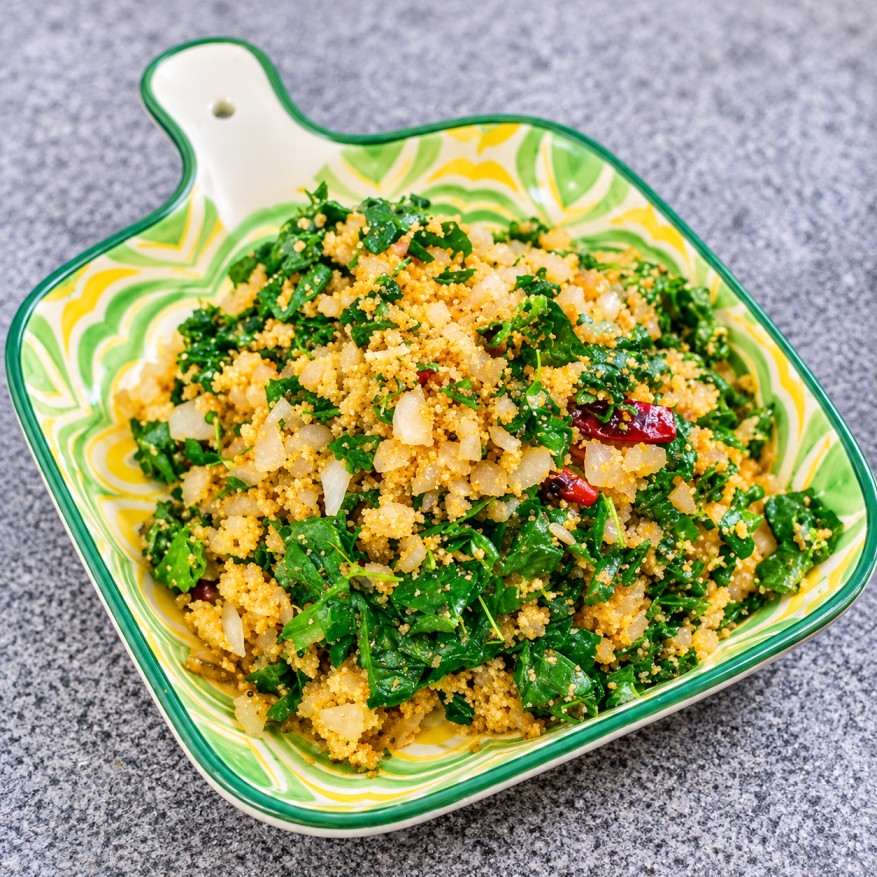
You can also serve it with:
- Plain steamed rice
- Joha rice
- Boiled seasonal vegetables
- A simple cucumber and onion salad
- A traditional Assamese thali
For a traditional Assamese-style meal, serve the curry with rice, a vegetable dish and a small serving of fresh herbs or salad. Since the curry already has a strong sour flavour, keep the side dishes simple.
FAQs About Borali Maas with Tamarind
1. What is Borali Maas?
Borali Maas is a freshwater fish preparation made using Borali fish, a type of freshwater catfish commonly enjoyed in Assam. It is known for its soft flesh and distinctive flavour.
2. What does tamarind add to Borali fish curry?
Tamarind adds a sharp, sour taste to the curry. It balances the richness of the fish and creates a refreshing gravy.
3. Can I use fresh tamarind instead of tamarind paste?
Yes. Soak fresh tamarind in warm water, press it to release the pulp and strain the liquid before adding it to the curry.
4. Can I prepare Borali Maas with Tamarind without frying the fish?
Yes. You can add cleaned and seasoned fish directly to the simmering gravy. However, handle it carefully because Borali fish is delicate and may break more easily.
5. How can I reduce the sourness of the curry?
Add a small amount of sugar or jaggery and adjust the salt. You can also add a little more water and simmer the gravy briefly to balance the taste.