
Naga Remains Return from Oxford

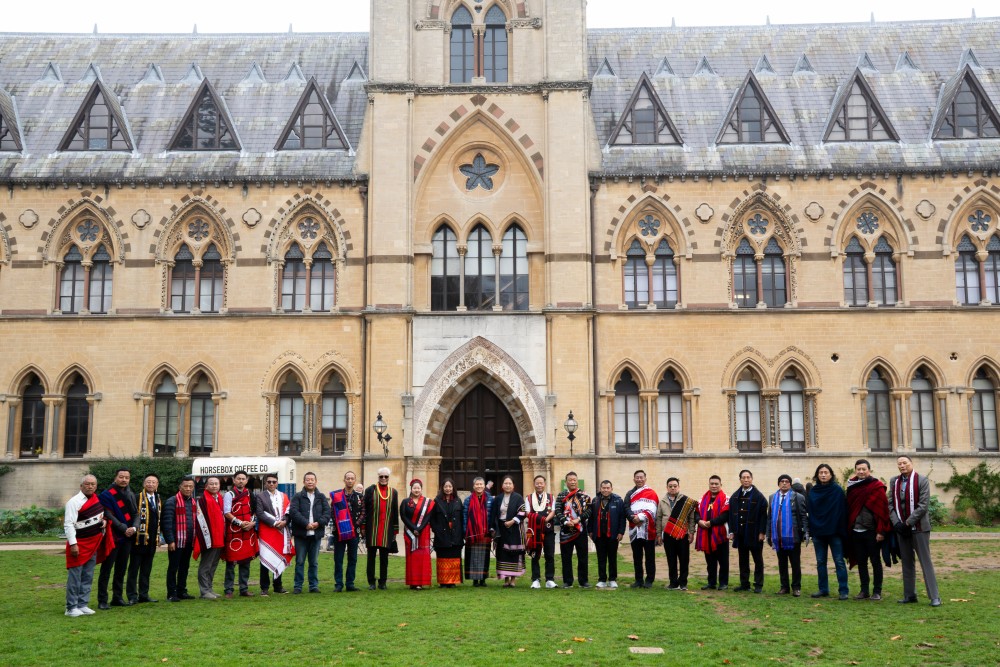
Naga Remains Return marks an important moment for the Naga people and their efforts to bring ancestral human remains back to their homeland. The University of Oxford’s Pitt Rivers Museum in the United Kingdom returned the remains of 39 Naga people to community representatives on 9 November 2026. The handover took place at the museum in Oxford and was attended by nearly 30 representatives who travelled from Nagaland.
The return is the result of a six-year, community-led effort. It also highlights growing discussions around the return of human remains and cultural objects taken from communities during the colonial period.

How the Naga Ancestral Remains Reached Oxford
The remains, which mainly include human skulls, were taken from Naga communities during British colonial rule between 1910 and 1940. They were later held in the collection of the Pitt Rivers Museum at the University of Oxford.
For many communities, ancestral remains are closely connected to identity, history, cultural traditions and respect for the dead. Their return is therefore more than a museum transfer. It allows the Naga people to bring their ancestors back to their homeland and arrange their burial according to their community’s wishes.
Six-Year Effort Led by Naga Representatives
The process began in 2020 through discussions and efforts led by Naga representatives. A formal request was made by a Naga delegation that visited Oxford in June 2025. Following the request and further discussions, the Oxford University Council approved the return on 13 July 2026.
The transfer of title was signed on 9 November 2026 by Professor Laura Van Broekhoven, Director of the Pitt Rivers Museum, and Rev. Dr Wati Aier, representing the Forum for Naga Reconciliation. Visier Sanyu and Thejao Vihienuo witnessed the agreement. Vihienuo represented the Naga Tribe Hoho and also serves as president of the Angami Public Organisation.
The involvement of Naga organisations was important because the process was guided by the community whose ancestors’ remains were being returned.
Planned Burial at Naga Solidarity Park
After the handover, the 39 ancestral remains began their journey from Oxford to Nagaland. The remains are planned to be buried at a joint memorial site in Naga Solidarity Park in Kohima.
The planned burial will provide a shared place for remembrance and respect. It also represents an important step towards addressing the pain connected with the removal of ancestral remains during colonial rule.
For the Naga representatives, bringing the remains home is connected with restoring dignity to their ancestors and strengthening the relationship between present generations and their history.
Pitt Rivers Museum and Its Colonial Collection
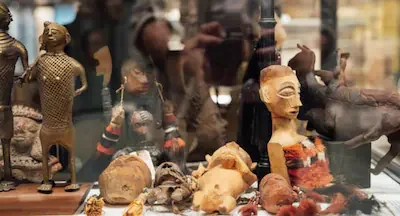
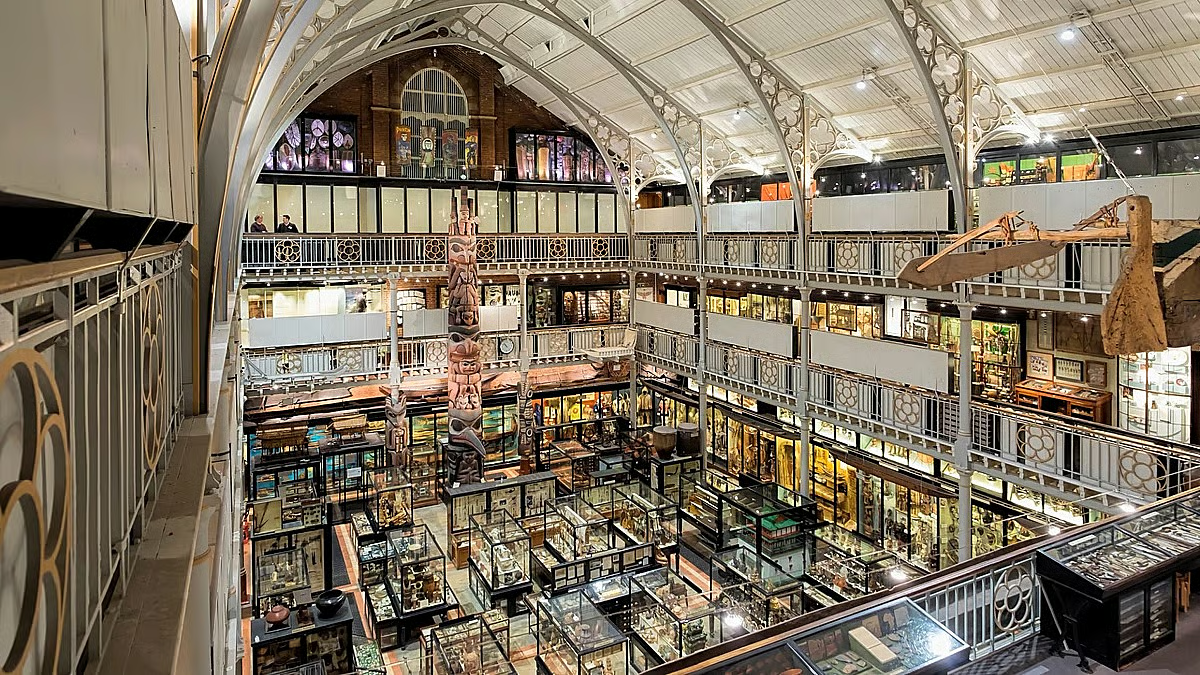
The Pitt Rivers Museum is part of the University of Oxford and is known for its large collection of cultural and historical objects from different parts of the world. It holds more than 6,000 cultural objects connected to the Naga people.
The museum has also taken steps to review how it displays and manages collections linked to colonial history. In 2020, it removed all human remains from public display as part of its efforts to address its colonial legacy.
Museum Director Professor Laura Van Broekhoven signed the transfer agreement on behalf of the institution. University Vice-Chancellor Professor Irene Tracey described the return as an important moment for reconciliation, healing and peace between the university and the Naga people.
Growing Global Discussion on Repatriation
The return of the Naga ancestral remains is part of a wider international discussion about the ownership and return of cultural heritage. Museums and universities in several countries hold objects and human remains collected during colonial rule, exploration and other historical periods.
Communities around the world have increasingly called for these materials to be returned. They argue that ancestral remains should be treated with dignity and that cultural objects should be handled with respect for the people and traditions they represent.
Repatriation involves more than sending an object or human remain back to its place of origin. It often requires research, community consultation, legal decisions and agreement on how the returned materials will be cared for.
The return of the 39 Naga ancestral remains from Oxford is an important example of community-led efforts to address the legacy of colonial collection practices. Their planned burial in Kohima will give the Naga community an opportunity to remember their ancestors and reconnect with an important part of their history.