


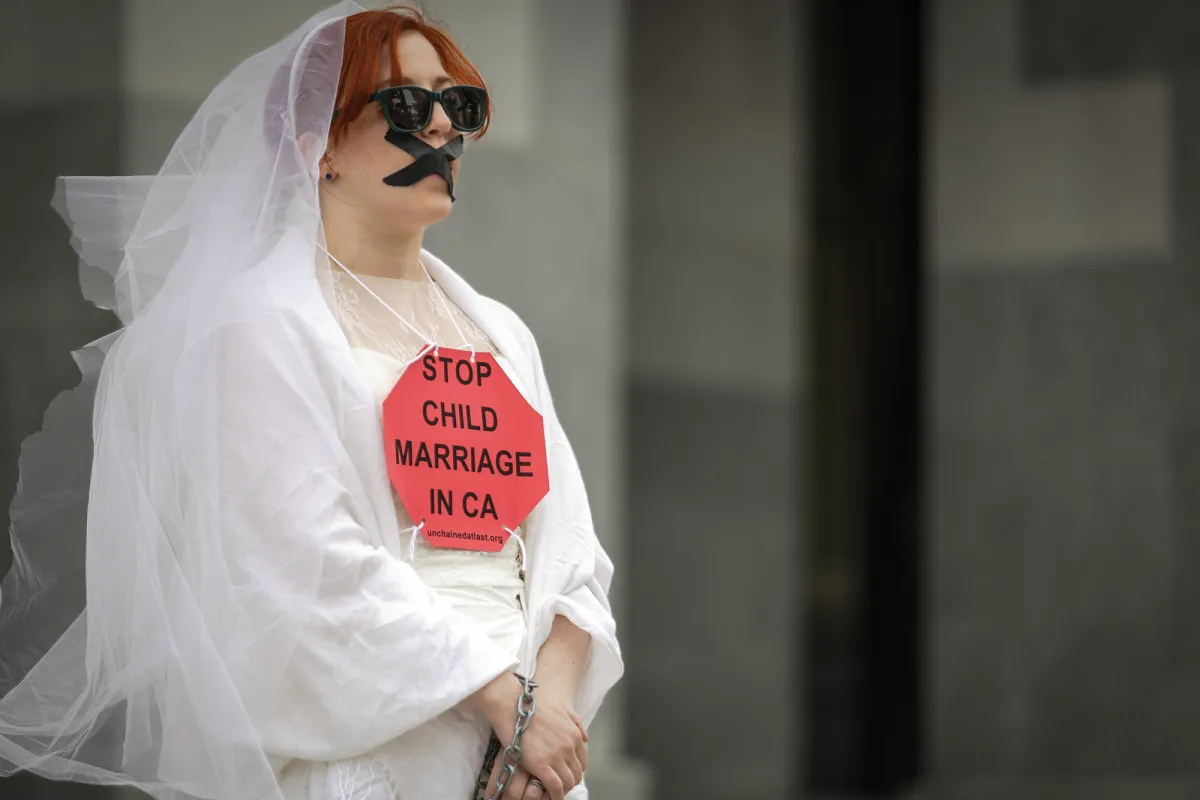
California Child Marriage Ban Begins in 2027

California Child Marriage Ban legislation has made California the first US state to set 18 as the minimum age for marriage and domestic partnerships without any exceptions. California Governor Gavin Newsom signed Assembly Bill 1267 into law on September 30, 2026. The new law will take effect on January 1, 2027.
Thank you for reading this post, don't forget to subscribe!The legislation changes California’s previous rules, under which minors could marry in certain circumstances with parental consent and court approval. The new law removes those exceptions and establishes a clear minimum age of 18 for marriage and domestic partnerships.
Assembly Bill 1267 Changes Marriage Rules
Assembly Bill 1267 is a California state law passed by the state legislature in 2026. Its main provision is to prevent people under the age of 18 from entering into marriage or domestic partnerships in the state.
Under the earlier rules, California did not have a strict minimum age that applied in every situation. Minors could potentially marry if required permissions and court procedures were completed.
The new California Child Marriage Ban removes this system of exceptions. Once the law becomes effective, a person must be at least 18 years old to marry or enter into a domestic partnership in California.
The legislation applies to both marriage and domestic partnerships, making the change broader than a law that only regulates marriage.

Law Takes Effect in January 2027
Although Governor Gavin Newsom signed Assembly Bill 1267 on September 30, 2026, the law will not take effect immediately. Its effective date is January 1, 2027.
The gap between signing and implementation gives state agencies, courts and other institutions time to prepare for the new requirements.
From the effective date, the previous exceptions allowing minors to marry with parental or judicial approval will no longer apply under California law.
California’s Position Among US States
Marriage laws in the United States are largely regulated at the state level, so the minimum age and exceptions can differ from one state to another.
Before the passage of AB 1267, California was one of three states that did not have a fixed minimum marriage age under its previous legal framework. The other two were New Mexico and Mississippi.
With the new legislation, California becomes the 18th US state to completely prohibit marriage below the age of 18, according to the information accompanying the legislation.
The change adds California to a growing group of states that have adopted stricter rules around marriages involving minors.
What the New Law Removes
The California Child Marriage Ban is significant because it removes exceptions that previously allowed minors to marry.
Earlier California rules permitted a minor to marry in certain circumstances when parental consent and judicial approval were obtained. The court system could review the circumstances before allowing such a marriage.
AB 1267 removes this route.
The new rule establishes 18 as the minimum age without exceptions. This means that parental permission or court approval will no longer provide an alternative pathway for someone under 18 to marry.
Domestic Partnerships Also Covered
The legislation does not only apply to marriage. It also covers domestic partnerships.
Domestic partnerships are legally recognised relationships that provide certain rights and responsibilities to couples under state law. By including these partnerships in AB 1267, California has extended the minimum-age requirement beyond traditional marriage.
This provision makes the new legislation applicable to two forms of legally recognised relationships in the state.
Campaign by Survivors and Advocates
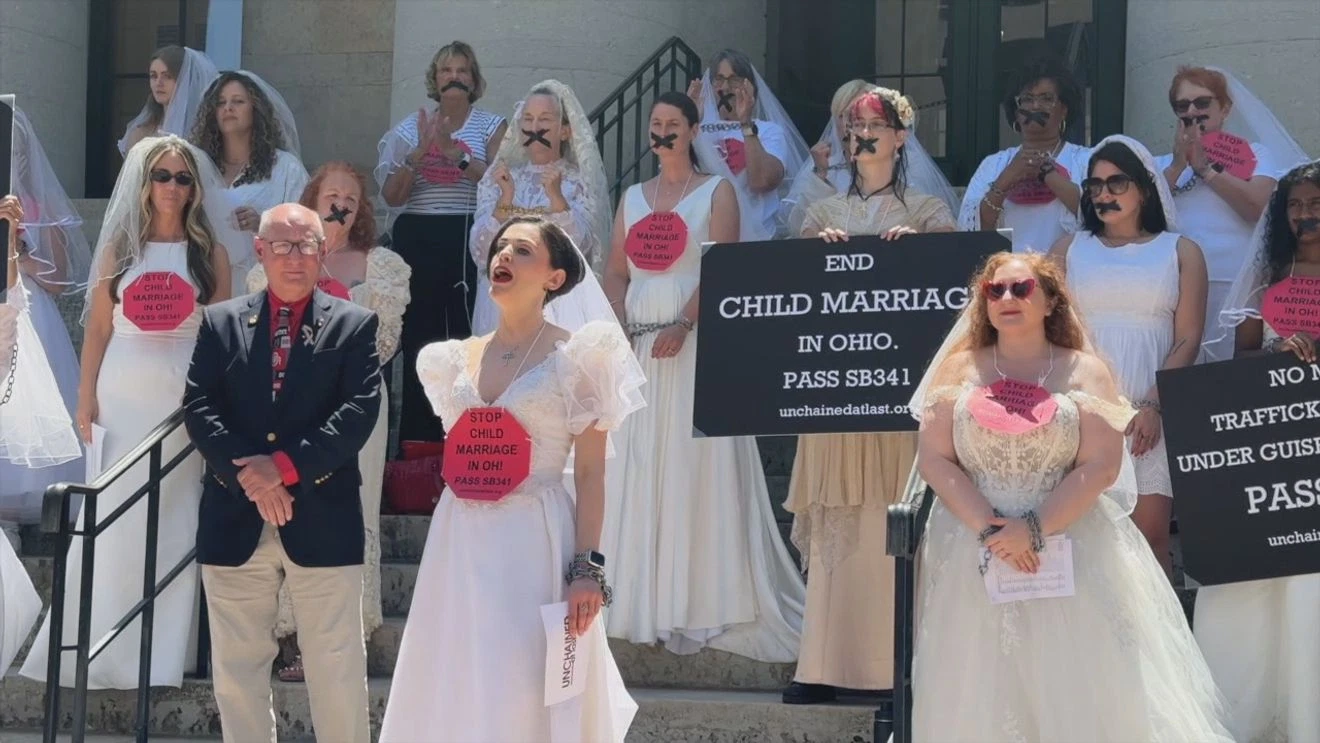
The legislation received support from people who had experienced child marriage as well as organisations working on the issue.
Among the survivors and advocates associated with the campaign were Courtney Stodden, Christina Sutton and Sara Tasneem. The measure was sponsored by Unchained at Last and the California Commission on the Status of Women and Girls.
Supporters of the legislation argued that setting a firm minimum age would remove legal pathways that allowed minors to enter marriage.
The campaign developed over several years, following earlier efforts to change California’s marriage laws.
Earlier Attempts to Change the Law
California had previously considered proposals to establish stricter rules on marriage involving minors.
Earlier efforts to introduce an absolute ban faced opposition from organisations including the American Civil Liberties Union and Planned Parenthood. In 2018, California adopted a measure that introduced additional review requirements instead of establishing a complete ban.
That system involved judicial review and review by Family Court Services in cases involving minors.
Assembly Bill 1267 represents a further change by removing the exception itself rather than adding another layer of review.
State Law, Not Federal Law
The California Child Marriage Ban is a state-level law. Assembly Bill 1267 was passed by the California Legislature and signed by the governor.
It is not a federal law covering the entire United States.
Because marriage law is primarily handled by individual states, each state can establish its own rules concerning marriage age and exceptions. This is why the legal position on child marriage has differed across the United States.
California’s new law therefore changes the rules within California rather than automatically changing marriage laws in other states.
What Changes From January 2027
When AB 1267 takes effect on January 1, 2027, California’s minimum age for marriage will be 18 with no exceptions. The same minimum-age rule will apply to domestic partnerships covered by the legislation.
The change removes the previous possibility of obtaining permission through parents and the courts for a minor to marry.
The implementation will make California’s legal framework different from its earlier system, which allowed limited exceptions for minors.
Wider Discussion Around Child Marriage
Child marriage remains a legal and social issue that differs significantly across countries and within federal systems such as the United States.
California’s legislation focuses on establishing a single minimum age within the state. The change also reflects a longer legislative process involving lawmakers, advocacy groups, survivors and organisations that have participated in discussions about marriage involving minors.
As the new law takes effect in 2027, California will have a clear statutory minimum age of 18 for marriage and domestic partnerships, without the exceptions that existed under its previous system.