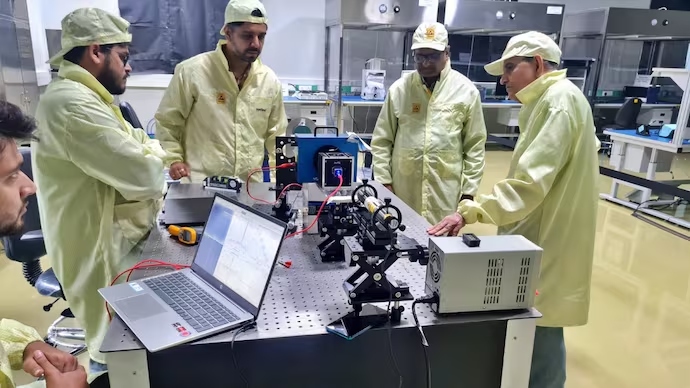




THE Rankings 2027 Released

THE Rankings 2027 were released by Times Higher Education on September 30, 2026, covering 2,297 research-intensive universities across 118 countries and territories. The latest edition shows continued growth among Asian universities, while traditional institutions in the United States and United Kingdom continue to occupy many of the highest positions. The ranking also includes more institutions than the previous edition, which covered 2,191 universities.
Thank you for reading this post, don't forget to subscribe!Oxford Remains at the Top
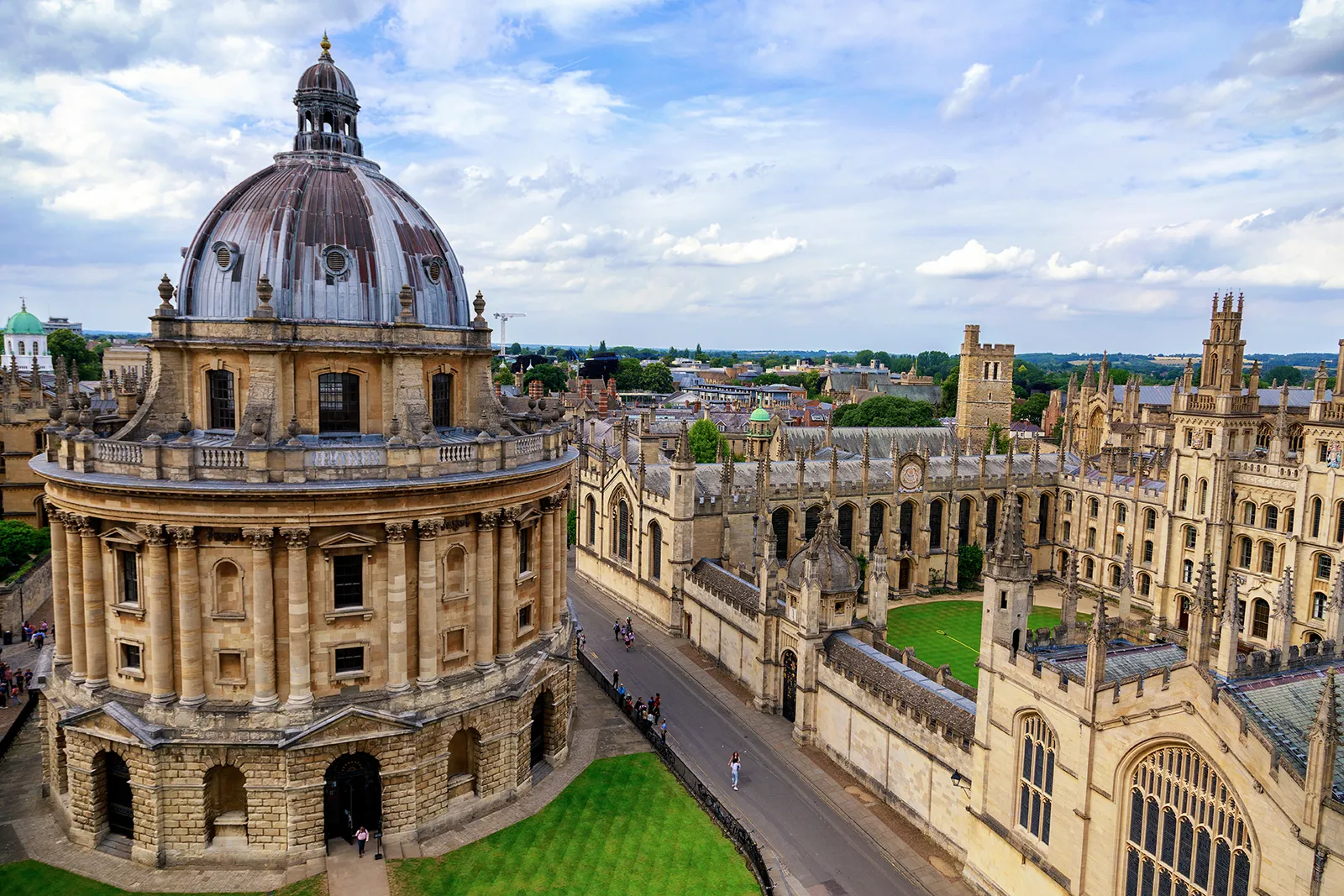
The University of Oxford retained the number one position in the THE Rankings 2027, marking its 11th consecutive year at the top. MIT remained second, while Princeton and Stanford shared third place. Cambridge was fifth, followed by Harvard at sixth. Caltech and Imperial College London retained seventh and eighth positions, while UC Berkeley and Yale shared ninth place.
Oxford’s continued position was supported by its performance across several areas, including research productivity, international co-authorship and its doctorate-to-staff ratio. THE noted that the gap between Oxford and MIT was extremely small, with only 0.1 points separating the two institutions overall.
Asia Gains More Ground
One of the major developments in the THE Rankings 2027 is the stronger performance of Asian universities. Tsinghua University moved up to 11th place, overtaking Switzerland’s ETH Zurich and becoming the highest-ranked university in Asia.
Peking University remained at 13th, while the National University of Singapore moved up two places to 15th. This means three Asian universities are now among the global top 15 for the first time.
THE reported that Asian universities have resumed their upward movement after a slower period in the previous edition. Improvements in research performance have played an important role in the progress of several institutions.
India Records 143 Ranked Institutions
India is among the countries with the largest number of universities included in the THE Rankings 2027. A total of 143 Indian institutions appear in the latest edition, making India the second-most represented country after the United States, which has 168 institutions.
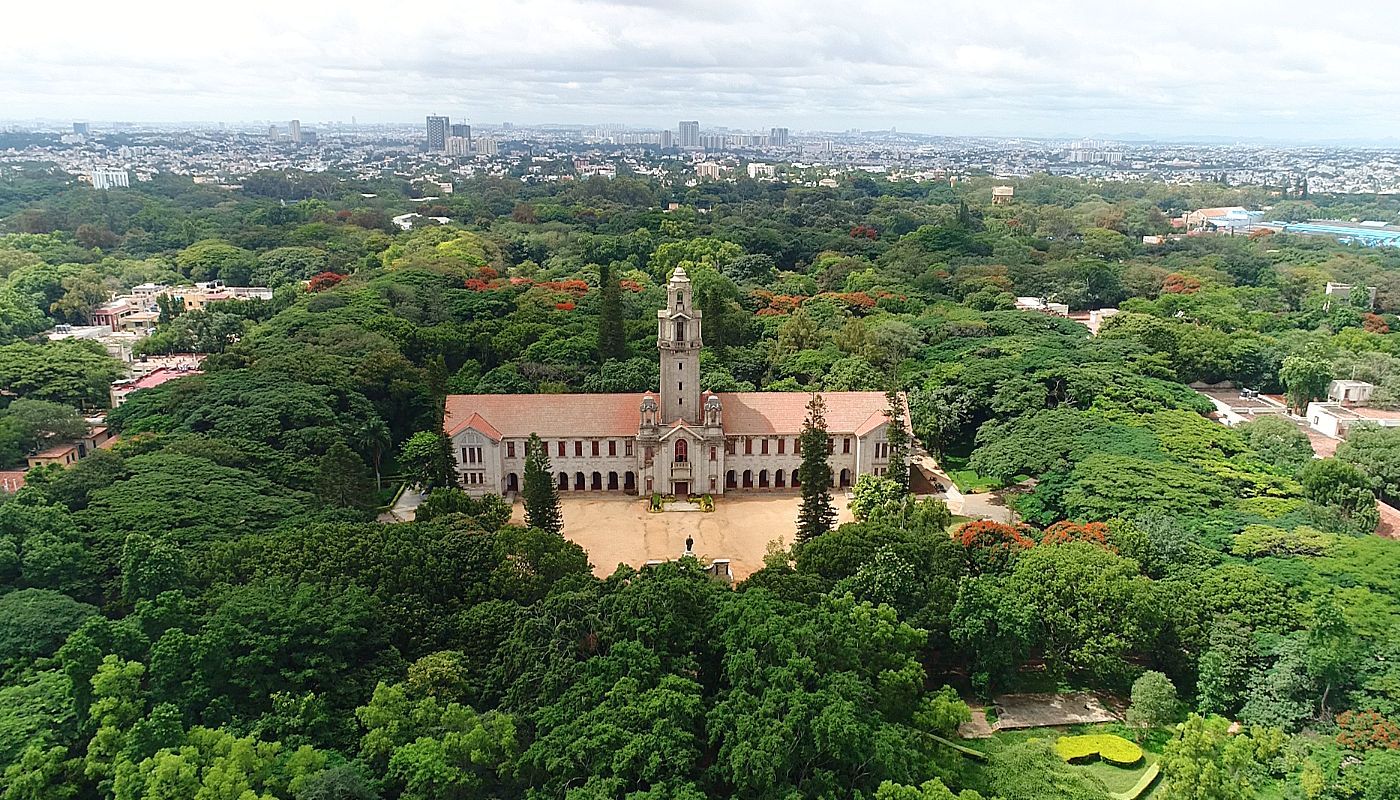
The Indian Institute of Science (IISc) Bengaluru is India’s highest-ranked institution, placed at joint 254th globally. Saveetha Institute of Medical and Technical Sciences follows in the 326–350 band, while Shoolini University of Biotechnology and Management Sciences is placed in the 451–500 band.
The latest results come as Indian universities continue to expand their participation in global rankings. However, no Indian institution appears in the global top 200 in this edition.
New Countries Join the Ranking
The THE Rankings 2027 also expanded their geographical coverage. Albania and Malawi appeared in the rankings for the first time.
The University of Tirana from Albania entered the 2,001+ band, while Malawi’s Kamuzu University of Health Sciences was placed in the 1,201–1,400 band. Ethiopia also returned to the ranking after last appearing in the 2025 edition.
This wider participation gives the annual ranking a broader view of higher education systems across different regions.
New Ranking Bands Added
The 2027 edition introduced more detailed ranking bands. THE now provides individual positions up to rank 300, compared with rank 200 in the previous edition. Below that level, universities are grouped into smaller bands before the groups become wider further down the table.
The ranking now has 18 bands, ranging from 301–325 through to 2,001+. THE says the new structure is designed to provide more detail when comparing institutions with similar overall performance.
Five Areas Used to Assess Universities
The THE Rankings 2027 assess universities through five broad areas: teaching, research environment, research quality, international outlook and industry.
The framework uses multiple performance indicators covering areas such as research productivity, citations, research income, international staff and students, international collaboration and links with industry.
This means the ranking is not based only on academic teaching. Research output, global connections and relationships with industry also contribute to how universities perform in the table.
Asia Moves Ahead of Continental Europe
THE’s 2027 results show that Asian universities have collectively moved ahead of mainland European institutions in the overall ranking landscape. China increased its number of universities in the global top 200 from 13 to 17, with most of its institutions improving their positions.
Southeast Asian universities also continued to make progress. Singapore’s NUS reached 15th place, while Nanyang Technological University moved from joint 31st to 28th.
Malaysia also recorded a notable development, with Universiti Malaya reaching 194th place and becoming the first Malaysian university to enter the global top 200.
The 2027 results therefore highlight a changing global higher education landscape, with Asian universities gaining more representation at the highest levels while the United States and United Kingdom continue to have a large presence among the world’s leading institutions.