



Congo Monkey Species Discovered in Rainforest

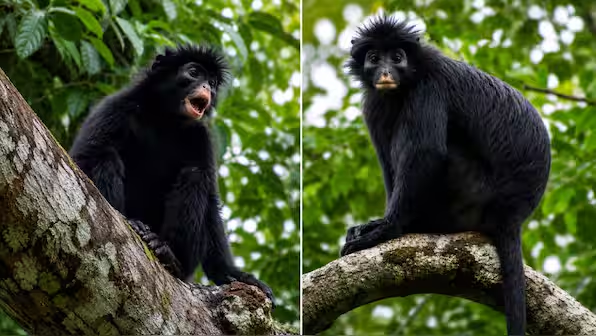
Congo Monkey Species has become a major topic in wildlife research after scientists officially identified a new monkey species in the Democratic Republic of Congo. Named Colobus congoensis, the newly discovered primate is locally known as Likweli. The discovery is an important step in understanding the rich biodiversity of the Congo Basin, one of the world’s largest tropical rainforest regions. Researchers believe the finding will help strengthen wildlife conservation efforts and improve scientific knowledge about African primates.
The new species belongs to the colobus monkey group, which includes Old World monkeys found across different parts of Africa. Although local communities had known about the animal for years, scientists needed detailed evidence before confirming that it was a completely separate species. After years of research, genetic studies, physical examinations, and sound recordings proved that the Likweli monkey is different from all previously known colobus monkeys.

Scientists Confirm a New Species
The discovery of Colobus congoensis was confirmed through several scientific methods. Researchers studied the monkey’s DNA, body structure, and vocal sounds to compare it with other colobus monkeys living in Central Africa.
The closest known relative of the newly identified species is Colobus satanas, another African colobus monkey. However, the two species live more than 1,200 kilometres apart. Scientists estimate that they separated from a common ancestor around 4 to 5 million years ago, making them distinct species today.
The research findings were published in the internationally recognised peer-reviewed journal PLOS One on 15 July 2026, giving the discovery global scientific recognition.
Unique Physical Features
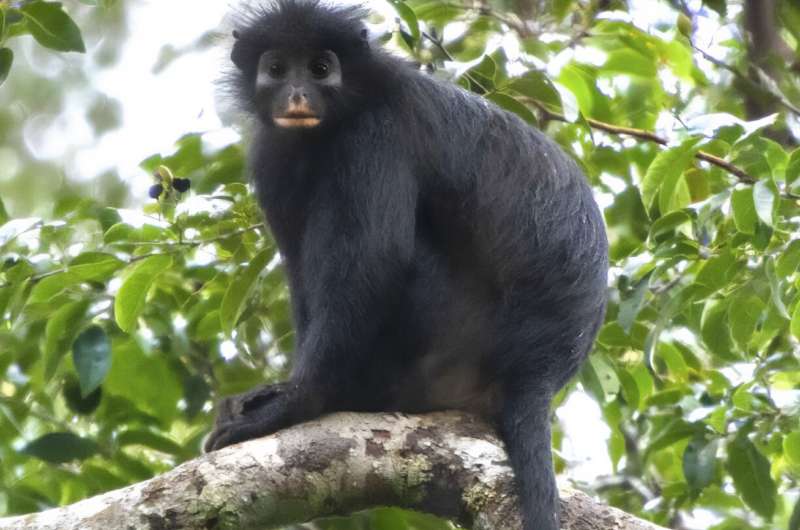
The Likweli monkey has several features that make it different from other colobus monkeys.
It has:
- A mostly black body.
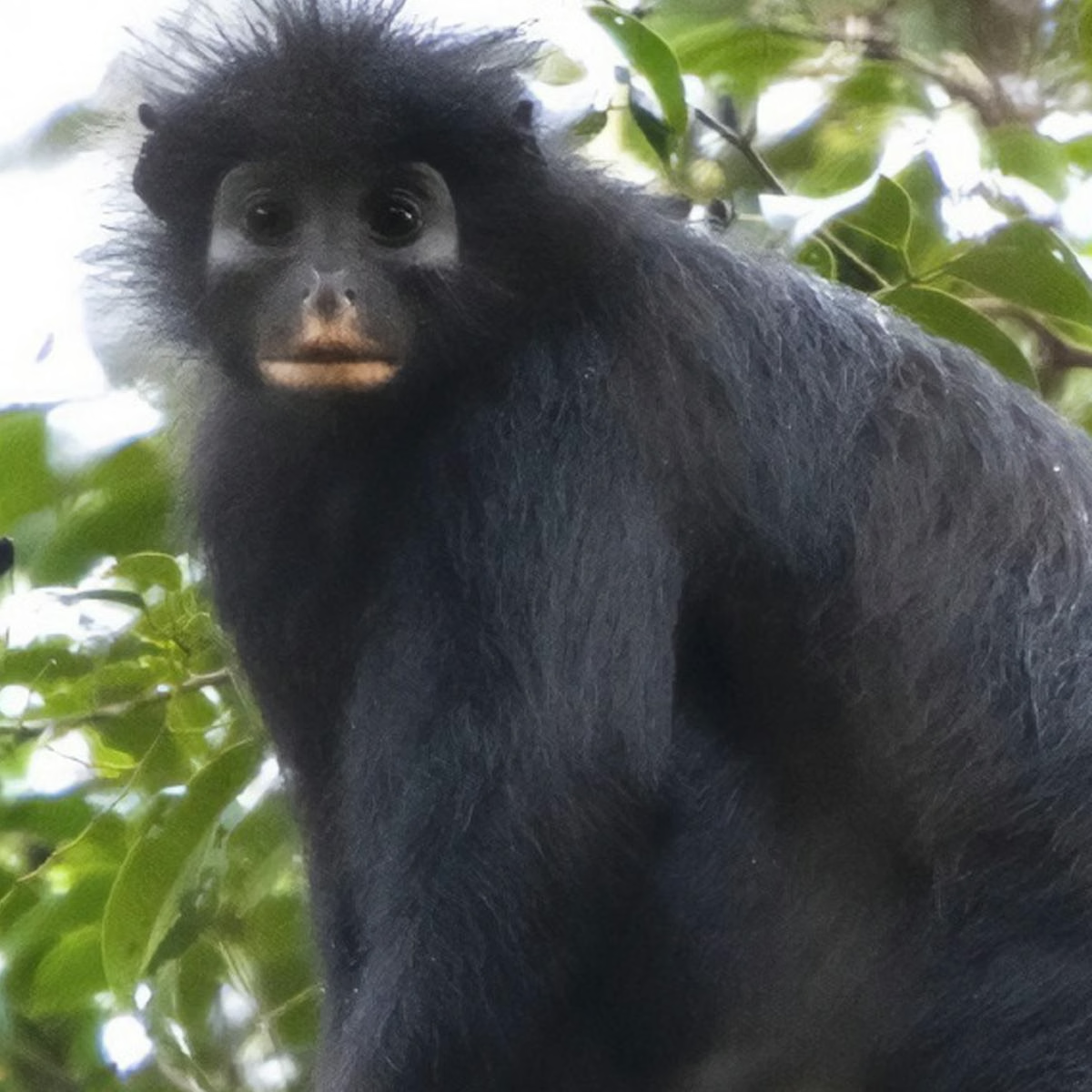
- Pinkish-orange lips or cream-orange patches around the mouth and nose.
- Bare grey cheekbones.
- A white patch of fur around the anus.
These physical characteristics, along with its unique calls and genetic differences, helped researchers officially classify it as a separate species.
Scientists say that careful observation of these features was necessary because many colobus monkeys look similar at first glance.
Found Deep Inside the Congo Basin
The newly discovered monkey lives in a very small part of the Congo Basin, one of the world’s richest rainforest ecosystems.
Its known habitat covers only about 1,700 square kilometres, located mainly between the Lomami River and the Lilo River inside Lomami National Park in the Democratic Republic of Congo.
Because the monkey occupies such a limited area, scientists believe it is highly vulnerable to environmental changes and human activities.
The Congo Basin is often called the “second lung of the Earth” after the Amazon because of its vast forests that absorb carbon dioxide, regulate climate, and support thousands of plant and animal species.
A Discovery That Took Nearly Two Decades
The identification of the new monkey species did not happen overnight.
Researchers first captured a blurry photograph of the animal during an expedition along the Lomami River in 2008. At that time, the image was not clear enough to determine whether it represented a new species.
In 2018, scientists obtained much clearer photographs and field observations. These findings encouraged researchers to begin a detailed investigation involving wildlife surveys, genetic testing, and acoustic analysis.
After years of collecting evidence, the research team finally confirmed that the monkey was indeed an entirely new species.
This long research process shows how difficult wildlife discoveries can be, especially in remote rainforest regions.
Importance of the Congo Rainforest
The Congo Basin rainforest stretches across several Central African countries and is the second-largest tropical rainforest in the world after the Amazon.
It plays an important role by:
- Storing large amounts of carbon.
- Supporting thousands of animal and plant species.
- Protecting endangered wildlife.
- Providing water and natural resources to millions of people.
- Helping regulate global climate.
Scientists continue to discover new species in the Congo Basin because many areas remain unexplored due to their dense forests and remote location.
Conservation Challenges
Although the discovery is exciting, researchers are also concerned about the future of the new species.
The monkey has a very small population living within a limited range. Its forest habitat faces threats from illegal hunting, habitat destruction, and human activities.
Because of these risks, scientists have recommended that Colobus congoensis be listed as Endangered on the IUCN Red List.
An Endangered status would encourage stronger conservation measures and help attract international support for protecting the species and its habitat.
Protecting forests is becoming increasingly important as climate change and deforestation continue to affect wildlife around the world.
Rare Discovery in African Wildlife
Finding a completely new monkey species in Africa is extremely uncommon.
According to researchers, Colobus congoensis is only the fifth new African monkey species identified during the past 75 years.
This makes the discovery one of the most important wildlife findings in recent years and highlights how much remains to be learned about biodiversity in tropical forests.
Scientists believe more unknown species may still exist in remote parts of Central Africa, where many forests have not yet been fully explored.
International Research Collaboration
The discovery was made possible through cooperation between several international research organisations.
The research team included experts from:
- Florida Atlantic University
- Lukuru Wildlife Research Foundation
- Yale University
- City University of New York
- Lomami National Park
- Frankfurt Zoological Society
The collaboration combined field research, laboratory analysis, and conservation expertise to confirm the identity of the new species.
Their work also highlights the importance of partnerships between scientists, conservation groups, and local communities in protecting wildlife.
The discovery of Colobus congoensis reminds the world that many natural habitats still hold unknown species waiting to be discovered. It also highlights the need to protect tropical rainforests, which continue to play a vital role in conserving biodiversity and supporting global environmental balance.