DGCA Policy Change IndiGo Faces Major Operational Shift

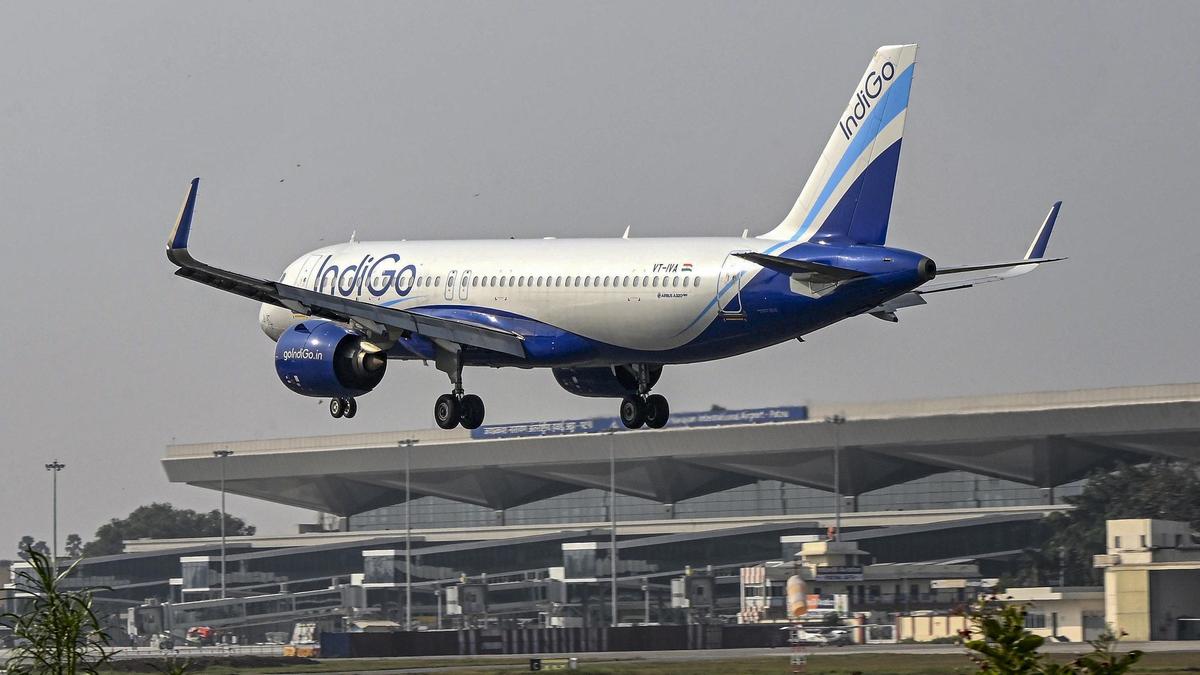
DGCA Policy Change IndiGo has become one of the biggest developments in India’s aviation sector, as the Directorate General of Civil Aviation has officially withdrawn its recently issued weekly rest instruction for flight crew. This reversal comes at a time when airlines, especially IndiGo, have been struggling with severe schedule disruptions and unprecedented flight cancellations across the country. The change provides immediate breathing room to carriers facing manpower shortages triggered by the revised Flight Duty Time Limitations (FDTL) norms that came into effect in November 2025.
Thank you for reading this post, don't forget to subscribe!The aviation industry has been under pressure for weeks, and the rollback of the weekly rest instruction marks a major turning point. Airlines, crew members and passengers alike are looking at this development as a step that may stabilize flight operations and reduce further cancellations.
DGCA Policy Change IndiGo: What Led to the Withdrawal of the Weekly Rest Instruction
The DGCA had earlier implemented a strict rule requiring all flight crew members to receive 48 continuous hours of weekly rest, and importantly, leave could no longer be counted as part of this rest period. The intention was to improve fatigue management for pilots and crew, strengthening aviation safety and ensuring better working conditions.
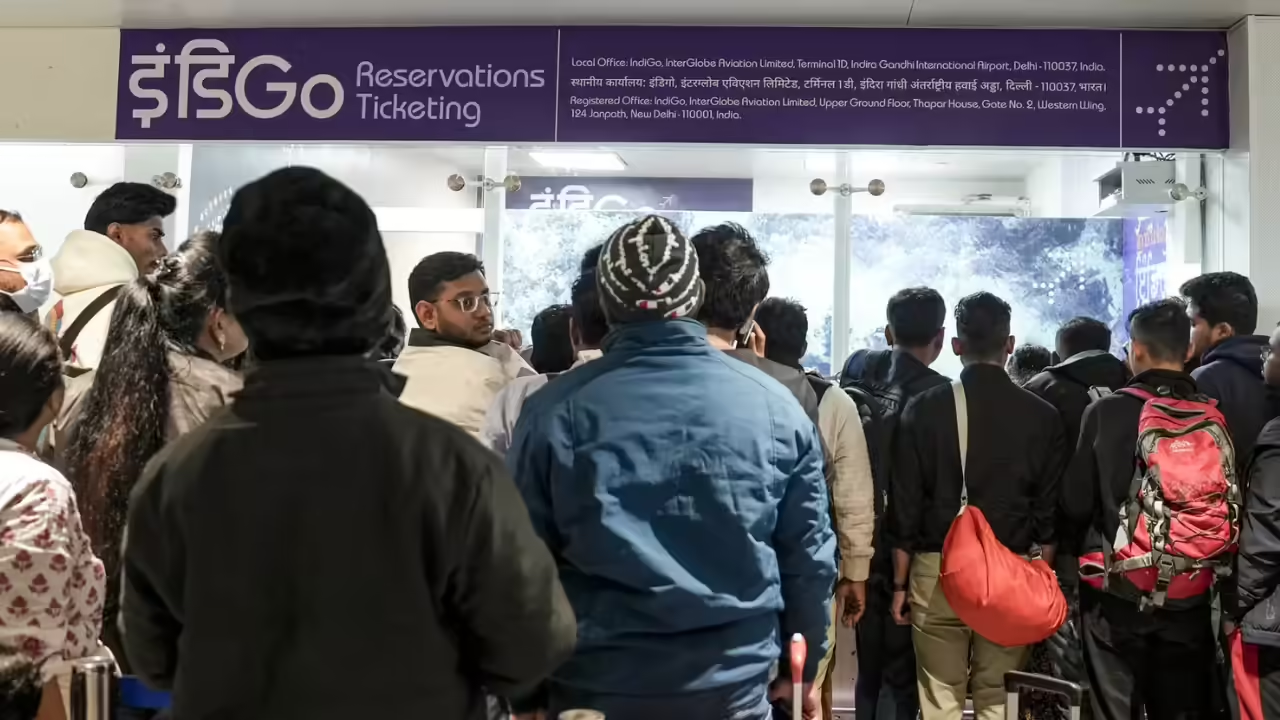
However, the policy created challenges almost immediately. Airlines found themselves unable to adjust rosters quickly enough to match the new mandate. Crew availability dropped sharply, and carriers began facing gaps in scheduling that they could not fill in time. The decision to withdraw the instruction does not change the 48-hour rest requirement, but it restores flexibility by allowing leave to be counted again. This means airlines can now manage their teams more efficiently without violating the core rest mandate.
The policy change signals that the aviation regulator is aware of the operational strain airlines are experiencing and is willing to adjust rules when disruptions escalate beyond manageable levels.
DGCA Policy Change IndiGo: How the Norms Intensified IndiGo’s Operational Crisis
IndiGo, India’s largest airline, faced the most severe impact of the revised FDTL norms. After the rules came into effect, the airline experienced one of the worst manpower shortages in its recent history. On a single day, more than 550 flights were cancelled. Across several days, delays grew longer, and punctuality dropped to nearly 35 percent, creating frustration among passengers and putting intense pressure on operations teams.
The root cause was the sudden drop in available crew due to the weekly rest instruction. With crew leave no longer qualifying toward rest periods, IndiGo had to adjust rosters rapidly, but the transition period was too short. The airline requested relief from the DGCA, asking for exemptions until early 2026 so it could stabilize staffing, complete training schedules and rebuild rosters.
With the cancellation of the weekly rest rule, IndiGo can now count leave as part of the required weekly rest, giving it greater flexibility to fill roster gaps and increase crew availability. This change is expected to reduce daily cancellations and bring punctuality back to normal levels sooner than expected.
DGCA Policy Change IndiGo: How the Adjustment Reshapes Crew Rostering
Airlines work with complex scheduling systems, especially when managing pilots and cabin crew who operate night flights, long-haul sectors and rotating shifts. The earlier version of the weekly rest rule placed rigid restrictions that many carriers were not prepared for. Rosters had to be rebuilt from the ground up, often requiring the cancellation of flights due to lack of available staff.
With the revised policy, airlines regain the ability to assign leave more strategically. This helps them:
- Balance schedules better
- Reduce last-minute shortages
- Distribute rest periods more efficiently
- Manage heavy night operations without stretching staff
For airlines with large fleets and dense flight networks, this flexibility is essential. Crew planning experts believe the DGCA’s move will allow faster recovery and reduce the pressure on daily operations.
The adjustment is particularly helpful for airlines that operate many night flights, as they were already dealing with stricter limits on the number of night duties and night landings permitted for pilots. These added constraints, combined with the earlier rest mandate, had created a bottleneck that left many flights without adequate crew.
DGCA Policy Change IndiGo: How It Shapes the Wider Aviation Sector
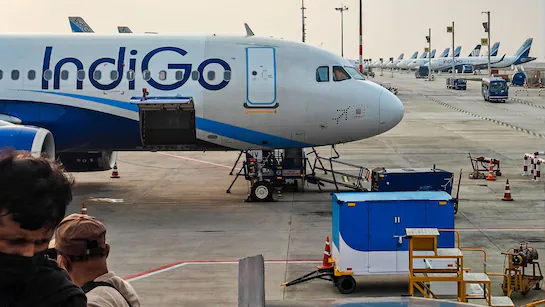
The withdrawal of the weekly rest instruction is not beneficial for IndiGo alone it supports all Indian carriers. Airlines such as Air India, Vistara, Akasa Air and SpiceJet were also facing varying degrees of roster pressure due to the new fatigue rules, especially on routes with tight turnaround schedules.
This decision is expected to:
- Reduce the number of planned schedule cuts
- Improve reliability of flight operations
- Speed up recovery from the ongoing wave of disruptions
- Offer more predictable service to passengers
The aviation sector is now watching closely to see how quickly carriers can use the restored flexibility to return to normal operations.
However, long-term improvements will still depend on increasing hiring, expanding pilot training capacity and improving coordination between regulatory expectations and the operational realities of airlines. The industry is moving toward a more structured fatigue management system, but the transition must be smooth enough to avoid widespread disruptions.
DGCA Policy Change IndiGo: A Critical Moment for India’s Aviation Network
As airlines continue to adapt to evolving flight duty rules, this policy change marks a balancing point between safety and operational practicality. While fatigue management remains essential, airlines require realistic timelines and adaptable systems to support these changes without collapsing under scheduling pressure.
The DGCA’s rollback of the weekly rest instruction has brought relief at a crucial moment, giving IndiGo and other carriers the space needed to rebuild stability and bring operations back on track. India’s aviation market, which has been growing rapidly, depends on maintaining reliable connectivity, and the latest policy decision is expected to help restore confidence among both passengers and airline staff.