Anke Gowda Padma Shri Free Library: How One Man’s Vision Is Bringing Books to Every Corner of India

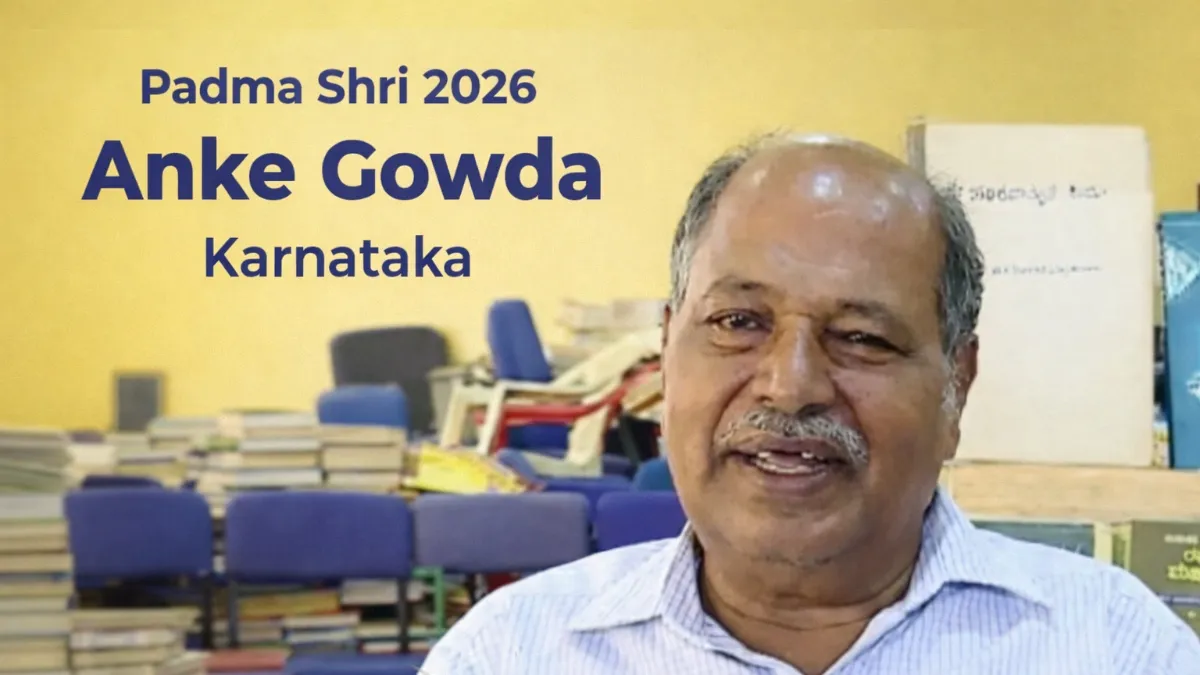
Anke Gowda Padma Shri Free Library is more than a phrase it represents a powerful story of determination, service, and belief in the power of knowledge. India’s grassroots movement to make books accessible to all has found national recognition with the announcement of the Padma Shri 2026 for Anke Gowda from Karnataka. A former bus conductor turned social reformer, Gowda is being honoured for founding Pustakamane, which is today recognised as India’s largest free-access library initiative.
Thank you for reading this post, don't forget to subscribe!His journey shows how an ordinary citizen can spark an extraordinary change by identifying a simple problem and working consistently toward a solution. In a country where millions still struggle to access books, Gowda’s work stands as a beacon of hope.
A Humble Beginning with a Big Dream
Anke Gowda’s story begins in Karnataka, where he once worked as a bus conductor. During his daily interactions with people from different walks of life, he noticed a common issue many children and adults had the desire to read but lacked access to books. Libraries were scarce in rural areas, and buying books was not affordable for many families.
Instead of waiting for institutions to step in, Gowda decided to take action himself. He started collecting used and donated books from friends, passengers, and well-wishers. His idea was simple: if people cannot go to libraries, then books should go to people.
This small effort slowly evolved into what is now known as Pustakamane, meaning “House of Books.”
Birth of Pustakamane
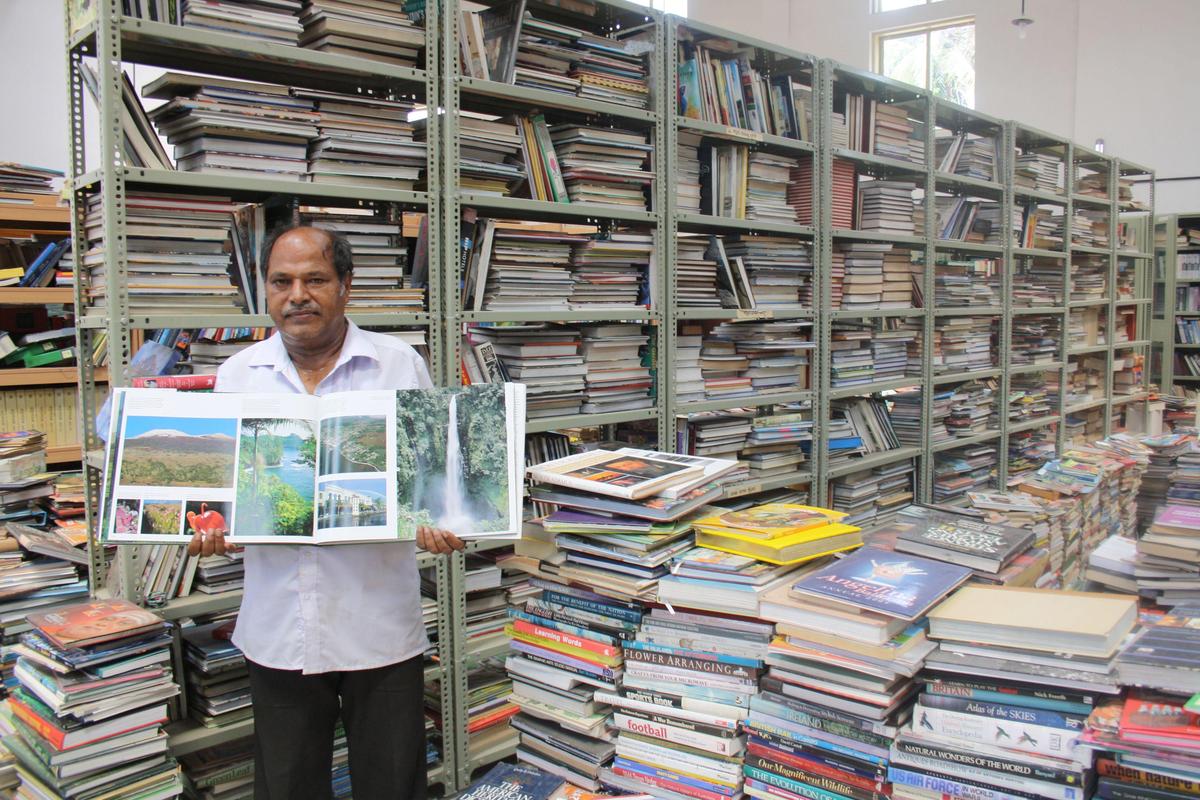
Pustakamane began as a modest collection stored in limited space. However, the response from the community was overwhelming. More people began donating books, and volunteers joined hands to help sort, catalogue, and distribute them.
The guiding principle of Pustakamane is straightforward no membership fees, no deposits, and no restrictions. Anyone can borrow a book and return it when they finish reading. There are no penalties or formalities, only trust.
This trust-based system has proven highly successful and has become a defining feature of Gowda’s model.
Growing into India’s Largest Free-Access Library
Over the years, Pustakamane has grown into a massive repository of more than two million books. The collection includes materials in over 20 languages, covering literature, science, history, children’s books, biographies, textbooks, and rare manuscripts.
Instead of operating from a single central library, Pustakamane follows a decentralised approach. Books are stored and distributed through multiple small library points, community centres, schools, and mobile units.
This structure allows books to reach:
- Remote villages
- Tribal areas
- Urban slums
- Small towns
- Educational institutions with limited resources
By moving books closer to readers, Gowda has removed one of the biggest barriers to literacy.
A Library Without Walls
One of the most remarkable aspects of Pustakamane is that it does not rely on grand buildings or expensive infrastructure. Many of its collection points are simple rooms, cupboards, or shelves in local shops, schools, and homes.
Some locations even use old buses or temporary stalls as mobile libraries. These creative solutions make it easier to adapt to different environments and expand quickly.
This flexible model shows that a library does not need marble floors or large budgets what it truly needs is a passion for sharing knowledge.
Community at the Heart of the Movement
Pustakamane thrives because of community participation. Volunteers play a major role in collecting books, managing stocks, and helping readers find what they need. Teachers encourage students to use the libraries, while parents motivate children to develop reading habits.
Many former readers have become volunteers themselves, creating a cycle of giving back.
This strong sense of ownership ensures that the initiative remains sustainable and people-driven rather than dependent on a single individual.
Recognition with Padma Shri 2026
The Padma Shri is India’s fourth-highest civilian award and is given for distinguished service in various fields, including social work, education, and culture. The Padma Awards 2026 have placed special emphasis on recognising individuals who have made meaningful contributions at the grassroots level.
Anke Gowda’s selection reflects this focus. His work directly impacts ordinary citizens, especially those from marginalised and underserved communities.
The award not only honours Gowda but also shines a spotlight on the importance of reading and community-led education efforts.
Empowering Through Literacy
Access to books can transform lives. It helps children perform better in school, encourages adults to continue learning, and supports people in developing critical thinking skills.
Through Pustakamane, many first-generation learners have discovered the joy of reading. Students use the books to prepare for exams, farmers read about new techniques, and senior citizens revisit classic literature.
Literacy, in this context, is not just about reading words it is about building confidence, awareness, and opportunity.
Preserving Cultural Heritage
Pustakamane’s collection includes rare manuscripts and regional literature that might otherwise be lost. By preserving and sharing these works, Gowda’s initiative contributes to protecting India’s diverse literary heritage.
Young readers get exposure to local authors and traditional stories, helping them connect with their cultural roots while also exploring global ideas.
A Model for Replication
Anke Gowda’s approach is simple enough to be replicated anywhere. His success proves that large-scale social change does not always require massive funding. What matters most is dedication, consistency, and community support.
Many individuals and organisations across India have begun adopting similar models inspired by Pustakamane, further multiplying its impact.
Anke Gowda Padma Shri Free Library: A Journey That Continues
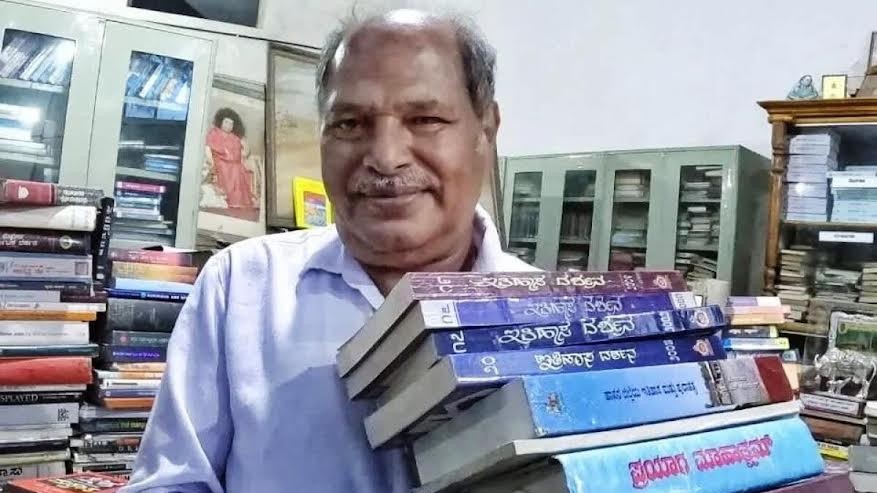
Even after receiving national recognition, Gowda remains focused on expanding his mission. His goal is to ensure that every person, regardless of income or location, can easily access books.
The story of Anke Gowda Padma Shri Free Library is ultimately a story about belief belief in people, in knowledge, and in the idea that small actions can create lasting change. It reminds us that when books reach hands, minds begin to open, and when minds open, societies move forward.