


Modi Addresses Israeli Knesset: A Historic Moment in India–Israel Relations

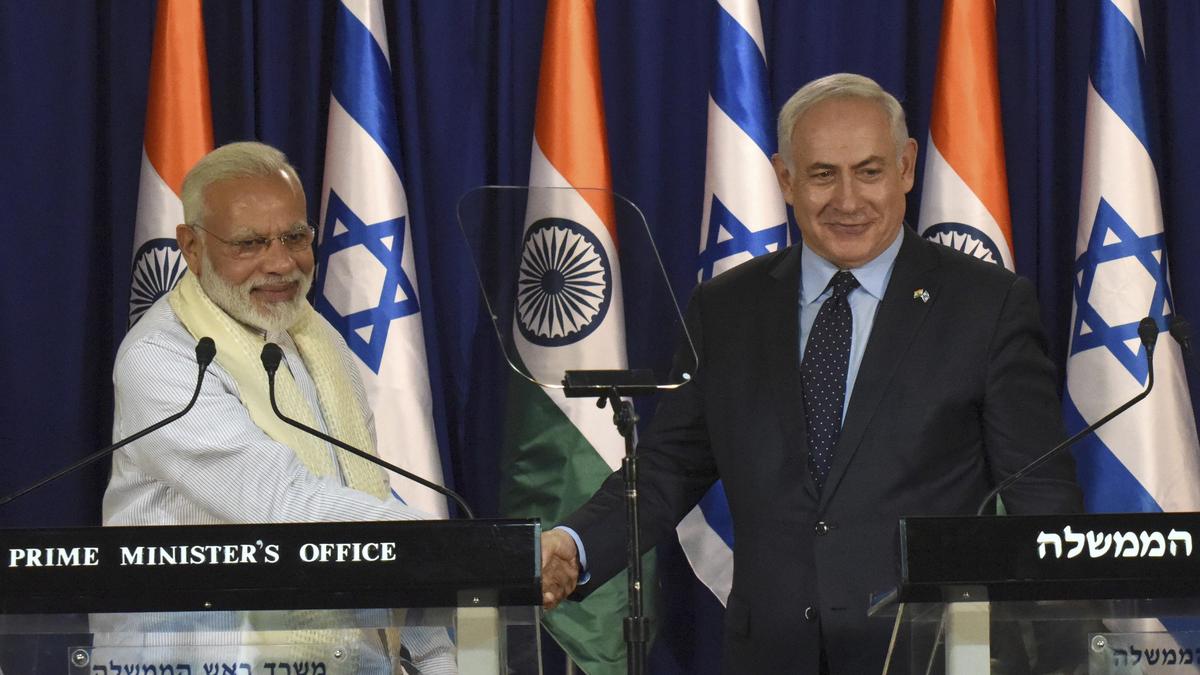
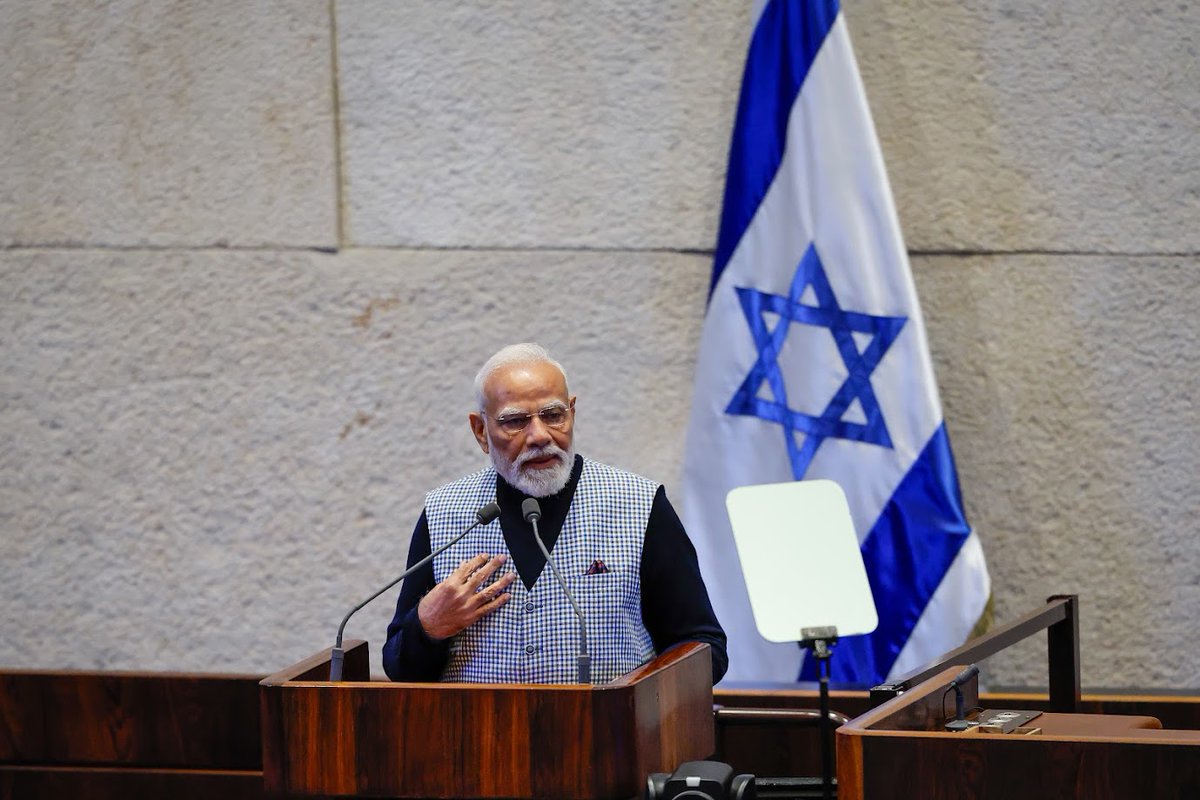
Prime Minister Narendra Modi is set to create history as Modi Addresses Israeli Knesset during his two-day official visit to Israel beginning February 25. He will become the first Indian Prime Minister to speak before the Israeli Knesset, marking a major milestone in India–Israel relations. The visit, his second after 2017, reflects the growing strategic partnership between the two countries, especially in defence, technology, and regional cooperation.
Thank you for reading this post, don't forget to subscribe!A First-Ever Address by an Indian Prime Minister
Modi’s address to the Knesset is significant not only for its symbolism but also for what it represents in India’s foreign policy journey. Since establishing full diplomatic relations in 1992, India and Israel have steadily built trust and cooperation. However, an Indian Prime Minister addressing Israel’s parliament for the first time marks a new level of political confidence and mutual respect.
The special plenary session will be held in Jerusalem and attended by top Israeli leadership. Alongside Netanyahu, Israeli President Isaac Herzog will be present, underlining the importance of the occasion. The ceremonial sitting will also include speeches by Knesset Speaker Amir Ohana and Leader of the Opposition Yair Lapid.
This moment places India among a select group of nations whose leaders have been invited to speak at the Knesset, reflecting the strategic value Israel attaches to its partnership with India.
Ceremonial Welcome and Official Programme
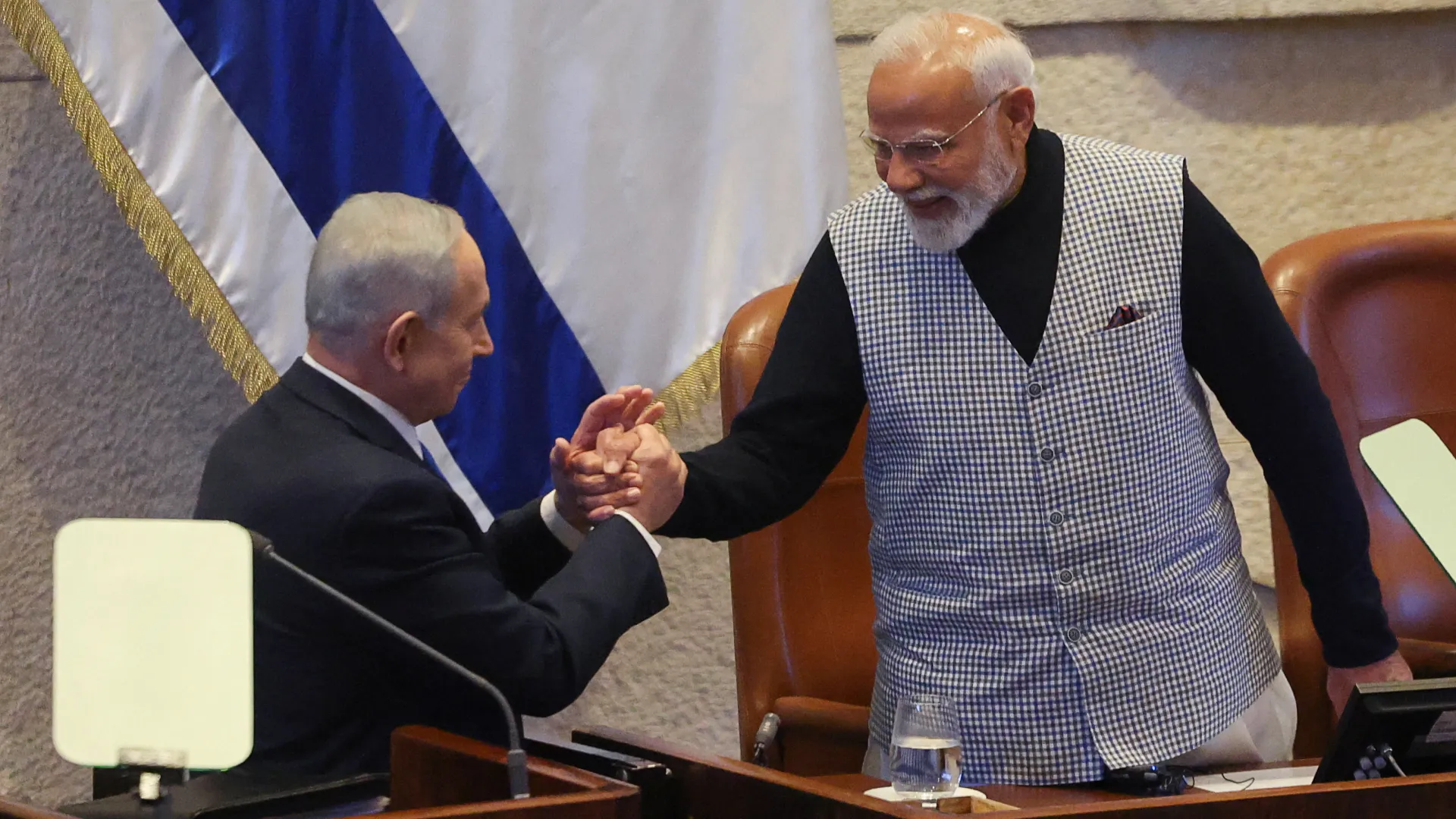
The visit will begin with a formal welcome ceremony at the Weil Courtyard, a traditional venue for receiving foreign leaders. Modi will then sign the Knesset guestbook at the Chagall State Hall, an act that symbolises friendship and respect between the two democracies. A joint photograph session will follow, capturing the historic nature of the visit.
Beyond the ceremonies, Modi and Netanyahu are scheduled to hold high-level bilateral talks. These discussions are expected to cover a wide range of subjects including defence cooperation, technological innovation, counter-terrorism efforts, agriculture, water management, and regional security concerns. Officials from both sides have indicated that agreements and understandings aimed at strengthening long-term cooperation may also be discussed.
Defence, Technology, and Innovation at the Core
One of the strongest pillars of India–Israel relations is defence cooperation. Israel has emerged as one of India’s top defence suppliers, providing advanced systems and technologies that support India’s security needs. Joint development projects, intelligence sharing, and counter-terrorism cooperation have further deepened this partnership.
Technology and innovation are equally important. Israel’s reputation as a start-up nation aligns well with India’s push for digital growth and innovation. Collaboration in cyber security, artificial intelligence, and defence technology continues to expand. Modi’s visit and his address to the Knesset are expected to reinforce this shared vision of innovation-driven growth.
Cooperation Beyond Defence
India–Israel ties extend far beyond defence and security. Agriculture is a key area of collaboration, with Centres of Excellence established across several Indian states. These centres help Indian farmers adopt modern irrigation, crop management, and post-harvest techniques inspired by Israeli expertise.
Water management is another major focus. Israel’s experience in desalination and water recycling has been valuable for India, especially in regions facing water scarcity. Joint projects and knowledge exchange have helped improve efficiency and sustainability in water use.
Such cooperation highlights the practical benefits of the partnership and explains why both countries see long-term value in strengthening ties.
Domestic Political Debate in Israel
While the visit is largely being welcomed as historic, it has also intersected with Israel’s internal political tensions. Opposition leader Yair Lapid has threatened to boycott the special Knesset session unless Supreme Court President Yitzhak Amit is invited, following long-standing parliamentary convention.
This controversy is linked to Israel’s ongoing judicial reform debate, which has sharply divided the country. Justice Minister Yariv Levin has reportedly refused to recognise Amit’s authority after his appointment in January 2025, escalating tensions between different branches of the state. Although this dispute is domestic in nature, it has added a layer of political drama to Modi’s high-profile visit.
A Balanced West Asia Approach
Modi’s address to the Knesset also reflects India’s balanced approach to West Asia. India maintains strong ties not only with Israel but also with Arab nations across the region. This balanced diplomacy allows India to engage with all sides while safeguarding its strategic and economic interests.
The visit sends a message that India values stable partnerships, open dialogue, and cooperation based on mutual benefit. At a time when the region faces uncertainty and shifting alliances, such engagement adds to India’s credibility as a responsible global actor.
Strengthening a Strategic Partnership
As Modi prepares to address Israeli lawmakers, the moment stands as a symbol of how far India–Israel relations have come. From limited engagement in the early 1990s to a broad-based strategic partnership today, the journey reflects shared democratic values and practical cooperation.
The address is expected to highlight common goals, reaffirm mutual trust, and set the tone for deeper engagement in the years ahead. For both nations, it is not just a ceremonial milestone but a statement of intent to work closely in an increasingly complex world.