


Prahaar Anti-Terror Policy: India’s New Blueprint to Counter Evolving Security Threats

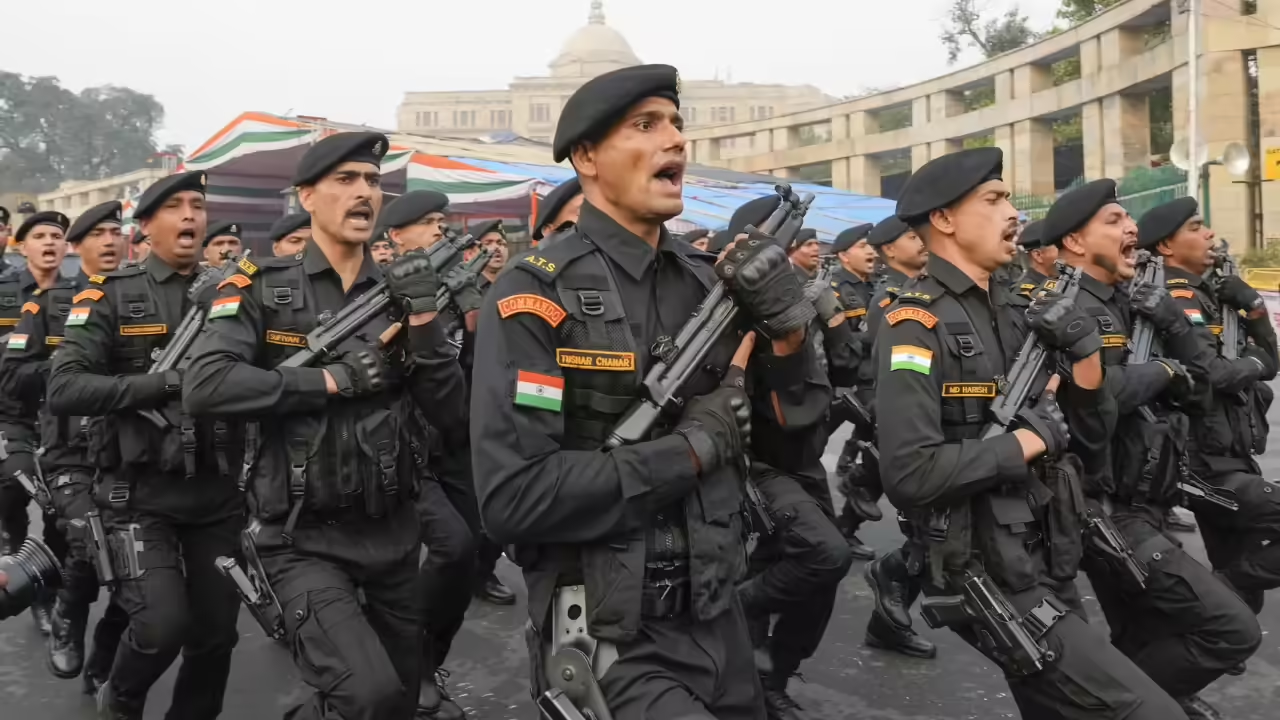
India has taken a major step to strengthen its internal security framework with the launch of the Prahaar Anti-Terror Policy. Unveiled by the Ministry of Home Affairs, this is the country’s first comprehensive and integrated counter-terrorism policy. The framework is designed to respond to both long-standing and emerging security threats by improving prevention, coordination, and response across land, air, maritime, and digital domains.
Thank you for reading this post, don't forget to subscribe!The Prahaar Anti-Terror Policy comes at a time when terrorism is no longer limited to physical attacks alone. Modern threats now include cyber warfare, misuse of advanced technologies, and complex financial networks that fund violent activities. By addressing these challenges in a structured manner, the policy aims to create a resilient and future-ready national security system.
A Unified Approach to National Security
One of the most significant features of the Prahaar Anti-Terror Policy is its unified approach. Instead of treating terrorism as only a law-and-order problem, the policy brings together legal, technological, intelligence, and community-based strategies. It recognises that terrorism thrives in gaps between institutions, jurisdictions, and systems. Prahaar seeks to close these gaps through better coordination among central and state agencies.
The policy applies across the entire territory of India, covering urban centres, border areas, coastal regions, and cyberspace. It also focuses on preparedness during both peacetime and crisis situations, ensuring that agencies can act quickly and decisively when threats emerge.
Dealing With Cross-Border and Drone-Based Threats
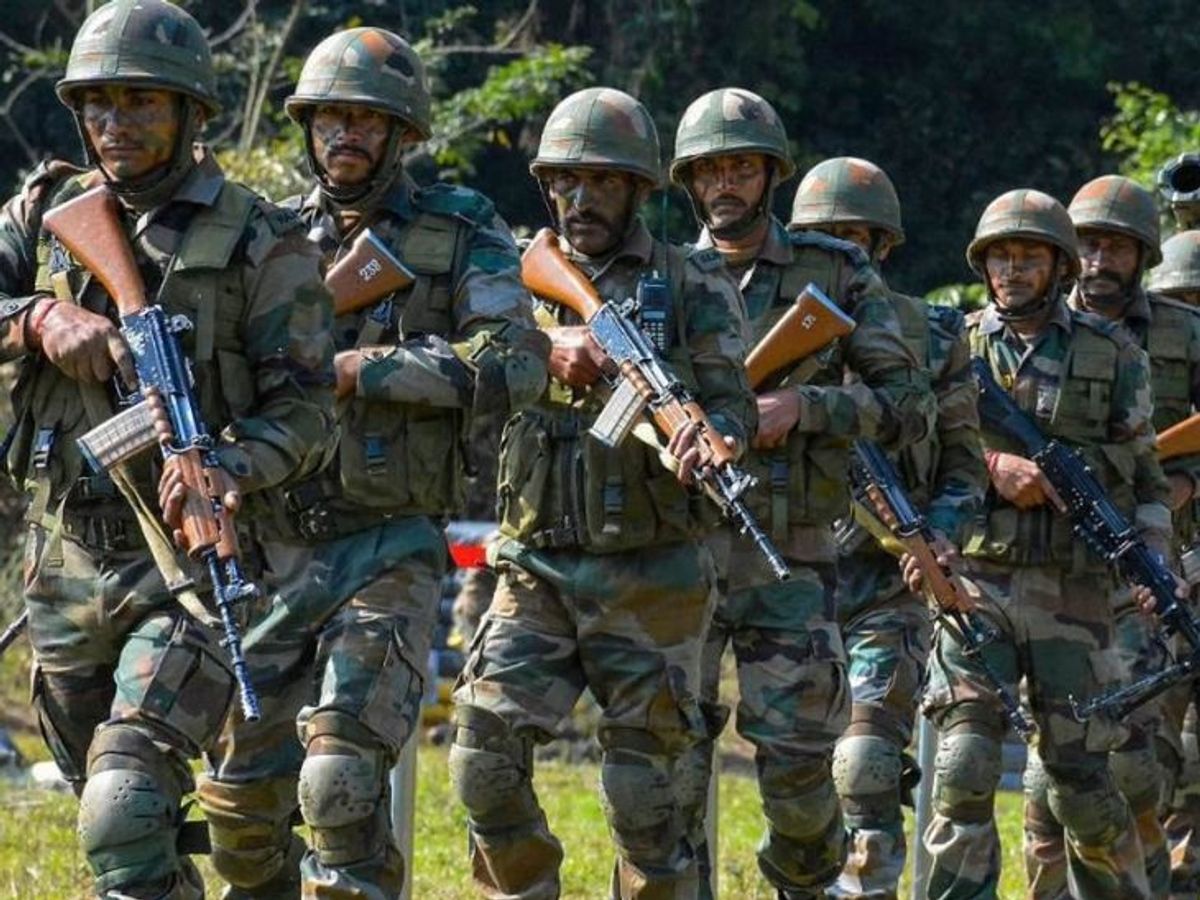
Cross-border terrorism continues to be identified as a serious concern, especially from hostile networks operating beyond India’s western borders. The policy notes that these groups often rely on local support systems and modern tools to carry out their activities.
A key area of concern highlighted in the Prahaar Anti-Terror Policy is the increasing use of drones. In regions such as Punjab and Jammu and Kashmir, drones have been used for smuggling arms, ammunition, and narcotics. Prahaar calls for stronger surveillance systems, better airspace monitoring, and rapid response mechanisms to counter these aerial threats before they cause harm.
Cyber Terrorism and Protection of Critical Infrastructure
Terrorism has expanded into the digital world, and the Prahaar Anti-Terror Policy places strong emphasis on cyber security. Hostile states and criminal hacker groups are increasingly targeting critical infrastructure such as power grids, railways, airports, ports, defence installations, space assets, and atomic energy facilities.
The policy highlights the need for continuous monitoring of cyber networks, timely intelligence sharing, and the use of advanced tools to detect and neutralise cyber threats. By strengthening digital defences, Prahaar aims to prevent large-scale disruptions that could impact daily life and national stability.
Technology, Funding Networks, and Organised Crime
Another important aspect of the Prahaar Anti-Terror Policy is its focus on the financial and logistical backbone of terrorism. Terror outfits are no longer isolated groups; they often operate in close connection with organised crime networks. These links help them move money, weapons, and people across borders.
The policy draws attention to the misuse of social media platforms, encrypted messaging apps, the dark web, and crypto assets. These tools are used for recruitment, propaganda, training, and funding. Prahaar proposes tighter monitoring of digital platforms and stronger financial intelligence systems to disrupt these networks.
It also warns about the possible misuse of advanced technologies such as drones, robotics, and artificial intelligence by non-state actors. If left unchecked, these technologies could be used to carry out highly lethal attacks with minimal human involvement.
Strengthening the Legal and Investigation Framework
The Prahaar Anti-Terror Policy recognises that strong laws alone are not enough. Effective implementation and successful prosecution are equally important. To improve conviction rates, the policy proposes the involvement of legal experts at every stage of investigation, from the registration of cases to final prosecution in courts.
By ensuring that investigations are legally sound from the beginning, Prahaar aims to reduce delays and loopholes that are often exploited by terror accused. The policy also encourages better coordination among investigative agencies such as the National Investigation Agency and the Intelligence Bureau.
Global Cooperation and Intelligence Sharing
Terrorism is a global problem, and the Prahaar Anti-Terror Policy underlines the importance of international cooperation. Many terror networks operate across multiple countries, making it essential to share intelligence and best practices with global and regional partners.
The policy supports stronger diplomatic engagement, joint operations, and information exchange to track and dismantle transnational terror networks. It also acknowledges that foreign-based groups often rely on local facilitators, making internal surveillance and coordination just as important as external cooperation.
Counter-Radicalisation and Community Engagement
Beyond enforcement, the Prahaar Anti-Terror Policy places strong emphasis on prevention. Radicalisation, especially among young people, is seen as a major challenge. The policy introduces a graded response system, where the level of legal action depends on the degree of involvement.
Community outreach plays a central role in this approach. Religious leaders, non-government organisations, educators, and civil society groups are encouraged to work together to counter extremist narratives. Prison-based de-radicalisation programmes and youth engagement initiatives are also proposed to address the root causes of extremism.
By combining firm security measures with social interventions, Prahaar seeks to prevent individuals from being drawn into violent ideologies in the first place.
A Shift in India’s Counter-Terror Strategy
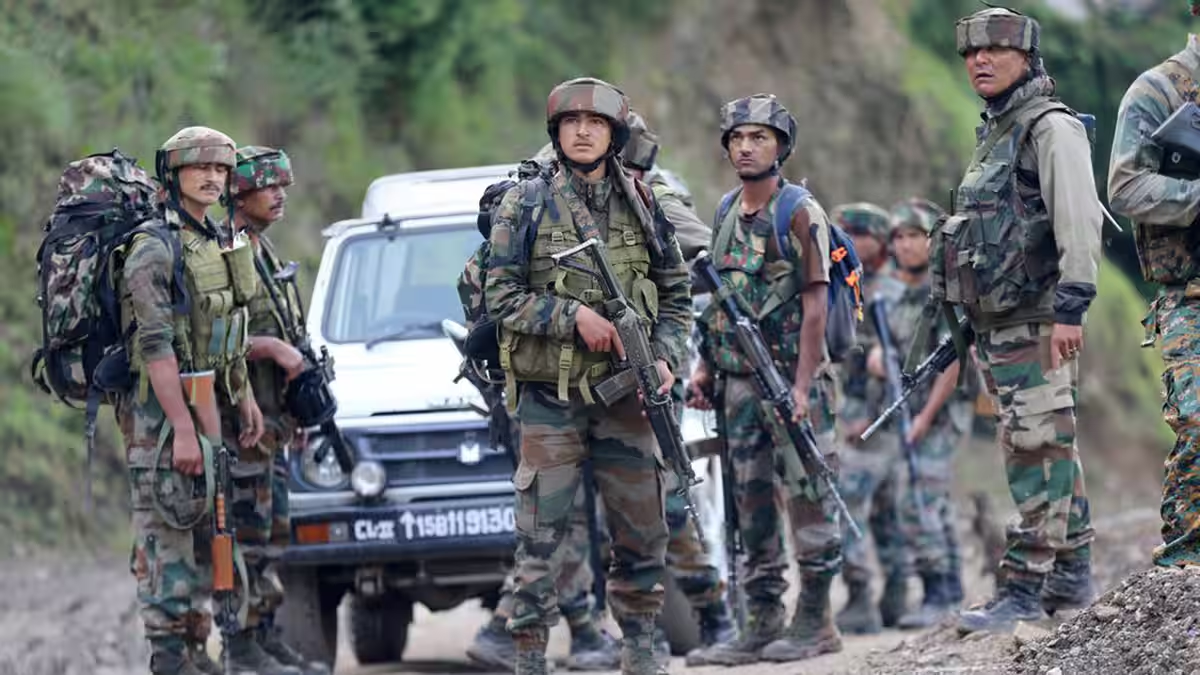
The Prahaar Anti-Terror Policy marks a clear shift in how India approaches counter-terrorism. It moves beyond reactive measures and focuses on long-term preparedness, resilience, and prevention. With its emphasis on technology, legal strength, community involvement, and global cooperation, the policy aims to create a safer and more secure environment for the nation.
As threats continue to evolve, the success of Prahaar will depend on effective implementation, constant review, and cooperation across all levels of government and society.