

Netherlands Youngest PM Rob Jetten: A New Chapter in Dutch Politics

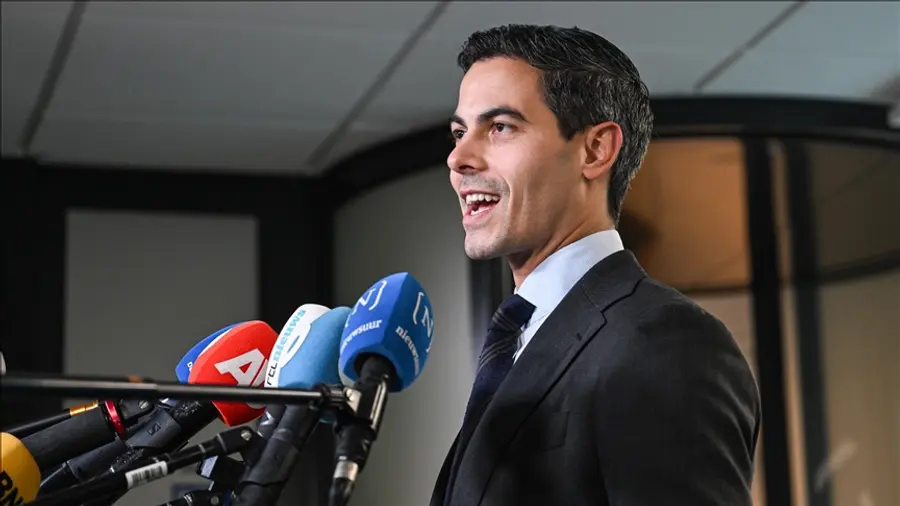
The Netherlands is preparing for a historic political moment as Netherlands Youngest PM Rob Jetten is set to take office in The Hague. At just 38 years old, Rob Jetten will become the youngest prime minister the country has ever had. He will also be the first openly gay person to hold the nation’s top political post, marking a powerful symbol of social change in Dutch public life.
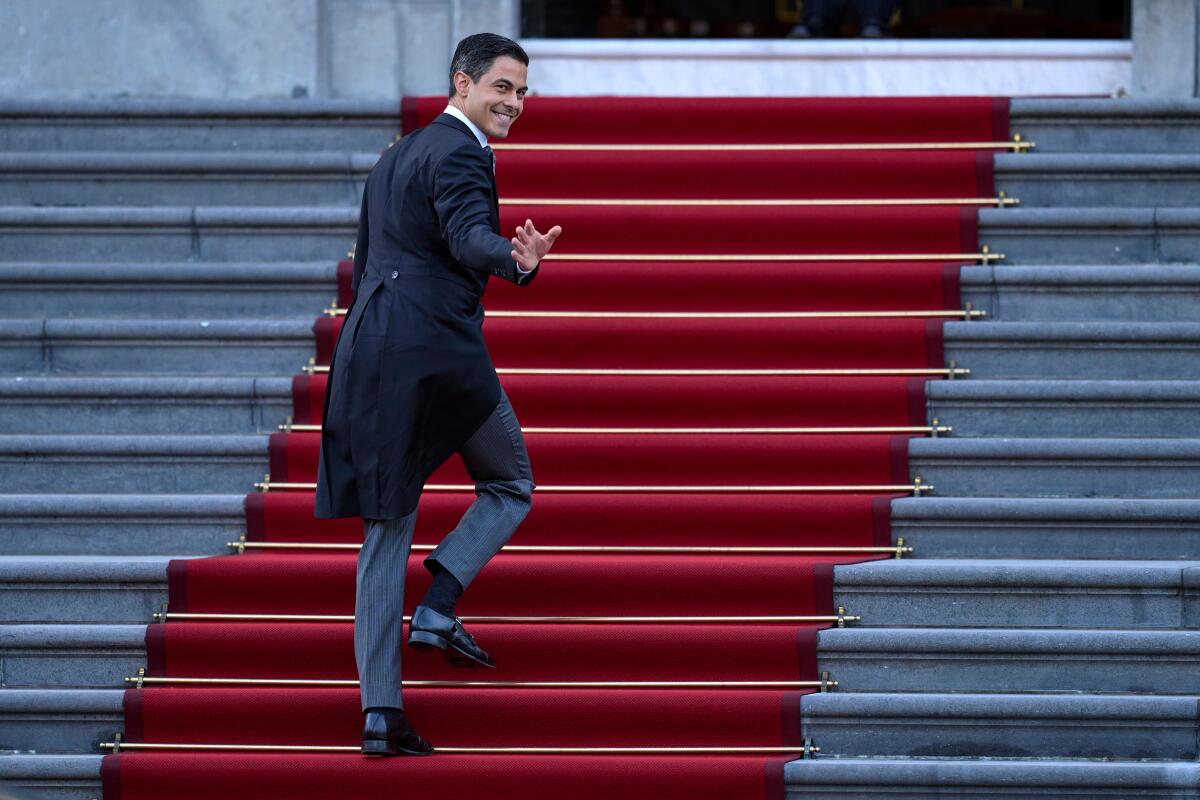
Thank you for reading this post, don't forget to subscribe!The new government will be formally sworn in by King Willem-Alexander at the historic Huis Ten Bosch Palace. The ceremony will take place in The Hague, the seat of government and a city closely linked with international diplomacy and justice.
A Surprise Outcome in a Snap Election
Rob Jetten’s rise comes after a closely fought snap election held in October. His centrist party, Democrats 66, managed to overturn expectations by defeating the far-right Freedom Party, known as the Party for Freedom. The party is led by Geert Wilders, a figure who has long dominated debates on immigration and national identity.
The election was called after the previous coalition collapsed. That government, widely described as the most right-wing in recent Dutch history, survived for only 11 months before internal disagreements brought it down. Voters were left frustrated by political instability, and many saw the snap election as a chance to reset the country’s direction.
Jetten’s campaign focused on calm leadership and a hopeful tone. Instead of attacking opponents, he spoke about unity, trust in institutions, and the need to move beyond fear-driven politics. This approach resonated with many voters who were tired of sharp divisions.
Building a Fragile Coalition
Forming a government after the election was not easy. Coalition talks stretched on for 117 days, reflecting the fragmented nature of Dutch politics. In the end, Democrats 66 agreed to govern alongside the centre-right Christian Democratic Appeal and the liberal People’s Party for Freedom and Democracy.
Together, the three parties control 66 seats in the 150-member parliament. This leaves them nine seats short of a majority. As a result, the new government will need support from opposition parties to pass key laws and budgets. This situation makes compromise essential and limits how quickly major reforms can be pushed through.
Despite these challenges, the coalition agreement outlines a clear direction. It balances centrist values with some conservative elements, aiming to provide stability while responding to voter concerns about security, migration, and economic discipline.
Europe, Security, and Foreign Policy
One of Rob Jetten’s strongest messages during the campaign was the need to bring the Netherlands “back to the heart of Europe.” He argued that the country should play a constructive role within the European Union rather than standing on the sidelines or fueling tensions with Brussels.
The coalition has promised continued support for Ukraine, underlining the Netherlands’ commitment to international law and European security. The government also reaffirmed its support for collective defence through NATO, including meeting agreed defence spending targets.
These positions signal continuity in foreign policy, even as domestic leadership changes. For Jetten, maintaining strong ties with European partners is seen as essential in an uncertain global environment marked by conflict and economic pressure.
Netherlands Youngest PM Rob Jetten and Economic Choices and Migration Policy
On economic policy, the new government has chosen a cautious path. Instead of increasing public debt, it plans to focus on budget discipline. This means spending cuts in some areas, including reductions in certain social benefits, while increasing investment in defence and security.
Migration remains one of the most sensitive issues in Dutch politics. Although Jetten represents a centrist and socially progressive party, the coalition agreement includes tougher migration rules. These include stricter family reunification policies, largely continuing frameworks set by previous governments. This approach reflects the need to keep coalition partners aligned, even if it disappoints some liberal voters.
Netherlands Youngest PM Rob Jetten and Opposition and a Changing Political Map
While Geert Wilders’ party finished second, its influence has been reduced. The Freedom Party lost seats compared to earlier polls, dropping from 37 to 26. Other coalition parties had already ruled out working with Wilders, leaving him outside the corridors of power.
At the same time, smaller right-wing parties have made gains by focusing on immigration and criticism of the European Union. Political analysts note that while Jetten’s leadership is more centrist in tone, the overall policy mix still leans slightly to the right due to coalition compromises.

Netherlands Youngest PM Rob Jetten as a Symbol of Generational Change
The appointment of Netherlands Youngest PM Rob Jetten represents more than just a change of leadership. It reflects a broader generational shift in Dutch politics. Younger voters, urban professionals, and socially liberal groups see his rise as proof that politics can evolve with society.
As the youngest and first openly gay prime minister, Jetten carries high expectations at home and abroad. His government begins with limited parliamentary strength and faces immediate tests on the economy, migration, and foreign policy. Still, for many in the Netherlands and across Europe, his leadership signals a new and hopeful chapter in modern Dutch history.