William Shakespeare: The Greatest Writer in English History

William Shakespeare was one of the greatest writers in the history of English literature. His full name was William Shakespeare, and he was born in 1564 in Stratford-upon-Avon, England. He became famous for writing plays, poems, and sonnets that are still read and performed all over the world. Even after more than 400 years, people continue to study his works in schools, colleges, and universities. His stories talk about love, jealousy, ambition, betrayal, friendship, family, and power. These are feelings that every human being understands, and that is why his works are still popular today.
Early Life of William Shakespeare
William Shakespeare was born on April 23, 1564, in Stratford-upon-Avon, a small town in England. His father’s name was John Shakespeare. He was a glove maker and also worked in local government. His mother’s name was Mary Arden, and she came from a rich farming family.

Shakespeare was the third child in his family. He had seven brothers and sisters. Sadly, some of them died at a young age because medical treatment was not very advanced at that time.
It is believed that Shakespeare studied at the King’s New School in Stratford. There, he learned Latin, grammar, and literature. He did not go to college. Most of his knowledge came from school reading and from observing life around him.
When he was 18 years old, Shakespeare married Anne Hathaway. She was eight years older than him. They had three children: Susanna, and twins named Hamnet and Judith. Sadly, Hamnet died at the age of 11. Some people believe that this personal loss influenced Shakespeare’s later tragic plays.
The “Lost Years”
There is a period in Shakespeare’s life called the “Lost Years.” This was between 1585 and 1592. During this time, there are no clear records of what he was doing. Some historians believe he worked as a teacher. Others think he joined a traveling theatre group. Some even believe he worked as a law assistant.
Although we do not know exactly what he did during these years, it is clear that by 1592, he had become well known in London as a playwright and actor.
Shakespeare in London
Lord Chamberlain’s Men played an important role in Shakespeare’s career. He joined this acting company in London. He was not just a writer; he was also an actor and part-owner of the company.
Later, the company became known as King’s Men when King James I became the ruler of England. This royal support made Shakespeare and his company even more successful.
Shakespeare’s plays were performed at the famous Globe Theatre. The Globe Theatre became one of the most important theatres in London. Many of his greatest plays were first performed there.
Types of Shakespeare’s Plays
Shakespeare wrote about 39 plays. His plays are usually divided into three main types:
1. Tragedies
Tragedies are sad stories that often end with the death of the main character. Some of his famous tragedies include:
- Hamlet
- Macbeth
- Othello
- Romeo and Juliet
In these plays, we see characters who make serious mistakes because of jealousy, ambition, anger, or confusion. For example, in Macbeth, too much ambition leads to destruction. In Romeo and Juliet, love ends in tragedy because of family hatred.
2. Comedies
Comedies are lighter plays with happy endings. They often include humor, misunderstandings, and marriages at the end. Some famous comedies are:
- A Midsummer Night’s Dream
- The Merchant of Venice
- Twelfth Night
These plays show funny situations, clever characters, and beautiful messages about love and friendship.
3. Histories
Shakespeare also wrote historical plays based on English kings. These plays include:
- Henry V
- Richard III
These plays talk about power, leadership, and politics in England’s past.
Shakespeare’s Poetry
Shakespeare was not only a playwright but also a great poet. He wrote 154 sonnets. A sonnet is a 14-line poem with a special pattern and rhythm.
His sonnets talk about love, beauty, time, friendship, and death. One of his most famous sonnets begins with the line: “Shall I compare thee to a summer’s day?”
He also wrote two long poems:
- Venus and Adonis
- The Rape of Lucrece
These poems were very popular during his lifetime.
Shakespeare’s Writing Style
Shakespeare used a special style of writing called “blank verse.” It is written in a rhythm known as iambic pentameter. This means each line usually has ten syllables with a pattern of stressed and unstressed beats.
He also used rich vocabulary. In fact, he added many new words to the English language. Words like “lonely,” “fashionable,” and “manager” were first used by Shakespeare.
He used metaphors, similes, and powerful speeches. His characters often speak long speeches called soliloquies. In these speeches, characters share their inner thoughts with the audience.
For example, in Hamlet, the famous line “To be or not to be” shows the character’s deep confusion about life and death.
Themes in Shakespeare’s Works
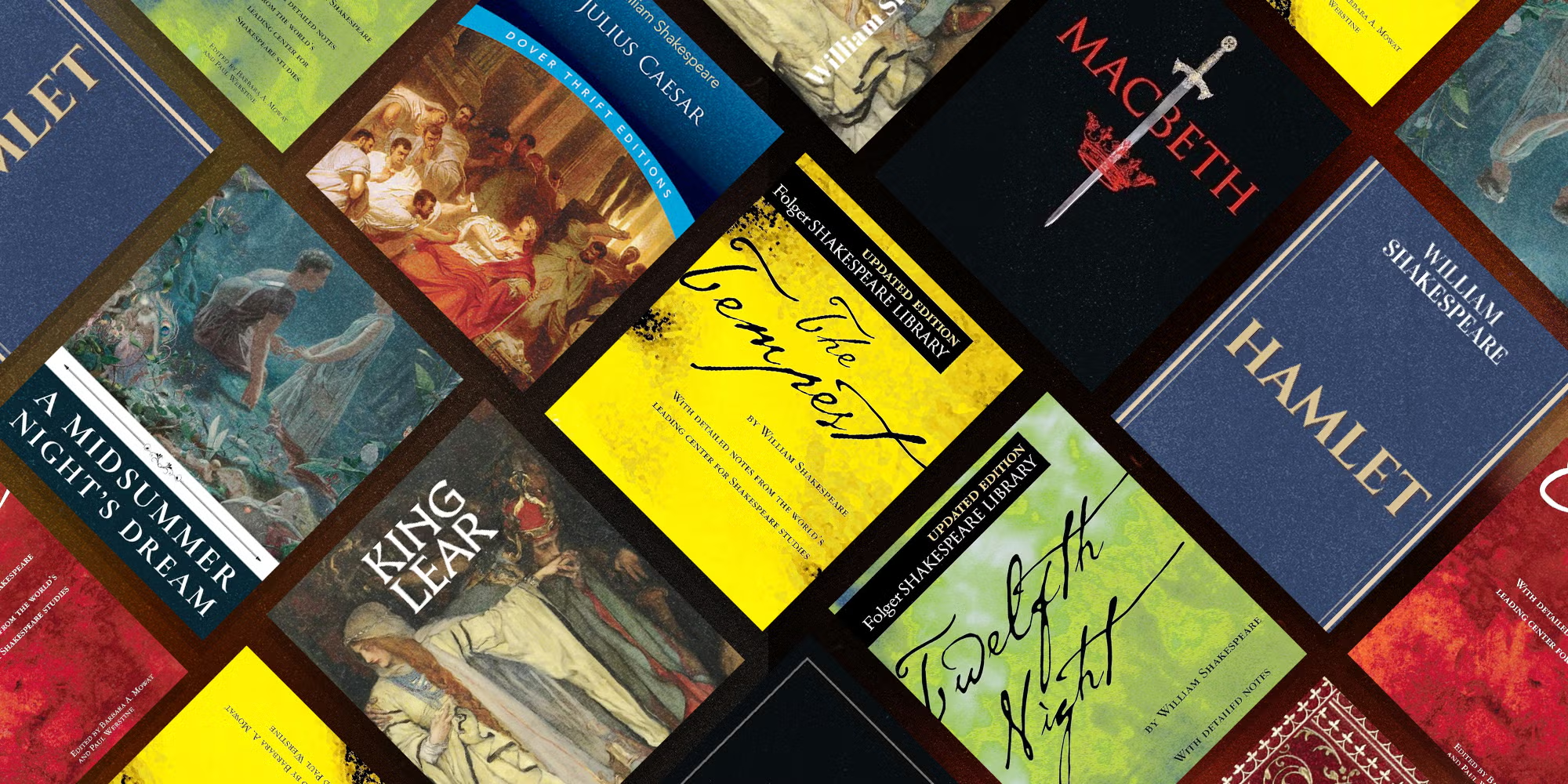
Shakespeare wrote about many important themes:
Love
Love is one of his most common themes. In Romeo and Juliet, love is shown as powerful but dangerous.
Ambition
In Macbeth, ambition leads to murder and destruction.
Jealousy
In Othello, jealousy destroys trust and relationships.
Power
In many historical plays, he shows how power can change people.
Fate and Destiny
Many characters feel that their lives are controlled by fate.
These themes are still important today. That is why people from different countries and cultures can connect with his stories.
Shakespeare’s Contribution to English Language
Shakespeare made a huge contribution to the English language. He invented more than 1,700 words and phrases. Some common phrases we use today come from his plays, such as:
- “Break the ice”
- “Wild-goose chase”
- “Heart of gold”
- “All that glitters is not gold”
He made English richer and more expressive. Because of him, English literature became stronger and more creative.
Shakespeare’s Contribution to Drama and Theatre
Shakespeare changed theatre in many ways:
- He made characters more realistic and human.
- He mixed tragedy and comedy in the same play.
- He showed strong female characters like Portia and Lady Macbeth.
- He explored deep psychological emotions.
Before Shakespeare, many plays were simple and focused only on moral lessons. Shakespeare made drama more complex and emotional.
Later Life and Death
Shakespeare became rich and successful. He bought a big house called New Place in Stratford. Even though he worked in London, he often returned to his hometown.
He died on April 23, 1616, at the age of 52. He was buried in the Holy Trinity Church in Stratford-upon-Avon. On his grave, there is a warning asking people not to disturb his bones.
Shakespeare’s Legacy
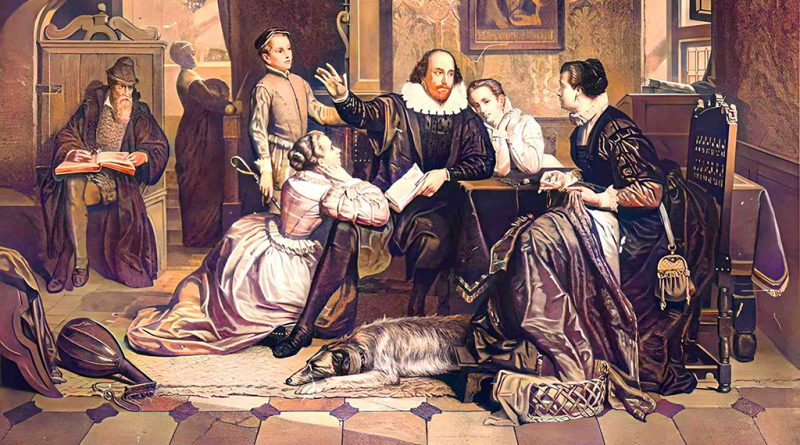
Shakespeare’s works have been translated into almost every language. His plays are performed all over the world. Many movies, books, and dramas are inspired by his stories.
Writers, poets, and filmmakers still learn from his style. Schools teach his plays as part of literature studies. Even today, he is called “The Bard of Avon.”
Famous writers like Charles Dickens and modern filmmakers have been influenced by Shakespeare’s storytelling.
Why Shakespeare is Still Important Today
There are many reasons why Shakespeare is still important:
- His stories are about real human emotions.
- His characters feel real and relatable.
- His language is beautiful and powerful.
- His themes are universal.
- His influence on English is very strong.
Even though he lived in the 16th century, his works feel modern.
Conclusion
William Shakespeare was not just a writer; he was a genius who changed literature forever. From a small town in England, he rose to become the greatest playwright in the world. He wrote about love, tragedy, comedy, history, and human emotions in a way that no one had done before.
His biography shows us that talent, hard work, and imagination can make a person immortal through art. Even after more than four centuries, people continue to read, perform, and admire his works.
Shakespeare’s life teaches us that great ideas never die. His words still live in books, theatres, classrooms, and in the hearts of millions of people around the world.
Because of his great contributions to literature, language, and theatre, William Shakespeare will always be remembered as one of the greatest writers in human history.
FAQs About William Shakespeare
1. Who was William Shakespeare?
William Shakespeare was a famous English playwright, poet, and actor. He is known as one of the greatest writers in the English language.
2. When and where was William Shakespeare born?
He was born on April 23, 1564, in Stratford-upon-Avon, England.
3. What are the most famous plays of William Shakespeare?
Some of his most famous plays are Hamlet, Macbeth, Romeo and Juliet, and Othello.
4. How many plays did Shakespeare write?
William Shakespeare wrote about 39 plays, 154 sonnets, and several long poems.
5. Why is William Shakespeare called the “Bard of Avon”?
He is called the “Bard of Avon” because he was born in Stratford-upon-Avon, and “bard” means poet.
6. What are the three main types of Shakespeare’s plays?
His plays are divided into three main types: tragedies, comedies, and histories.
7. What is Shakespeare’s contribution to the English language?
He added more than 1,700 new words and many famous phrases to the English language.
8. When did William Shakespeare die?
He died on April 23, 1616, at the age of 52.
9. Why is Shakespeare still important today?
Shakespeare is still important because his stories talk about love, jealousy, ambition, and human emotions that are still relevant today.
10. Where were Shakespeare’s plays performed?
His plays were mainly performed at the Globe Theatre in London.