


BR Ambedkar: Architect of the Indian Constitution

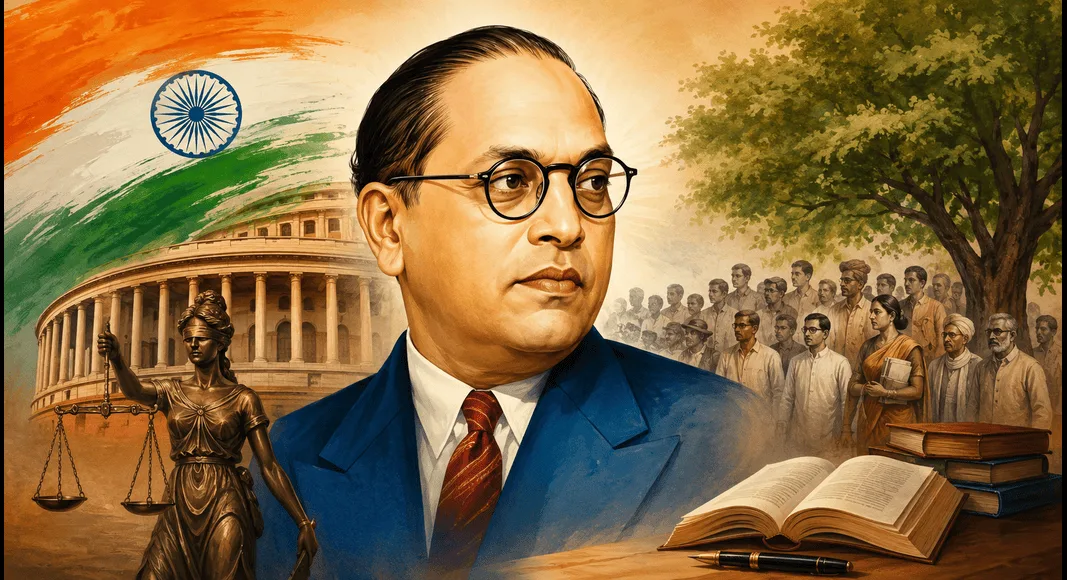
BR Ambedkar is remembered as one of the greatest leaders in Indian history. He was not only the chief architect of the Indian Constitution but also a social reformer, economist, lawyer, writer, and political thinker. Throughout his life, he worked tirelessly to end caste discrimination, untouchability, and social injustice. His ideas on equality, liberty, democracy, and constitutional values continue to guide India even today.
Thank you for reading this post, don't forget to subscribe!Dr. Bhimrao Ramji Ambedkar, popularly known as Babasaheb Ambedkar, believed that every person deserves equal rights and opportunities, regardless of caste, religion, or gender. His vision of a fair and inclusive society remains highly relevant in modern India.
Early Life of BR Ambedkar
Dr. B.R. Ambedkar was born on 14 April 1891 in Mhow, now located in Madhya Pradesh. He belonged to the Mahar community, which was considered an “untouchable” caste under the caste system. Because of this, he experienced discrimination from a very young age.
As a child, he was often denied basic facilities like drinking water and proper seating in school. Despite these hardships, he remained determined to study. He believed that education was the strongest weapon against injustice.
His academic achievements were remarkable. He earned degrees from prestigious institutions such as Columbia University in the United States and the London School of Economics in the United Kingdom. His education helped him understand politics, economics, law, and society from a global perspective.
BR Ambedkar and the Indian Constitution
Dr. Ambedkar’s greatest contribution to India was his role in drafting the Constitution. He became the Chairman of the Drafting Committee of the Constituent Assembly and led the preparation of one of the world’s most detailed constitutions.
He carefully studied the constitutions of many countries and adopted the best ideas suitable for India. His goal was to create a democratic nation where every citizen would enjoy equal rights.
Some of his major contributions include:
- Protection of Fundamental Rights
- Equality before the law
- Abolition of untouchability
- Safeguards for minorities
- Independent judiciary
- Strong central government
- Universal adult franchise
- Social justice through constitutional provisions
His legal knowledge and practical understanding made the Constitution capable of handling India’s diversity.
Why Article 32 Was So Important
Dr. Ambedkar considered Article 32 the “Soul of the Constitution” and the “Heart of the Constitution.”
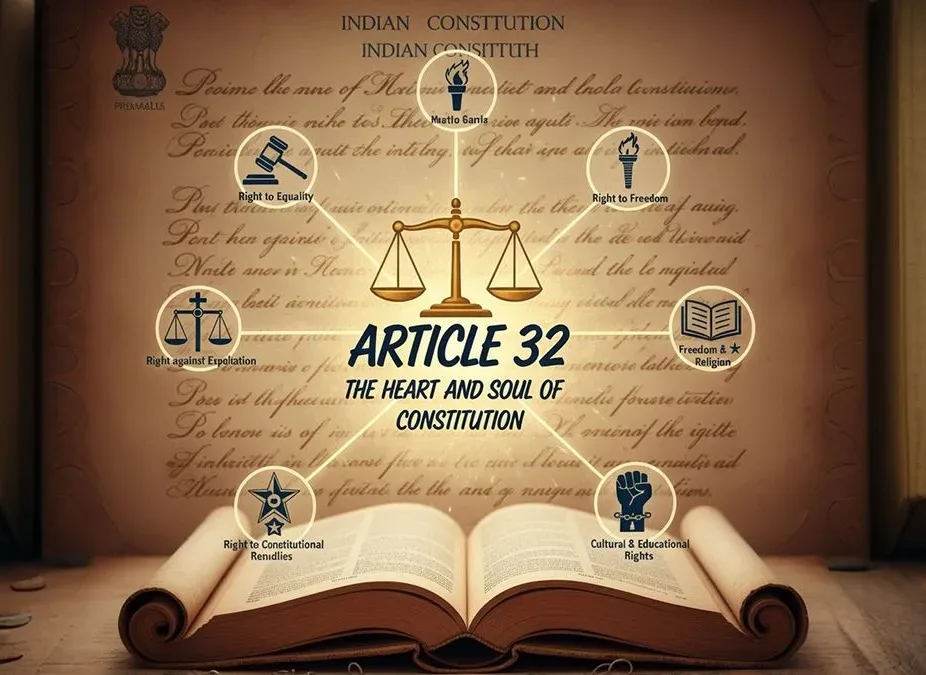
This article gives every citizen the right to approach the Supreme Court if their Fundamental Rights are violated. Ambedkar believed that rights have no value unless people have a way to protect them.
Even today, Article 32 remains one of the strongest safeguards of Indian democracy.
Support for a Strong Central Government
Ambedkar strongly believed that India needed a powerful central government.
He feared that local governments might sometimes be influenced by caste-based discrimination or social pressure. A strong central government, according to him, would better protect weaker sections of society and ensure equal treatment across the country.
This idea has continued to shape India’s federal structure.
Constitutional Morality
One of Ambedkar’s most important ideas was constitutional morality.
According to him, simply having a Constitution is not enough. Citizens, leaders, and government institutions must respect constitutional values such as:
- Equality
- Liberty
- Justice
- Fraternity
- Rule of law
India is a country of many religions, languages, castes, and cultures. Constitutional morality provides a common set of principles that unite everyone under one legal framework.
Today, constitutional morality continues to guide courts, lawmakers, and public institutions.
BR Ambedkar’s Vision of Democracy
Dr. Ambedkar firmly believed in democracy. However, he believed democracy should be more than elections.
According to him, democracy is a way of life where every individual is treated with dignity and respect.
He believed democracy should exist in:
- Political life
- Social life
- Economic life
- Personal relationships
Political equality alone was not enough. If society continued to discriminate based on caste or gender, democracy would remain incomplete.
His famous principle of “One Person, One Vote” had to be supported by “One Person, One Value.”
Social Democracy
Ambedkar believed political democracy could survive only when supported by social democracy.
Social democracy means:
- Equality among citizens
- Mutual respect
- Brotherhood
- Freedom from discrimination
Without these values, elections alone cannot make a nation truly democratic.
His concept of fraternity remains one of the strongest pillars of Indian democracy.
Fight Against Untouchability
Removing untouchability became the mission of Ambedkar’s life.
He argued that untouchability was not only harmful to Dalits but also weakened the moral foundation of Hindu society itself.
He believed every human being deserves dignity and equal treatment.
For Ambedkar, the struggle against untouchability was actually a struggle for human rights.
His efforts eventually led to Article 17 of the Constitution, which abolished untouchability.
Opposition to the Caste System
Ambedkar strongly criticized the caste system.
According to him, caste divided society into thousands of groups and prevented national unity.
He believed caste:
- Prevented social equality
- Restricted economic progress
- Destroyed human dignity
- Reduced opportunities
- Encouraged discrimination
His famous book “Annihilation of Caste” remains one of the strongest critiques of the caste system ever written.
Even today, it is widely studied by scholars and students.
Importance of Social Reform
Dr. Ambedkar believed social reform should come before political and economic reforms.
According to him, if society remained unequal, political freedom alone would not benefit everyone equally.
His social reform agenda included:
- Ending untouchability
- Removing caste discrimination
- Promoting women’s rights
- Encouraging education
- Reforming family practices
- Building equality in society
BR Ambedkar and Women’s Rights
Ambedkar was one of the earliest leaders to support women’s empowerment in independent India.
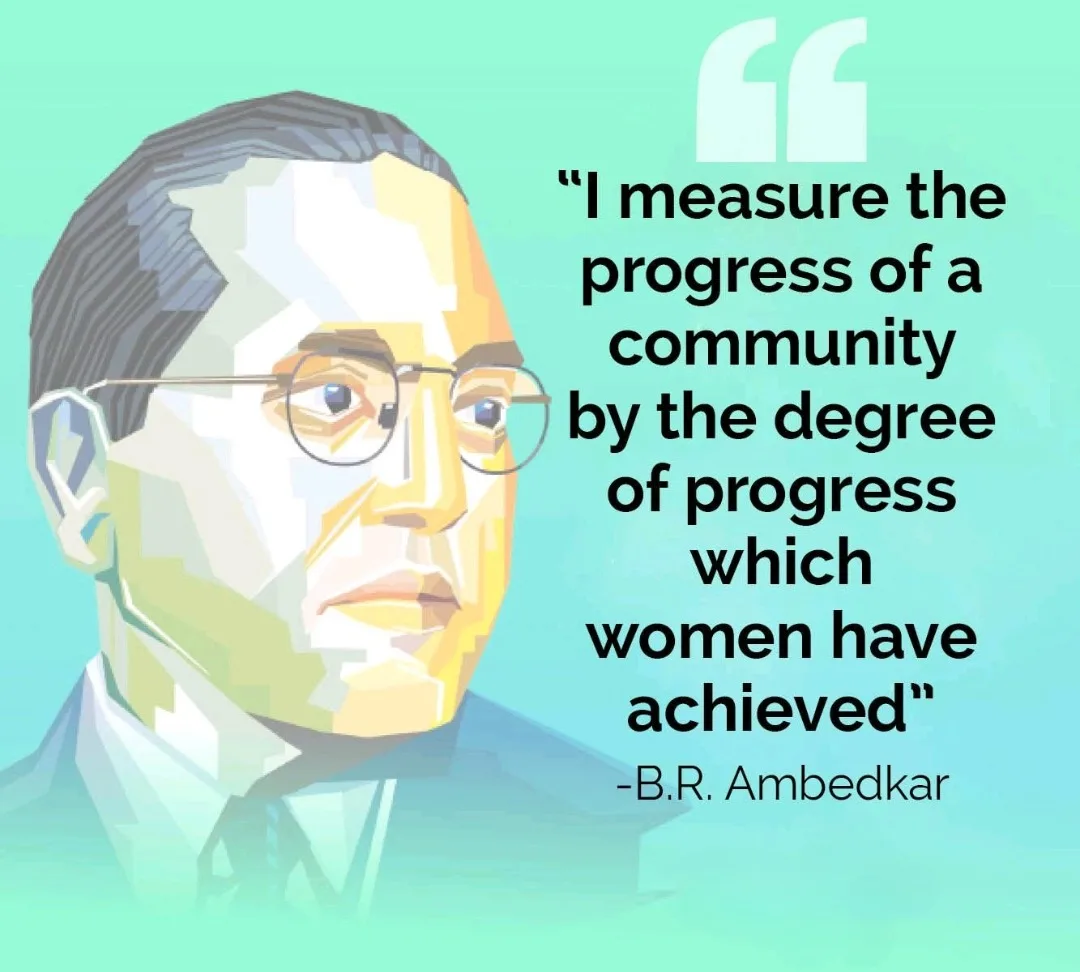
He believed that no society could progress without giving equal rights to women.
He strongly supported:
- Equal property rights
- Better education for girls
- Equal employment opportunities
- Protection against discrimination
His efforts were reflected in the proposed Hindu Code Bill, which sought to improve women’s legal rights regarding inheritance, marriage, and property. Although the bill faced strong opposition during his time, many of its principles were later incorporated into Indian law.
Methods Adopted by BR Ambedkar to End Untouchability
Dr. Ambedkar adopted a comprehensive approach to remove caste discrimination.
1. Education
He famously encouraged people with the slogan:
“Educate, Agitate, Organize.”
He believed education helps people gain confidence, knowledge, and freedom from oppression.
2. Economic Development
Ambedkar encouraged Dalits to move beyond traditional occupations and learn new skills.
He believed industrialization and urban employment could provide better opportunities than caste-based village occupations.
He even described villages as places where caste discrimination often remained deeply rooted.
3. Political Representation
He believed political power was necessary for protecting the rights of marginalized communities.
He supported reservations and political participation so that weaker sections could influence policymaking.
4. Self-Respect
Ambedkar inspired people to reject feelings of inferiority.
He wanted every individual to believe in their own dignity and equality.
5. Conversion to Buddhism
After years of trying to reform Hindu society, Ambedkar concluded that caste discrimination remained deeply embedded.
On 14 October 1956, he embraced Buddhism along with lakhs of followers.
He believed Buddhism promoted:
- Equality
- Compassion
- Rational thinking
- Human dignity
- Brotherhood
His conversion became one of the largest religious movements in Indian history.
Major Political and Social Contributions
Some important milestones in Ambedkar’s life include:
- Founded Bahishkrit Hitkarini Sabha in 1924 to promote education and welfare among marginalized communities.
- Led the historic Kalaram Temple Entry Movement in Nashik in 1930.
- Participated in all three Round Table Conferences held in London between 1930 and 1932.
- Signed the historic Poona Pact with Mahatma Gandhi in 1932, replacing the proposal for separate electorates with reserved seats for the Depressed Classes.
- Established the Independent Labour Party in 1936 to represent workers and marginalized communities.
- Encouraged Indians to join the armed forces during the Second World War to fight fascism.
- Completed his final major work, The Buddha and His Dhamma, in 1956.
Famous Books Written by BR Ambedkar
Dr. Ambedkar was also a brilliant writer. His important works include:
- Mook Nayak (1920)
- Janta (1930)
- Annihilation of Caste (1936)
- The Untouchables (1948)
- Buddha or Karl Marx (1956)
- The Buddha and His Dhamma (1957, published posthumously)
These writings continue to influence debates on democracy, equality, religion, and social justice.
Recognition and Honours
Dr. Ambedkar passed away on 6 December 1956.
His contributions were recognised with India’s highest civilian award, the Bharat Ratna, in 1990.
The Government of India also established the Dr. Ambedkar Foundation in 1992 to spread his ideas and promote social justice through educational and welfare programmes.
Every year, 14 April is celebrated as Ambedkar Jayanti, and millions of people across India pay tribute to his legacy.
Relevance of BR Ambedkar in Modern India
Even decades after his death, Ambedkar’s ideas remain extremely relevant.
India has made significant progress, but several challenges still exist:
- Caste-based discrimination
- Social inequality
- Gender discrimination
- Economic inequality
- Communal tensions
- Unequal access to education and healthcare
His vision of constitutional morality reminds citizens and governments to respect the Constitution above narrow social or political interests.
His emphasis on education continues to inspire millions of students from disadvantaged backgrounds.
His ideas on equality guide policies related to social justice, reservations, and inclusive development.
In today’s digital and rapidly changing India, Ambedkar’s message remains clear: true progress is possible only when every citizen receives equal opportunities and equal respect.
Conclusion
Dr. B.R. Ambedkar was much more than the chief architect of the Indian Constitution. He was a visionary who dreamed of an India free from caste discrimination, untouchability, and injustice. Through his work as a lawyer, economist, social reformer, writer, and political thinker, he laid the foundation for a democratic and inclusive nation.
His belief in liberty, equality, fraternity, and constitutional morality continues to shape India’s democracy. His message that education is the key to social transformation remains relevant for every generation.
As India moves forward, remembering and following Ambedkar’s ideals can help build a society where every individual is treated with dignity, justice, and equal opportunity. His life teaches us that determination, knowledge, and courage can overcome even the greatest social barriers and create lasting change for the nation.
FAQs About Dr. B.R. Ambedkar
1. Who was BR Ambedkar?
BR Ambedkar was an Indian jurist, economist, social reformer, and the chief architect of the Indian Constitution. He dedicated his life to fighting caste discrimination and promoting equality.
2. Why is BR Ambedkar called the Architect of the Indian Constitution?
He was the Chairman of the Drafting Committee of the Constituent Assembly and played the leading role in drafting the Indian Constitution.
3. What is BR Ambedkar’s contribution to Indian society?
He worked for the abolition of untouchability, promoted education, supported women’s rights, and fought for social justice and equal opportunities.
4. Why did BR Ambedkar consider Article 32 important?
He called Article 32 the “Soul of the Constitution” because it allows citizens to approach the Supreme Court to protect their Fundamental Rights.
5. What were BR Ambedkar’s views on democracy?
He believed democracy should provide political, social, and economic equality, not just the right to vote.
6. Why did BR Ambedkar convert to Buddhism?
He converted to Buddhism in 1956 because he believed it promoted equality, human dignity, and freedom from caste discrimination.
7. What is Constitutional Morality according to BR Ambedkar?
Constitutional morality means respecting the values of the Constitution, such as equality, liberty, justice, and fraternity, above personal or social biases.
8. Which famous books were written by BR Ambedkar?
Some of his famous books include Annihilation of Caste, The Untouchables, Buddha or Karl Marx, and The Buddha and His Dhamma.
9. When was BR Ambedkar awarded the Bharat Ratna?
He was posthumously awarded the Bharat Ratna, India’s highest civilian award, in 1990.
10. Why is BR Ambedkar still relevant today?
His ideas on equality, constitutional values, education, social justice, and human rights continue to guide India in addressing modern social and political challenges.