


Cropping Patterns and Major Crops of India(Part-I)

Cropping Patterns and Major Crops of India are very important for understanding Indian agriculture. Agriculture is the backbone of India’s economy and plays a major role in providing food and employment. Even today, around two-thirds of India’s population is directly or indirectly dependent on farming for their livelihood. Agriculture not only provides food grains for the country but also supplies raw materials to many industries.
India is a large country with different climates, soils, and rainfall patterns. Because of this diversity, many kinds of crops are grown in different regions. Some crops are grown for food, while others are grown for business and industrial use. These crops are cultivated in three major cropping seasons: Rabi, Kharif, and Zaid.

Classification of Major Crops in India
The major crops of India are mainly divided into two groups:
1. Food Crops
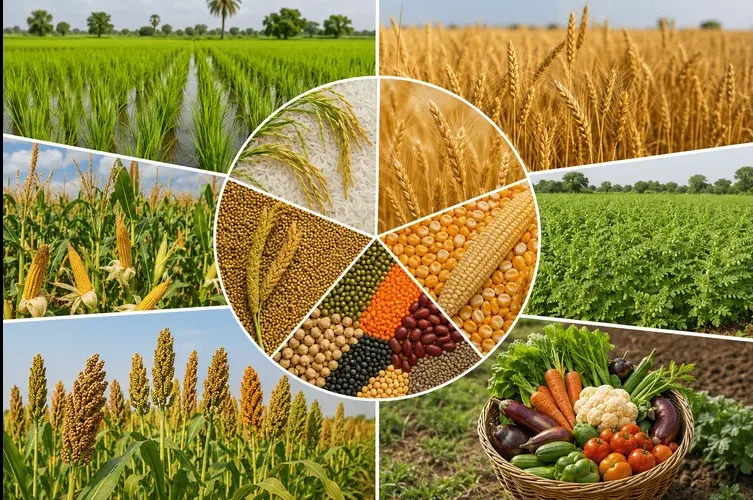
Food crops are grown mainly for human consumption. These include:
- Rice
- Wheat
- Millets
- Maize
- Pulses
2. Cash Crops
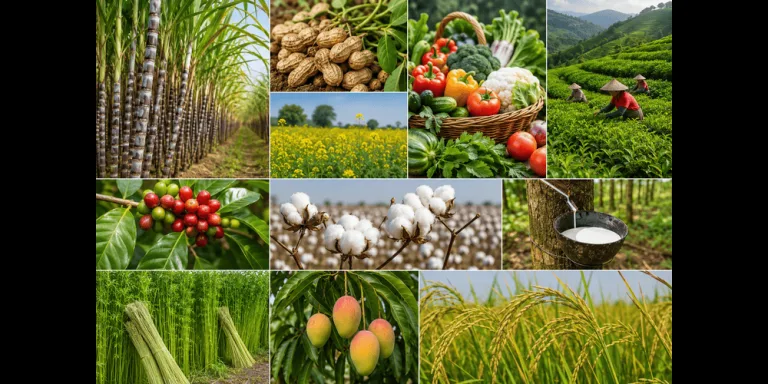
Cash crops are grown mainly for selling in the market or industrial use. These include:
- Sugarcane
- Oilseeds
- Tea
- Coffee
- Rubber
- Cotton
- Jute
- Horticulture crops
Cropping Seasons in India
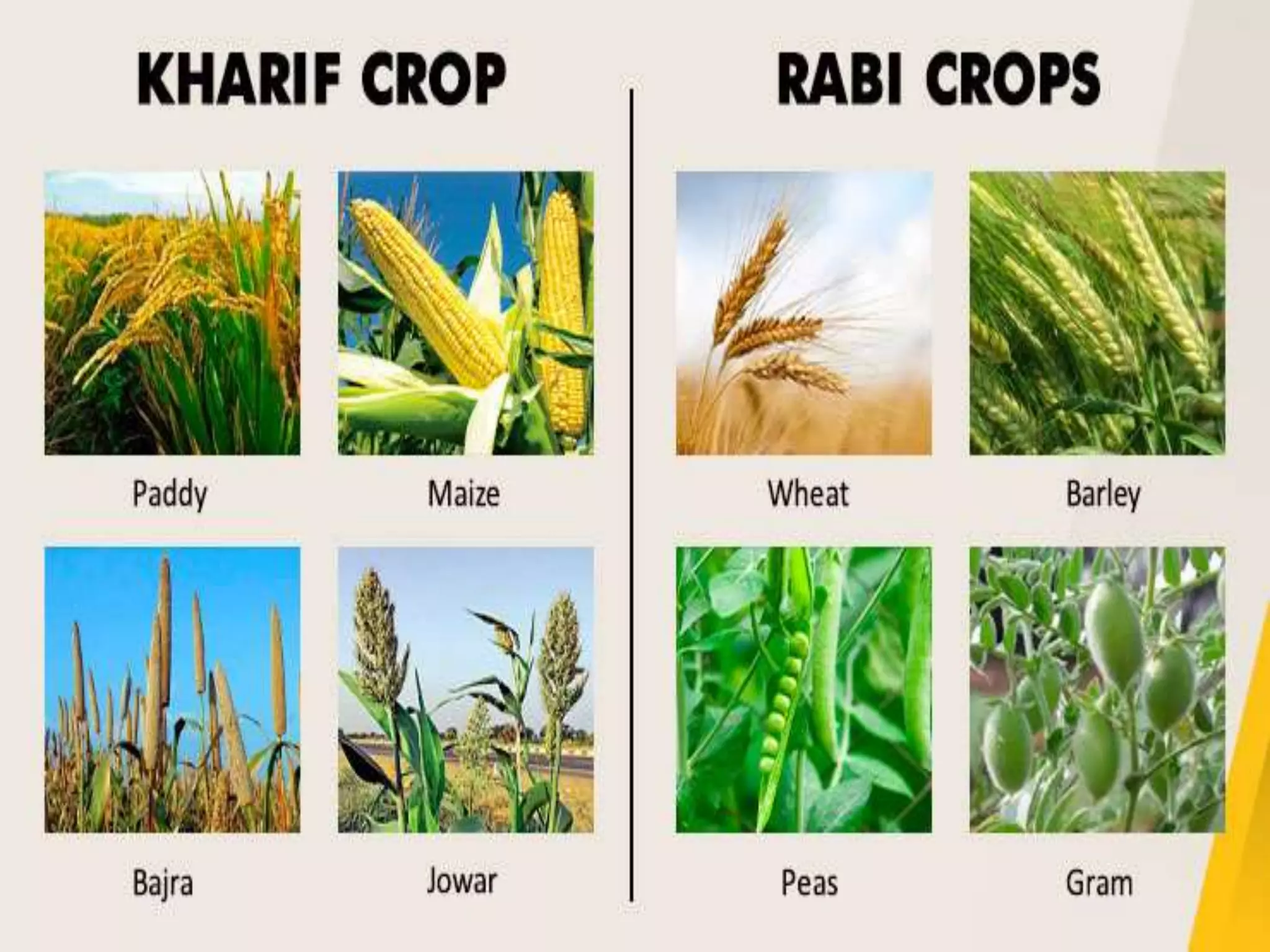
India has three major cropping seasons. Each season has different sowing and harvesting times.
| Cropping Season | Time Period | Major Crops | Major States |
|---|---|---|---|
| Rabi | Sown: October–December Harvested: April–June | Wheat, barley, peas, gram, mustard | Punjab, Haryana, Uttar Pradesh, Himachal Pradesh |
| Kharif | Sown: June–July Harvested: September–October | Rice, maize, cotton, jute, soybean | Assam, West Bengal, Odisha, Maharashtra |
| Zaid | March–July | Fruits, vegetables, fodder | Northern and Northwestern India |
Rabi Season
Rabi crops are sown in winter and harvested in summer. These crops need cool weather during growth and warm weather during ripening.
Examples:
- Wheat
- Mustard
- Gram
- Barley
Kharif Season
Kharif crops are grown during the rainy season. These crops depend heavily on monsoon rainfall.
Examples:
- Rice
- Maize
- Cotton
- Soybean
Zaid Season
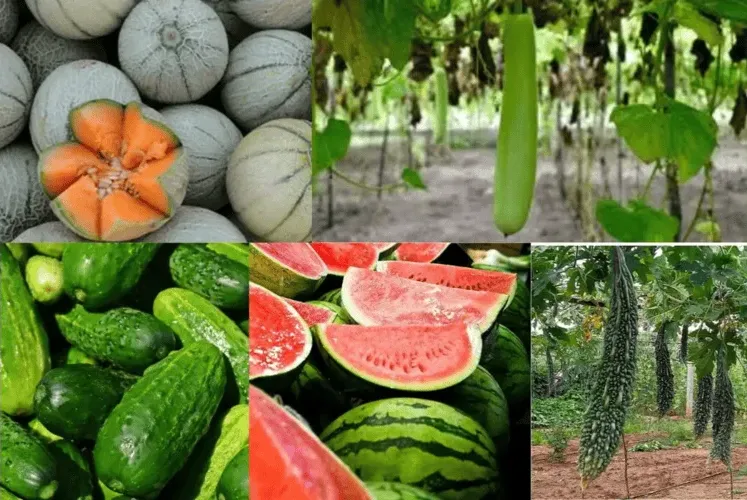
Zaid is a short season between Rabi and Kharif. It mainly includes fast-growing crops.
Examples:
- Watermelon
- Cucumber
- Vegetables
- Fodder crops
Major Food Crops of India
Rice
Rice is one of the most important food crops in India. It is the staple food for a large part of the population, especially in eastern and southern India.
Conditions Required for Rice Cultivation
- Temperature: 22°C to 32°C
- Rainfall: 150 to 300 cm
- Soil: Deep clayey and loamy soil
- Climate: High humidity
Top Rice Producing States
- West Bengal
- Punjab
- Uttar Pradesh
- Andhra Pradesh
- Bihar
India is the second-largest producer of rice in the world, after China.
In states like Assam, West Bengal, and Odisha, three rice crops are grown in one year:
- Aus
- Aman
- Boro
These different varieties help farmers increase annual production.
Government Support for Rice
The Indian government supports rice farmers through schemes such as:
- National Food Security Mission
- Hybrid Rice Seed Production
- Rashtriya Krishi Vikas Yojana
These programs improve seed quality and increase production.
Wheat
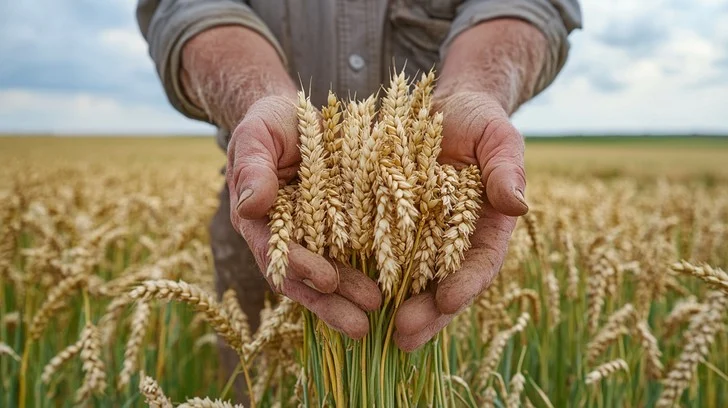
Wheat is the second most important food crop in India. It is the main food crop in northern and northwestern India.
Conditions Required for Wheat Cultivation
- Sowing Temperature: 10°C to 15°C
- Harvest Temperature: 21°C to 26°C
- Rainfall: 75 to 100 cm
- Soil: Fertile loamy and clayey loamy soil
Wheat grows best in the fertile plains of northern India.
Top Wheat Producing States
- Uttar Pradesh
- Punjab
- Madhya Pradesh
- Haryana
- Rajasthan
India is the second-largest wheat producer in the world after China.
The Green Revolution played a huge role in increasing wheat production. New seeds, fertilizers, and irrigation methods improved farming greatly.
Government Support for Wheat
Important schemes include:
- Macro Management of Agriculture
- National Food Security Mission
- Rashtriya Krishi Vikas Yojana
These programs help farmers improve productivity.
Millets (Nutri-Cereals)
Millets are small-grain crops known for their high nutritional value. They are also called Nutri-Cereals or coarse grains.
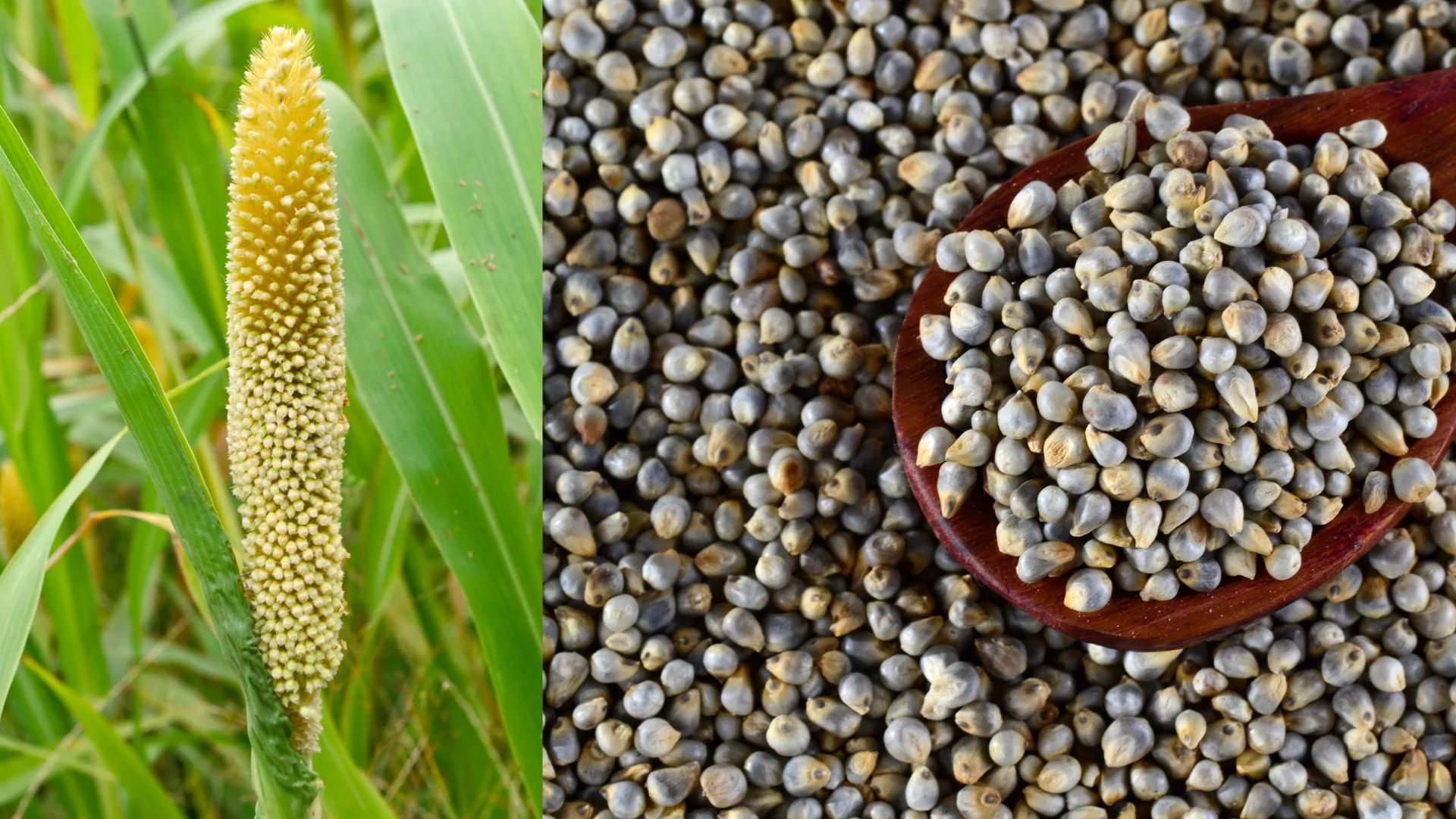
Major millets include:
- Jowar
- Bajra
- Ragi
Millets are becoming popular again because they are healthy and climate-friendly.
Conditions Required for Millet Cultivation
- Temperature: 27°C to 32°C
- Rainfall: 50 to 100 cm
- Soil: Can grow in poor-quality soil
Millets can survive in dry conditions and need less water compared to rice and wheat.
Important Millets
Jowar
Jowar is mainly a rain-fed crop. It grows in moist regions with little irrigation.
Top producing states:
- Maharashtra
- Karnataka
- Madhya Pradesh
Jowar is the third most important food crop in India based on area and production.
Bajra
Bajra grows best in sandy and shallow black soils.
Top producing states:
- Rajasthan
- Uttar Pradesh
- Gujarat
Ragi
Ragi grows well in dry regions and different soil types.
Ragi is highly nutritious because it contains:
- Iron
- Calcium
- Fiber
- Micronutrients
This makes ragi excellent for health.
Government Support for Millets
Schemes include:
- National Agricultural Insurance Scheme
- Initiative for Nutritional Security through Intensive Millets Promotion
India has also promoted millets globally through the International Year of Millets 2023, supported by the United Nations.
Maize
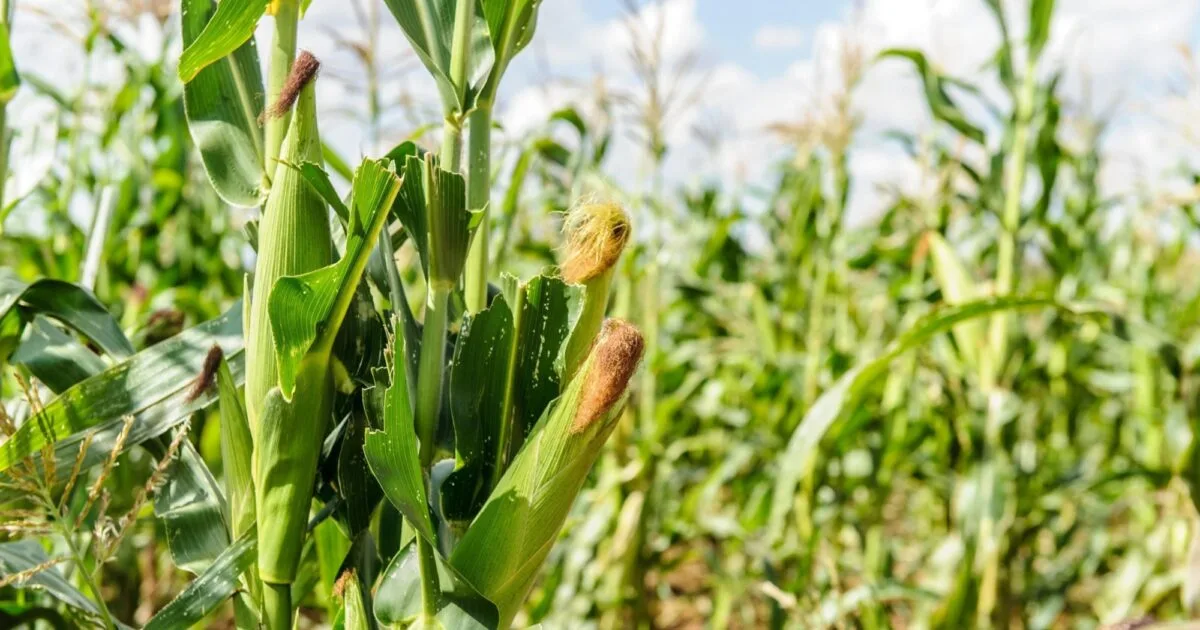
Maize is another important crop in India. It is used as both food and animal fodder. It is also used in industries to make starch and other products.
Conditions Required for Maize Cultivation
- Temperature: 21°C to 27°C
- Rainfall: High rainfall required
- Soil: Old alluvial soil
Top Maize Producing States
- Karnataka
- Maharashtra
- Madhya Pradesh
- Tamil Nadu
- Telangana
India is the seventh-largest producer of maize in the world.
Modern farming methods have improved maize production, such as:
- High-yield seeds
- Fertilizers
- Better irrigation
- Scientific farming
Government Support for Maize
One important program is:
- Technology Mission on Maize
This mission helps farmers increase production and improve quality.
Pulses
Pulses are one of the most important protein sources in India, especially for vegetarians. They are rich in protein, fiber, and minerals.
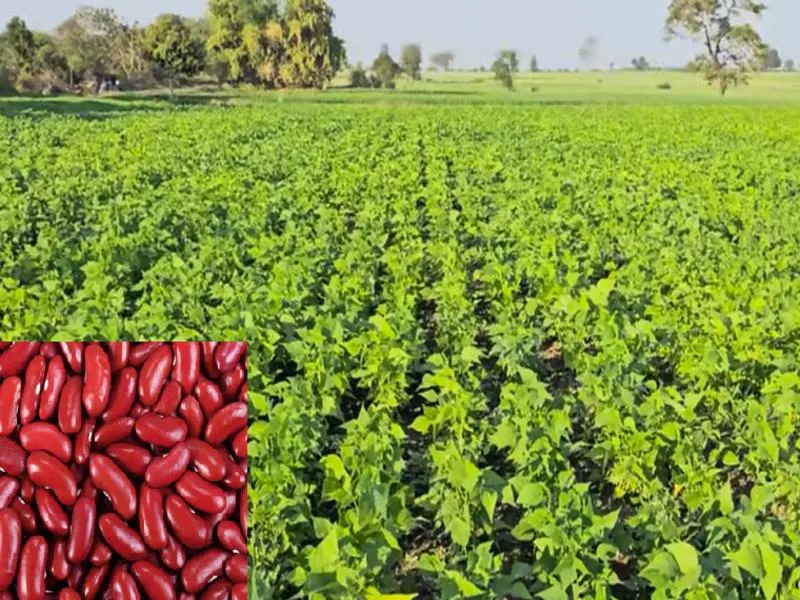
Major pulses grown in India include:
- Tur (Arhar)
- Urad
- Moong
- Masur
- Gram
- Peas
Conditions Required for Pulse Cultivation
- Temperature: 20°C to 27°C
- Rainfall: 25 to 60 cm
- Soil: Sandy-loamy soil
Pulses need less water, so they are suitable for dry areas.
Top Pulse Producing States
- Madhya Pradesh
- Rajasthan
- Maharashtra
- Uttar Pradesh
- Karnataka
India is the largest producer and consumer of pulses in the world.
One major advantage of pulses is that they improve soil fertility. Most pulse crops are leguminous crops, which means they fix nitrogen from the air into the soil. This makes the soil healthier for future crops.
Because of this benefit, pulses are often grown in crop rotation with cereals like rice and wheat.
Government Support for Pulses
Important schemes include:
- National Food Security Mission for Pulses
- Pulses Development Scheme
- Technological Mission on Pulses
These programs help improve pulse production and reduce imports.
Importance of Cropping Patterns in India
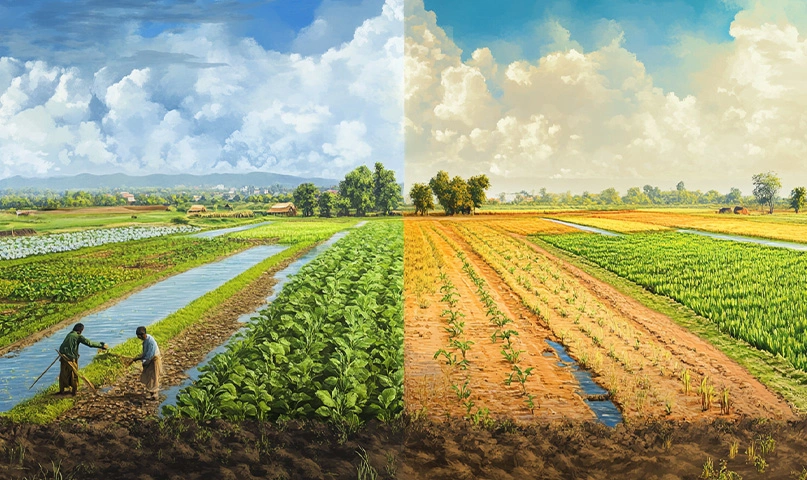
Cropping patterns refer to how different crops are grown in different regions and seasons. These patterns depend on:
- Climate
- Soil type
- Rainfall
- Irrigation
- Market demand
- Government support
A good cropping pattern helps in:
- Better food production
- Efficient use of land
- Improved soil fertility
- Higher farmer income
- Better food security
India’s agricultural strength comes from its diversity. Different crops in different seasons ensure that the country has a steady supply of food throughout the year.
FAQs
Q1. What are cropping patterns in India?
Cropping patterns in India refer to the arrangement and cultivation of different crops in different seasons and regions based on climate, soil, and rainfall.
Q2. What are the three cropping seasons in India?
The three main cropping seasons in India are Rabi, Kharif, and Zaid.
Q3. What is the difference between Rabi and Kharif crops?
Rabi crops are sown in winter and harvested in summer, while Kharif crops are sown during the monsoon and harvested in autumn.
Q4. Which is the most important food crop in India?
Rice is the most important food crop and is the staple food for a large part of India’s population.
Q5. Which state is the largest producer of wheat in India?
Uttar Pradesh is the largest producer of wheat in India.
Q6. Why are millets called nutri-cereals?
Millets are called nutri-cereals because they are rich in fiber, iron, calcium, and other important nutrients.
Q7. Why are pulses important in agriculture?
Pulses are important because they provide protein and help improve soil fertility by fixing nitrogen.
Q8. What are cash crops?
Cash crops are crops mainly grown for sale or industrial use, such as cotton, tea, sugarcane, and jute.