


Horticulture Sector in India: Growth, Benefits and Challenges

Horticulture Sector in India is one of the fastest-growing parts of Indian agriculture. It plays an important role in improving farmers’ income, creating jobs, increasing exports, and providing nutritious food to people. In recent years, the horticulture sector has grown rapidly due to better farming methods, government support, and rising demand for fruits, vegetables, flowers, and medicinal plants.
According to the Third Advanced Estimate (2018–19) released by the Department of Agriculture, Cooperation and Farmers Welfare, India’s total horticulture production reached 313.85 million tonnes, which was 0.69% higher than the previous year’s production of 311.71 million tonnes. The area under horticulture crops also increased from 25.43 million hectares in 2017–18 to 25.49 million hectares in 2018–19. These numbers show how important this sector has become for the Indian economy.

What is Horticulture?
Horticulture is a branch of agriculture that focuses on growing plants used directly by humans for food, medicine, and decoration. In simple words, horticulture includes the cultivation, production, and sale of fruits, vegetables, flowers, herbs, and ornamental plants.
The word horticulture comes from two Latin words:
- Hortus = Garden
- Cultura = Cultivation
So, horticulture means garden cultivation.
Liberty Hyde Bailey is known as the Father of American Horticulture, while M. H. Marigowda is called the Father of Indian Horticulture.
Main Types of Horticulture
Horticulture can be divided into different branches:
1. Pomology
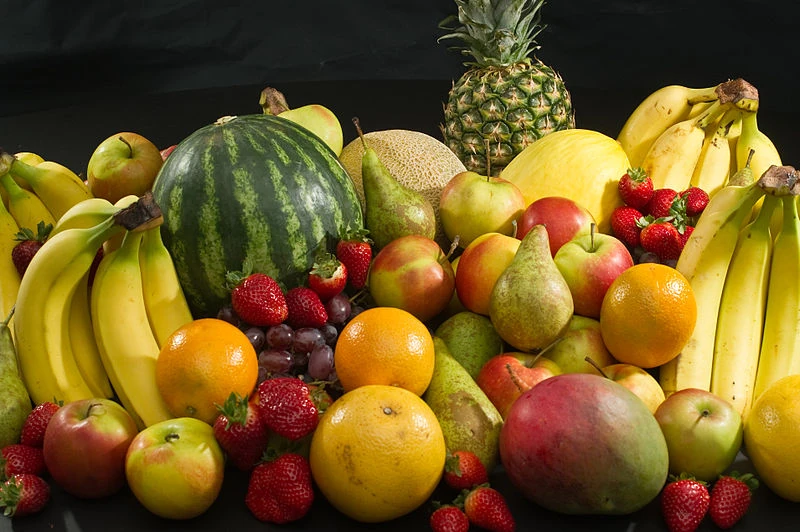
Pomology deals with the planting, harvesting, storing, processing, and marketing of fruits and nuts such as mango, banana, and apple.
2. Olericulture
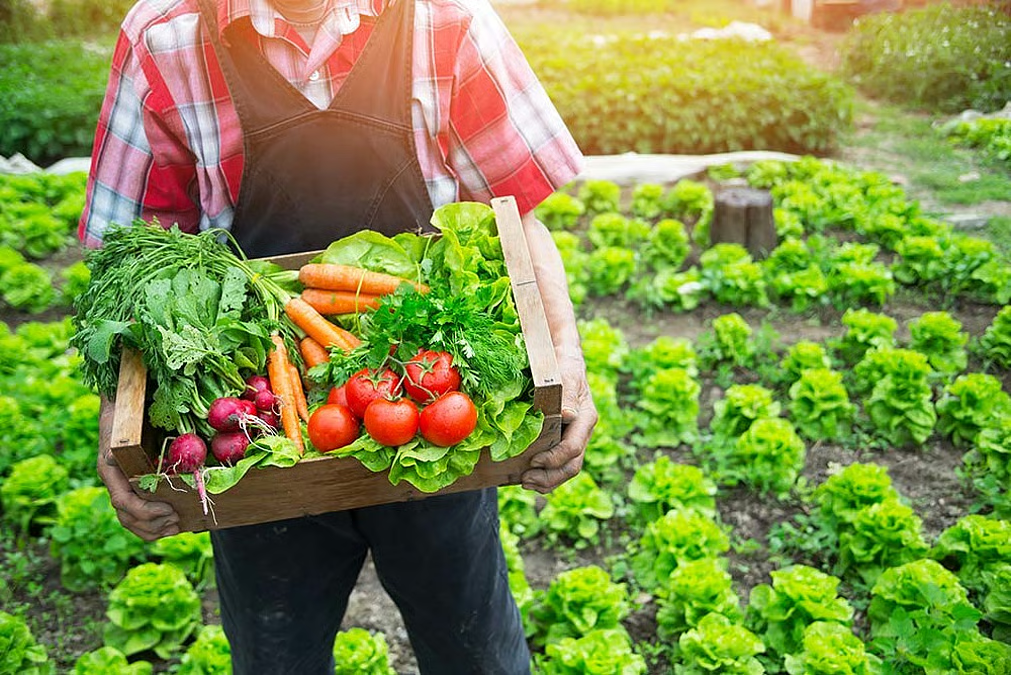
Olericulture focuses on the production and marketing of vegetables like potato, tomato, cabbage, and onion.
3. Arboriculture
Arboriculture is the study and care of trees, shrubs, and other woody plants.
4. Ornamental Horticulture
This branch deals with plants used for beauty and decoration. It has two parts:
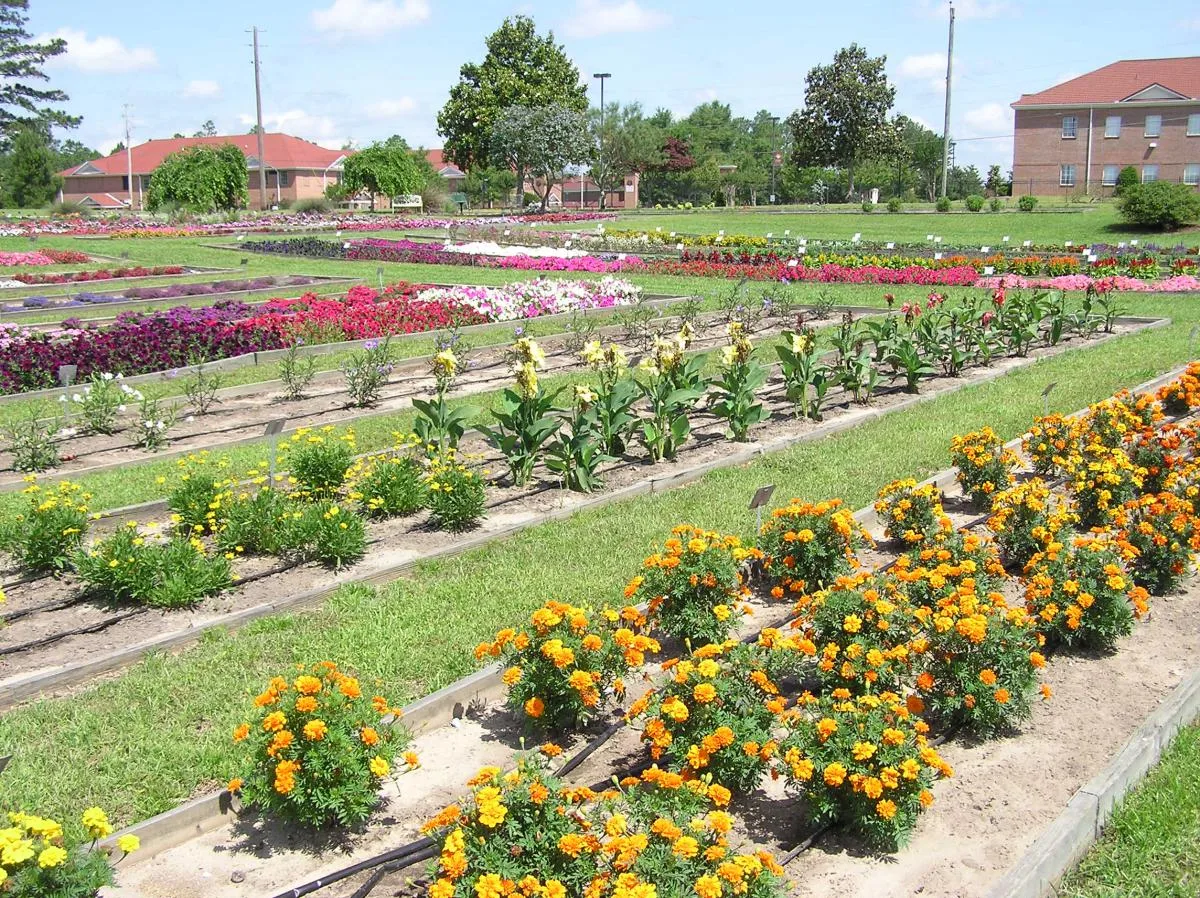
Floriculture:
Growing flowers such as rose, marigold, and orchid for sale and decoration.
Landscape Horticulture:
Growing plants used to beautify gardens, parks, roadsides, and outdoor spaces.
Features of Horticulture Sector in India
The horticulture sector has become a major growth engine in Indian agriculture. Some important features are:
Better Income for Farmers
Horticulture crops usually give higher profits than food grains such as rice and wheat. This helps farmers earn more money.
Employment Generation
This sector creates jobs in farming, packaging, transport, storage, processing, and marketing.
Climate Resilience
Many fruits and vegetables can survive changing weather conditions better than some traditional crops.
Suitable for Small Farmers
Small and marginal farmers can grow horticulture crops on small land areas and still earn good income.
Less Water Use
Many horticulture crops need less water compared to food grains, reducing crop failure risk.
Better Nutrition
Fruits and vegetables provide vitamins, minerals, and fiber, helping people maintain a healthy diet.
Multiple Cropping
Farmers often grow different crops together to improve land use and increase overall yield.
Because of these benefits, horticulture has become very important for India’s agricultural growth.
Role of Indian Council of Agricultural Research (ICAR)
Indian Council of Agricultural Research is India’s top agricultural research organization.
Important facts about ICAR:
- Established on 16 July 1929
- Earlier known as Imperial Council of Agricultural Research
- Headquarters: New Delhi
- Works under the Department of Agricultural Research and Education
ICAR coordinates agricultural research and education in:
- Agriculture
- Horticulture
- Fisheries
- Animal sciences
Its research helps improve crop quality, disease resistance, and productivity.
Major Achievements of Horticulture Sector in India
In the last few decades, horticulture has become a major contributor to agriculture and allied sectors.
Some major achievements include:
Rising Production
India’s horticulture production increased from 211.2 million tonnes in 2007–08 to over 311 million tonnes in 2018–19.
Global Rank
India is the second-largest producer of fruits and vegetables in the world.
India ranks first in the production of:
- Banana
- Mango
- Lime and Lemon
- Papaya
- Okra
More Production than Food Grains in Some Categories
The production of fruits and vegetables has crossed the production of many traditional crops in terms of growth rate.
Mission for Integrated Development of Horticulture (MIDH)
Mission for Integrated Development of Horticulture is a major government scheme for developing the horticulture sector.
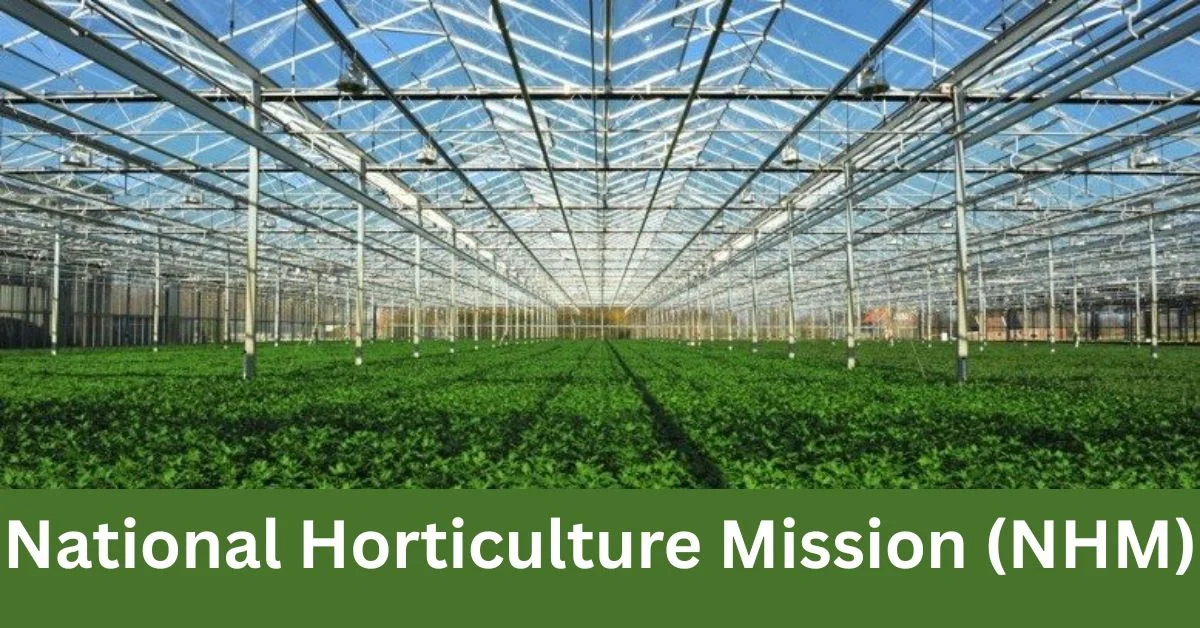
Its goal is to improve:
- Production
- Productivity
- Storage
- Post-harvest management
- Marketing
It covers:
- Fruits
- Vegetables
- Flowers
- Spices
- Plantation crops
- Medicinal plants
Funding pattern:
- Most states: 60% Central Government + 40% State Government
- North Eastern and Himalayan states: 90% Central Government + 10% State Government
Major Schemes under MIDH
- National Horticulture Mission (NHM)
- Horticulture Mission for North East and Himalayan States (HMNEH)
- National Horticulture Board (NHB)
- Coconut Development Board (CDB)
- Central Institute of Horticulture (CIH), Nagaland
National Horticulture Board (NHB)
National Horticulture Board was established in 1984 based on recommendations by M. S. Swaminathan.
Headquarters: Gurugram
Its main objectives are:
- Develop the horticulture industry
- Improve production and processing
- Reduce post-harvest losses
- Support farmers and businesses
NHB helps improve the supply chain of fruits and vegetables.
Technology in Horticulture
Technology has improved horticulture greatly in India.
HAPIS
Horticulture Area Production Information System (HAPIS) is a web-based system that collects crop data from states and districts quickly.
CHAMAN
Coordinated Programme on Horticulture Assessment and Management using Geoinformatics (CHAMAN) uses:
- Remote sensing
- Satellite images
- Sample surveys
This improves crop area and production estimation.
Disease-Free Planting Materials
Scientists have developed methods to produce high-quality disease-free plants.
Micro Propagation
Advanced methods are used to grow healthy plants for fruits, spices, and medicinal crops.
Micro Irrigation and Fertigation
These techniques help save water and improve fertilizer efficiency.
Good Agricultural Practices (GAP)
These practices improve crop quality and reduce environmental damage.
Farm Mechanization
Machines are used for harvesting and processing, reducing labor and crop loss.
Low-Cost Storage
Cool chambers help farmers store fruits and vegetables for longer periods.
Training programs are also organized to teach farmers modern techniques.
Challenges in Horticulture Sector in India
Even though the sector is growing, many problems still exist.
No MSP Support
Unlike rice and wheat, horticulture crops usually do not get support under Minimum Support Price (MSP).
Poor Cold Storage
Many fruits and vegetables spoil quickly because of a lack of cold storage facilities.
Weak Transport Network
Poor transport systems increase losses during movement from farms to markets.
High Input Costs
Seeds, fertilizers, labor, and equipment are expensive.
Price Fluctuation
Market prices of fruits and vegetables often change sharply, creating uncertainty for farmers.
Limited Machinery
Horticulture still depends heavily on manual labor in many regions.
Export Challenges
Lack of market intelligence and international standards can make exports difficult.
Small and marginal farmers suffer the most from these challenges.
Suggestions for Improvement
To strengthen the horticulture sector, India should focus on:
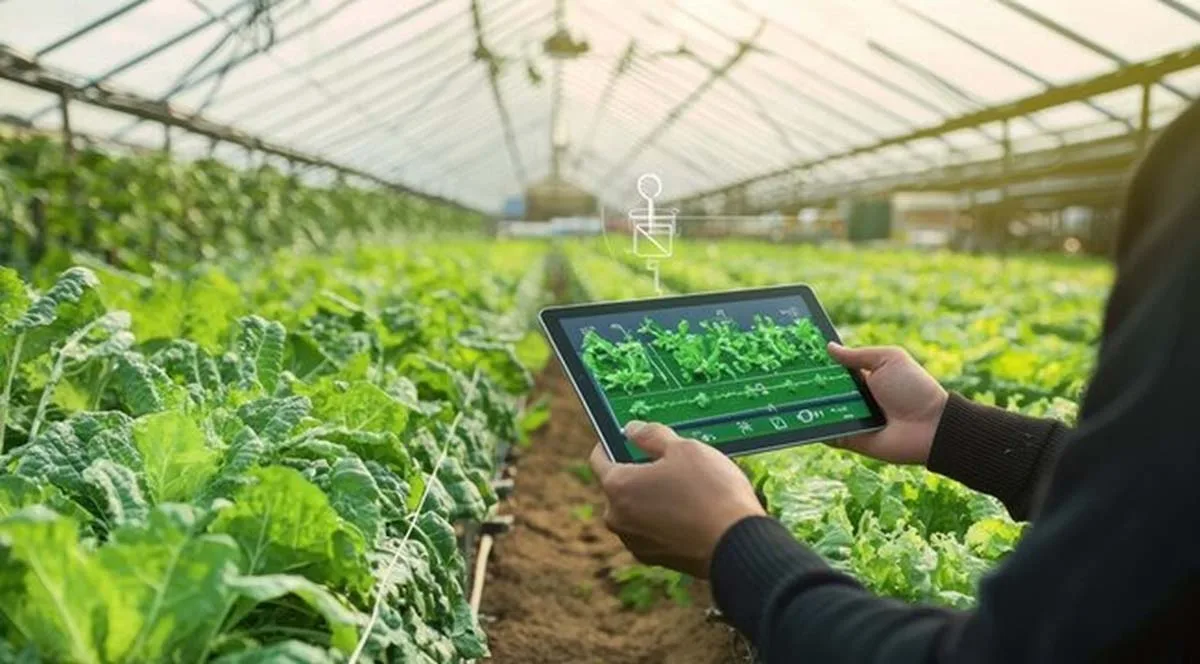
Technology-Based Development
Modern farming technologies should reach more farmers.
Better Storage and Processing
More cold chains and food processing units are needed.
Value Addition
Farmers can earn more by making products like:
- Juice
- Jam
- Pickles
- Dried fruits
Improved Packaging
Modified atmosphere packaging can increase shelf life.
Better Pollination
Using insect pollinators can improve crop quality and yield.
Research and Development
More research is needed for:
- Disease-resistant crops
- Climate-friendly crops
- Better productivity
Waste Utilization
Agricultural waste can be used for bioenergy and compost.
Strong Policy Support
Government policies should protect farmers and improve market access.
Future of Horticulture in India
The future of the Horticulture Sector in India looks very promising. This sector is helping the country in many ways such as income growth, employment creation, poverty reduction, and export promotion.
With better infrastructure, stronger research, modern technology, and improved government policies, India can become an even bigger producer and exporter of horticulture products.
A well-organized horticulture industry with strong supply chains can bring long-term growth to Indian agriculture and improve the lives of millions of farmers.
FAQs
1. What is horticulture?
Horticulture is the cultivation of fruits, vegetables, flowers, herbs, and ornamental plants for food, medicine, and decoration.
2. Why is horticulture important in India?
It improves farmers’ income, creates jobs, supports exports, and provides nutritious food.
3. Which country is the second-largest producer of fruits and vegetables?
India is the second-largest producer of fruits and vegetables.
4. What is MIDH?
MIDH stands for Mission for Integrated Development of Horticulture, a government scheme for overall horticulture development.
5. What are the main challenges in horticulture?
Poor storage, price fluctuation, lack of MSP, high costs, and weak transport systems.