


NGOs in India: Role, Importance, Challenges and Future

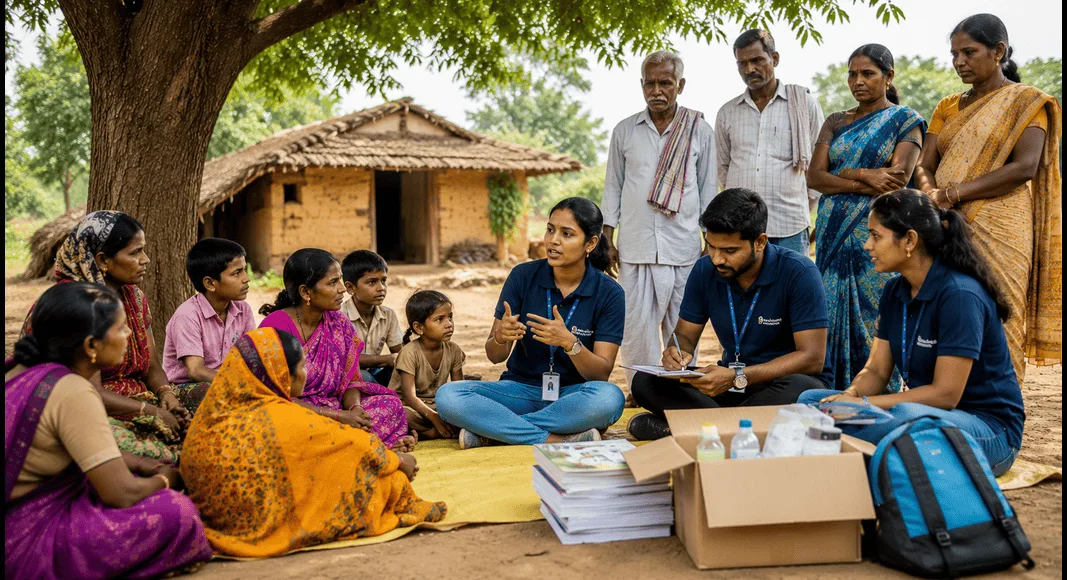
NGOs in India play a very important role in the country’s social and economic development. NGO stands for Non-Governmental Organization. These organizations work independently from the government and focus on solving social problems, helping poor communities, protecting the environment, improving education and healthcare, and promoting social justice.
India is a large and diverse country with many challenges such as poverty, illiteracy, unemployment, malnutrition, gender inequality, and environmental issues. Although the government runs many welfare programs, it cannot reach every person effectively. This is where NGOs become important. They work closely with communities and help bridge the gap between people and the government.

Over the years, NGOs have become a significant force in India’s development process. They raise awareness, provide services, empower marginalized groups, and encourage citizen participation in democracy.
What are NGOs?
According to the World Bank, NGOs are non-profit organizations that work to reduce suffering, support poor people, protect the environment, provide social services, and promote community development.
NGOs are not part of the government. They are legally registered organizations that operate independently. In India, many NGOs are registered under laws such as the Societies Registration Act, 1860, the Indian Trusts Act, or the Companies Act.
The main objective of NGOs is not to earn profits but to improve the lives of people and contribute to social welfare.
Types of NGOs in India
India has a wide variety of NGOs working in different sectors. They can be classified into several categories.
1. Registered Societies
These organizations are formed for specific social, educational, cultural, or charitable purposes. They are registered under the Societies Registration Act.
2. Charitable Trusts
Trusts are established to support public welfare activities such as education, healthcare, and poverty reduction.
3. Self-Help Groups (SHGs)
These are community-based groups that help members save money, access credit, and improve their economic condition.
4. Cooperatives
Cooperative organizations are formed by people who come together for mutual economic benefits.
5. Professional Bodies
These organizations regulate and support professional communities such as doctors, engineers, teachers, and lawyers.
6. Community-Based Organizations
These groups operate at the local level and address specific community issues.
7. Government-Supported Organizations
Some organizations are promoted by the government but operate with a certain degree of independence.
Why are NGOs Needed in India?
India has made remarkable progress since independence. Economic growth, industrial development, education, healthcare, and infrastructure have improved significantly.
However, many social problems still exist.
Poverty
Millions of people still struggle to meet their basic needs. NGOs help these people by providing food, education, healthcare, and livelihood opportunities.
Gender Inequality
Women often face discrimination in education, employment, and decision-making. NGOs work to promote women’s rights and empowerment.
Child Welfare
Many children suffer from malnutrition, child labor, and lack of education. NGOs support child protection and educational programs.
Environmental Problems
Pollution, deforestation, climate change, and loss of biodiversity threaten sustainable development. NGOs raise awareness and promote environmental conservation.
Marginalized Communities
Scheduled Castes, Scheduled Tribes, minorities, and other disadvantaged groups often face social exclusion. NGOs work to ensure their rights and inclusion.
Social Justice
NGOs help vulnerable groups access justice, government services, and legal protection.
Constitutional Support for NGOs
The Indian Constitution provides a legal foundation for the functioning of NGOs.
Article 19(1)(c)
This article gives citizens the right to form associations and unions.
Article 43
This article encourages the promotion of cooperative societies and community organizations.
Concurrent List Entry 28
It includes charities, charitable institutions, religious institutions, and endowments, allowing both the Central and State Governments to make laws related to them.
These constitutional provisions support the growth and functioning of NGOs in India.
Laws Regulating NGOs in India
To ensure transparency and accountability, NGOs are governed by various laws.
Foreign Contribution Regulation Act (FCRA), 2010
The FCRA regulates foreign funding received by NGOs.
Its main objectives are:
- To ensure foreign donations are used for the intended purpose.
- To prevent misuse of foreign funds.
- To maintain transparency in financial transactions.
Organizations receiving foreign contributions must register under FCRA and renew their registration periodically.
Foreign Exchange Management Act (FEMA), 1999
FEMA regulates foreign exchange transactions in India.
It helps monitor the flow of foreign money into organizations and ensures compliance with financial regulations.
Together, FCRA and FEMA help maintain accountability and transparency among NGOs receiving foreign funds.
Major Roles of NGOs in India
NGOs perform a wide range of functions that contribute to social and economic development.
1. Advocacy and Awareness
One of the most important roles of NGOs is raising awareness about social issues.
They educate people about:
- Human rights
- Women’s rights
- Child rights
- Environmental protection
- Health and sanitation
- Education
Through campaigns, workshops, seminars, and social media, NGOs help people become aware of their rights and responsibilities.
2. Acting as the Voice of the People
NGOs represent the concerns of communities, especially those who are poor, marginalized, or ignored.
They bring people’s problems to the attention of policymakers and government authorities.
This strengthens democracy and ensures that people’s voices are heard.
3. Improving Government Performance
NGOs often work alongside government agencies to improve public service delivery.
They:
- Monitor government programs
- Conduct social audits
- Identify implementation gaps
- Provide policy recommendations
Their feedback helps improve the effectiveness of government schemes.
4. Service Delivery
Many NGOs directly provide essential services such as:
- Education
- Healthcare
- Nutrition support
- Skill development
- Disaster relief
- Rural development
In remote areas where government services may be limited, NGOs often become the primary support system for local communities.
5. Community Development
NGOs encourage local participation in development activities.
They help communities identify their needs and work together to solve problems.
Community participation creates ownership and ensures sustainable development.
6. Capacity Building
NGOs provide training and skill development programs that help individuals improve their livelihoods.
These include:
- Vocational training
- Entrepreneurship development
- Leadership training
- Financial literacy
Such programs increase employment opportunities and self-reliance.
7. Conflict Resolution
NGOs often act as mediators during conflicts within communities.
They promote dialogue, understanding, and peaceful solutions.
At the international level, NGOs also contribute to peace-building and diplomacy.
8. Environmental Protection
Many NGOs work to conserve forests, wildlife, water resources, and biodiversity.
Their activities include:
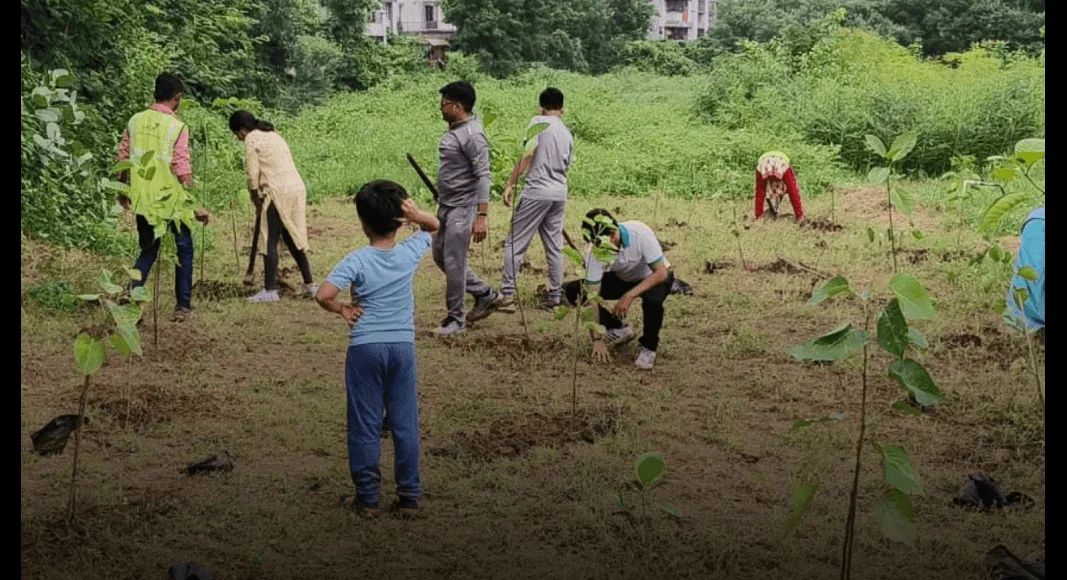
- Tree plantation drives
- Environmental education
- Waste management programs
- Climate awareness campaigns
These efforts support sustainable development.
Important Activities Undertaken by NGOs
NGOs engage in various activities including:
Advocacy
Speaking on behalf of vulnerable communities and influencing public policies.
Research and Analysis
Studying social issues and providing evidence-based recommendations.
Awareness Campaigns
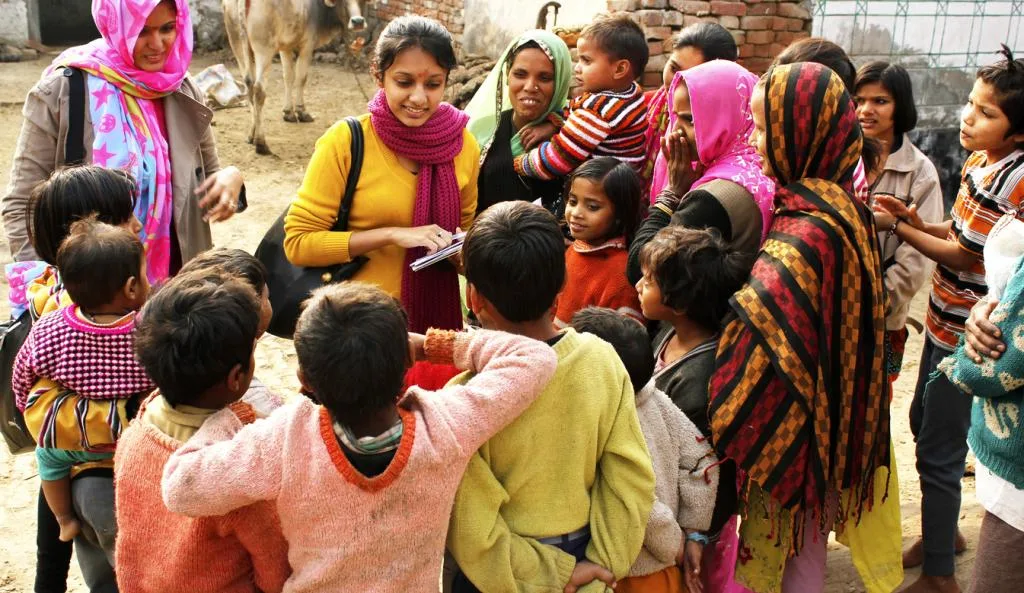
Educating people through workshops, media campaigns, and community meetings.
Mediation
Resolving disputes between communities, organizations, and authorities.
Training and Education
Providing knowledge, skills, and information to people.
Social Services
Delivering healthcare, education, nutrition, and disaster relief services.
Monitoring and Evaluation
Acting as watchdogs to ensure transparency and accountability.
Contributions of NGOs to Indian Society
NGOs have made significant contributions in various sectors.
Education
They establish schools, provide scholarships, and support literacy programs.
Healthcare
NGOs organize health camps, vaccination drives, and awareness campaigns.
Women Empowerment
Many NGOs help women gain education, employment, legal support, and leadership opportunities.
Rural Development
They promote agriculture, skill development, sanitation, and infrastructure development.
Disaster Management
During floods, earthquakes, cyclones, and pandemics, NGOs provide immediate relief and rehabilitation support.
Human Rights Protection
NGOs fight against discrimination, exploitation, and injustice.
Challenges Faced by NGOs
Despite their important role, NGOs face several challenges.
Funding Issues
Many NGOs struggle to secure regular funding.
Limited financial resources affect their ability to run programs effectively.
Accreditation Problems
It is often difficult to distinguish genuine NGOs from organizations formed only to receive grants.
Dependence on Government Funds
Excessive dependence on government funding may reduce their independence and ability to criticize government policies.
Lack of Transparency
Some NGOs face allegations of financial mismanagement and poor accountability.
Regulatory Challenges
Compliance with laws and regulations can be complex and time-consuming.
Political Pressure
Some NGOs face political interference or criticism based on their activities.
Public Trust Issues
Cases involving misuse of funds by a few organizations can damage the reputation of the entire NGO sector.
Criticism of NGOs
Certain criticisms are often directed at NGOs.
Some people argue that:
- Foreign-funded NGOs may influence domestic policies.
- Certain organizations may obstruct development projects.
- Some NGOs lack accountability.
- A few NGOs may pursue hidden agendas.
While these concerns exist, it is important to remember that the majority of NGOs work sincerely for public welfare and development.
How NGOs Can Become More Effective
Several measures can strengthen the NGO sector.
Better Accreditation System
A strong accreditation system can identify genuine organizations and improve public trust.
Greater Transparency
NGOs should maintain clear financial records and regularly disclose their activities.
Improved Coordination
Better cooperation between government agencies and NGOs can improve development outcomes.
Stronger Monitoring
Regular monitoring and evaluation can ensure accountability and efficiency.
Capacity Building
Training NGO staff and volunteers can improve organizational performance.
Use of Technology
Digital tools can improve communication, fundraising, monitoring, and service delivery.
The Future of NGOs in India
The future of NGOs in India remains highly promising.
As India continues its journey toward inclusive development, NGOs will remain important partners in addressing social, economic, and environmental challenges.
Emerging areas such as climate change, digital education, public health, skill development, women’s empowerment, and sustainable development will create new opportunities for NGOs.
Technology and social media are also helping NGOs connect with larger audiences and mobilize support more effectively than ever before.
With proper regulation, transparency, and public participation, NGOs can contribute significantly to building a stronger, more inclusive, and more equitable India.
Conclusion
NGOs in India have become an essential part of the country’s development process. They serve as a bridge between citizens and the government, advocate for vulnerable communities, deliver vital services, and promote social justice.
Through education, healthcare, environmental protection, women’s empowerment, and community development, NGOs have transformed millions of lives. Despite facing challenges related to funding, regulation, and accountability, their contribution remains invaluable.
For India to achieve inclusive and sustainable development, governments, citizens, businesses, and NGOs must work together. Strengthening the NGO sector through transparency, accountability, and cooperation will help create a more just, prosperous, and equitable society for future generations.
FAQs on NGOs in India
1. What is an NGO?
An NGO (Non-Governmental Organization) is a non-profit organization that works for social welfare, development, education, health, environment, and community upliftment.
2. What is the main purpose of NGOs?
The main purpose of NGOs is to improve the lives of people by addressing social, economic, environmental, and humanitarian issues.
3. Are NGOs part of the government?
No, NGOs operate independently and are not controlled by the government, although they may work with government agencies.
4. How are NGOs registered in India?
NGOs can be registered as societies, trusts, or Section 8 companies under different Indian laws.
5. What is FCRA and why is it important for NGOs?
The Foreign Contribution Regulation Act (FCRA) regulates foreign donations received by NGOs and ensures proper use of foreign funds.
6. What role do NGOs play in society?
NGOs provide services, raise awareness, promote human rights, support education and healthcare, and encourage community participation.
7. How do NGOs receive funding?
NGOs receive funds through donations, grants, corporate CSR contributions, membership fees, and foreign contributions.
8. What are the major challenges faced by NGOs?
Funding shortages, regulatory compliance, lack of transparency, limited resources, and public trust issues are major challenges.
9. How do NGOs help in rural development?
They provide education, healthcare, skill training, financial support, and livelihood opportunities to rural communities.
10. Why are NGOs important for democracy?
NGOs give a voice to citizens, promote accountability, encourage public participation, and support social justice.