



Libra Cryptocurrency: Facebook’s Digital Currency and Its Impact on the Financial World

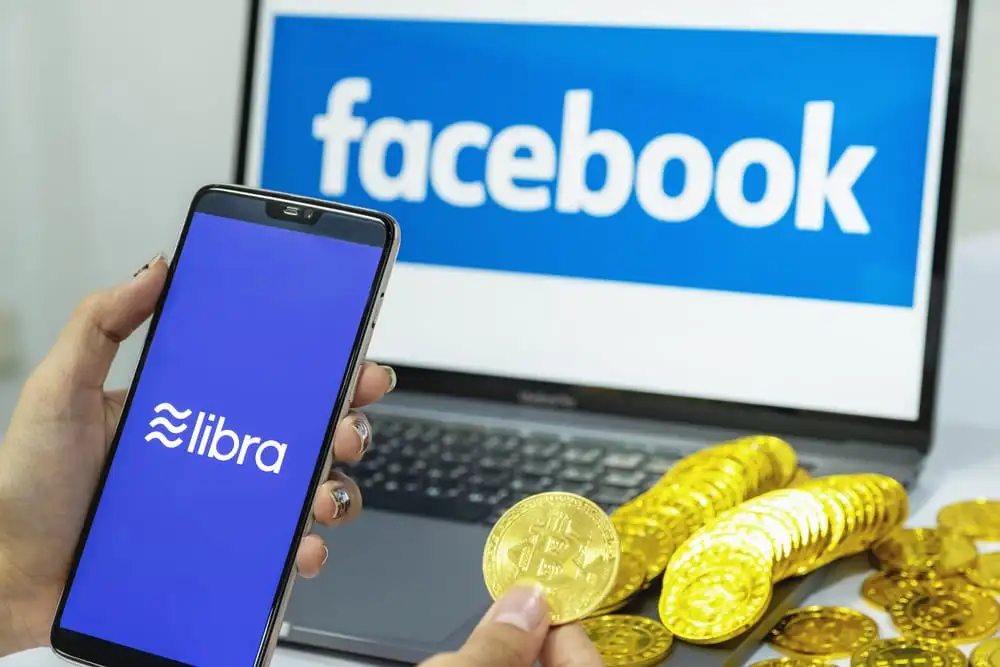
Libra Cryptocurrency was a digital currency project introduced by Facebook in 2019. The project attracted worldwide attention because it aimed to change the way people send, receive, and store money. Facebook planned to make financial transactions easier, faster, and cheaper through a new digital payment system. Although Libra later underwent changes and eventually faced several challenges, it remains an important topic in the history of digital currencies.
The announcement of Libra Cryptocurrency generated excitement among technology experts, investors, financial institutions, and governments. At the same time, it raised concerns about privacy, security, and the future role of central banks in managing money.

What is Libra Cryptocurrency?
Libra Cryptocurrency was a digital currency developed with support from Facebook and several major global companies. It was designed to allow people to send money and make payments through smartphones without relying heavily on traditional banking systems.
The main goal of Libra was to create a simple and affordable payment system that could be used by people across the world. Facebook believed that billions of people, especially those without access to banking services, could benefit from such a system.
Unlike traditional currencies such as the Indian Rupee, US Dollar, or Euro, Libra existed only in digital form. Users could store it electronically and use it for transactions through mobile applications.
Calibra Digital Wallet
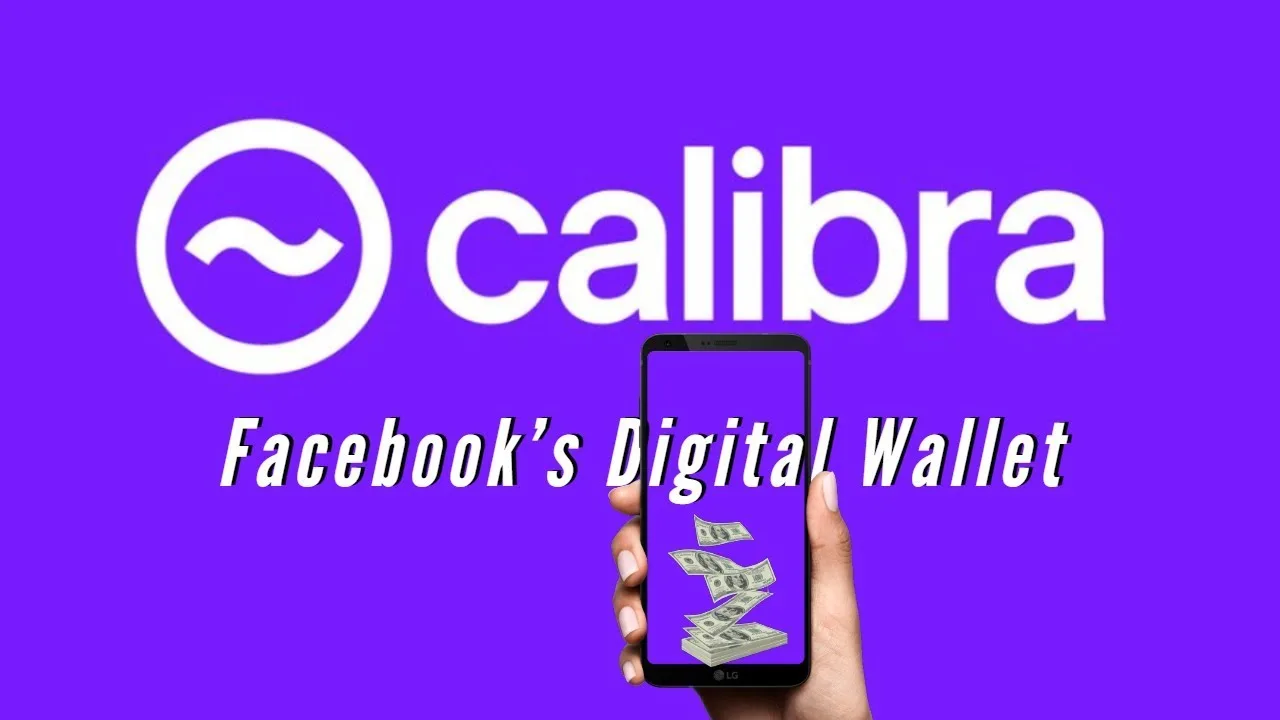
To use Libra Cryptocurrency, Facebook introduced a digital wallet called Calibra.
Calibra was designed as a separate smartphone application. It was also planned to be integrated into Facebook-owned platforms such as WhatsApp and Messenger.
The wallet would allow users to:
- Store Libra coins securely
- Send money to friends and family
- Receive payments instantly
- Make purchases online
- Manage digital currency balances
The aim was to make digital payments as simple as sending a text message.
How Users Could Buy Libra
The process of obtaining Libra Cryptocurrency was planned to be straightforward.
Step 1: Account Registration
Users would first create a Calibra account using a government-issued identification document.
Step 2: Convert Local Currency
After verification, users could convert their local currency into Libra.
Step 3: Store in Digital Wallet
The purchased Libra coins would be stored in the Calibra wallet.
Step 4: Use for Transactions
Users could then use Libra for everyday purchases, money transfers, and online payments.
This process was intended to make digital payments accessible even for people with limited banking facilities.
The Libra Association
The operation of Libra Cryptocurrency was to be managed by an independent organization called the Libra Association.
The association was headquartered in Geneva, Switzerland and included several well-known companies as founding members.
Some of the major participants included:
| Founding Members |
|---|
| Mastercard |
| Visa |
| Uber |
| Vodafone |
| Spotify |
| eBay |
| Lyft |
| Stripe |
The Libra Association was responsible for managing the network, maintaining stability, and overseeing the development of the digital currency ecosystem.
What Was the Libra Reserve?
One major concern with cryptocurrencies is price volatility. Many cryptocurrencies experience large price fluctuations within short periods.
To address this issue, Libra Cryptocurrency was backed by a reserve of real assets known as the Libra Reserve.
The reserve included:
| Asset Type | Examples |
| Bank Deposits | Cash held in banks |
| Government Securities | Short-term government bonds |
| Fiat Currencies | US Dollar, Euro, Pound Sterling |
Because of this reserve, Libra was designed to maintain a relatively stable value.
Users were expected to have confidence that they could exchange Libra back into their local currency whenever needed.
Understanding Blockchain Technology
Libra Cryptocurrency was based on blockchain technology.
A blockchain is a digital ledger that records every transaction permanently and securely.
Each transaction is stored in blocks, and these blocks are connected in a chain. Once information is added to the blockchain, it becomes extremely difficult to alter.
Benefits of blockchain include:
- Transparency
- Security
- Fast transactions
- Reduced fraud
- Improved record keeping
Every Libra transaction would be recorded on the Libra blockchain.
Libra Blockchain Performance
Facebook claimed that the Libra blockchain could process around 1,000 transactions per second.
For comparison:
| Cryptocurrency | Transactions Per Second |
| Bitcoin | Around 7 |
| Ethereum | Around 15 |
| Libra | Around 1,000 |
This higher speed was expected to make Libra suitable for daily financial transactions around the world.
What is Cryptocurrency?
Cryptocurrency is a digital form of money that uses encryption techniques to secure transactions and control the creation of new units.
Unlike traditional currencies, cryptocurrencies generally operate without direct control from governments or central banks.
Some popular cryptocurrencies include:
- Bitcoin
- Ethereum
- Litecoin
- Ripple
- Dogecoin
- Namecoin
Cryptocurrencies exist only in digital form and are usually stored in digital wallets.
Key Features of Cryptocurrency
Decentralization
Most cryptocurrencies operate without a central authority.
Peer-to-Peer Transactions
Users can transfer money directly to each other without banks acting as intermediaries.
Blockchain Security
Transactions are verified and recorded using blockchain technology.
Digital Nature
Cryptocurrencies have no physical notes or coins.
Libra Cryptocurrency vs Other Cryptocurrencies
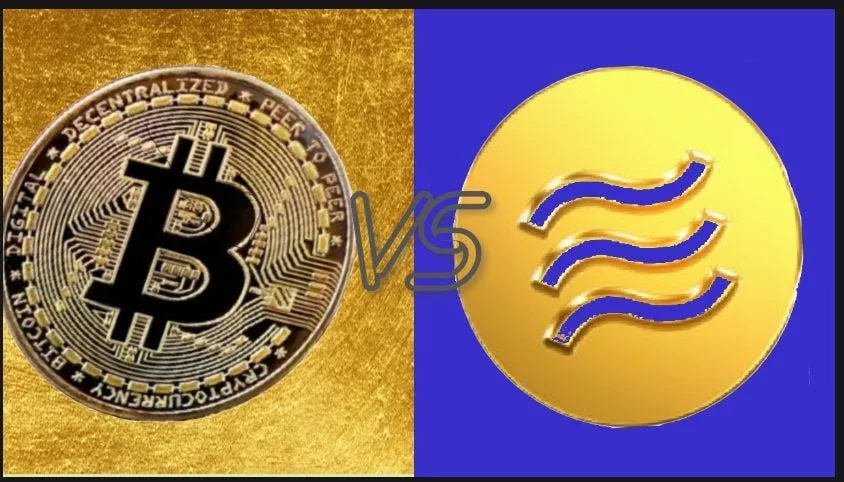
Although Libra was a cryptocurrency, it differed significantly from Bitcoin and many other digital currencies.
1. Regulatory Compliance
Most cryptocurrencies operate outside government regulation.
Libra planned to cooperate with regulators and follow legal requirements to reduce illegal activities such as:
- Money laundering
- Tax evasion
- Financial fraud
2. Centralized Structure
Bitcoin uses a decentralized network where anyone can participate.
Libra initially planned to use a permissioned blockchain where approved organizations would validate transactions.
This meant greater control over the network.
3. Stable Value
Bitcoin prices can rise or fall sharply.
Libra was designed as a stable digital currency backed by reserve assets.
This stability was expected to make it more useful for everyday purchases.
4. Controlled Creation of Coins
Bitcoin is created through mining.
Libra coins were to be created and destroyed only by authorized members of the Libra Association.
This process would provide greater oversight and transparency.
Permissioned and Permissionless Blockchains
Blockchain networks are generally classified into two categories.
Permissioned Blockchain
In a permissioned blockchain:
- Access is restricted
- Only approved participants can validate transactions
- Greater control exists over the network
Libra planned to start with this model.
Permissionless Blockchain
In a permissionless blockchain:
- Anyone can join
- Anyone can verify transactions
- Greater decentralization exists
Bitcoin is an example of a permissionless blockchain.
Importance of Libra Cryptocurrency
Financial Inclusion
Millions of people worldwide do not have bank accounts.
Libra aimed to provide these individuals with access to financial services through smartphones.
Affordable Transactions
Traditional international money transfers can be expensive.
Libra promised near-zero transaction costs.
Faster Cross-Border Payments
Sending money across countries often takes several days.
Libra planned to make international transfers much faster.
Support for Migrant Workers
Many workers send money to family members in different countries.
Lower transaction costs could help families receive more of the money sent to them.
Global Reach
Facebook had more than two billion users worldwide.
This large user base could have accelerated Libra’s adoption.
Security Features of Libra
Facebook claimed that Libra Cryptocurrency would include strong security protections.
The system used a new programming language called Move, which was developed specifically for the Libra blockchain.
Additional security measures included:
- User identity verification
- Fraud detection systems
- Secure digital wallet storage
- Recovery options for lost funds
Facebook also stated that financial data would not be used for advertising purposes except in limited circumstances required by law.
Privacy and Security Concerns
Despite these promises, many experts expressed concerns about Libra Cryptocurrency.
Facebook’s Privacy Record
The company faced criticism due to previous privacy-related controversies.
Many regulators questioned whether Facebook could be trusted with sensitive financial information.
Cambridge Analytica Scandal
One of the biggest concerns came from the Cambridge Analytica controversy.
The political consulting firm obtained data from millions of Facebook users without proper consent and used it for political advertising.
This incident damaged public trust and increased concerns about Libra.
Concerns About Global Financial Stability
Governments worried that Libra could become so popular that it might affect national financial systems.
Potential concerns included:
- Reduced control of central banks
- Impact on monetary policy
- Greater influence of multinational corporations
- Disruption of existing payment systems
Some experts feared that private companies could gain excessive power over global finance.
Shadow Banking Concerns
Critics argued that Libra could function like a private banking system.
Because it would hold large reserves and process huge numbers of transactions, some feared it could operate similarly to a bank without being regulated like one.
This led to concerns about financial stability and consumer protection.
Risk of Money Laundering
Digital currencies can sometimes be misused for illegal activities.
Governments feared that anonymous or semi-anonymous transactions could increase risks related to:
- Money laundering
- Terrorism financing
- Tax evasion
- Fraud
As a result, regulators demanded stronger oversight.
Control Over Financial Data
Another concern involved data ownership.
As more people used Libra, enormous amounts of payment information would be generated.
Governments worried about:
- Concentration of financial data
- User privacy
- Data misuse
- Corporate control over payment networks
Managing this data responsibly would be a major challenge.
Libra Cryptocurrency in India
India has traditionally taken a cautious approach toward cryptocurrencies.
Any payment system operating in India requires authorization from the Reserve Bank of India under the Payment and Settlement Systems Act, 2007.
Because of regulatory concerns, Libra would have faced significant challenges in obtaining approval in India.
Government authorities have often expressed concerns regarding virtual currencies because of risks related to fraud, investor protection, and financial stability.
As a result, the future of large-scale cryptocurrency payment systems in India remains closely linked to government regulations.
Lessons from the Libra Project
The Libra project highlighted several important lessons for the global financial industry.
Innovation Must Be Balanced with Regulation
New technologies can improve financial services, but proper regulation is necessary to protect consumers.
Privacy Remains Essential
Users expect strong protection of personal and financial information.
Global Cooperation Is Necessary
Digital currencies operate across borders, making international cooperation important.
Public Trust Is Critical
Without public confidence, even advanced financial technologies may struggle to gain acceptance.
Future of Digital Currencies
Although Libra itself faced difficulties and eventually evolved into a different project, it significantly influenced discussions about digital money.
Today, many countries are exploring Central Bank Digital Currencies (CBDCs) and other digital payment innovations.
The Libra initiative encouraged governments, central banks, and technology companies to rethink how money might function in the digital age.
Digital currencies are likely to play an increasingly important role in global finance, but their success will depend on achieving the right balance between innovation, security, privacy, and regulation.
FAQs
What is Libra Cryptocurrency?
Libra Cryptocurrency was a digital currency project launched by Facebook to enable fast, low-cost global payments through smartphones.
What was Calibra?
Calibra was the digital wallet designed to store and use Libra Cryptocurrency for payments and money transfers.
Was Libra backed by real assets?
Yes. Libra was supported by a reserve of bank deposits, government securities, and major fiat currencies to maintain stability.
How was Libra different from Bitcoin?
Libra was designed as a stable cryptocurrency with regulatory compliance and asset backing, while Bitcoin is decentralized and highly volatile.
Why did governments raise concerns about Libra?
Governments were concerned about privacy, financial stability, money laundering risks, and the growing influence of large technology companies.
Could Libra be used for international payments?
Yes. One of its primary goals was to enable fast and affordable cross-border transactions.
What is blockchain technology?
Blockchain is a secure digital ledger that records transactions permanently and transparently across a network.
Why is Libra important in the history of digital currencies?
Libra sparked global discussions about digital payments, cryptocurrency regulation, and the future of money.