



Ethanol Fuel Expansion India 2027 Plan

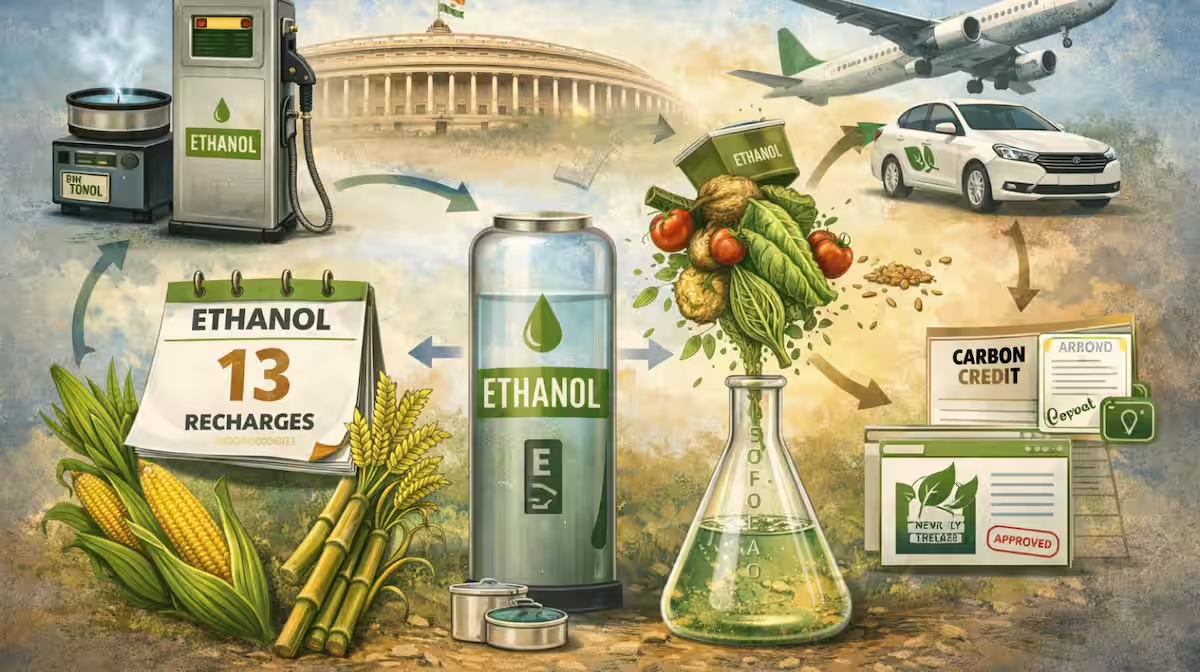
Ethanol Fuel Expansion India is moving forward with a major plan to increase the use of cleaner fuels across the country. The government has announced a phased rollout of ethanol-based fuel stations, aiming to set up 500 flex-fuel pumps by the end of 2026 and around 5,000 outlets by 2027.
This step is part of a broader push to promote biofuels and reduce dependence on traditional fossil fuels. It also supports the growing use of flex-fuel vehicles, which can run on higher ethanol blends.

Understanding Ethanol Blending in Petrol
Ethanol blending means mixing ethanol, which is made from crops like sugarcane and maize, with petrol. This helps reduce pollution and supports local agriculture.
India has already achieved a 20% ethanol blending target, known as E20, in 2025. This was earlier planned for 2030 but was completed ahead of schedule.
Different blends are now becoming more common. For example, E20 contains 20% ethanol, while E85 contains up to 85% ethanol. These blends are being introduced gradually to ensure compatibility with vehicles and fuel systems.
Rise of Flex-Fuel Vehicles in India
Flex-fuel vehicles are designed to run on a wide range of ethanol-petrol blends. Unlike regular vehicles, they can adjust to different fuel compositions without performance issues.
Automobile companies in India have started introducing such vehicles. Models like flex-fuel versions of popular cars and motorcycles are already being tested and launched. These vehicles can operate on blends ranging from E20 to E85.
This shift is important as it gives consumers more flexibility while also supporting cleaner energy use. With rising fuel prices and environmental concerns, flex-fuel vehicles are gaining attention in the market.
New Rules and Fuel Standards
To support this transition, the government is updating fuel and vehicle regulations. Changes have been proposed to allow higher ethanol blends, including E85 and even E100, which is pure ethanol.
There are also plans to support biodiesel options like B100 for diesel engines. These steps are aimed at creating a flexible and future-ready fuel system.
The updated rules will ensure that vehicles and fuel stations follow proper standards for safety and efficiency. This is important as higher ethanol blends require specific engine compatibility.
Expansion of Fuel Infrastructure
A major part of the Ethanol Fuel Expansion India plan is building the right infrastructure. The first phase will focus on major cities like Delhi-NCR, Mumbai, Pune, and Nagpur.
These cities have been selected due to their high vehicle usage and better readiness for new fuel technologies. The rollout will gradually expand to other regions as demand increases.
Different reports mention varying numbers for the first phase, but the overall goal remains clear creating a strong network of ethanol fuel stations across the country. This will make it easier for people to access cleaner fuel options.
Economic Benefits for Farmers
One of the key advantages of ethanol expansion is its impact on agriculture. Ethanol production uses crops like sugarcane, which provides additional income opportunities for farmers.
If more vehicles shift to ethanol-based fuels, the demand for ethanol could increase significantly. This may lead to higher earnings for farmers and better use of agricultural resources.
The government has also highlighted that this shift could generate thousands of crores in additional income, making it an important step for rural development.
Environmental Impact and Clean Energy Push
The move toward ethanol fuels is also linked to reducing pollution. Higher ethanol blending can lower harmful emissions from vehicles, helping improve air quality in cities.
With growing concerns about climate change and rising pollution levels, cleaner fuels are becoming a priority worldwide. India’s push for ethanol aligns with global efforts to reduce carbon emissions.
The estimated reduction in emissions from increased ethanol use is significant. This shows that the plan is not only about fuel but also about building a more sustainable future.
Changing Trends in India’s Fuel Sector
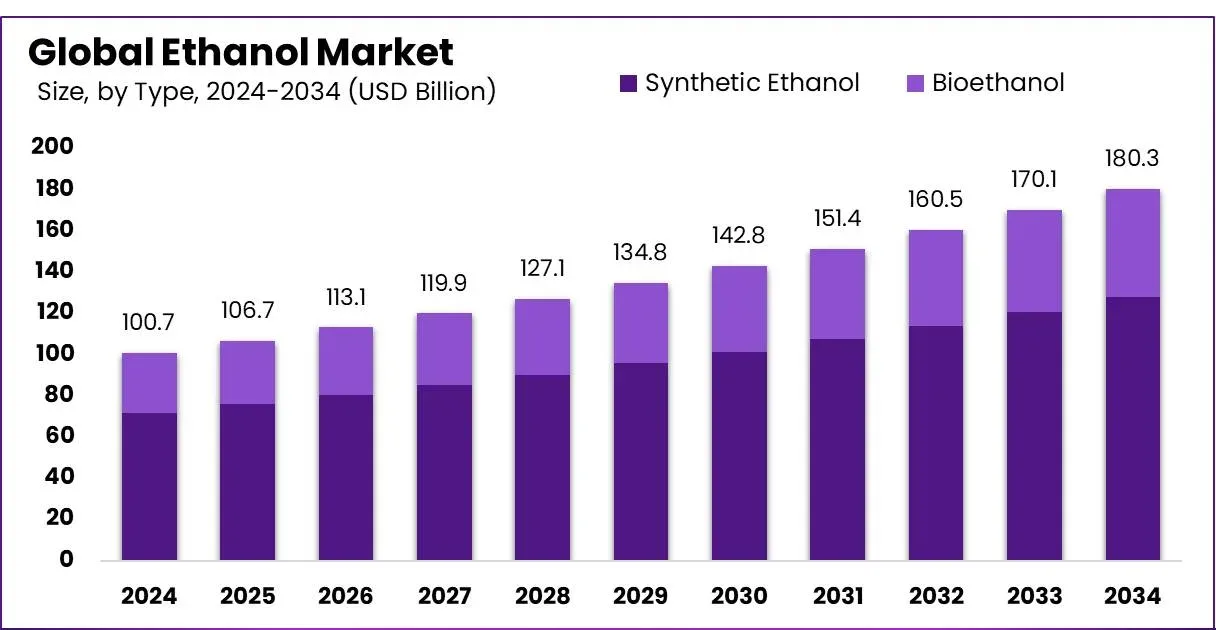
The Ethanol Fuel Expansion India plan reflects a larger shift in how the country approaches energy and transport. With electric vehicles, biofuels, and alternative energy sources gaining attention, the fuel sector is evolving rapidly.
Ethanol offers a practical solution that can be used with existing vehicle systems while new technologies continue to develop. This makes it an important bridge between traditional fuels and future energy options.
As infrastructure improves and awareness grows, ethanol-based fuels are likely to become a common choice for many vehicle owners across India.