



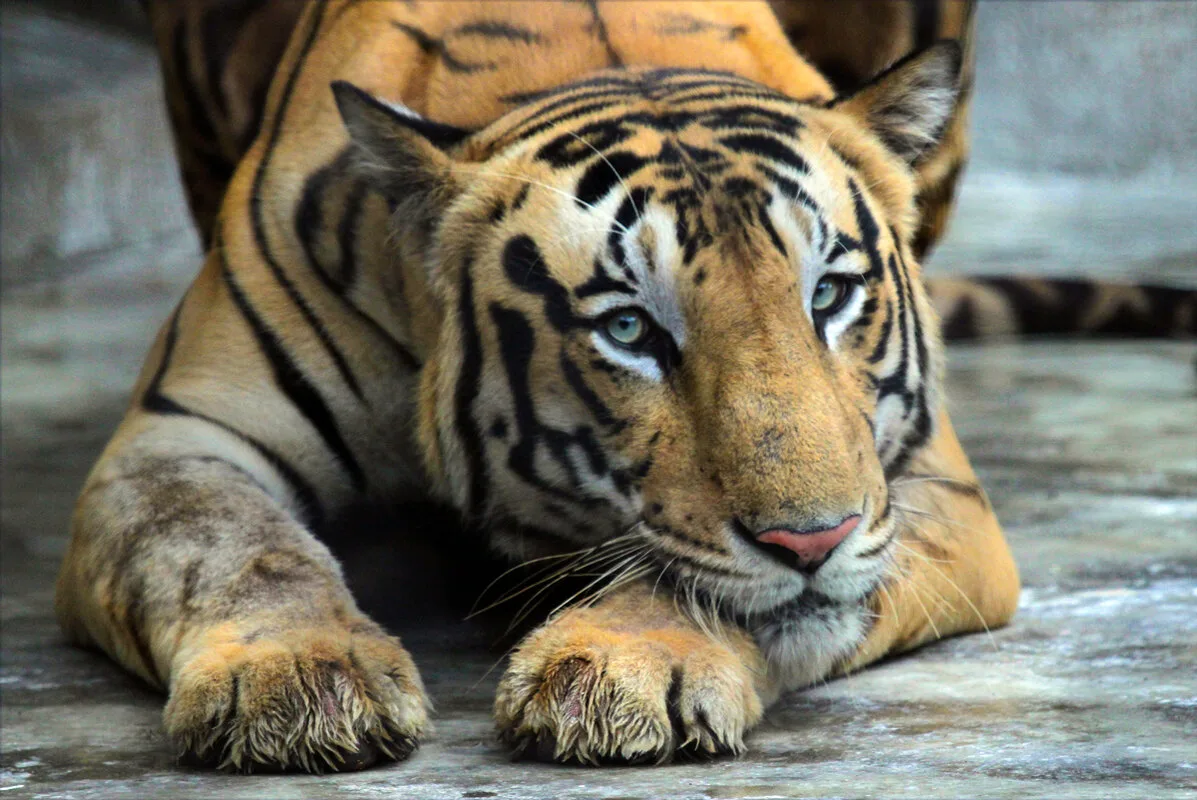
Tiger Estimation 2026

Tiger Estimation 2026 has started across India, marking one of the largest wildlife tracking exercises in the world. This nationwide effort focuses on counting tigers and understanding their habitats using modern tools and scientific methods.
Thank you for reading this post, don't forget to subscribe!The initiative shows how wildlife conservation has become a major focus in today’s world, especially as countries work to protect endangered species and maintain ecological balance.
What is Tiger Estimation
Tiger Estimation is a large-scale survey conducted to track the population of Bengal Tiger across India. It also studies forest conditions, prey availability, and overall ecosystem health.
India plays a key role in global tiger conservation. In the last estimation conducted in 2022, the country recorded around 3,682 tigers, which was a significant share of the world’s wild tiger population.
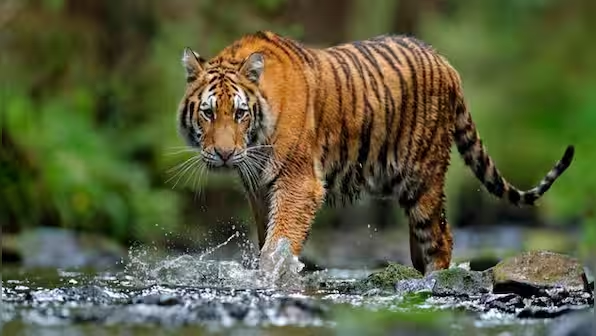
Three Phase Survey Process
The 2026 estimation follows a structured three-phase process to ensure accurate results.
The first phase includes field surveys and habitat checks. Forest teams look for signs like pugmarks, scratches, and droppings to understand tiger movement.
The second phase uses camera traps placed in forests for several weeks. These cameras capture images of tigers, helping experts identify individual animals.
The third phase involves genetic sampling. DNA analysis helps confirm tiger numbers and provides deeper insights into their population and health.
Role of Technology in Wildlife Tracking
Modern technology plays a major role in Tiger Estimation 2026. Camera traps, GPS tools, and data analysis systems make the process more accurate and efficient.
These tools allow experts to monitor wildlife without disturbing natural habitats. It also helps in tracking animal movement and understanding behaviour patterns.
With digital tools becoming more common, wildlife conservation is now more data-driven than ever before.
State-Level Efforts Across India
Different states have actively participated in the survey. Regions like Tamil Nadu and Karnataka began their fieldwork early in January 2026.
In Karnataka, large forest areas including Bandipur Tiger Reserve were covered using hundreds of camera traps and trained staff.
Telangana also carried out detailed surveys, collecting hundreds of pieces of evidence related to tigers and other wildlife species.
These efforts show strong coordination between forest departments and wildlife experts.
Insights from Amrabad Tiger Reserve
One of the key highlights comes from Amrabad Tiger Reserve. The survey in this region covered a large forest area and used thousands of camera traps.
The findings revealed an increase in tiger numbers compared to previous counts. The reserve recorded several adult tigers along with cubs, showing healthy breeding activity.
Camera traps also captured images of other rare animals like the Indian Grey Wolf, indicating rich biodiversity in the region.
Importance of Tiger Conservation
Tigers are not just powerful predators; they are also a key part of the ecosystem. Protecting them helps maintain the balance of forests and wildlife.
When tiger populations are stable, it usually means the forest ecosystem is healthy. This also benefits other animals, plants, and even local communities.
Conservation efforts like Tiger Estimation 2026 help governments plan better strategies to protect wildlife and forests.
Legal Protection and Wildlife Policies
Wildlife in India is protected under laws like the Wildlife Protection Act 1972. This law provides strong protection to endangered species, including tigers.
Such policies ensure that hunting, habitat destruction, and illegal trade are strictly controlled.
The inclusion of other species in surveys also helps in strengthening overall biodiversity protection.
Growing Focus on Environment and Sustainability
In recent years, environmental issues have become a major global topic. Climate change, deforestation, and biodiversity loss are affecting ecosystems worldwide.
India’s Tiger Estimation 2026 reflects a growing commitment to sustainability and conservation. It shows how countries are taking active steps to protect nature.
The use of science, technology, and teamwork in this survey highlights the future of wildlife conservation.

Looking Ahead for Wildlife Protection
Tiger Estimation 2026 is not just about counting animals. It is about understanding nature and ensuring that future generations can experience rich wildlife.
With continued efforts, better policies, and global awareness, conservation programmes like this can make a lasting impact.
The journey of tracking and protecting tigers continues to inspire environmental action across the world.