
Iran Argentina Tensions Rise

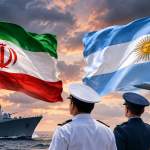
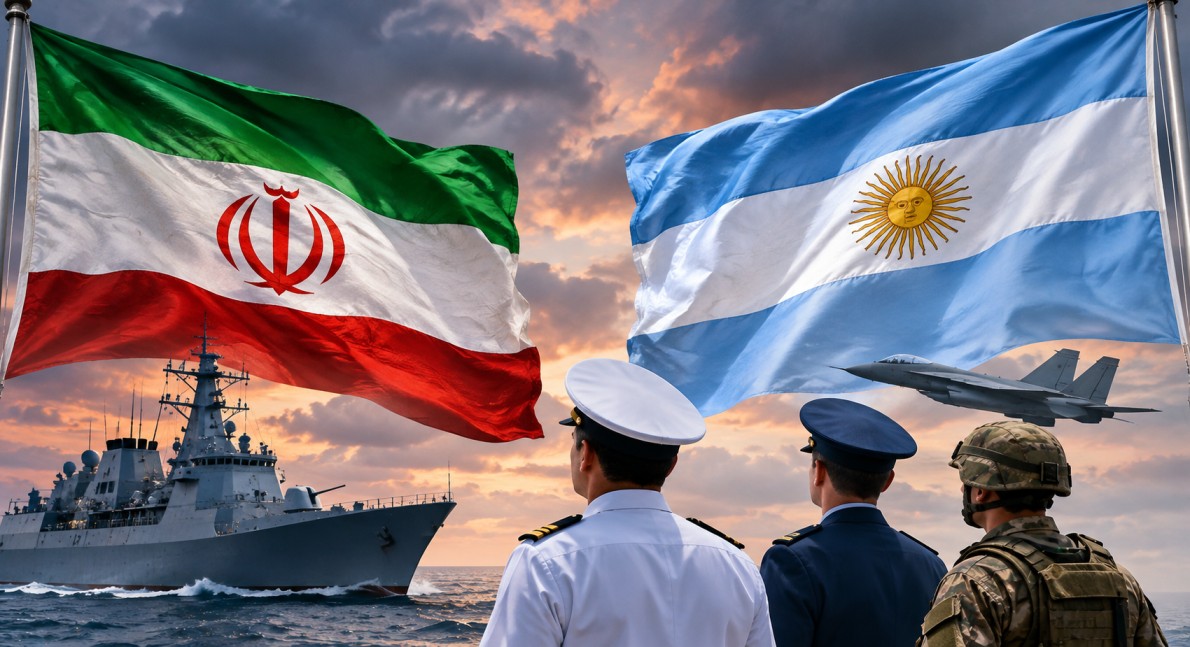
Iran Argentina Tensions increased on November 11, 2026, after Iran’s Foreign Ministry designated the Argentine Navy and Argentine Air Force as terrorist organisations. Iran described the decision as a reciprocal response to Argentina’s earlier designation of the Islamic Revolutionary Guard Corps (IRGC) as a terrorist organisation. The move has added another layer of tension to relations between the two countries.
The decision reflects a growing diplomatic dispute over terrorism designations, military organisations and responsibility for past attacks. It also follows similar action by Iran against British military institutions earlier in November 2026.

Why Iran Designated Argentina’s Military Forces
Iran announced the designation of the Argentine Navy and Air Force on November 11, 2026. Its Foreign Ministry referred to a 2019 Iranian law that allows reciprocal action against countries that designate Iranian military forces as terrorist organisations or support the United States in taking such action.
Iran said the Argentine government would be responsible for the consequences of its decision. The announcement was presented as a response to Argentina’s treatment of the IRGC.
The designation is part of a wider diplomatic disagreement involving the two countries. Argentina has linked its position on the IRGC to allegations about its support for Hezbollah and the group’s connection to attacks in Buenos Aires.
Argentina’s Earlier Decision Against the IRGC
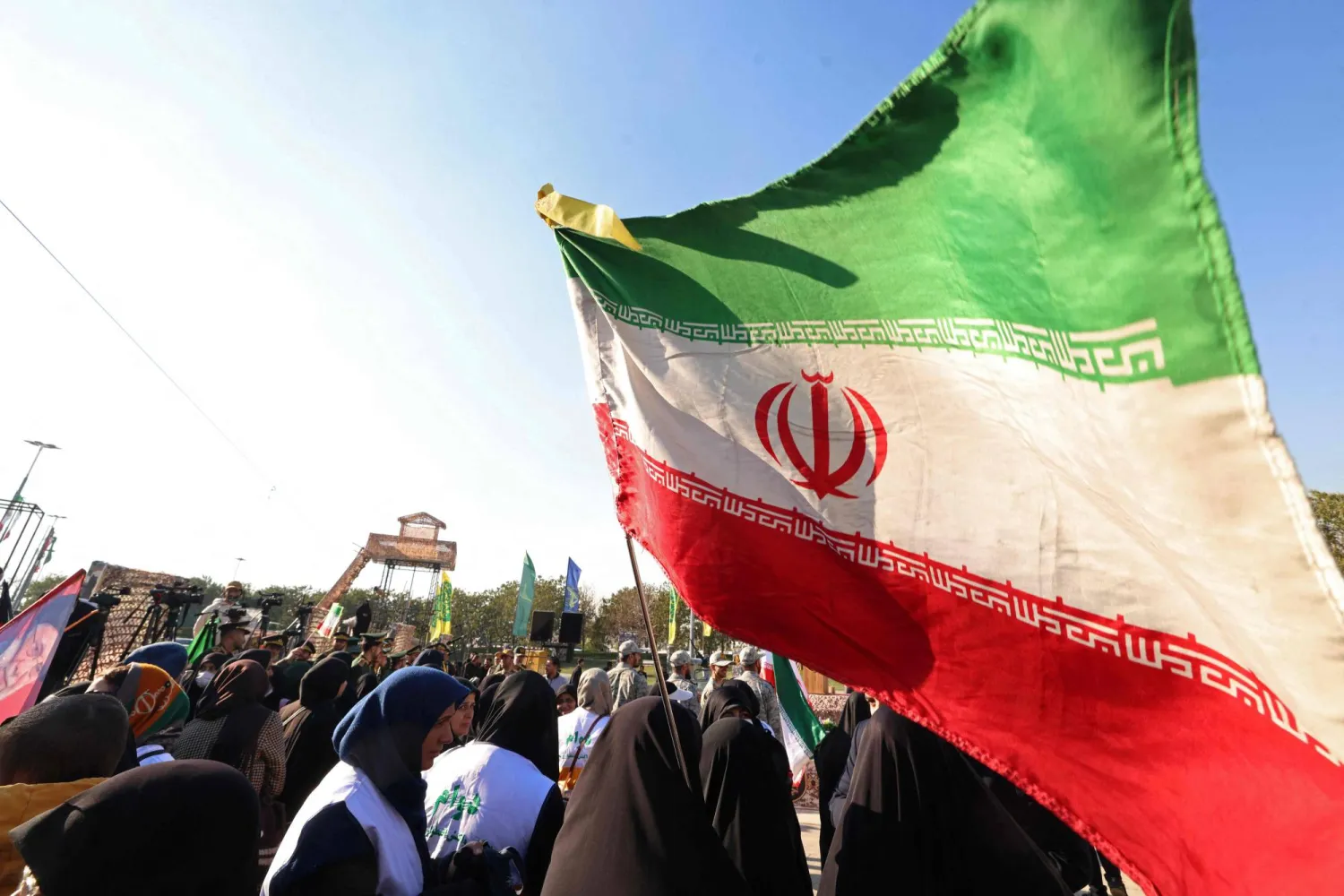
In April 2026, Argentina, under President Javier Milei, designated Iran’s Islamic Revolutionary Guard Corps as a terrorist organisation.
Buenos Aires linked the decision to the IRGC’s alleged support for Hezbollah, a Lebanon-based organisation. Argentina has long associated Hezbollah with two major attacks in the country.
The first was the 1992 bombing of the Israeli Embassy in Buenos Aires. The second was the 1994 bombing of the AMIA Jewish community centre, which killed 85 people. Argentina has blamed Hezbollah for its involvement in the attacks.
The designation of the IRGC allows Argentina to apply financial sanctions and operational restrictions against the organisation within the country. It also reflects the Argentine government’s position on the security concerns connected with the two attacks.
What Is the Islamic Revolutionary Guard Corps?
The Islamic Revolutionary Guard Corps is a major military organisation in Iran. It was established after the 1979 Iranian Revolution and has a role in protecting the Islamic Republic and its political system.
The IRGC is separate from Iran’s regular armed forces, although both form part of the country’s wider defence structure. Its activities include military operations, security responsibilities and other functions connected with Iran’s national interests.
Iran’s Constitution refers to the IRGC in Article 150. The article recognises the organisation and assigns it a role in protecting the Revolution and its achievements.
The IRGC also has an external operations branch known as the Quds Force. It is responsible for activities outside Iran and is institutionally distinct from the country’s regular armed forces.
The Role of Hezbollah in Argentina’s Dispute with Iran
Hezbollah is a Lebanon-based organisation with political and military activities. It has been involved in regional conflicts and has been the subject of international sanctions and security measures.
Argentina’s dispute with Iran is closely connected to the 1992 Israeli Embassy bombing and the 1994 AMIA bombing. The AMIA attack killed 85 people and remains one of the deadliest terrorist attacks in Argentina’s history.
Argentine authorities have linked Hezbollah to the attacks and have accused Iran of supporting the organisation. These allegations have remained an important part of the country’s relationship with Tehran.
The designation of the IRGC in April 2026 was therefore not an isolated decision. It was connected to Argentina’s long-standing efforts to address the attacks and its concerns about the organisations it believes were involved.
Iran’s Earlier Action Against British Military Organisations
Iran’s decision against Argentina came after another diplomatic dispute involving the United Kingdom.
Earlier in November 2026, Iran designated Britain’s intelligence agency MI6 as a hostile group and classified the Royal Navy and Royal Air Force as terrorist organisations. The move followed the United Kingdom’s designation of the IRGC in July 2026.
These developments show how terrorism designations can become part of wider diplomatic disagreements. Governments may use such decisions to express opposition to another country’s security policies, but they can also increase political tensions and make cooperation more difficult.
What the Reciprocal Designation Means
Reciprocal designations occur when a government responds to another country’s action by applying a similar measure against its institutions or organisations.
In this case, Argentina first designated the IRGC as a terrorist organisation. Iran then responded by designating Argentina’s Navy and Air Force. Both governments have linked their decisions to national security and their interpretation of the actions taken by the other side.
Such measures can affect diplomatic relations, official cooperation and the way institutions are treated under national laws. Their practical effects depend on the legal framework and enforcement decisions of each country.
The latest dispute also highlights the wider international debate over the use of terrorist designations against state military organisations. These decisions can carry political and legal consequences beyond the countries directly involved.
Growing Diplomatic Tensions in International Relations
The dispute between Iran and Argentina comes at a time when international relations are affected by conflicts, sanctions and disagreements over security policy. Governments increasingly use financial restrictions, legal designations and diplomatic statements to respond to actions they consider threats to national interests.
For Argentina, the IRGC designation is connected to its position on the attacks in Buenos Aires and its allegations involving Hezbollah. For Iran, the response is presented as a legal and reciprocal measure against a country that has designated one of its military organisations.
The November 11 decision has brought the Argentine Navy and Air Force into the centre of this diplomatic dispute. It also raises questions about how reciprocal designations may affect relations between governments and the wider international response to terrorism-related allegations.