


Skyroot Space Partnership: India and Brazil Join Hands

The Skyroot Space Partnership marks a new step in space cooperation between India and Brazil. India’s Skyroot Aerospace and Brazil’s Concert Technologies have signed a two-year Memorandum of Understanding (MoU) to jointly develop a satellite launch vehicle. The agreement was signed on 7 October 2026 during the International Astronautical Congress 2026 in Antalya, Türkiye. It aims to explore new launch opportunities and strengthen cooperation between the private space industries of both countries.
Concert Space CEO Rafael Mordente signed the agreement. Brazilian Senator and astronaut Marcos Pontes and Brazilian Space Agency (AEB) President Marco Antonio Chamon were also present at the event.

A New Satellite Launch Vehicle
Under the Skyroot Space Partnership, the two companies plan to study the development of a launch vehicle capable of carrying payloads weighing at least 100 kilograms into Low Earth Orbit (LEO).
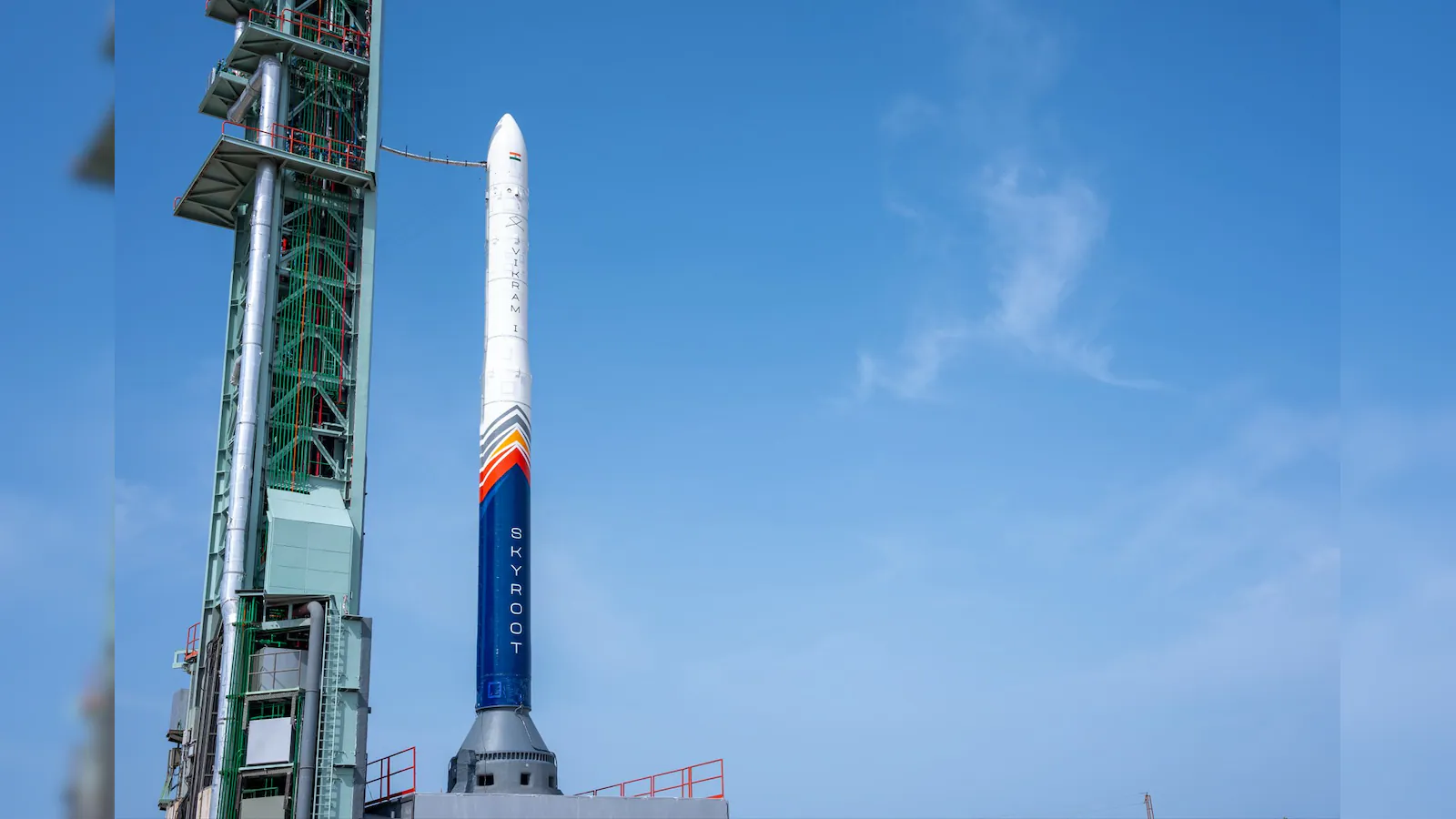
The proposed rocket is expected to serve a specific need in the small satellite launch market. Brazil’s Microlauncher Program is designed to carry payloads of up to 40 kilograms, while Skyroot has developed the Vikram family of rockets. The proposed vehicle aims to bridge the gap between these launch capacities.
Small satellites are becoming increasingly important for communication, weather monitoring, Earth observation, agriculture and scientific research. As more organisations plan to launch satellites, the demand for affordable and flexible launch services is also growing. A rocket with a payload capacity of at least 100 kilograms could support this expanding market.
Areas of Cooperation Between the Companies
The two companies will study the technical requirements and commercial opportunities involved in developing the proposed launch vehicle. They will also explore possible cooperation in satellite systems and Low Earth Orbit constellations.
Another important area of discussion is the possibility of launching rockets from Brazil. The country’s location near the equator could provide useful advantages for certain satellite missions. Launching from an equatorial region can help rockets use Earth’s rotational speed to gain additional eastward velocity. This may reduce the amount of fuel needed for suitable orbits.
However, the proposed cooperation is still at the planning and assessment stage. Separate agreements will be required for investment, equipment supply and commercialisation before these activities can move forward.
Testing Brazilian Navigation Technology on Vikram-1
The partnership also includes cooperation in satellite navigation technology. Concert Technologies has signed a separate contract to test Brazil’s SNI-GNSS system during an upcoming flight of Skyroot’s Vikram-1 rocket.
GNSS stands for Global Navigation Satellite System. Such systems use satellites to provide positioning, navigation and timing information. Testing SNI-GNSS during a rocket flight could help assess its performance in a space-related environment.
The planned test is another example of how the partnership may extend beyond rocket development. It creates an opportunity for both companies to explore different technologies connected with satellite launches and space operations.
India and Brazil’s Long History of Space Cooperation
The Skyroot Space Partnership builds on more than two decades of space cooperation between India and Brazil. Both countries have worked together in areas related to satellite technology and space activities.
One important example of this cooperation was the launch of Brazil’s Amazônia-1 satellite using Indian launch infrastructure. The satellite was launched by India’s Polar Satellite Launch Vehicle (PSLV) in February 2021. Amazônia-1 was developed for Earth observation and is used to monitor changes in land use, deforestation and other environmental activities.
This earlier cooperation created a foundation for further collaboration between the two countries. The new agreement brings private space companies into this growing relationship.
Role of Skyroot Aerospace in India’s Private Space Sector
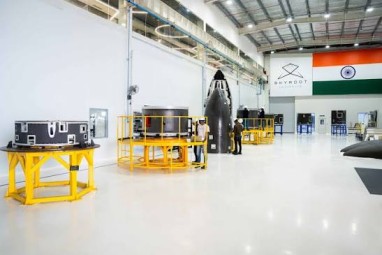
Skyroot Aerospace is an Indian private space company based in Hyderabad. It works on the development of launch vehicles designed to carry small satellites into space.
Its Vikram rocket family is named after Dr Vikram Sarabhai, who is widely recognised as the father of India’s space programme. The company is part of India’s growing private space sector, which has received greater attention following reforms that allow private organisations to participate in space activities.
India’s IN-SPACe (Indian National Space Promotion and Authorisation Centre) supports and authorises non-government space activities. It also helps private companies access certain facilities and resources of the Indian Space Research Organisation (ISRO), according to applicable rules.
Why the Partnership Matters for the Space Industry
The agreement could create new opportunities for India and Brazil in the growing small satellite launch market. Instead of depending only on existing launch systems, both countries can explore new technologies, business models and launch locations.
Brazil’s equatorial location may offer additional options for certain missions, while India’s experience in satellite launches and rocket development can support technical discussions. Cooperation in satellite systems and navigation technology may also open further areas of work.
The Skyroot Space Partnership is currently focused on studying technical and commercial possibilities. Its future development will depend on the results of these assessments and the separate agreements required for investment, equipment and commercial operations.