


Morality in International Relations: Ethics and Global Peace

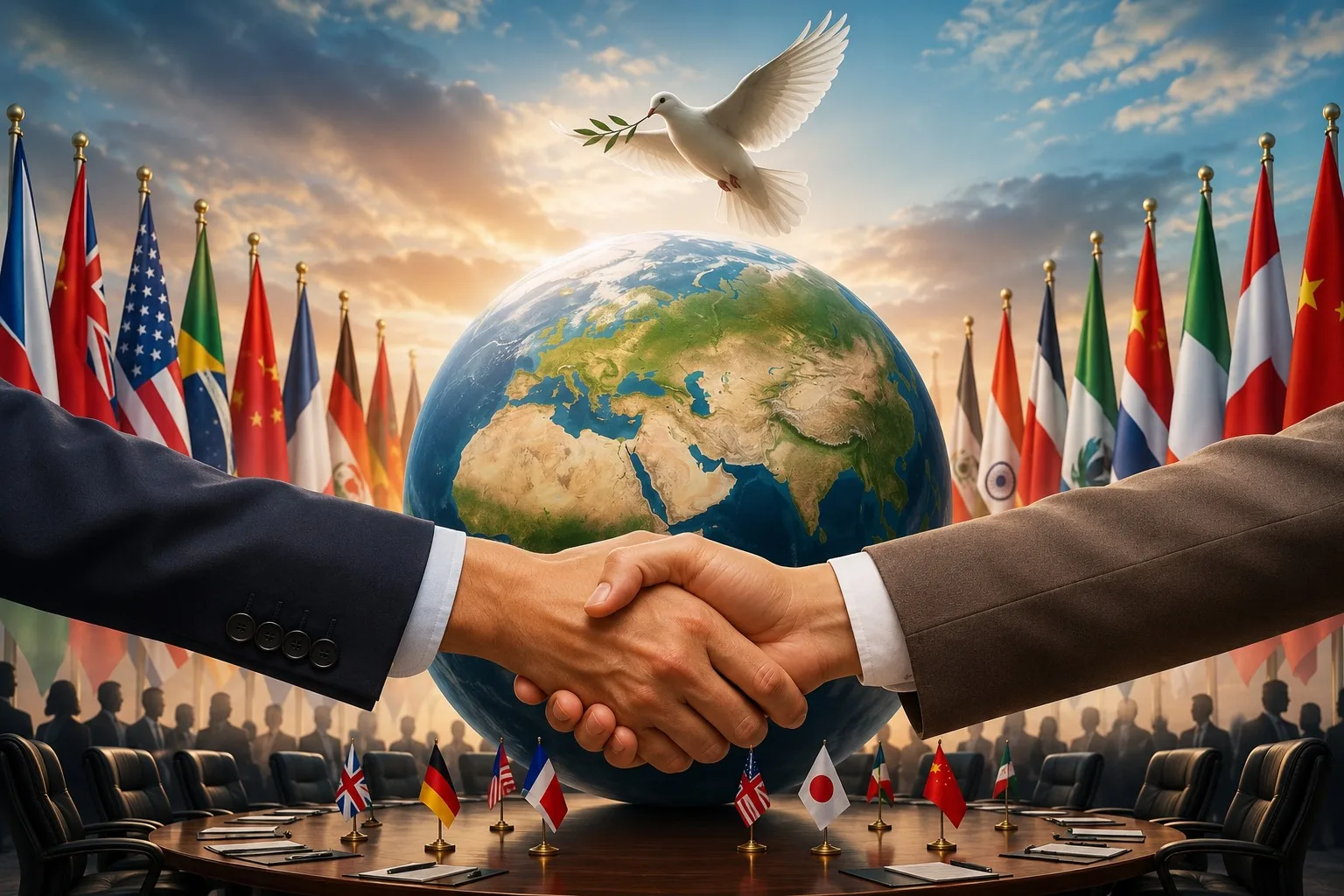
Morality in International Relations means the moral values, ethics, and rules that guide how countries behave with one another. In today’s world, many independent countries exist, and each country has its own government, laws, and territory. Even though these countries are independent, they must interact through trade, diplomacy, peace talks, and security agreements. This is where morality becomes important.
Thank you for reading this post, don't forget to subscribe!International morality helps countries maintain peace, respect each other’s rights, and solve problems in a fair way. It teaches that countries should not act only for selfish interests but should also consider justice, humanity, and global welfare.
What is Sovereignty?
Sovereignty means the highest power of a state to rule itself without outside interference. A sovereign country has full control over its land, people, and government.
This means no other country has the right to control or interfere in its internal matters. Sovereignty is one of the most important principles in international relations. It ensures that all countries, whether big or small, are treated equally.
A state and a government are not the same. A government may change after elections or over time, but a state remains permanent. For example, governments in India change, but India as a state remains the same.
Nation and State Difference
A nation is a group of people who share common identity such as culture, language, history, religion, or traditions.
A state refers to the political system and governing structure that manages a territory.
Sometimes one state may include many nations. Countries like America and Canada are examples of multicultural and multinational societies. Such societies may face conflicts if different groups feel unfairly treated.
Internal Policy and Foreign Policy
Every country has two major policy areas:
- Internal Policy (Domestic Policy)
This deals with matters inside the country such as education, health, jobs, and law. - Foreign Policy
This deals with relations with other countries.
For example, decisions about schools and hospitals are domestic matters, while joining military alliances or signing trade agreements are foreign policy matters.
Both policies are connected. A country’s internal needs often influence its foreign policy.
Moral Roots of India’s Foreign Policy
India’s foreign policy was strongly shaped by Jawaharlal Nehru and Mahatma Gandhi.
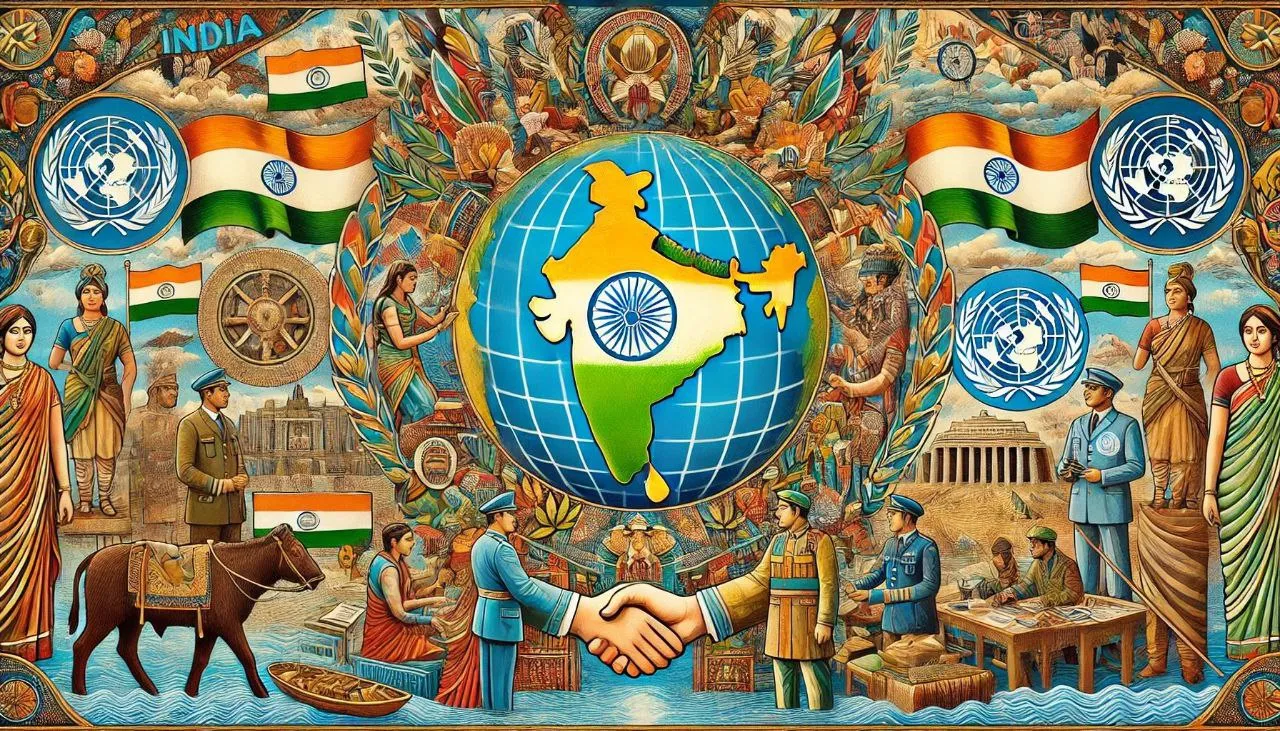
India adopted several moral values after independence:
- Non-alignment and independent decision-making
- Support against colonialism and racism
- Non-violence
- Nuclear disarmament
- Peace-building in global affairs
These ideas reflected Gandhian philosophy and gave India a moral image in world politics.
Panchsheel Treaty
The Panchsheel Treaty was signed between India and China in 1954. It introduced five principles for peaceful coexistence.
These five principles are:
- Mutual respect for sovereignty and territorial integrity
- Mutual non-aggression
- Non-interference in internal affairs
- Equality and mutual benefit
- Peaceful coexistence
Panchsheel became an important moral framework in international relations. Later, these ideas influenced the Non-Aligned Movement.
However, the 1962 India-China war weakened trust in these principles.
Major Theories of International Relations
Different theories explain how countries behave in global politics.
Realism
Realism says countries mainly care about power and security.
According to realists, the world has no global authority strong enough to control every nation. Because of this, each country must protect itself.
Realists believe:
- National interest comes first
- Security is the top priority
- Strong countries survive better
- Power balance prevents war
In realism, morality has a limited role because survival matters most.
Idealism
Idealism focuses on ethics, peace, and cooperation.
Idealists believe countries should follow moral principles and solve conflicts peacefully. They support:
- Diplomacy
- International law
- Treaties
- Human rights
- Cooperation
Idealism says trust and moral behavior can reduce wars.
Neo-Realism
Neo-realism is a modern version of realism developed by Kenneth Waltz.
It says countries do not always seek maximum power. Instead, they mainly seek survival and security.
Neo-realists believe the structure of the international system affects state behavior.
Morgenthau’s View
Hans Morgenthau argued that politics is mainly about power and national interest.
According to him:
- Countries act rationally
- Leaders should avoid emotional decisions
- Morality should not dominate foreign policy
- Compromise helps prevent conflicts
His ideas strongly influenced realist thinking.
Neoliberalism
Neoliberal thinkers believe cooperation is possible through international institutions.
Countries can build peace through agreements and organizations like:
- United Nations
- World Trade Organization
- Arms control treaties such as START
Neoliberalism says repeated cooperation creates trust and reduces conflict.
Immanuel Kant strongly supported this idea and believed democracy and institutions promote peace.
Postmodernism
Postmodernism emerged in the late 20th century.
It questions traditional ideas and challenges the belief that there is always one objective truth.
Postmodern thinkers argue:
- Knowledge is influenced by power
- Social systems may favor dominant groups
- Institutions should be examined critically
This theory encourages people to question accepted ideas in global politics.
Feminism in International Relations
Feminism highlights gender equality in world politics.
It studies how women are affected by war, poverty, migration, and global policies.
Feminism developed in three waves:
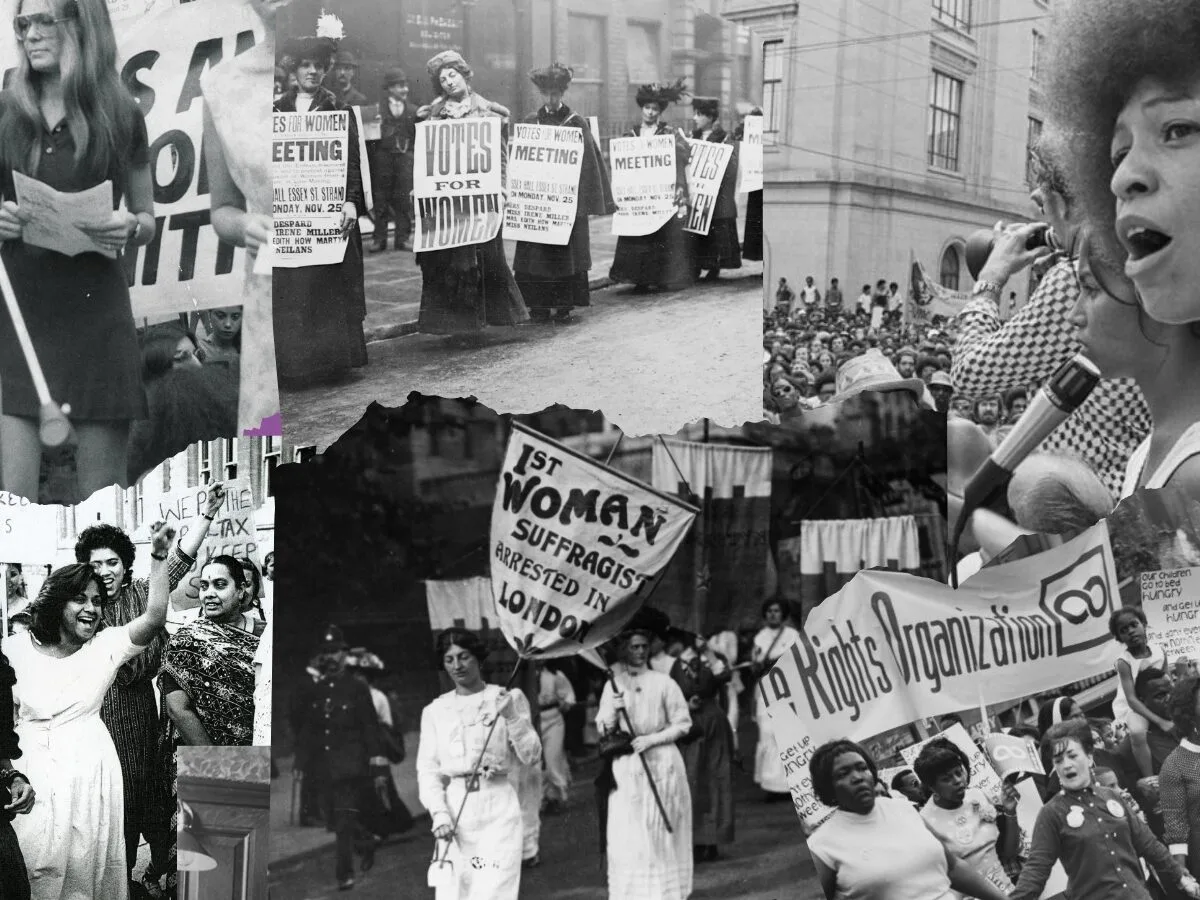
First Wave
Focused on legal equality, voting rights, and education.
Second Wave
Challenged workplace inequality and traditional household roles.
Third Wave
Expanded equality for all people regardless of race, class, or social background.
Feminism argues that international relations should include women’s voices in decision-making.
New Dimensions of International Morality
Today, morality in international relations includes many modern issues.
Important new areas are:
- Reducing poverty
- Fair global trade
- Climate responsibility
- Humanitarian aid
- Migration rights
- Technology sharing
- Human rights protection
In 2015, the United Nations adopted the Sustainable Development Goals (SDGs) to end poverty and promote peace by 2030.
Rich countries have greater responsibility because they have more resources. They should help developing nations through:
- Financial support
- Technology transfer
- Fair trade policies
- Environmental cooperation
This idea is called common but differentiated responsibility.
Intervention in Other States
Normally, countries should not interfere in the internal matters of other nations because sovereignty must be respected.
However, intervention may happen in serious emergencies, especially when approved by the United Nations Security Council.
Examples include:
Genocide
Genocide means mass killing of a group based on religion, race, or ethnicity.
Example: During World War II, millions of Jews were killed by Nazi Germany under Adolf Hitler.
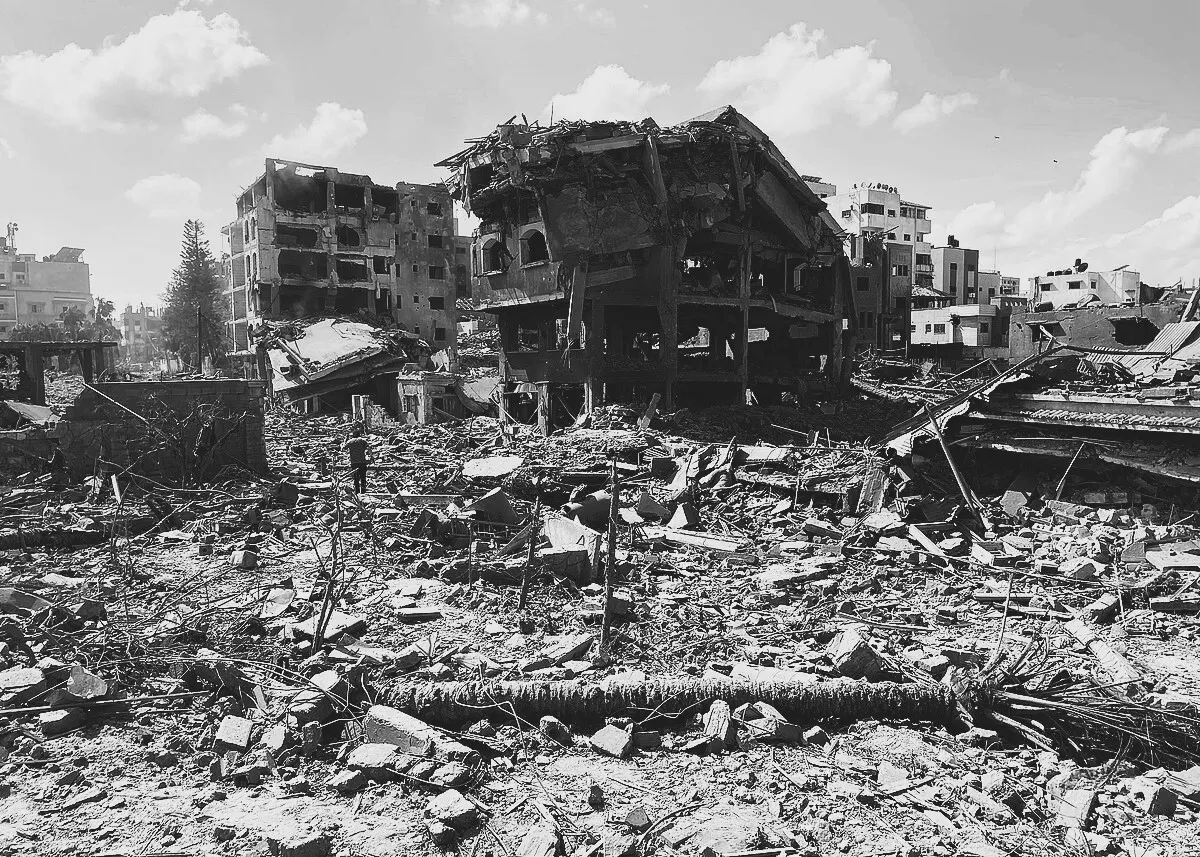
Ethnic Cleansing
Ethnic cleansing happens when a group is forced out of an area because of identity differences.
Such situations raise moral questions about when global powers should intervene.
Ethics of War and Peace
There are three major views about war and peace.
Just War Theory
This theory says war can sometimes be morally justified.
A war is considered just only when strict ethical conditions are met.
It has three parts:
- Jus Ad Bellum – Justice before war
- Jus in Bello – Justice during war
- Jus Post Bellum – Justice after war
This theory forms the basis of many international laws related to war.
Realist View on War
Realists believe war is driven by power and security.
According to them:
- Morality has little role in war
- National survival matters most
- Strong nations protect their interests by force if needed
Pacifism
Pacifism completely opposes war.
Pacifists believe:
- War is always morally wrong
- Peaceful solutions always exist
- Violence creates more suffering
They support diplomacy, dialogue, and non-violence.
Final Thoughts
Morality in International Relations remains essential in the modern world. Countries often act based on power and national interest, but ethics still plays a major role in peace, justice, and cooperation.
In a world facing wars, climate change, poverty, and humanitarian crises, moral values are more important than ever. Respect for sovereignty, human rights, fairness, and peace can help build a safer and more balanced global order.
FAQs
1. What is morality in international relations?
Morality in international relations refers to ethical values and rules that guide how countries behave with each other in global affairs.
2. Why is morality important in international relations?
Morality helps countries maintain peace, respect sovereignty, protect human rights, and solve conflicts fairly.
3. What is sovereignty in international relations?
Sovereignty means a country has full authority over its territory and internal affairs without outside interference.
4. What are the main theories of international relations?
The main theories are Realism, Idealism, Neo-realism, Neoliberalism, Postmodernism, and Feminism.
5. What is the Panchsheel Treaty?
The Panchsheel Treaty is a 1954 agreement between India and China based on five principles of peaceful coexistence.
6. What is realism in international relations?
Realism is a theory that says countries mainly focus on power, security, and national interest.
7. What is idealism in international relations?
Idealism emphasizes morality, peace, cooperation, and international law in global politics.
8. What is Just War Theory?
Just War Theory explains when war can be morally acceptable and sets ethical rules for warfare.
9. What is pacifism?
Pacifism is the belief that war is always wrong and conflicts should be solved peacefully.
10. How do SDGs relate to international morality?
The Sustainable Development Goals promote global cooperation to reduce poverty, protect the environment, and ensure peace.