
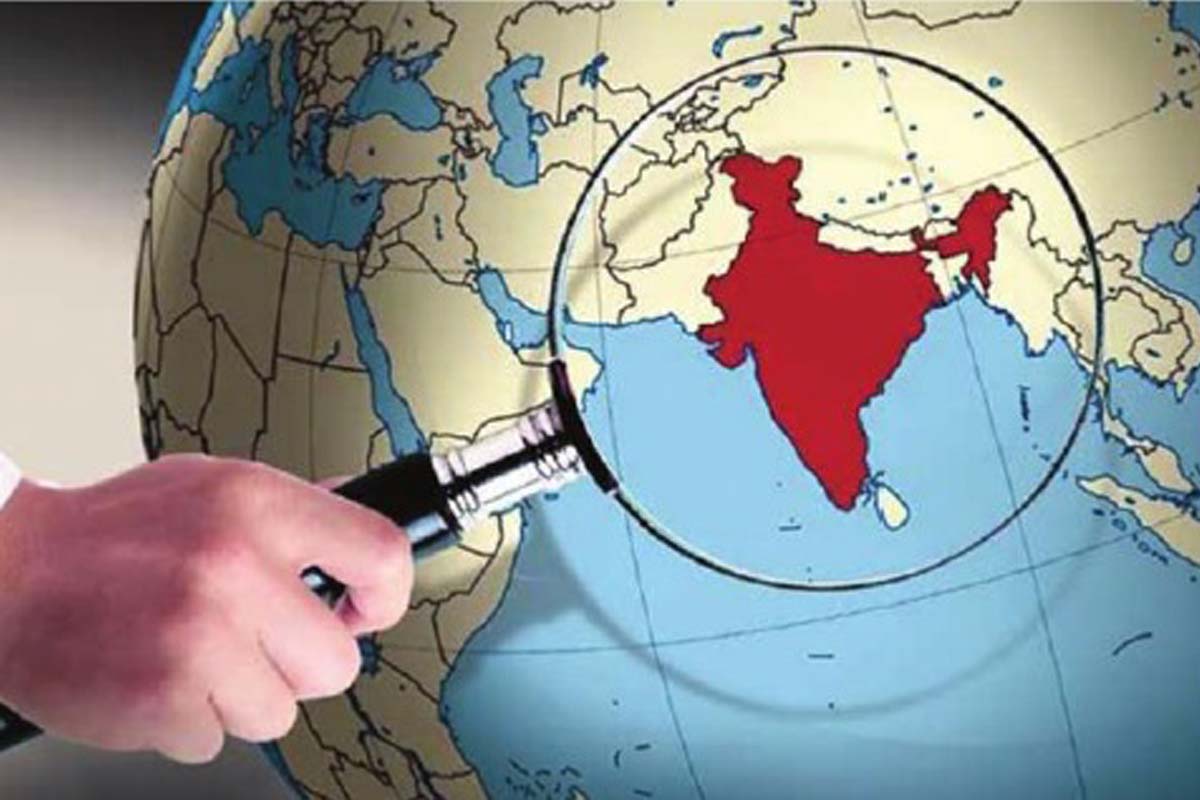
India and the World: India’s Foreign Policy and Global Relations

India and the World is an important topic that explains how India manages its relations with other countries. The main responsibility for handling India’s foreign relations lies with the Ministry of External Affairs (MEA). The MEA works to protect India’s national interests, security, and independence in global matters.
Thank you for reading this post, don't forget to subscribe!India follows a practical and result-oriented foreign policy. Its main goal is to maintain strong relations with other countries while protecting its sovereignty and territorial integrity. India also actively participates in international organizations and promotes cooperation among nations.
India also continued to build on the achievements of its leadership during the G20 Summit. Special focus was given to regional connectivity, Digital Public Infrastructure (DPI), and humanitarian help during disasters.
Global Engagements
In recent years, the world has faced many challenges such as economic problems, climate change, and geopolitical tensions. Despite these challenges, India has maintained strong diplomatic relations with many countries.
India has worked closely with other nations to address global problems like:
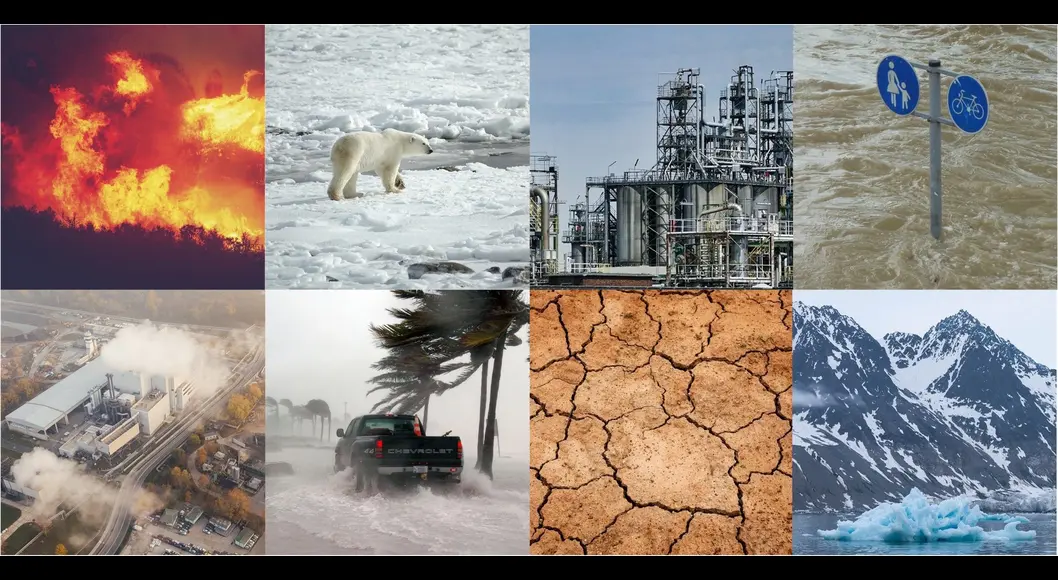
- Climate change
- Poverty
- Terrorism
- Sustainable development
One of India’s main foreign policy approaches is the Neighbourhood First Policy, which focuses on building strong relationships with neighbouring countries.
Neighbourhood First Policy
India’s Neighbourhood First Policy aims to strengthen relations with nearby countries such as Afghanistan, Bangladesh, Bhutan, Maldives, Myanmar, Nepal, Pakistan, and Sri Lanka.
The policy is based on the values of:
- Mutual respect
- Dialogue
- Peace
- Shared prosperity
Afghanistan
India has always supported Afghanistan through humanitarian aid, education programs, and infrastructure development.
India provides scholarships through the Indian Council for Cultural Relations (ICCR). The country also sends food and medical aid. Trade between the two countries is supported through the Chabahar Port in Iran.
Since 2022, India has provided essential humanitarian support in partnership with the United Nations Office on Drugs and Crime.
Bangladesh
India and Bangladesh share strong historical and cultural relations. Trade between the two countries has grown steadily.
Important joint projects include:
- Akhaura–Agartala Railway Link
- Khulna–Mongla Port Rail Line
- Maitree Power Plant
These projects improve connectivity and economic cooperation between the two countries.
Bhutan
India and Bhutan share very close and friendly relations. Their partnership is based on mutual trust and cooperation.
The two countries work together in many areas such as:
- Hydropower
- Health
- Space technology
- Education
- Digital technology
India also gave Bhutan a concessional loan of ₹1,500 crore for the Gyalsung National Service Programme. During a visit to Bhutan, the Indian Prime Minister received Bhutan’s highest civilian honour, the Order of the Druk Gyalpo.
Maldives
The Maldives is an important maritime neighbour of India. Both countries share strong cultural and economic ties.
Maldives is very important for India’s Security and Growth for All in the Region (SAGAR) initiative.
In October 2024, the President of Maldives visited India. During this visit:
- A new runway at Hanimaadhoo International Airport was inaugurated.
- 700 housing units funded by India’s EXIM Bank were handed over.
- The RuPay card system was launched in Maldives.
Myanmar
India shares a 1,700 km land border with Myanmar and also a maritime boundary.
Myanmar is important for India’s Act East Policy and regional connectivity.
Important projects include:
- Kaladan Multimodal Transit Transport Project
- India-Myanmar-Thailand Highway
In September 2024, India sent flood relief to Myanmar under Operation Sadbhav.
Nepal
India and Nepal share deep cultural and historical connections. Their relationship focuses on trade, energy cooperation, connectivity, and cultural exchanges.
Important agreements include:
- Long-term power trade
- High Impact Community Development Projects
- Satellite launch cooperation
- Renewable energy projects between NTPC Limited and the Nepal Electricity Authority.
Pakistan
India wants peaceful and normal relations with Pakistan. However, India has clearly stated that such relations are possible only when terrorism ends.
Despite political tensions, both countries continue some humanitarian cooperation, such as:
- Exchange of prisoners
- Religious pilgrimages
In January 2024, both countries exchanged lists of nuclear facilities as part of a bilateral agreement.
Sri Lanka
India and Sri Lanka share more than 2,500 years of cultural and historical ties.
Sri Lanka is also important under India’s Neighbourhood First policy and SAGAR initiative.
In February 2024, India’s Prime Minister and the Sri Lankan President launched the UPI digital payment system in Sri Lanka.
India and the United States
India and the United States share a strong Comprehensive Global Strategic Partnership based on democratic values and shared interests.
The two countries cooperate through international groups such as:
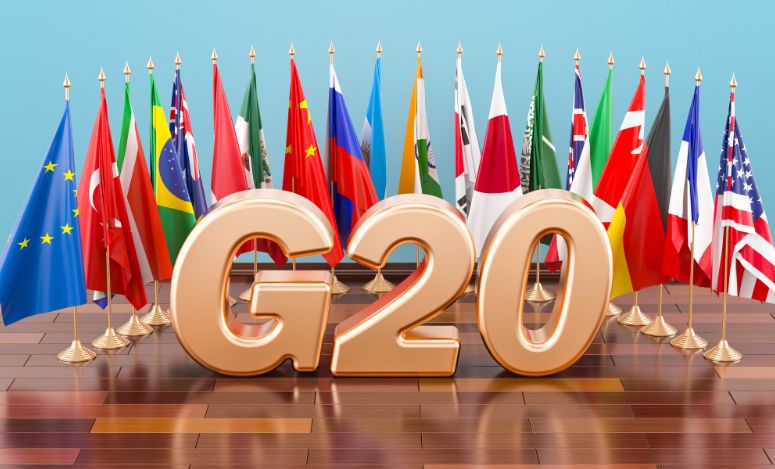
- G20
- Quad
- I2U2
The Indian Navy also participates in joint defence exercises like Sea Dragon and Tiger Triumph.
India and Russia
India and Russia have a long-standing relationship based on trust and cooperation.
The partnership covers many areas:
- Defence
- Science and technology
- Trade
- Energy
In 2024, the Prime Minister visited Russia for the India-Russia Annual Summit and received Russia’s highest state award, the Order of St. Andrew the Apostle.
India and Europe
India has strong relations with the European Union and many European countries.
Cooperation areas include:
- Trade
- Climate change
- Technology
- Agriculture
India also signed a Trade and Economic Partnership Agreement with the European Free Trade Association (EFTA), which includes Iceland, Norway, Switzerland, and Liechtenstein.
This agreement is expected to bring about $100 billion investment and create one million jobs over 15 years.
India and West Asia
West Asia is very important for India’s energy security and trade.
India has strong relations with countries such as:
- United Arab Emirates
- Saudi Arabia
- Oman
During a visit to the UAE, India signed important agreements on investment, energy, and digital payments. The Prime Minister also inaugurated the BAPS Hindu Mandir in Abu Dhabi.
India and Africa
India shares a strong partnership with African countries based on mutual respect and cooperation.
This partnership focuses on:
- Education
- Healthcare
- Digital development
- Economic growth
Trade between India and Africa reached nearly 100 billion USD in 2023–24.
India also supported the African Union becoming a member of the G20.
India and the United Nations
India plays an active role in the United Nations.
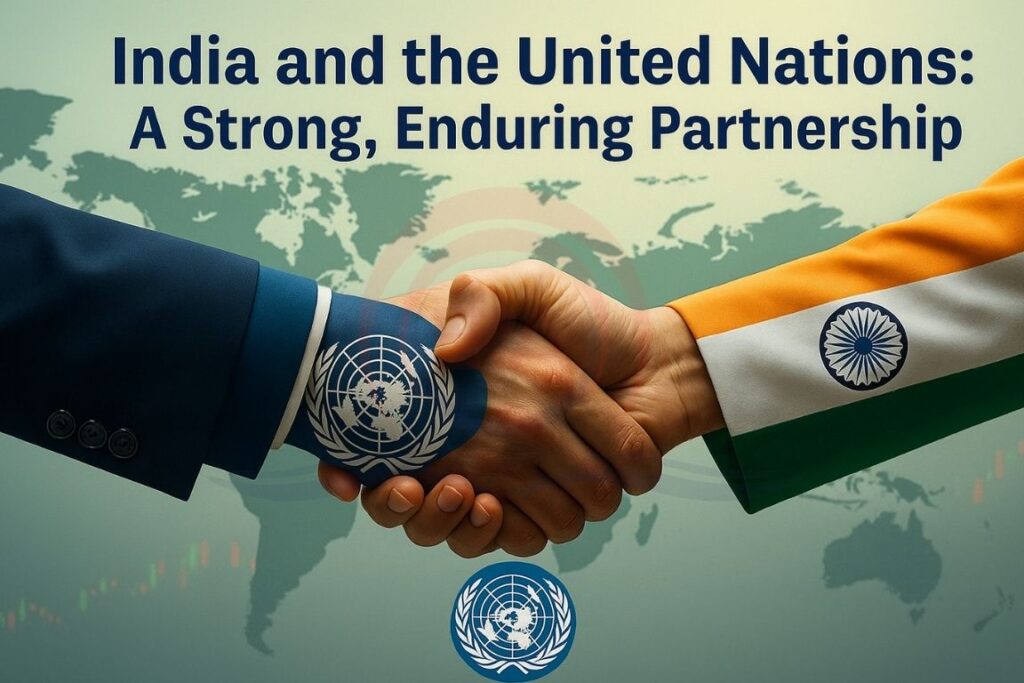
India supports reforms in the UN Security Council and promotes cooperation to address global challenges such as:
- Climate change
- Terrorism
- Poverty
India has also been one of the largest contributors to UN peacekeeping missions, with thousands of personnel deployed around the world.
Humanitarian Assistance
India is known for providing quick humanitarian help during global emergencies.
Important rescue and relief operations include:
- Operation Ajay – evacuation from Israel
- Operation Indravati – evacuation from Haiti
- Disaster relief in Nepal, Kenya, and other countries
India also sends medical supplies and emergency aid to many nations in times of crisis.
Overseas Indian Affairs
India also works to support Indians living abroad.
Important initiatives include:
Chalo India Campaign
Launched in 2024, this campaign encourages the Indian diaspora to bring foreign friends to visit India.
Passport Services
In 2023, India provided 1.64 crore passport services, making the process faster through digital systems.
Safe Migration
The Project PRAYAS initiative helps improve migration policies and protect Indian workers abroad.
e-Governance Initiatives
Digital platforms like:
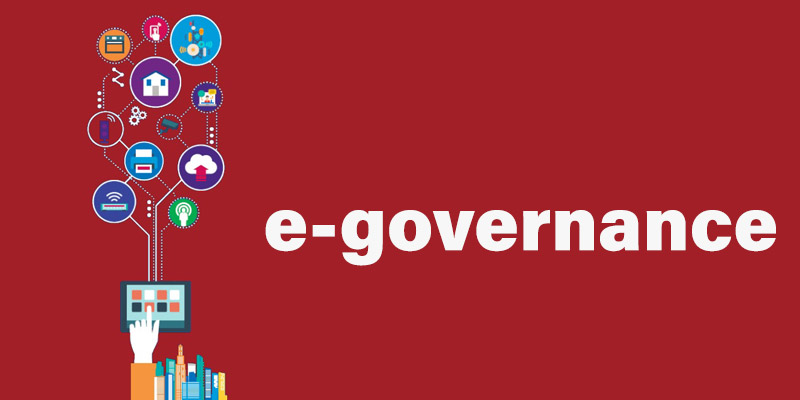
- e-Migrate
- MADAD Portal
- eSEWA Portal
help provide better consular services to Indian citizens abroad.
Conclusion
India’s foreign policy focuses on cooperation, peace, and development. Through active diplomacy, humanitarian assistance, and international partnerships, India continues to strengthen its role in global affairs.
From strengthening relations with neighbouring countries to participating in global organizations like the United Nations and G20, India plays an important role in shaping a more stable and cooperative world.
FAQs
1. What is meant by India and the World?
India and the World refers to India’s relationship with other countries and its role in global politics, trade, and international cooperation.
2. Which ministry manages India’s foreign relations?
India’s foreign relations are managed by the Ministry of External Affairs (MEA), which handles diplomacy, international agreements, and global partnerships.
3. What is the Neighbourhood First Policy of India?
The Neighbourhood First Policy focuses on strengthening relations with neighbouring countries like Bangladesh, Bhutan, Nepal, Sri Lanka, and others to promote peace, trade, and cooperation.
4. Why is the United States important for India?
The United States is one of India’s key strategic partners. Both countries cooperate in defence, trade, technology, and global security.
5. What role does India play in the United Nations?
India actively participates in the United Nations by supporting peacekeeping missions, promoting global cooperation, and addressing issues like climate change and terrorism.
6. How does India help other countries during emergencies?
India provides humanitarian aid, disaster relief, medical supplies, and rescue operations during global crises through various international missions.
7. What is India’s role in global organizations?
India plays an important role in international groups like the G20 and BRICS, where it works with other countries to address global economic and political issues.