


Indian Legal System: Structure, Courts and Laws in India

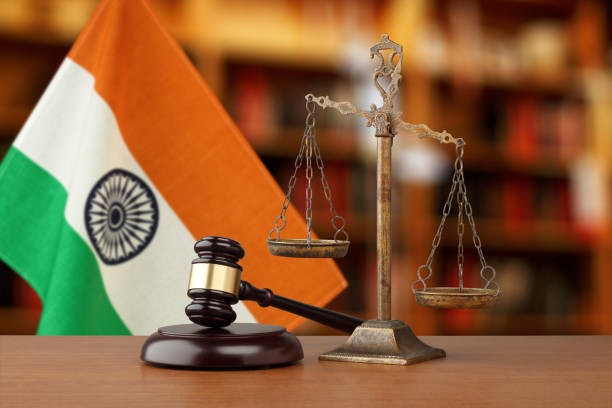
Indian Legal System is the system that helps maintain law and order in the country. It includes the Constitution, laws made by the government, courts, and legal officials who ensure justice for people. India became independent in 1947, and after that the country started building its own legal structure. Today, the Indian legal system is one of the largest and most organized legal systems in the world.
Thank you for reading this post, don't forget to subscribe!Formation of the Indian Legal System
After India gained independence in 1947, the Indian Independence Act, 1947 made India a Dominion. From 1947 to 1949, laws were made under the Government of India Act, 1935.
On 26 January 1950, the Constitution of India came into force. From that day, the Parliament of India received the power to make laws for the country.

The Constitution became the supreme law of the land, and all other laws must follow it.
Main Components of the Indian Legal System
The Indian Legal System has four main parts. These parts help the country maintain justice and order.
| Component | Description |
|---|---|
| Constitution | It contains the basic values, rules, and principles of the country |
| Statutory Laws | Laws made by Parliament and state legislatures |
| Legal Institutions | Courts and organizations that enforce the law |
| Legal Professionals | Judges, lawyers, and other legal officers |
India is a democratic country, which means the people are the real power. The government and institutions are accountable to the people.
Sources of Law in India
Laws in India come from different sources. These sources guide how justice is delivered in the country.
| Source of Law | Meaning |
|---|---|
| Constitution | The highest law of the country |
| Statutes | Laws made by Parliament and state legislatures |
| Customary Law | Traditions and customs accepted by society |
| Case Law | Decisions given by courts in previous cases |
These sources together help the legal system work effectively.
How Laws Are Made in India
In India, laws are made by Parliament and State Legislatures.
The Constitution divides law-making powers into three lists:
| List | Who Makes the Law | Examples |
|---|---|---|
| Union List | Parliament | Defence, Foreign Affairs, Railways |
| State List | State Governments | Police, Public Health, Agriculture |
| Concurrent List | Both Parliament and States | Education, Forests, Marriage |
If there is a conflict between a central law and a state law, the Parliament’s law is considered stronger.
Judiciary in India
The judiciary is the system of courts that interprets laws and gives justice. It protects the rights of citizens and ensures that laws are followed.
The structure of courts in India looks like this:
| Level | Court |
|---|---|
| Top | Supreme Court |
| State Level | High Courts |
| District Level | District and Sessions Courts |
| Local Level | Magistrate Courts |
This structure helps deliver justice at different levels.
Supreme Court of India
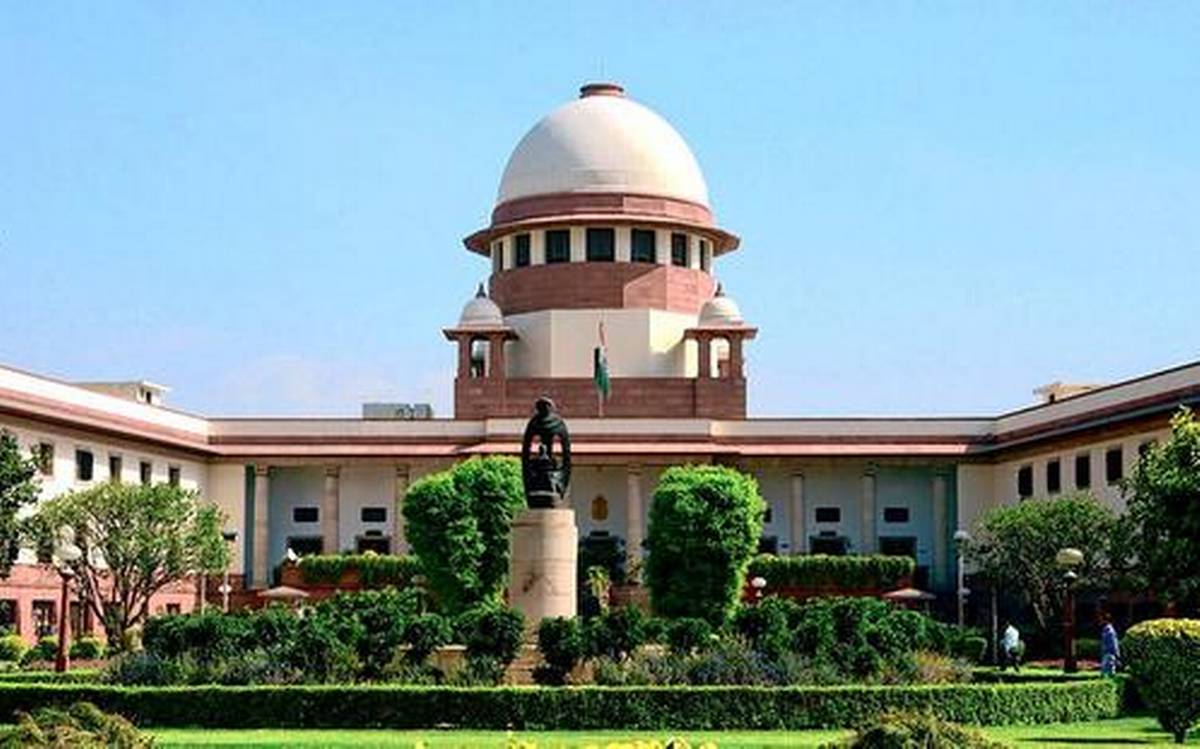
The Supreme Court is the highest court in India. It was established on 26 January 1950, replacing the Federal Court of India created under the Government of India Act, 1935.
Composition of the Supreme Court
| Position | Number |
|---|---|
| Chief Justice of India | 1 |
| Other Judges | 33 |
All judges of the Supreme Court are appointed by the President of India.
Retirement Age
Supreme Court judges retire at 65 years of age.
Qualification to Become a Judge
A person must:
- Be a citizen of India
- Have worked as a High Court judge for at least 5 years, or
- Have been an advocate in High Court for 10 years, or
- Be a distinguished legal expert
Powers of the Supreme Court
The Supreme Court protects Fundamental Rights under Article 32 of the Constitution.
It can issue different types of writs such as:
| Writ | Purpose |
|---|---|
| Habeas Corpus | Protects personal liberty |
| Mandamus | Orders an authority to perform its duty |
| Prohibition | Stops lower courts from exceeding power |
| Quo Warranto | Questions authority of a person holding office |
| Certiorari | Transfers cases from lower courts |
High Courts in India
According to Article 214 of the Constitution, every state must have a High Court.
High Courts are the highest courts at the state level.
Currently, India has 25 High Courts, and some High Courts serve more than one state.
Appointment of High Court Judges
The President of India appoints High Court judges after consultation with:
- Chief Justice of India
- Governor of the State
Retirement Age
High Court judges retire at 62 years of age.
Qualifications
A person must:
- Be a citizen of India
- Have worked in judicial office for 10 years, or
- Have been a High Court advocate for 10 years
District Courts
At the district level, the highest court is the District and Sessions Court.
These courts handle both civil and criminal cases.
Functions
- District courts deal with major civil disputes.
- Sessions courts handle serious criminal cases.
They can even try cases that involve death penalty punishment.
Below district courts are:
- Chief Judicial Magistrates
- Judicial Magistrates of First Class
- Judicial Magistrates of Second Class
Gram Nyayalayas
To make justice available to people in rural areas, the government passed the Gram Nyayalayas Act, 2008.
Purpose of Gram Nyayalayas
- Provide quick justice in villages
- Reduce the burden on regular courts
- Bring courts closer to people
These courts handle both civil and criminal cases.
Digital Courts: eCourts Project
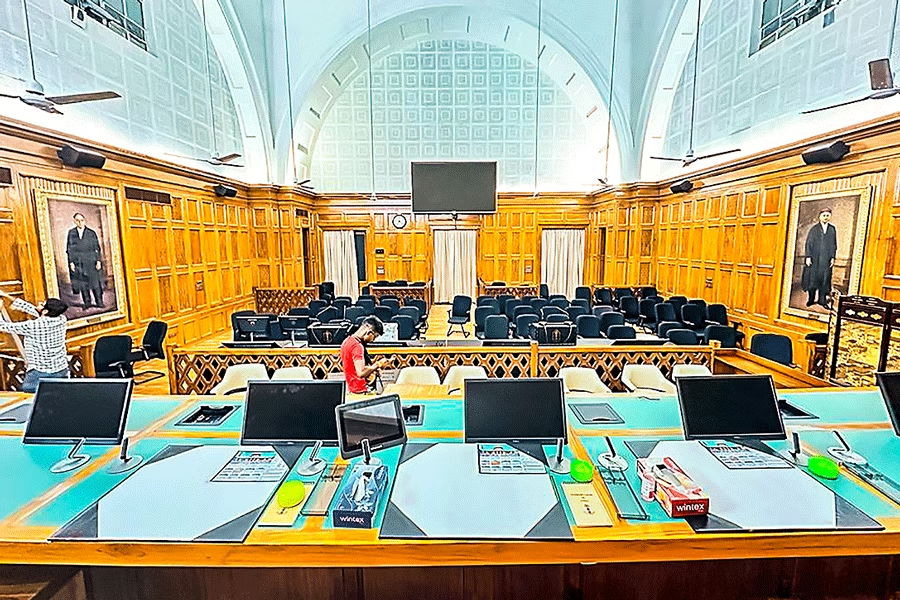
India has also introduced digital technology in courts through the eCourts Project, launched in 2007.
Objectives
- Make courts more efficient
- Provide online case information
- Improve transparency
- Reduce paperwork
Digital courts help citizens check case details online.
Access to Justice Programs
The government launched the DISHA Scheme (2021–2026) to improve access to justice.
Important Programs under DISHA
| Program | Purpose |
|---|---|
| Tele-Law | Legal advice through phone and online services |
| Nyaya Bandhu | Free legal services by volunteer lawyers |
| Nyaya Mitra | Helps reduce old pending cases |
| Legal Awareness Programs | Educate people about their rights |
These programs help common people receive legal support easily.
Alternative Dispute Resolution (ADR)
Court cases can take a long time. To reduce delays, India promotes Alternative Dispute Resolution (ADR) methods.
Types of ADR
| Method | Meaning |
|---|---|
| Arbitration | A neutral person decides the dispute |
| Mediation | A mediator helps parties reach agreement |
| Conciliation | Similar to mediation but more informal |
The Mediation Act, 2023 promotes peaceful settlement of disputes.
ADR helps save time, money, and effort.
Arbitration Council of India
The Arbitration and Conciliation (Amendment) Act, 2019 created the Arbitration Council of India (ACI).
Its purpose is to:
- Improve arbitration services
- Accredit arbitrators
- Improve quality of arbitration institutions
Law Commission of India
The Law Commission of India studies legal issues and suggests reforms.
It is formed by the Department of Legal Affairs every three years.
The 22nd Law Commission was chaired by Justice Ritu Raj Awasthi.
Its job is to recommend improvements in laws.
Bar Council of India
The Bar Council of India (BCI) regulates the legal profession and legal education in India.
Main Functions
- Maintain standards of legal education
- Register advocates
- Handle disciplinary actions against lawyers
Each state also has a State Bar Council.
Election Laws in India
India follows the First-Past-the-Post electoral system.
This means the candidate with the highest number of votes wins the election.
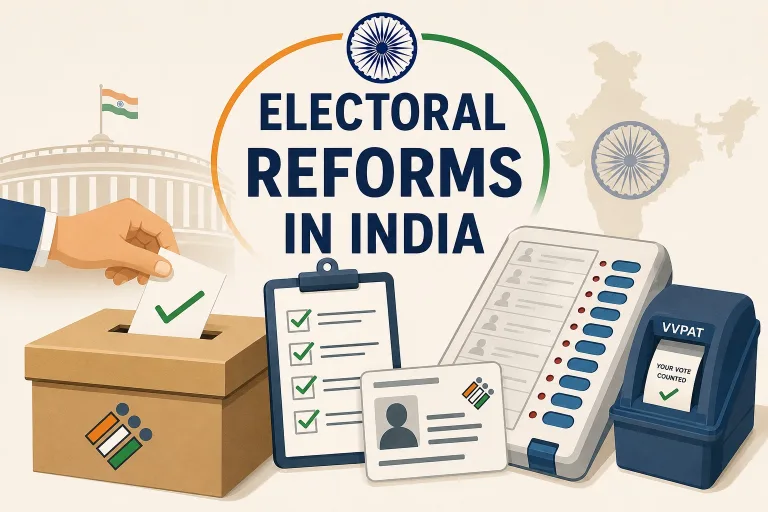
Electoral Reforms
Recent reforms include:
- Linking voter lists with Aadhaar
- Increasing election spending limits
- Making election laws gender neutral
- Allowing multiple voter registration dates
These reforms aim to improve transparency and fairness.
Delimitation of Constituencies
Delimitation means dividing the country into electoral constituencies.
This process is done according to Articles 82 and 170 of the Constitution.
Delimitation Commissions
| Year | Commission |
|---|---|
| 1952 | First Commission |
| 1962 | Second Commission |
| 1973 | Third Commission |
| 2002 | Fourth Commission |
The current freeze on delimitation will remain until 2026.
Electronic Voting Machines (EVMs)
India uses Electronic Voting Machines (EVMs) for elections.
They are manufactured by:
- Bharat Electronics Limited
- Electronics Corporation of India Limited
Advantages
- Faster vote counting
- More transparency
- Reduced election fraud
VVPAT System
The Voter Verifiable Paper Audit Trail (VVPAT) system allows voters to verify their vote.
It was first used in Nagaland in 2013.
The system prints a slip showing the candidate selected by the voter.
Electors Photo Identity Card (EPIC)
The EPIC voter card was introduced in 1993 to stop fake voting.
Features
- Contains voter photo
- Unique identification number
- Valid for lifetime
Even if a voter changes address, the EPIC number remains the same.
Women’s Reservation in Parliament
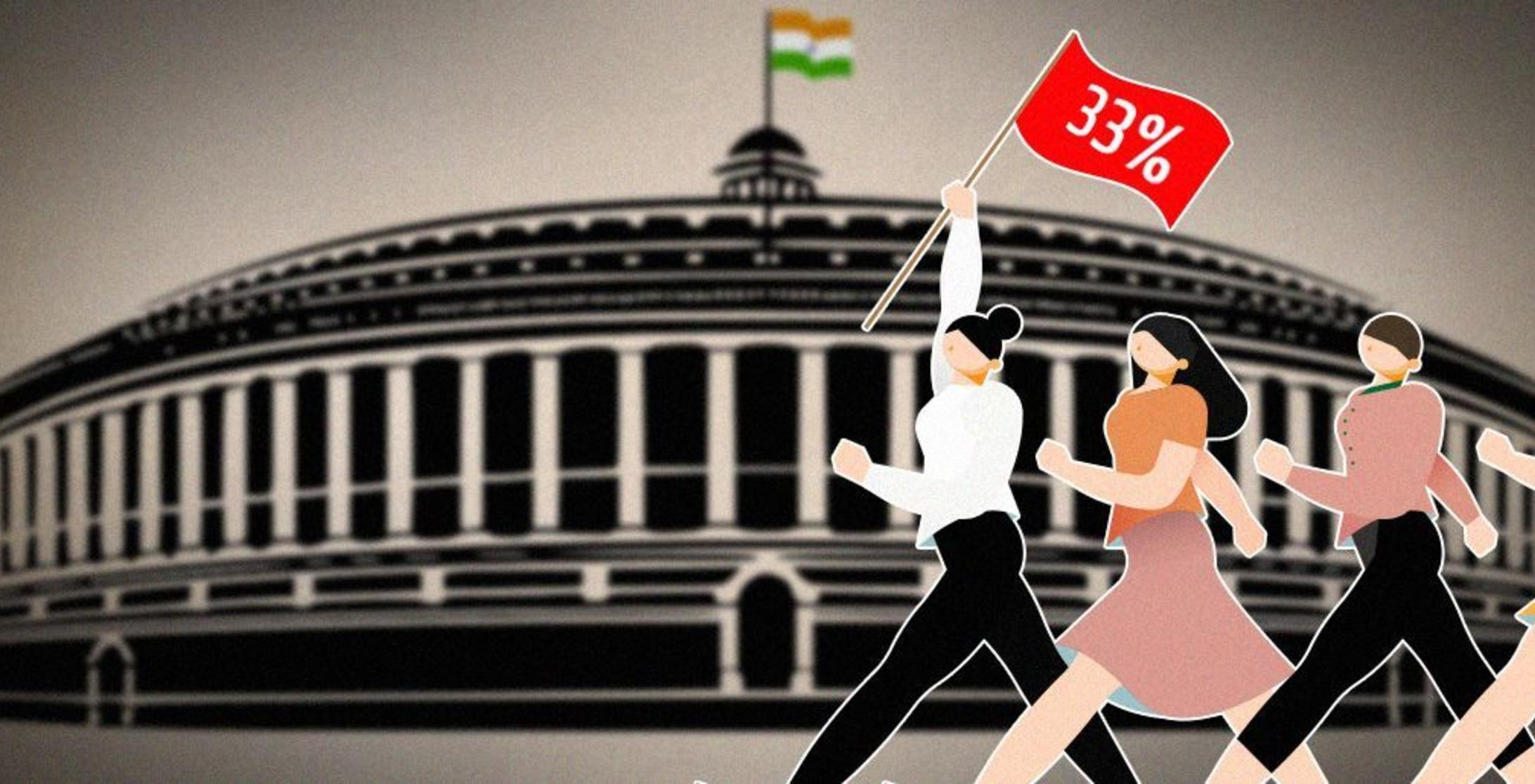
The 106th Constitutional Amendment Act introduced Women’s Reservation.
Key Feature
- 33% seats reserved for women in:
- Parliament
- State Assemblies
- Delhi Legislative Assembly
There are also sub-reservations for:
- Scheduled Castes
- Scheduled Tribes
Seats will rotate after every delimitation.
Political Representation of SC and ST
The Constitution ensures representation for Scheduled Castes (SC) and Scheduled Tribes (ST).
This is provided under:
- Article 330 – Reservation in Lok Sabha
- Article 332 – Reservation in State Assemblies
The reservation period has been extended for 10 more years through the 126th Constitutional Amendment Bill, 2019.
Conclusion
The Indian Legal System plays a very important role in maintaining justice, equality, and law and order in the country. It includes the Constitution, courts, legal institutions, and many laws that protect citizens’ rights.
From the Supreme Court to village courts, every level of the judiciary helps ensure fairness. New initiatives like digital courts, ADR systems, and legal awareness programs are making justice more accessible to people.
As India continues to develop, its legal system is also improving to provide faster, transparent, and fair justice for all citizens.
FAQs
1. What is the Indian Legal System?
The Indian Legal System is the system of laws, courts, and legal institutions that maintain justice and law and order in India. It includes the Constitution, Parliament, courts, and legal authorities.
2. What are the main sources of law in India?
The main sources of law in India are:
- Constitution
- Statutory laws made by Parliament and state legislatures
- Customary laws and traditions
- Case laws decided by courts
3. What is the highest court in the Indian Legal System?
The Supreme Court of India is the highest court in the Indian Legal System. It protects the Constitution and fundamental rights of citizens.
4. How many levels of courts are there in India?
The Indian judiciary has four main levels:
- Supreme Court
- High Courts
- District and Sessions Courts
- Magistrate and local courts
5. What is the role of High Courts in India?
High Courts are the highest courts at the state level. They supervise district courts and handle important civil and criminal cases.
6. What are Gram Nyayalayas?
Gram Nyayalayas are village courts established under the Gram Nyayalayas Act, 2008. They provide quick and affordable justice to people in rural areas.
7. What is Alternative Dispute Resolution (ADR)?
ADR is a method to settle disputes without going to court. It includes arbitration, mediation, and conciliation, which help resolve cases quickly.
8. What is the purpose of Electronic Voting Machines (EVMs)?
EVMs are used in elections to record votes electronically. They make voting faster, more transparent, and reduce election fraud.