


Electoral Reforms in India: Meaning, Need, Important Reforms and Challenges

Electoral Reforms in India are the changes made to improve the election system so that elections remain free, fair, transparent, and trustworthy. India is the world’s largest democracy, and elections play a very important role in choosing the government. Over the years, many reforms have been introduced to reduce corruption, stop fake voting, improve transparency, and increase public confidence in the electoral process.
Thank you for reading this post, don't forget to subscribe!What are Electoral Reforms in India?
Electoral Reforms in India refer to the legal, administrative, and technological changes made to improve the election process. These reforms aim to ensure that every eligible citizen can vote freely and that elections are conducted honestly without unfair practices.
The main objective of electoral reforms is to strengthen democracy by making elections transparent, efficient, and fair for everyone.
Why are Electoral Reforms Needed?
India conducts elections regularly, but several problems affect the election process. Electoral reforms are necessary to solve these issues.
Some major reasons include:
- Prevent the misuse of money during elections.
- Reduce the influence of criminals in politics.
- Stop fake voting and duplicate voter IDs.
- Increase transparency in political funding.
- Encourage more citizens to vote.
- Ensure equal opportunities for all political parties.
- Build public trust in the Election Commission and election results.
Without regular reforms, the quality of democracy may weaken over time.
Constitutional and Legal Provisions
Several constitutional and legal provisions govern elections in India.
Article 324 of the Constitution
Article 324 gives the Election Commission of India (ECI) the power to supervise, direct, and control elections to Parliament, State Legislatures, and the offices of the President and Vice-President.
Representation of the People Act, 1950
This Act deals with:
- Preparation of electoral rolls.
- Appointment of election officials.
- Registration of eligible voters.
Representation of the People Act, 1951
This law covers:
- Conduct of elections.
- Qualifications and disqualifications of candidates.
- Election disputes.
- Corrupt election practices.
Registration of Electors Rules, 1960
These rules explain how voter names can be added, corrected, or removed from electoral rolls.
Delimitation Act, 2002
This Act redraws the boundaries of parliamentary and assembly constituencies based on the latest Census to ensure equal representation.
Major Electoral Reforms in India
1. Voting Age Reduced
The 61st Constitutional Amendment Act, 1988 reduced the voting age from 21 years to 18 years.
This reform allowed millions of young citizens to participate in elections.
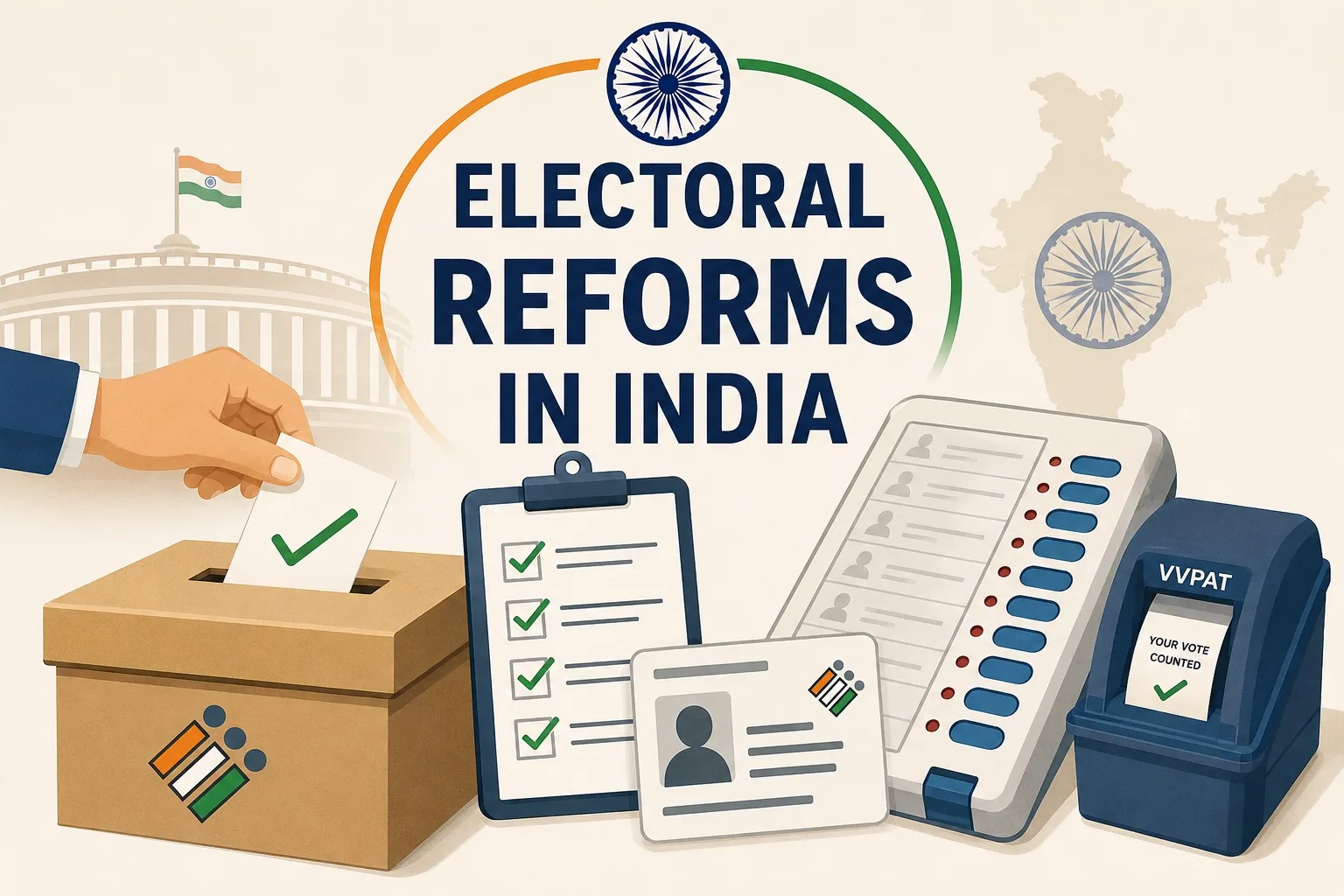
2. Introduction of Electronic Voting Machines (EVMs)
Electronic Voting Machines replaced traditional ballot papers.
Benefits include:
- Faster counting
- Fewer invalid votes
- Reduced paper usage
- Better efficiency
EVMs were first used in some states in 1998 and later adopted across the country.
3. Elector Photo Identity Card (EPIC)
The Election Commission introduced voter identity cards with photographs.
These cards help:
- Prevent fake voting
- Verify voter identity
- Improve election security
4. Laws Against Booth Capturing
Special legal provisions allow the Election Commission to cancel or stop polling if booth capturing occurs.
This protects the fairness of elections.
5. Candidate Proposers
Independent candidates now require more proposers to contest elections.
This step discourages non-serious candidates.
6. Ban on Liquor Before Polling
The sale and distribution of liquor are prohibited during the 48 hours before polling.
This helps maintain law and order during elections.
7. Time-Bound By-Elections
Vacant parliamentary or assembly seats are generally filled within six months unless special circumstances exist.
8. Contesting from Limited Constituencies
A candidate can contest from only two constituencies in a general election.
Earlier, candidates could contest from multiple seats.
Electoral Reforms Between 1997 and 2009
Many important reforms were introduced during this period.
Candidate Information Disclosure
Candidates must declare:
- Criminal cases
- Assets
- Liabilities
- Educational qualifications
Giving false information is punishable under the law.
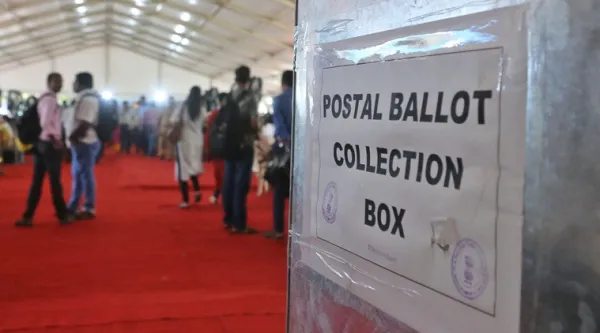
Postal Ballot
Certain categories of voters, such as government employees on election duty, can vote through postal ballots.
Proxy Voting
Service voters in the armed forces can appoint a proxy to cast their vote.
Rajya Sabha Reforms
The requirement that candidates must belong to the state from which they contest was removed.
An open ballot system was also introduced to reduce cross-voting.
Political Donations
Political parties must disclose donations above the prescribed limit.
This promotes financial transparency.
Equal Media Time
The Election Commission ensures recognized political parties receive equal opportunities on electronic media during election campaigns.
Braille EVMs
Electronic Voting Machines now include Braille features to help visually impaired voters cast their votes independently.
Exit Poll Restrictions
Exit polls cannot be published until the Election Commission permits them.
This prevents undue influence on voters.
Electoral Reforms Since 2010
Voting Rights for NRIs
Indian citizens living abroad can register and vote in their home constituency, provided they meet legal requirements.
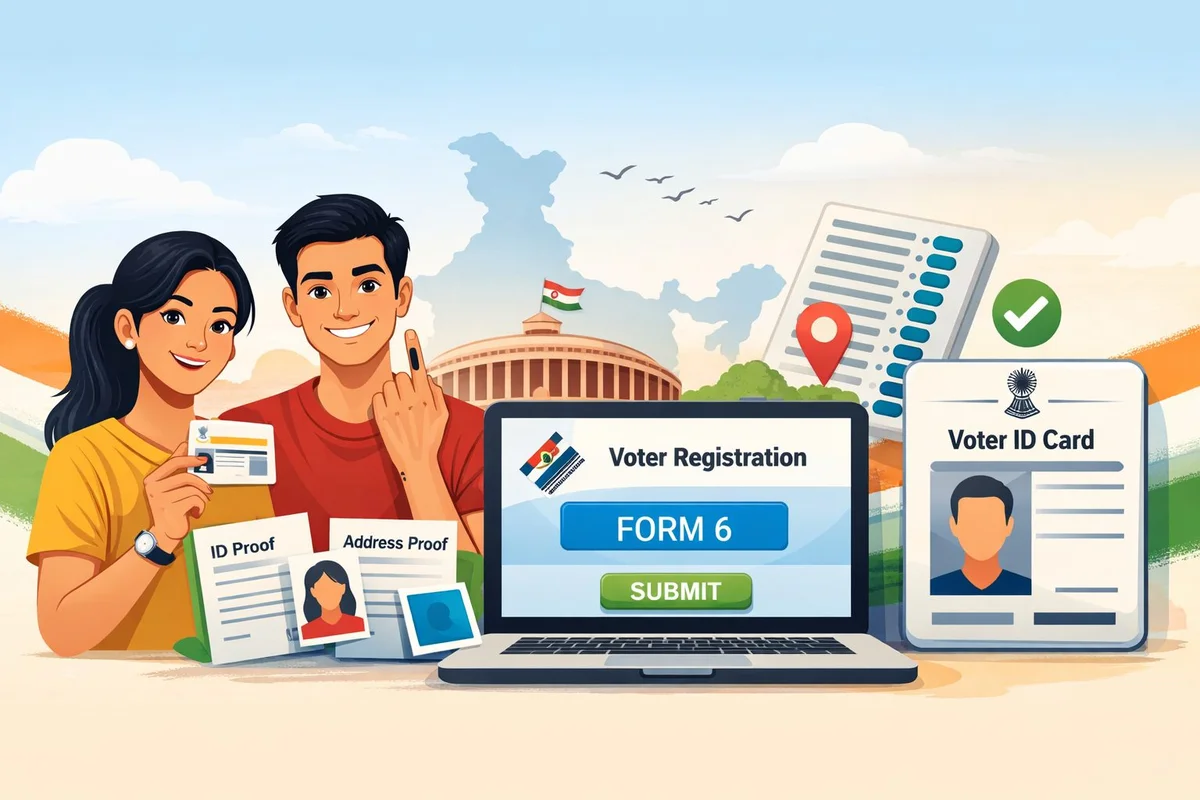
Online Voter Registration
Citizens can now apply online for voter registration, making the process faster and easier.
NOTA Option
The “None of the Above” (NOTA) option was added to EVMs.
It allows voters to reject all candidates if they are dissatisfied.
VVPAT System
The Voter Verifiable Paper Audit Trail (VVPAT) provides a printed slip showing the selected candidate.
It improves transparency and voter confidence.
Immediate Disqualification of Convicted Representatives
The Supreme Court ruled that convicted Members of Parliament (MPs) and Members of Legislative Assemblies (MLAs) lose their membership immediately after conviction.
Electoral Bonds
The Electoral Bond Scheme was introduced in 2018 to facilitate political donations through banks.
However, in 2024, the Supreme Court declared the scheme unconstitutional because it reduced transparency in political funding.
Important Committees on Electoral Reforms
Several committees have suggested improvements in India’s election system.
| Committee | Major Recommendation |
|---|---|
| Tarkunde Committee (1974) | Independent appointment of Election Commissioners |
| Dinesh Goswami Committee (1990) | Suggested major election reforms implemented in 1996 |
| Vohra Committee (1993) | Examined the link between crime and politics |
| Indrajit Gupta Committee (1998) | Recommended state funding of elections |
| Law Commission 170th Report (1999) | Electoral law reforms |
| Tankha Committee (2010) | Review of election laws |
| Law Commission 255th Report (2015) | Comprehensive electoral reforms |
| High-Level Committee on Simultaneous Elections | Recommended simultaneous elections and a single electoral roll |
Major Challenges in India’s Electoral Process
Despite many reforms, several challenges remain.
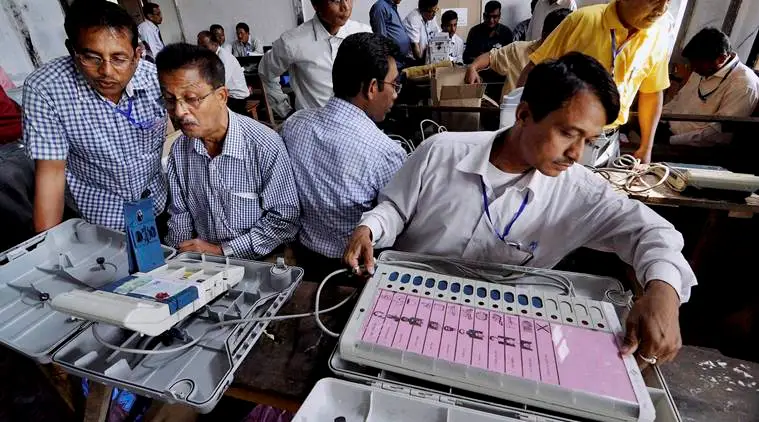
EVM Tampering Concerns
Some political parties have expressed concerns about EVM security.
To improve confidence, VVPAT verification is conducted for selected polling stations.
Electoral Roll Errors
Duplicate voter IDs and incorrect voter lists continue to create problems in some states.
Model Code of Conduct Violations
Political leaders sometimes:
- Use hate speech
- Make communal appeals
- Spread false information
Such actions reduce the quality of democratic elections.
High Election Spending
Election campaigns have become extremely expensive.
Although spending limits exist for candidates, political parties themselves do not have strict expenditure limits.
Criminalization of Politics
Many elected representatives still face criminal cases.
This raises concerns about the quality of political leadership.
What More Reforms are Needed?
Experts suggest several additional reforms to strengthen Indian democracy.
Some important recommendations include:
- Strong action against violations of the Model Code of Conduct.
- Greater transparency in political funding.
- Bringing political parties under the Right to Information (RTI) Act.
- Strict enforcement of criminal background disclosure.
- Better voter list management using secure technology.
- Scientific verification of VVPAT and EVM results.
- Introduction of totaliser machines to improve vote secrecy.
- Increased voter awareness through education campaigns.
- Ethical training for political leaders.
- Stronger public participation in monitoring elections.
Final Thoughts
Electoral Reforms in India have significantly improved the country’s election system over the past several decades. Reforms such as lowering the voting age, introducing EVMs and VVPAT, online voter registration, disclosure of candidate information, and stronger election laws have made elections more transparent and efficient.
However, challenges like excessive election spending, criminalization of politics, electoral roll errors, and concerns about political funding still require attention. Continuous reforms, stronger institutions, transparent governance, and active citizen participation are essential to protect the values of democracy and ensure free, fair, and credible elections in India.
FAQs
1. What are Electoral Reforms in India?
Electoral Reforms in India are changes made to improve the election process by making it more transparent, fair, efficient, and free from corruption.
2. Why are Electoral Reforms important?
Electoral reforms are important because they help ensure free and fair elections, reduce corruption, prevent fake voting, and strengthen democracy.
3. Which Article of the Indian Constitution deals with elections?
Article 324 of the Indian Constitution gives the Election Commission of India (ECI) the power to conduct and supervise elections.
4. What is the Representation of the People Act, 1951?
The Representation of the People Act, 1951 regulates the conduct of elections, qualifications and disqualifications of candidates, election disputes, and corrupt practices.
5. What is an EVM?
An Electronic Voting Machine (EVM) is a machine used to record votes electronically, making the voting process faster, more accurate, and more secure.
6. What is VVPAT?
Voter Verifiable Paper Audit Trail (VVPAT) is a system attached to EVMs that allows voters to verify that their vote has been recorded correctly through a printed paper slip.
7. What is NOTA?
NOTA (None of the Above) allows voters to reject all contesting candidates if they do not wish to vote for any of them.
8. What is the minimum voting age in India?
The minimum voting age in India is 18 years, after the 61st Constitutional Amendment Act, 1988.