


Solar Energy: India’s Clean and Sustainable Power Source

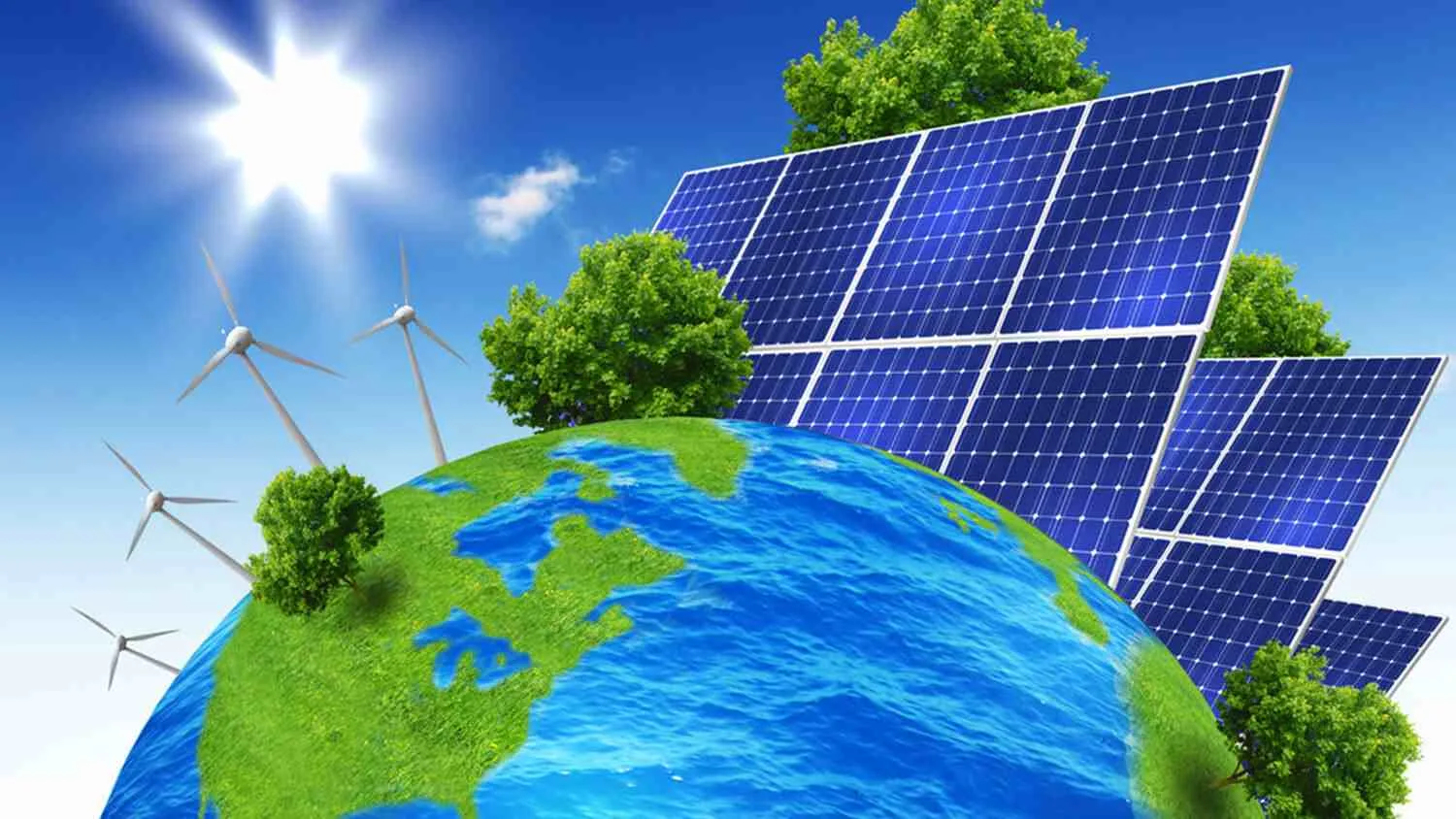
Solar Energy is one of the most important renewable energy sources in the world today. It refers to the energy received from the Sun and converted into electricity or heat using technologies such as solar photovoltaic panels and solar thermal systems. As concerns about climate change, pollution, and rising energy demand continue to grow, solar energy has emerged as a reliable and environmentally friendly solution.
Thank you for reading this post, don't forget to subscribe!India is blessed with abundant sunlight throughout the year. Due to its geographical location in the tropical region, the country receives solar radiation for nearly 300 sunny days annually. This provides enormous opportunities for generating clean electricity and reducing dependence on fossil fuels such as coal, oil, and natural gas.
What is Solar Energy?
Solar energy is the energy that comes from the Sun in the form of light and heat. This energy can be captured and converted into usable forms through different technologies.
The two major forms of solar technology are:
| Technology | Purpose |
|---|---|
| Solar Photovoltaic (PV) | Converts sunlight directly into electricity |
| Solar Thermal Technology | Uses heat from sunlight to generate electricity or provide heating |
Solar energy is considered renewable because the Sun continuously supplies energy, making it virtually unlimited for human use.
Background of Solar Energy in India
India has huge potential for solar power generation because of its favorable climate and long hours of sunshine. The country receives around 2,300 to 3,000 hours of sunshine every year.
With a rapidly growing population and expanding industries, India’s energy demand is increasing continuously. Traditionally, much of this demand has been met through fossil fuels, which contribute to pollution and greenhouse gas emissions.
To address these challenges, India has focused on renewable energy development. Solar energy has become a major component of the country’s clean energy strategy due to its environmental benefits and economic potential.
The shift towards solar power is also supported by global efforts to reduce carbon emissions and combat climate change.
Why Solar Energy is Important
1. Energy Security
India imports a large portion of its energy requirements from other countries. This creates financial burdens and dependency on international markets.
Solar energy helps by:
- Reducing energy imports
- Increasing domestic energy production
- Improving national energy security
- Providing a stable source of electricity
2. Economic Growth
Reliable electricity is essential for industries, businesses, and agriculture.
Solar energy supports economic development by:
- Lowering long-term electricity costs
- Supporting industrial growth
- Attracting investment in renewable energy
- Creating employment opportunities
3. Social Development
Many rural and remote areas have faced electricity shortages for years. Solar power can help provide electricity to such regions.
Benefits include:
- Better education facilities
- Improved healthcare services
- Enhanced communication networks
- Better living standards
4. Environmental Protection
Traditional power generation from coal and oil produces harmful emissions.
Solar energy helps:
- Reduce air pollution
- Lower greenhouse gas emissions
- Protect natural resources
- Support sustainable development
Types of Solar Energy Systems
Solar Photovoltaic (PV) Systems
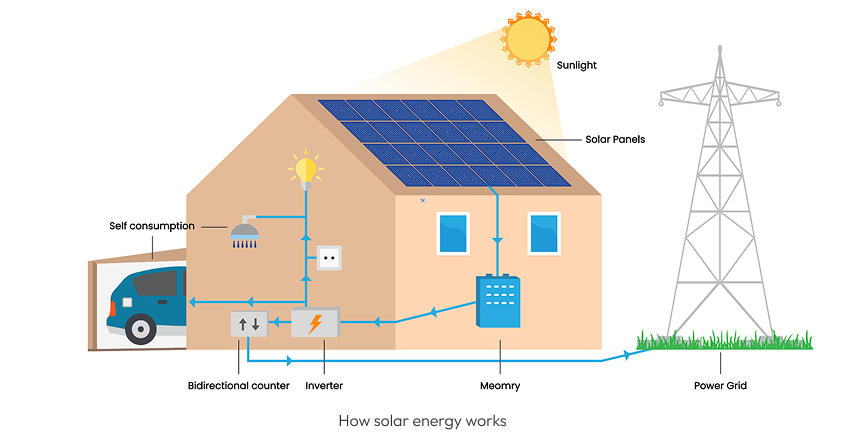
Solar photovoltaic systems use solar panels made from semiconductor materials such as silicon.
When sunlight strikes the panels, electricity is generated through the photovoltaic effect.
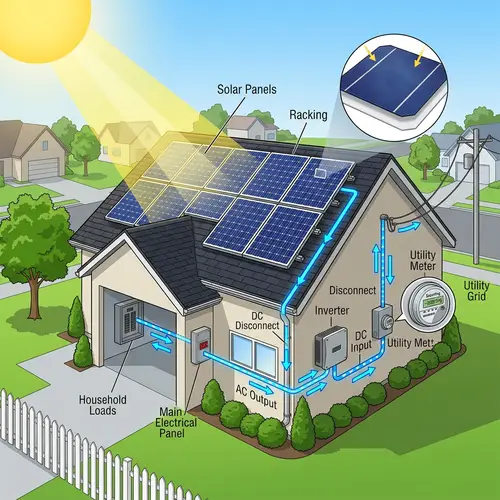
Common uses include:
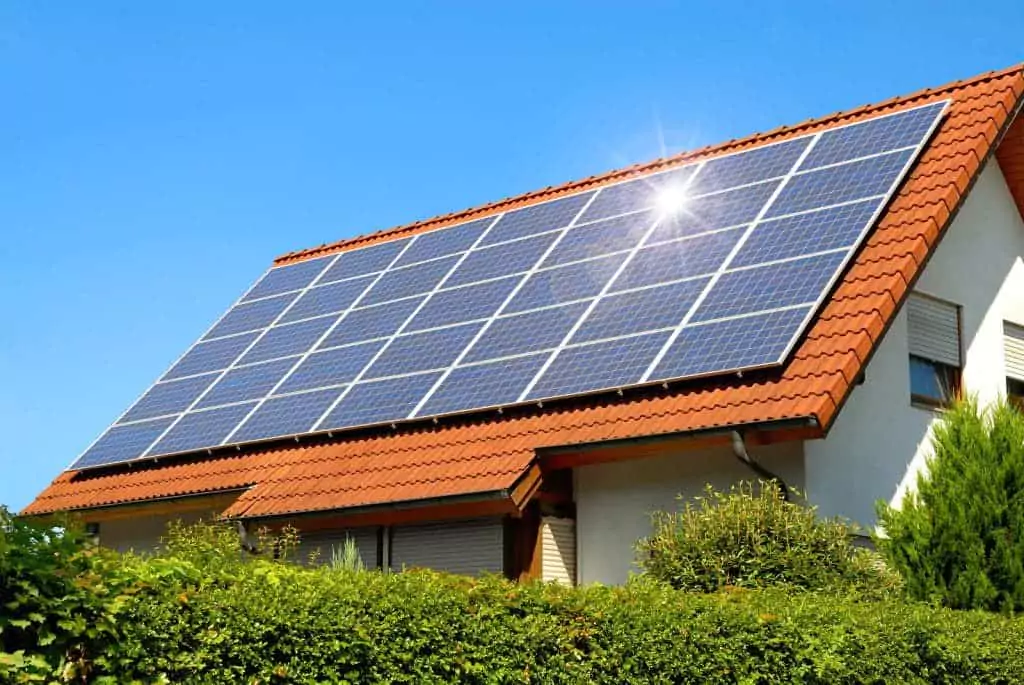
- Rooftop solar systems
- Solar farms
- Street lighting
- Water pumping systems
Solar Thermal Systems
Solar thermal technology captures heat from the Sun.
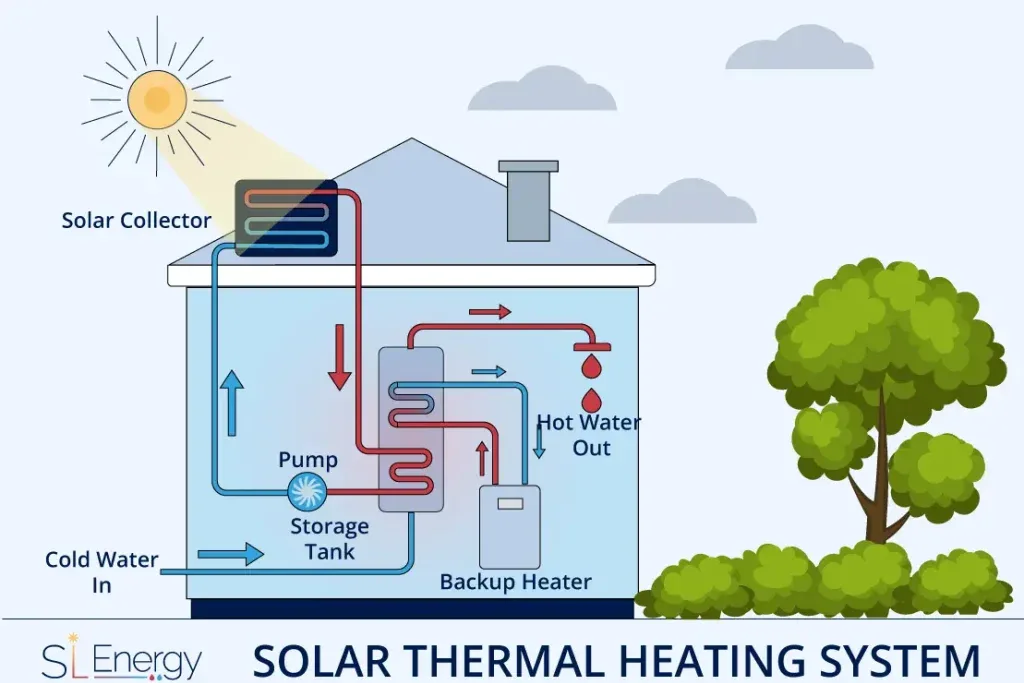
This heat is used for:
- Generating electricity
- Heating water
- Industrial heating processes
Large solar thermal power plants use mirrors to concentrate sunlight and produce high temperatures.
Grid-Connected Solar Power
Grid-connected solar systems are directly linked to the electricity grid.
Features include:
- Electricity can be supplied to the grid
- Consumers can use solar power and grid power together
- Excess electricity can often be exported through net metering
These systems are widely used in urban areas and large solar parks.
Off-Grid Solar Solutions
Off-grid systems operate independently without connection to the main electricity network.
These systems are especially useful in:
- Remote villages
- Mountain regions
- Islands
- Areas with unreliable electricity supply
Off-grid systems often use batteries to store electricity for use during nighttime or cloudy weather.
Advantages of Solar Energy
Solar energy offers numerous benefits.
Clean and Environment-Friendly
Solar power generation does not produce harmful gases or pollutants during operation.
Renewable Source
The Sun provides energy every day, making solar power a sustainable solution.
Low Operating Costs
Once installed, solar systems require relatively low maintenance and operating expenses.
Reduced Electricity Bills
Households and businesses can significantly reduce their electricity costs.
Minimal Transmission Losses
Rooftop solar systems generate electricity close to where it is consumed, reducing transmission losses.
Long Equipment Life
Most solar panels have a lifespan of 25 years or more.
Energy Independence
Solar energy helps reduce dependence on imported fuels and external energy sources.
Challenges in Solar Energy Adoption
Despite its advantages, solar energy faces several challenges.
Dependence on Imports
A significant portion of solar equipment used in India is imported.
This creates challenges such as:
- Higher dependency on foreign suppliers
- Competition for domestic manufacturers
- Supply chain vulnerabilities
Competition from Foreign Manufacturers
Countries with strong manufacturing industries often supply solar products at lower prices.
This makes it difficult for local manufacturers to compete.
Land Availability
Large-scale solar projects require substantial land.
In densely populated countries like India, land acquisition can be challenging.
Intermittent Nature
Solar energy depends on sunlight.
Electricity generation decreases:
- During cloudy weather
- At night
- During heavy rainfall
Energy storage technologies are needed to overcome this limitation.
Solar Waste Management
As solar panels reach the end of their lifespan, proper disposal and recycling become important.
Without effective recycling systems, solar waste could become an environmental concern.
Government Initiatives for Solar Energy
The Government of India has launched several programs to promote solar power.
Ministry of New and Renewable Energy (MNRE)
The Ministry of New and Renewable Energy is the main government body responsible for renewable energy development.
National Solar Mission
The National Solar Mission aims to increase solar power generation and promote sustainable development.
Major objectives include:
- Expanding solar capacity
- Encouraging solar manufacturing
- Supporting research and innovation
Indian Renewable Energy Development Agency (IREDA)
IREDA provides financial assistance and loans for renewable energy projects.
National Institute of Solar Energy (NISE)
NISE serves as a leading research and development institution for solar technologies.
Solar Parks Development
The government has established large solar parks across different states to encourage utility-scale solar power generation.
Rooftop Solar Programmes
Several schemes encourage households, institutions, and businesses to install rooftop solar systems.
Suryamitra Programme
This programme trains skilled workers for installation, operation, and maintenance of solar energy systems.
Green Energy Corridor
The Green Energy Corridor project improves transmission infrastructure to integrate renewable energy into the national grid.
Employment Opportunities in Solar Energy
The solar sector has become a major source of employment.
Jobs are available in:
- Manufacturing
- Installation
- Maintenance
- Research and development
- Project management
- Sales and marketing
Large-scale solar deployment creates thousands of direct and indirect employment opportunities.
International Efforts and India’s Role
India is actively involved in global efforts to promote renewable energy.
Paris Climate Agreement
India has committed to reducing the emissions intensity of its economy and increasing the share of non-fossil fuel energy sources.
International Solar Alliance (ISA)
India played a leading role in establishing the International Solar Alliance.
The alliance brings together countries with high solar energy potential to:
- Promote solar technology
- Encourage investment
- Share knowledge and expertise
- Support sustainable development
The organization aims to accelerate global adoption of solar energy and make clean energy accessible to more people.
Future Potential of Solar Energy in India
India’s future in solar energy looks highly promising.
Several factors support future growth:
- Increasing electricity demand
- Falling solar panel costs
- Government support
- Technological advancements
- Growing environmental awareness
Energy storage technologies are also improving rapidly. Better batteries will help store excess solar power and provide electricity even when sunlight is unavailable.
With continued investment and innovation, India has the potential to become one of the world’s leading solar energy producers.
The Way Forward
To maximize the benefits of solar energy, India needs to focus on:
- Strengthening domestic manufacturing
- Expanding research and development
- Improving battery storage technology
- Developing solar recycling systems
- Encouraging private investment
- Simplifying policy implementation
- Expanding solar infrastructure in rural areas
A strong solar energy ecosystem can support economic growth, energy security, and environmental sustainability for future generations.
FAQs on Solar Energy
1. What is solar energy?
Solar energy is the energy obtained from sunlight and converted into electricity or heat using solar technologies.
2. Why is solar energy important for India?
Solar energy helps reduce pollution, improve energy security, and meet growing electricity demand through a renewable source.
3. What are solar photovoltaic panels?
Solar photovoltaic panels convert sunlight directly into electricity using semiconductor materials.
4. What is the difference between solar PV and solar thermal systems?
Solar PV produces electricity directly from sunlight, while solar thermal systems use solar heat to generate power or provide heating.
5. What are the major benefits of solar energy?
The major benefits include clean energy, low operating costs, energy independence, and reduced greenhouse gas emissions.
6. What is the International Solar Alliance?
The International Solar Alliance is a global initiative led by India to promote solar energy development among sunshine-rich countries.
7. Can solar energy work at night?
Solar panels do not generate electricity at night. However, stored energy in batteries can be used during nighttime.
8. What are the main challenges of solar energy?
Key challenges include land requirements, dependence on sunlight, equipment imports, and solar waste management.