

India-Vietnam Relations: A Strong Strategic Partnership in Asia

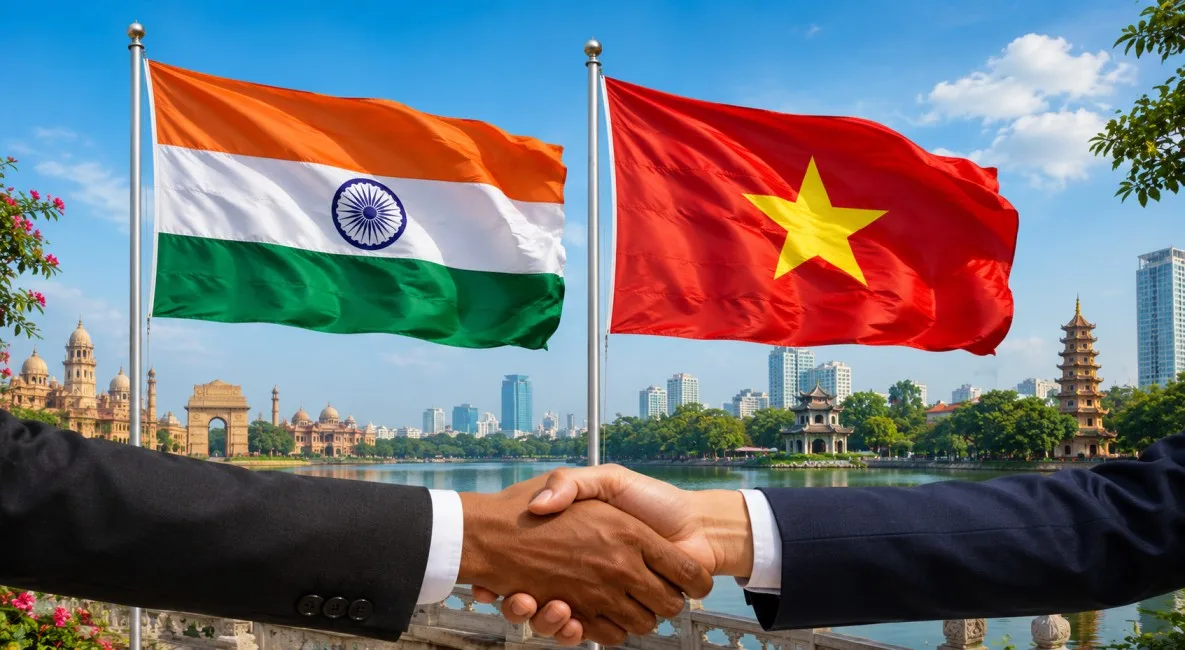
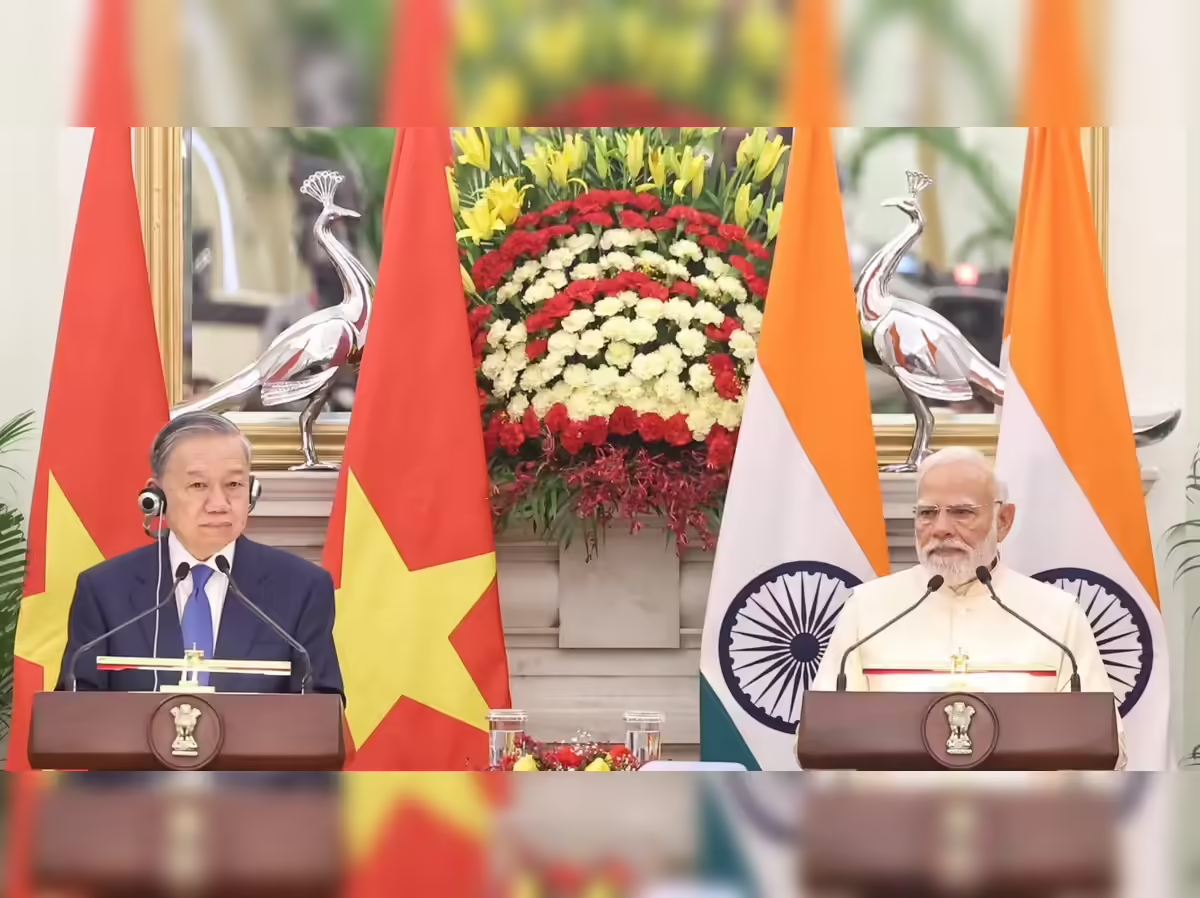
India-Vietnam Relations have become one of the most important partnerships in the Indo-Pacific region. The friendship between India and Vietnam is based on mutual trust, shared interests, cultural connections, and cooperation in many fields such as defense, trade, science and technology, education, and regional security. Over the years, both countries have strengthened their relationship and emerged as key partners in maintaining peace, stability, and economic growth in Asia.
India and Vietnam share a long history of friendly ties that date back centuries. In modern times, these relations have grown rapidly due to common strategic interests and the desire to promote regional cooperation. Today, India and Vietnam are comprehensive strategic partners and work closely on various global and regional issues.

Introduction to India-Vietnam Relations
India and Vietnam are important countries in Asia. India is one of the world’s largest democracies, while Vietnam is one of Southeast Asia‘s fastest-growing economies. Both nations believe in peaceful coexistence, respect for sovereignty, and international cooperation.
The relationship between India and Vietnam officially strengthened after diplomatic relations were established in 1972. Since then, the two countries have expanded cooperation in many areas, including defense, trade, energy, education, culture, and technology.
The growing partnership between the two countries is also important for India’s Act East Policy and Vietnam’s efforts to strengthen regional partnerships.
Historical Background of India-Vietnam Relations
The connection between India and Vietnam is not new. Historical evidence shows that cultural and trade links existed between the two regions as early as the 2nd century CE.
Indian culture, religion, art, and architecture had a significant influence on ancient Vietnamese kingdoms. Hinduism and Buddhism spread to Vietnam through trade and cultural exchanges.
During the modern era:
- India supported Vietnam’s struggle for independence from French colonial rule.
- India opposed foreign intervention during the Vietnam War.
- India supported the reunification of Vietnam.
- Diplomatic relations between India and North Vietnam were established in 1972.
Both countries maintained friendly relations throughout the Cold War period while emphasizing strategic independence in foreign policy.
Evolution of Strategic Partnership
The relationship entered a new phase in the 1990s after India’s economic reforms and the introduction of the Look East Policy.
Important milestones include:
1992: Expansion of Economic Cooperation
India and Vietnam began expanding cooperation in:
- Oil and gas exploration
- Agriculture
- Manufacturing
- Trade and investment
2003: Comprehensive Cooperation Declaration
The two countries signed a Joint Declaration on Comprehensive Cooperation.
The declaration aimed to create an “Arc of Advantage and Prosperity” in Southeast Asia.
2007: Strategic Partnership
India and Vietnam upgraded their ties to a Strategic Partnership.
2016: Comprehensive Strategic Partnership
Relations were elevated further to a Comprehensive Strategic Partnership, demonstrating the importance both countries place on bilateral cooperation.
Today, Vietnam is considered one of the most important pillars of India’s Act East Policy.
Importance of Vietnam for India
Vietnam occupies a strategically important position in Southeast Asia.
Several reasons make Vietnam significant for India:
Gateway to Southeast Asia
Vietnam serves as an important link between India and the ASEAN region.
Strong relations with Vietnam help India strengthen its presence in Southeast Asia.
Indo-Pacific Cooperation
Both countries support a free, open, inclusive, and rules-based Indo-Pacific region.
They emphasize:
- Freedom of navigation
- Respect for international law
- Peaceful resolution of disputes
- Maritime security
Balancing Regional Challenges
India and Vietnam share concerns regarding regional security issues and support peaceful solutions through diplomacy and international law.
Defense Cooperation Between India and Vietnam
Defense cooperation is one of the strongest pillars of India-Vietnam relations.
Over the years, military cooperation has expanded significantly.
Training and Capacity Building
India helps train Vietnamese military personnel in various fields, including:
- Submarine operations
- Aviation technology
- Military engineering
- Defense management
Vietnam’s armed forces benefit from India’s expertise in operating Russian-origin defense equipment.
Defense Credit Support
India has extended defense-related lines of credit to Vietnam to help strengthen its defense capabilities.
Naval Cooperation
Both countries regularly conduct naval interactions and port visits.
Their cooperation focuses on:
- Maritime security
- Search and rescue operations
- Disaster management
- Naval training
Military Exercises
Vietnam participates in military and naval exercises involving India and other regional partners.
These activities improve coordination and strengthen mutual trust.
Geostrategic Importance of India-Vietnam Relations
The strategic partnership between India and Vietnam has become increasingly important in the Indo-Pacific region.
Both countries support:
- Regional stability
- Freedom of navigation
- Respect for international law
- Peaceful settlement of disputes
The two nations believe that international waters should remain open for all countries according to established global rules.
This shared vision has brought India and Vietnam closer in regional and global affairs.
Economic and Trade Relations
Trade is an important component of India-Vietnam relations.
Over the years, bilateral trade has increased significantly.
India is among Vietnam’s important trading partners.
Major Indian Exports to Vietnam
India exports:
- Machinery and equipment
- Pharmaceuticals
- Automobiles
- Textiles
- Leather products
- Precious stones and jewelry
Major Imports from Vietnam
India imports:
- Mobile phones and accessories
- Electronic goods
- Chemicals
- Rubber
- Metals
- Wood and wooden products
Investment Cooperation
Indian companies have invested in several sectors in Vietnam, including:
- Energy
- Manufacturing
- Information technology
- Infrastructure
- Pharmaceuticals
Vietnam’s growing economy offers many opportunities for Indian businesses.
Energy Cooperation
Energy remains a major area of collaboration.
Oil and Gas Sector
Indian companies have participated in oil and gas exploration projects in Vietnamese waters.
Energy cooperation helps both countries improve energy security and strengthen economic ties.
Renewable Energy
India and Vietnam are increasingly cooperating in:
- Solar energy
- Wind energy
- Sustainable development projects
This cooperation supports environmental protection and clean energy goals.
Science and Technology Cooperation
India and Vietnam have expanded cooperation in science and technology.
Important areas include:
Information Technology
India supports Vietnam through:
- IT training programs
- Digital skill development
- Technology partnerships
Space Cooperation
The two countries cooperate in peaceful uses of outer space.
Areas of cooperation include:
- Satellite technology
- Space research
- Data sharing
Cyber Security
Cyber security has emerged as an important field of cooperation due to growing digitalization.
Atomic Energy
India and Vietnam cooperate in the peaceful use of nuclear energy for development purposes.
Educational Cooperation
Education plays an important role in strengthening bilateral relations.
India provides:
- Scholarships for Vietnamese students
- Technical training programs
- Professional skill development opportunities
ITEC Programme
The Indian Technical and Economic Cooperation (ITEC) Programme helps Vietnamese professionals receive training in India.
The program covers:
- Information technology
- Management
- Banking
- Governance
- Engineering
Thousands of Vietnamese professionals have benefited from these training opportunities.
Cultural Relations
Cultural ties between India and Vietnam are centuries old.
These cultural links continue to strengthen people-to-people relations.
Shared Buddhist Heritage
Buddhism forms an important cultural connection between the two countries.
Many Vietnamese people have deep respect for Buddhist traditions that originated in India.
Indian Cultural Centre
India established a Cultural Centre in Vietnam to promote:
- Indian art
- Music
- Dance
- Language
- Literature
International Day of Yoga
Yoga has become increasingly popular in Vietnam.
Every year, large numbers of people participate in International Day of Yoga celebrations across the country.
Film and Cultural Exchanges
Film festivals, cultural events, and academic exchanges help improve understanding between the people of both nations.
Regional and Multilateral Cooperation
India and Vietnam work together in several international organizations and regional forums.
ASEAN Cooperation
Vietnam is an active member of ASEAN, and India works closely with ASEAN countries through various mechanisms.
Mekong-Ganga Cooperation
Both countries cooperate under the Mekong-Ganga Cooperation framework to promote:
- Tourism
- Education
- Culture
- Transport connectivity
United Nations
India and Vietnam often support each other on important international issues.
Vietnam has supported India’s aspiration for a greater role in global institutions.
WTO and Global Forums
Both countries cooperate on trade-related issues and support a fair international economic system.
Challenges in India-Vietnam Relations
Despite strong ties, certain challenges remain.
Trade Below Potential
Although trade has grown, it remains lower than its full potential.
Both countries need to increase investments and improve market access.
Connectivity Issues
Better transportation and logistics connections are needed to boost trade and tourism.
Regional Security Concerns
The Indo-Pacific region faces various geopolitical challenges that require careful diplomacy and cooperation.
Competition from Other Countries
Vietnam has strong economic relations with many countries, creating competition for Indian businesses seeking opportunities.
Opportunities for Future Cooperation
India and Vietnam have enormous potential for future collaboration.
Blue Economy
Both countries can cooperate in:
- Marine resource management
- Sustainable fisheries
- Ocean research
- Maritime trade
Digital Economy
New opportunities exist in:
- Artificial intelligence
- Information technology
- Cyber security
- Digital infrastructure
Healthcare
India’s pharmaceutical industry can support Vietnam’s healthcare sector through affordable medicines and medical technology.
Agriculture
Cooperation can expand in:
- Agricultural research
- Food processing
- Irrigation technology
- Farm modernization
Infrastructure Development
Indian companies can participate in:
- Port development
- Logistics projects
- Urban infrastructure
- Renewable energy projects
India’s Act East Policy and Vietnam
Vietnam plays a crucial role in India’s Act East Policy.
The policy aims to strengthen:
- Economic relations
- Strategic partnerships
- Cultural connections
- Regional integration
Vietnam’s strategic location and growing economy make it a natural partner for India in Southeast Asia.
Strong India-Vietnam relations also help India increase engagement with ASEAN countries.
Conclusion
India-Vietnam Relations have evolved into a strong and comprehensive strategic partnership based on trust, mutual respect, and shared interests. The two countries cooperate in defense, trade, energy, science and technology, education, culture, and regional security. Their common commitment to a peaceful, stable, and rules-based Indo-Pacific region has further strengthened bilateral ties.
As Asia continues to grow in global importance, India and Vietnam are expected to deepen their cooperation even further. By expanding economic partnerships, enhancing defense collaboration, promoting cultural exchanges, and working together on regional challenges, both countries can contribute significantly to peace, prosperity, and sustainable development in the Indo-Pacific region.
FAQs on India-Vietnam Relations
1. What are India-Vietnam Relations?
India-Vietnam Relations refer to the diplomatic, economic, cultural, and strategic partnership between India and Vietnam.
2. When did India and Vietnam establish diplomatic relations?
India and Vietnam established official diplomatic relations in 1972.
3. Why is Vietnam important for India?
Vietnam is important because it supports India’s Act East Policy and serves as a gateway to Southeast Asia.
4. What is the current status of India-Vietnam ties?
India and Vietnam share a Comprehensive Strategic Partnership.
5. How do India and Vietnam cooperate in defense?
They cooperate through military training, naval exercises, defense equipment support, and maritime security initiatives.
6. What are the major exports from India to Vietnam?
India exports machinery, pharmaceuticals, automobiles, textiles, leather products, and precious stones.
7. What does India import from Vietnam?
India imports electronics, mobile phones, chemicals, rubber, metals, and wood products.
8. How do India and Vietnam cooperate in science and technology?
They collaborate in information technology, space research, cyber security, and peaceful uses of atomic energy.
9. What role does Vietnam play in India’s Act East Policy?
Vietnam is one of the key partners helping India strengthen its presence and engagement in Southeast Asia.
10. What are the future opportunities in India-Vietnam Relations?
Future opportunities include cooperation in trade, blue economy, renewable energy, healthcare, digital technology, and infrastructure development.