

Jal Shakti Ministry: Key Water Conservation Schemes

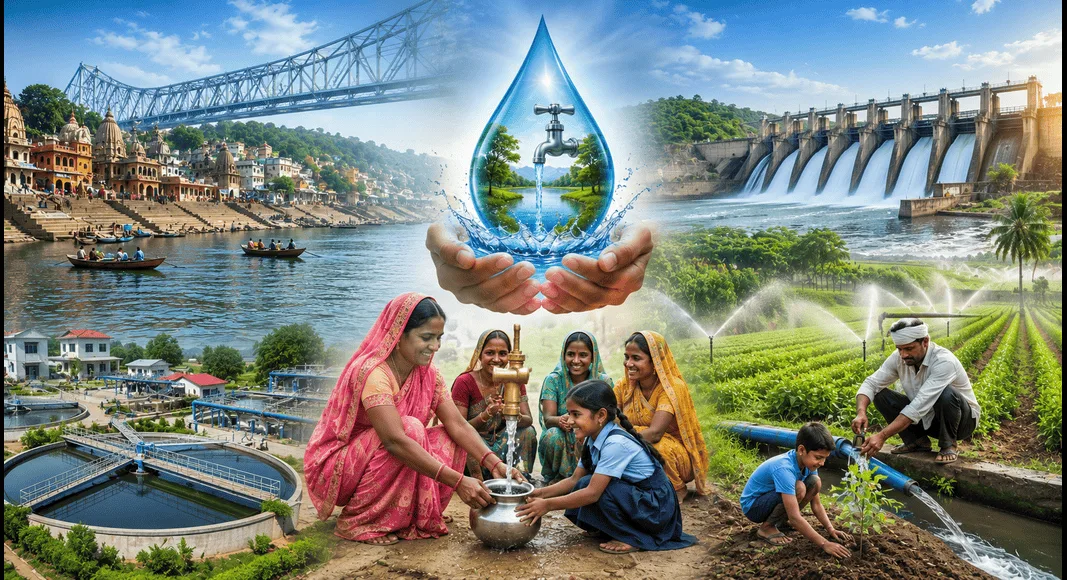
Water is one of the most valuable natural resources, and its proper management is essential for the country’s development. The Ministry of Jal Shakti highlights the Government of India’s efforts to improve water conservation, provide safe drinking water, clean rivers, manage groundwater, and strengthen sanitation across the country.
Thank you for reading this post, don't forget to subscribe!In 2019, the Government created the Ministry of Jal Shakti by merging two separate ministries to bring all water-related responsibilities under one department. Since then, several major initiatives such as the Jal Jeevan Mission, Namami Gange, Atal Bhujal Yojana, and Jal Shakti Abhiyan have worked towards achieving water security for every citizen.
What is the Ministry of Jal Shakti?
The Ministry of Jal Shakti was established in May 2019 by merging:
- Ministry of Water Resources, River Development and Ganga Rejuvenation
- Ministry of Drinking Water and Sanitation
The purpose of creating one ministry was to improve coordination in managing India’s water resources.
The ministry is responsible for:
- Drinking water supply
- River conservation
- Groundwater management
- Irrigation policies
- Flood management
- Water conservation
- Sanitation
- Water quality monitoring
- Resolution of inter-state water disputes
Its overall objective is to ensure water security for present and future generations.
Namami Gange Programme
One of the flagship programmes of the Ministry is the Namami Gange Programme.
Launched in 2014, the programme aims to clean, conserve, and rejuvenate the River Ganga and its tributaries.
Objectives
The programme focuses on:
- Reducing river pollution
- Treating sewage before it enters rivers
- Conserving biodiversity
- Increasing afforestation
- Cleaning river surfaces
- Developing riverfronts
- Improving public awareness
- Promoting sustainable river management
The programme is implemented by the National Mission for Clean Ganga (NMCG) along with State Programme Management Groups (SPMGs).
Progress under Namami Gange
Since its launch, several projects have been completed across different states.
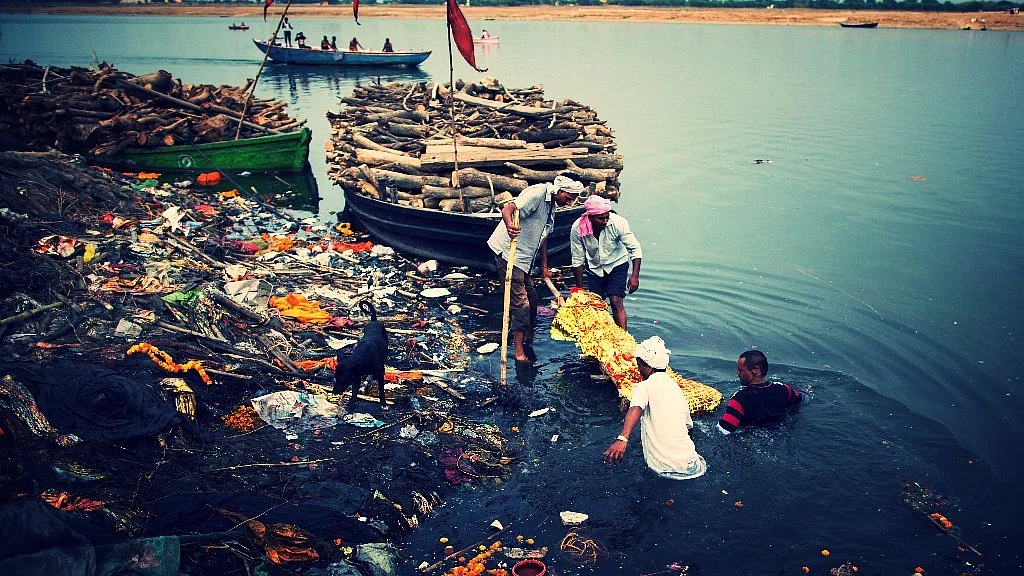
Major achievements include:
- Construction of modern sewage treatment plants.
- Interception of untreated sewage.
- Riverfront development.
- Plantation drives along riverbanks.
- Biodiversity conservation.
- Public participation in river cleaning campaigns.
The programme has significantly improved wastewater treatment infrastructure in several cities located along the Ganga.
Jal Jeevan Mission
The Jal Jeevan Mission is one of India’s largest rural drinking water programmes.
It was launched in August 2019.
Main Objective
The mission aims to provide Functional Household Tap Connections (FHTCs) to every rural household.
The target is to ensure:
- Safe drinking water
- Regular water supply
- Adequate water quality
- Long-term sustainability
Each rural household is expected to receive 55 litres of water per person per day.
Community Participation
One of the unique features of the Jal Jeevan Mission is community involvement.
The scheme is implemented through four levels:
- National
- State
- District
- Gram Panchayat
Village Water and Sanitation Committees, also known as Paani Samitis, play an important role.
Women are encouraged to participate actively in planning, monitoring, and managing village water systems.
Benefits of Jal Jeevan Mission
The mission offers several benefits.
These include:
- Better public health
- Reduced water-borne diseases
- Time saved for women and children
- Improved hygiene
- Better school attendance
- Increased quality of life in rural areas
Safe drinking water also contributes to economic development by improving overall health.
Jal Shakti Abhiyan
The Jal Shakti Abhiyan is a nationwide campaign focused on water conservation.
The campaign was launched to address water scarcity in the most water-stressed districts.
Major Activities
The campaign promotes:
- Rainwater harvesting
- Restoration of ponds
- Renovation of traditional water bodies
- Watershed development
- Tree plantation
- Efficient water use
The campaign encourages cooperation between the Central Government, State Governments, local bodies, and citizens.
10-Year Rural Sanitation Strategy (2019-2029)
After the success of the Swachh Bharat Mission (Grameen), the government introduced a long-term sanitation strategy.
Objectives
The strategy aims to:
- Sustain Open Defecation Free (ODF) status.
- Improve waste management.
- Promote hygiene.
- Strengthen sanitation infrastructure.
It also focuses on:
- Plastic waste management
- Organic waste management
- Greywater management
- Blackwater management
- Awareness campaigns
- Capacity building
The strategy encourages long-term behavioural change instead of short-term improvements.
National Ganga Council
The National Ganga Council is responsible for overseeing the conservation of the Ganga River Basin.
The first meeting of the Council was held in Kanpur in December 2019.
Responsibilities
The Council focuses on:
- Pollution prevention
- River rejuvenation
- Sustainable water management
- Coordination among ministries and states
It promotes a “Ganga-centric” approach in planning and development.
Clean Ganga Fund
The Government established the Clean Ganga Fund (CGF).
The fund allows contributions from:
- Individuals
- Non-Resident Indians (NRIs)
- Companies
- Institutions
The money is used for:
- River cleaning projects
- Afforestation
- Biodiversity conservation
- Public awareness campaigns
The fund encourages public participation in protecting India’s national river.
National Mission for Clean Ganga (NMCG)
The National Mission for Clean Ganga (NMCG) is the main organization responsible for implementing the Namami Gange Programme.
Its major areas of work include:
- Sewerage treatment
- River surface cleaning
- Industrial pollution control
- Afforestation
- Biodiversity conservation
- Public awareness
- Ganga Gram development
The mission works closely with state governments and local authorities.
Flood Management and Border Areas Programme (FMBAP)
Floods affect millions of people in India every year.
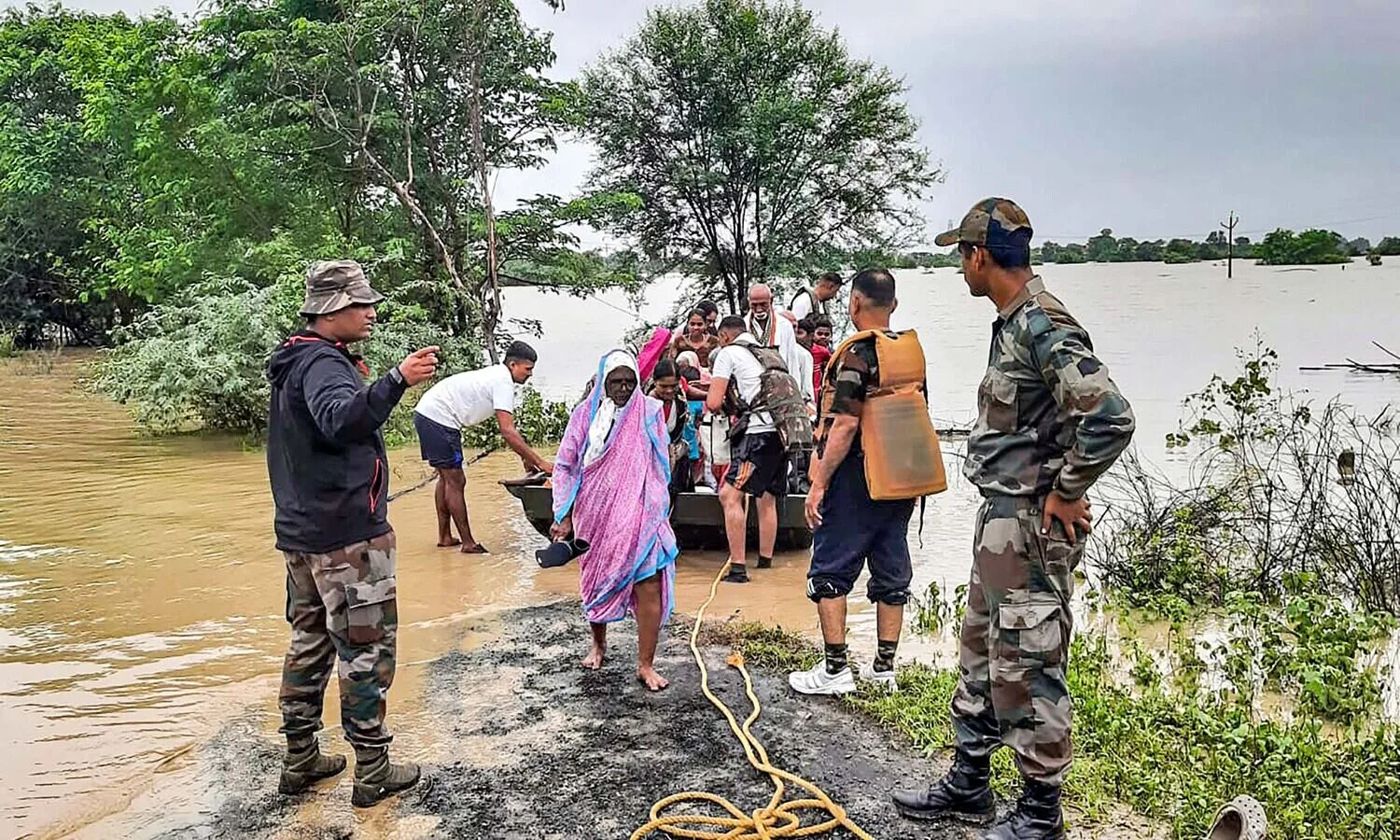
The Flood Management and Border Areas Programme (FMBAP) aims to reduce flood damage across the country.
Objectives
The programme supports:
- Flood protection projects
- River erosion control
- Anti-sea erosion measures
- Catchment area treatment
- Strengthening embankments
These projects help protect:
- Villages
- Cities
- Agricultural land
- Roads
- Railways
- Industries
Better flood management also reduces economic losses.
Atal Bhujal Yojana
Groundwater is one of India’s most important water resources.
The Atal Bhujal Yojana (Atal Jal) promotes sustainable groundwater management.
Main Features
The scheme encourages:
- Community participation
- Water budgeting
- Village water security plans
- Formation of Water User Associations
- Efficient groundwater use
Instead of relying only on government agencies, local communities are encouraged to participate in managing groundwater resources.
India’s Contribution to Sustainable Development Goal 6
The Ministry highlighted India’s major achievement under Sustainable Development Goal (SDG) 6, which aims to ensure clean water and sanitation for everyone.
Through the Swachh Bharat Mission, India significantly reduced open defecation and improved sanitation facilities across rural areas.
This became one of the largest sanitation campaigns in the world.
India Water Week 2019
The 6th India Water Week was organized in September 2019.
The theme was:
“Water Cooperation – Coping with 21st Century Challenges.”
The event brought together:
- Scientists
- Policymakers
- Engineers
- International experts
- Researchers
Discussions focused on:
- Water conservation
- Climate change
- River management
- Groundwater recharge
- International cooperation
Hybrid Annuity Model (HAM) in Sewerage Projects
A major achievement was the commissioning of India’s first Hybrid Annuity Model (HAM) based sewage treatment plant in Haridwar.
What is HAM?
Under this model:
- The Government funds 40% of the project cost.
- The private developer invests the remaining amount.
- Payments depend on long-term project performance.
This improves project quality and ensures proper maintenance.
Ganga Aamantran Abhiyan
The Ganga Aamantran Abhiyan became one of India’s largest river awareness campaigns.
Participants travelled over 2,500 kilometres from Devprayag to Ganga Sagar through rafting and kayaking.
The campaign promoted:
- River conservation
- Water conservation
- Public awareness
- Community participation
It successfully connected adventure sports with environmental protection.
MARVI Project
The Managing Aquifer Recharge and Sustaining Groundwater Use through Village-Level Intervention (MARVI) project focuses on groundwater conservation.
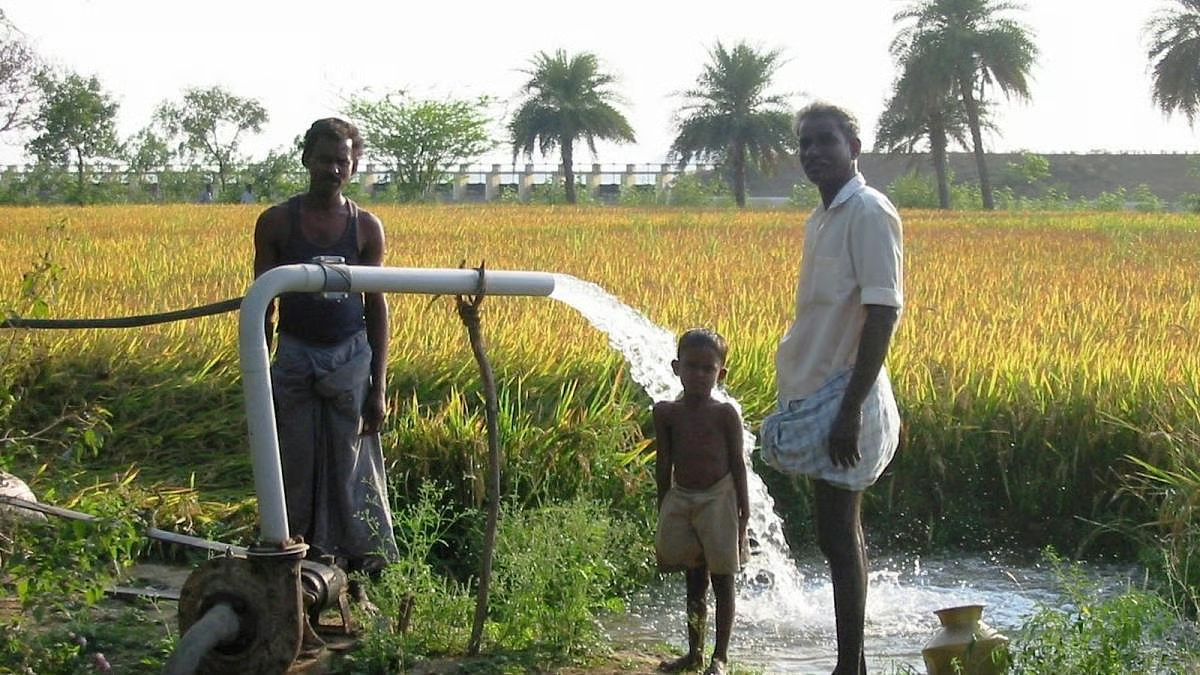
Unique Feature
The project trains local volunteers known as Bhujal Jankaars (BJs).
These volunteers:
- Measure groundwater levels.
- Monitor rainfall.
- Check water quality.
- Study seasonal changes.
- Educate farmers.
Their local knowledge helps villages manage groundwater more efficiently.
Challenges in Water Management
Despite major achievements, India continues to face several water-related challenges.
These include:
- Groundwater depletion
- Water pollution
- Unequal water distribution
- Climate change
- Floods and droughts
- Rapid urbanization
- Industrial pollution
- Population growth
Addressing these challenges requires better planning and active public participation.
Importance of Water Conservation
Water conservation is becoming increasingly important because freshwater resources are limited.
Simple practices can make a big difference.
These include:
- Rainwater harvesting
- Preventing water wastage
- Recycling wastewater
- Protecting rivers
- Planting trees
- Using water-efficient irrigation methods
Every citizen has a role in protecting water resources.
Conclusion
The Ministry of Jal Shakti reflects India’s growing commitment to achieving water security through integrated planning, public participation, and sustainable resource management. By bringing all water-related responsibilities under one ministry, the government created a more coordinated approach to addressing challenges such as drinking water shortages, groundwater depletion, river pollution, sanitation, and flood management.
Flagship initiatives like Jal Jeevan Mission, Namami Gange, Jal Shakti Abhiyan, Atal Bhujal Yojana, and the Flood Management and Border Areas Programme demonstrate the government’s efforts to ensure clean water, improve sanitation, conserve rivers, and encourage responsible water use.
As India’s population and water demand continue to increase, the success of these programmes will depend not only on government policies but also on the active participation of communities, local institutions, and every citizen. Conserving water today is essential for ensuring a healthy, sustainable, and water-secure future for generations to come.
FAQs
1. What is the Ministry of Jal Shakti?
The Ministry of Jal Shakti is a Government of India ministry formed in 2019 by merging the Ministry of Water Resources, River Development and Ganga Rejuvenation with the Ministry of Drinking Water and Sanitation. It is responsible for water resources, drinking water, sanitation, river conservation, and groundwater management.
2. What is the Jal Jeevan Mission?
The Jal Jeevan Mission is a government scheme launched in 2019 to provide Functional Household Tap Connections (FHTCs) and safe drinking water to every rural household in India.
3. What is the Namami Gange Programme?
Namami Gange is a flagship programme launched to reduce pollution, conserve, and rejuvenate the River Ganga and its tributaries through sewage treatment, river cleaning, afforestation, and public participation.
4. What is the Jal Shakti Abhiyan?
Jal Shakti Abhiyan is a nationwide water conservation campaign that promotes rainwater harvesting, restoration of traditional water bodies, watershed development, and efficient water use in water-stressed areas.
5. What is the Atal Bhujal Yojana?
Atal Bhujal Yojana is a Central Sector Scheme that focuses on sustainable groundwater management through community participation, water budgeting, and village-level water security planning.
6. What is the National Mission for Clean Ganga (NMCG)?
The National Mission for Clean Ganga (NMCG) is the implementing agency responsible for executing the Namami Gange Programme and coordinating projects related to river conservation and pollution control.
7. What is the Flood Management and Border Areas Programme (FMBAP)?
FMBAP is a government programme that supports flood management, erosion control, anti-sea erosion measures, and catchment area treatment to reduce damage caused by floods across India.
8. What is the Clean Ganga Fund?
The Clean Ganga Fund allows individuals, NRIs, companies, and institutions to contribute financially towards projects aimed at cleaning and rejuvenating the River Ganga.
9. What is the objective of the 10-Year Rural Sanitation Strategy (2019-2029)?
The strategy aims to sustain Open Defecation Free (ODF) status, improve waste management, strengthen sanitation infrastructure, and promote long-term hygiene practices in rural India.
10. Why is water conservation important in India?
Water conservation helps ensure sustainable water availability, reduces groundwater depletion, prevents water shortages, supports agriculture, protects ecosystems, and secures water resources for future generations.