



Corruption in India: Causes, Effects, Laws, and Solutions

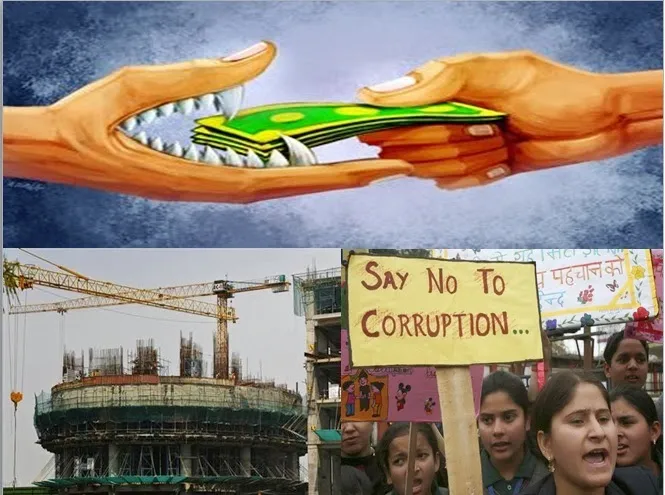
Corruption in India is one of the biggest challenges affecting governance, public services, and economic growth. It happens when people in positions of power misuse their authority for personal gain. This may include taking bribes, abusing power, favoritism, or using public money unfairly. Corruption weakens trust in government and slows the development of the country.
Thank you for reading this post, don't forget to subscribe!The issue of corruption in India remains a serious concern despite many laws and anti-corruption agencies. According to the Corruption Perceptions Index (CPI) 2023 published by Transparency International, India scored 40 out of 100, showing that corruption continues to be a major issue. Over the past decade, many countries have struggled to control corruption, and India is no exception.
What is Corruption?
Corruption means dishonest or unethical behavior by a person who holds power or authority. It usually begins when someone uses public office for personal benefit. Examples include accepting bribes, misusing government funds, giving unfair advantages, or favoring relatives and friends.
In many cases, corruption becomes a habit. Over time, some people start seeing it as normal. This is dangerous because it reduces the importance of ethics and honesty in society. When corruption becomes common, people lose trust in institutions.
Main Causes of Corruption in India
There are many reasons behind the growth of corruption in India.
1. Lack of Transparency
When government decisions and administrative processes are not open to the public, corruption increases. Hidden decisions create opportunities for dishonest activities.
2. Weak Institutions
Institutions responsible for enforcing laws, such as police, courts, and investigation agencies, may sometimes be weak or inefficient. If corrupt people are not punished properly, corruption grows.
3. Low Salaries
Some lower-level government employees receive limited salaries compared to their responsibilities. This may push some individuals toward bribery for extra income.
4. Bureaucratic Delays
Long procedures, too much paperwork, and delayed approvals often force citizens and businesses to pay bribes to speed up work.
5. Political Interference
Political leaders sometimes interfere in administrative work for personal or party benefits. This can reduce fairness and increase corruption.
6. Social Acceptance
In some cases, corruption is socially tolerated. Statements like “everyone does it” make corruption seem normal.
7. Poor Whistleblower Protection
People who expose corruption often fear threats or harassment. Without proper protection, many remain silent.
8. Economic and Social Inequality
Powerful individuals may use wealth and influence to get special treatment, increasing corruption.
Why Corruption is Common in Civil Services
Civil services play an important role in governance. However, corruption can also be found here due to several reasons.
Politicisation of Civil Services
Government jobs or postings may sometimes be influenced by political connections instead of merit.
Wage Difference
Private sector salaries are often higher than public sector salaries, creating financial pressure on some officials.
Administrative Delay
File movement delays are a major reason for bribery. Citizens often pay money for faster approvals.
Colonial Administrative Culture
India’s administrative system inherited many rigid structures from British rule, where authority was rarely questioned.
Weak Law Enforcement
Even when anti-corruption laws exist, weak implementation reduces effectiveness.
Impact of Corruption in India
Corruption affects individuals, society, and the economy.
Impact on People and Public Life
Poor Quality Services
Corruption reduces service quality in sectors such as electricity, roads, public distribution, and municipal services. Contractors may use low-quality materials to save money.
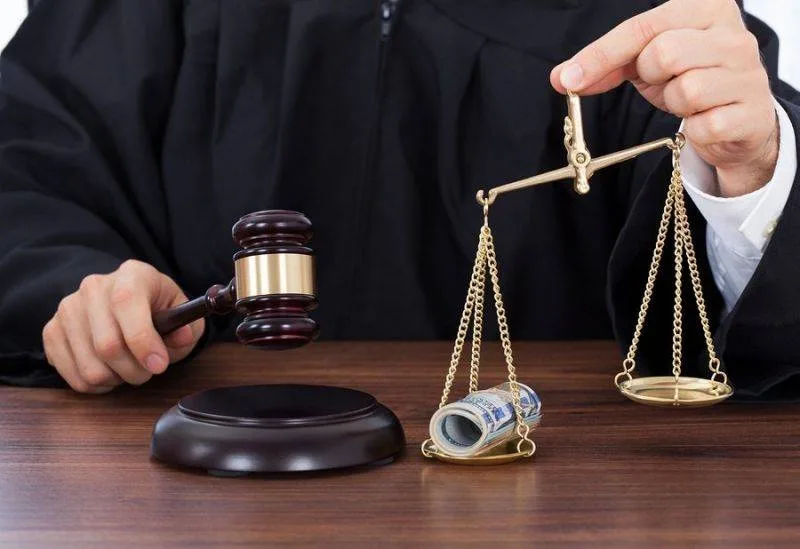
Lack of Justice
Corruption in the judiciary can delay or distort justice. Innocent people may suffer while guilty individuals escape punishment.
Health and Hygiene Problems
Corruption affects healthcare, sanitation, and food quality. It can result in unsafe drinking water, poor roads, and adulterated food products.
Damage to Research and Innovation
Government research funds may be misused or given unfairly, reducing opportunities for genuine researchers.
Impact on Society
Loss of Respect for Officials
When officials are involved in corruption, people stop respecting public institutions.
Weak Trust in Government
Citizens vote based on trust. Corruption reduces faith in leaders and democratic systems.
Honest People Avoid Public Service
Talented and ethical individuals may avoid sectors known for corruption.
Impact on Economy
Reduced Foreign Investment
Investors prefer countries with transparent systems. High corruption discourages foreign companies from investing.
Slow Economic Growth
Project approvals and industrial clearances may be delayed due to bribery demands.
Poor Infrastructure Development
Funds meant for roads, water supply, electricity, and public infrastructure may be misused, slowing development.
Legal Framework Against Corruption in India
India has several laws to fight corruption.
Prevention of Corruption Act, 1988
This law provides punishment for public servants involved in corruption.
The 2018 amendment made both taking and giving bribes punishable.
Prevention of Money Laundering Act, 2002
This law aims to stop illegal money from entering the financial system.
Companies Act, 2013
This law improves corporate governance and addresses fraud in the private sector.
Indian Penal Code, 1860
The IPC contains sections related to cheating, fraud, and criminal breach of trust.
Benami Transactions (Prohibition) Act, 1988
This law prevents people from hiding assets under someone else’s name.
Anti-Corruption Institutions in India
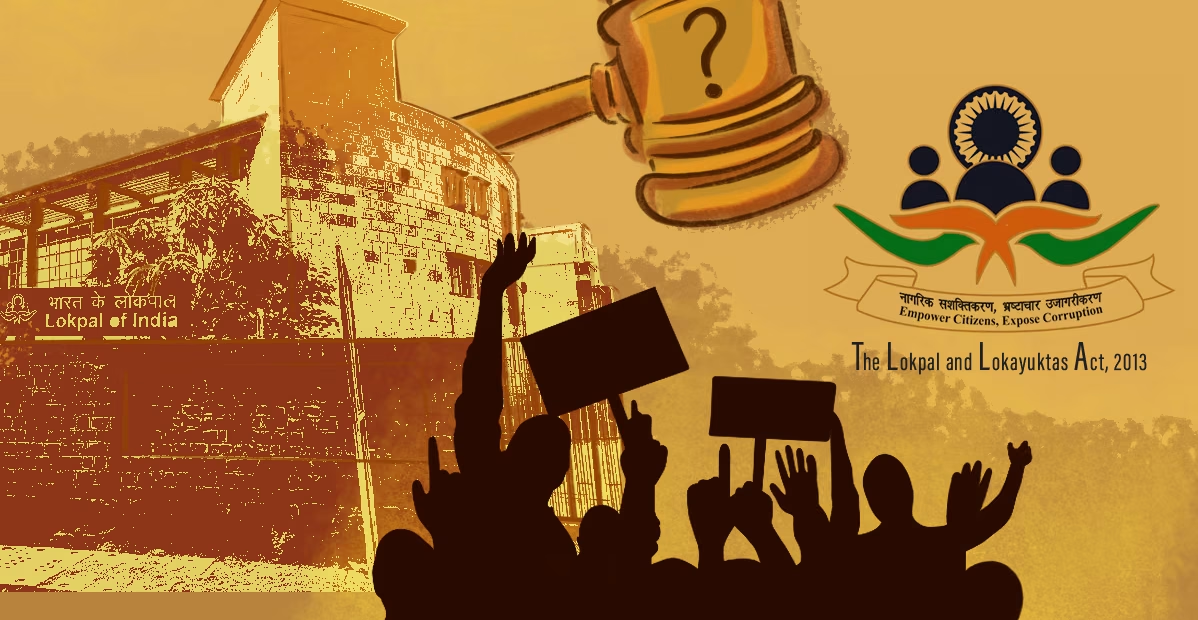
Lokpal and Lokayuktas Act, 2013
This law created Lokpal at the central level and Lokayuktas at the state level. They investigate corruption complaints against public officials.
Central Vigilance Commission (CVC)
Central Vigilance Commission monitors vigilance administration and advises the government on corruption-related issues.
Central Bureau of Investigation (CBI)
Central Bureau of Investigation investigates major corruption cases and financial crimes.
Importance of Ethics in Preventing Corruption
Ethics plays a major role in reducing corruption. Laws can punish corruption, but ethics helps prevent it from happening in the first place.
Moral Boundaries
Ethics helps people understand right and wrong.
Accountability
Ethical individuals accept responsibility for their actions.
Transparency
Honest systems make it difficult for corruption to survive.
Trust Building
Societies with ethical governance enjoy stronger public trust.
Civic Responsibility
Ethical values encourage people to work for society instead of personal gain.
Respect for Law
Ethical behavior supports legal systems and democratic values.
Whistleblower Support
Ethical organizations protect people who report corruption.
Better Global Reputation
Countries known for honest governance attract more investment and international cooperation.
Nolan Committee Principles
In 1995, the Nolan Committee in the United Kingdom introduced seven important values for public life.
1. Selflessness
Public officials should act in public interest.
2. Integrity
Officials should avoid obligations that affect fairness.
3. Objectivity
Decisions should be based on merit.
4. Accountability
Officials must answer for their actions.
5. Openness
Government decisions should be transparent.
6. Honesty
Officials must declare personal interests.
7. Leadership
Leaders should set ethical examples.
Second ARC Recommendations to Reduce Corruption
The Second Administrative Reforms Commission (2nd ARC) suggested several reforms.
Strengthen Anti-Corruption Bodies
Bodies like CVC and CBI should have greater independence and authority.
Improve Whistleblower Protection
People reporting corruption should receive security and legal protection.
Reduce Discretion
Government departments should follow clear Standard Operating Procedures (SOPs).
Use Technology
Digital systems and e-governance reduce human interaction and corruption opportunities.
Online services, digital payments, and automated approvals improve transparency.
Police Reforms
Police systems should become more accountable and professional.
Ethical Governance
Government departments should adopt strong codes of ethics.
Citizen Charters
Departments should clearly define service standards and timelines.
Public Awareness
Schools, colleges, and media should educate people about the harmful effects of corruption.
Strong Parliamentary Oversight
Parliamentary committees should closely monitor government spending and decisions.
Corruption in India can be reduced only through a combination of strong laws, ethical leadership, active citizens, and transparent governance. Technology, accountability, and public awareness are powerful tools in this fight. If corruption decreases, India can achieve faster development, better governance, and stronger public trust.
FAQs
1. What is corruption in India?
Corruption in India means misuse of power or authority for personal benefit, such as bribery or fraud.
2. What are the main causes of corruption in India?
Major causes include lack of transparency, weak institutions, low salaries, delays, and political interference.
3. How does corruption affect the economy?
It reduces investment, slows growth, and damages infrastructure development.
4. Which law fights corruption in India?
The Prevention of Corruption Act, 1988 is one of the main anti-corruption laws.
5. How can corruption be reduced?
Corruption can be reduced through strict laws, digital governance, ethics, and public awareness.