


PSLV Third Stage Test After Mission Anomalies

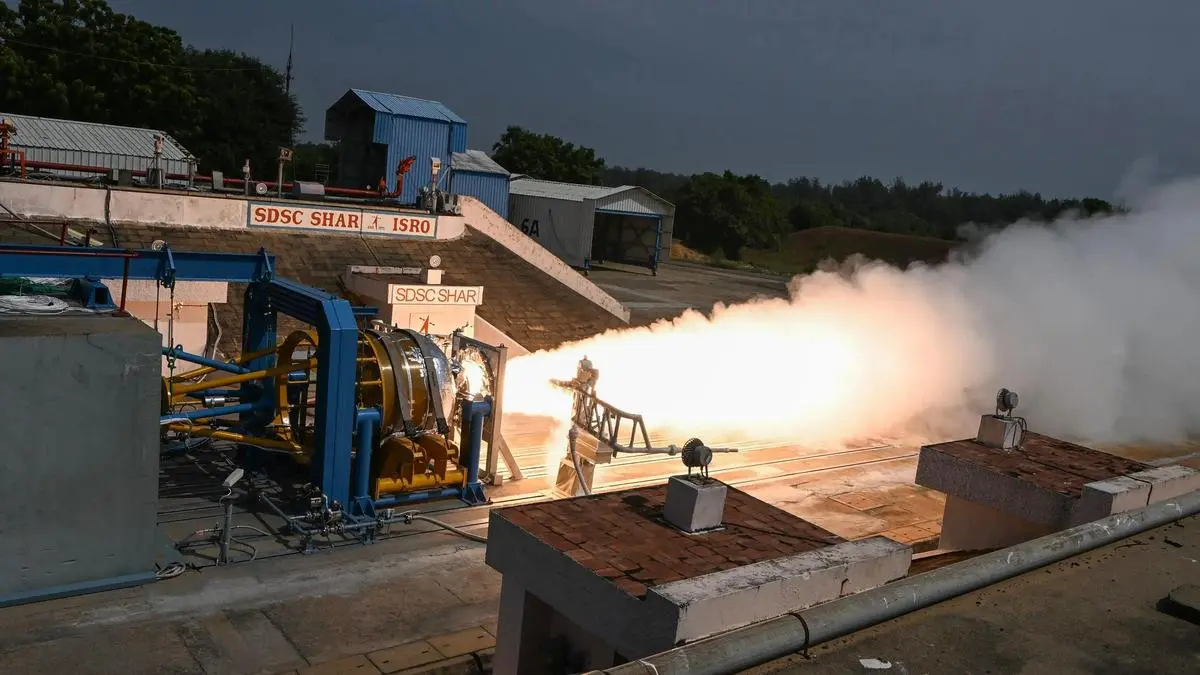
PSLV Third Stage Test marked an important step in the Indian Space Research Organisation’s efforts to improve the reliability of its Polar Satellite Launch Vehicle (PSLV). On 12 November 2026, ISRO successfully carried out a ground static test of the upgraded third stage, known as PS3. The test took place at the Static Test Facility of the Satish Dhawan Space Centre in Sriharikota, Andhra Pradesh.
The test was conducted after two PSLV missions faced problems linked to the third stage. ISRO has introduced several design and quality improvements to address the issues and strengthen the launch vehicle’s performance.

ISRO Tests the Upgraded PS3 Stage
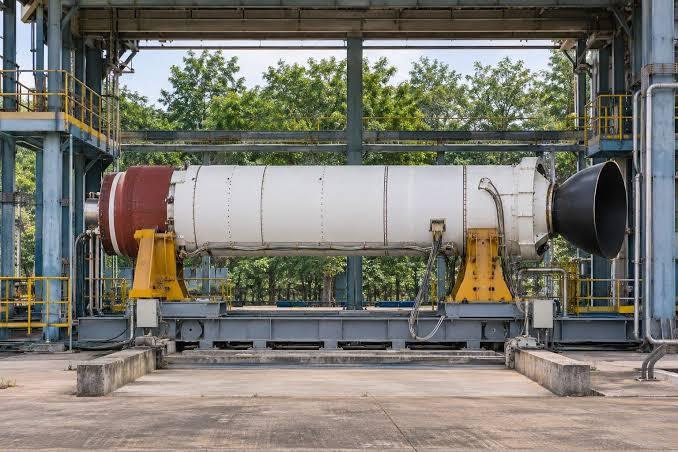
The third stage of the PSLV plays an important role in the rocket’s journey to space. It uses a solid rocket motor to provide the required thrust during a key part of the launch.
Following the earlier mission anomalies, ISRO reviewed the PS3 design, manufacturing process, assembly methods and quality-control procedures. The upgraded stage includes changes intended to improve its structural strength and operational reliability.
The latest static test allowed engineers to examine the performance of the revised stage under controlled ground conditions. ISRO will study the measurements collected during the test before deciding on the next steps.
Major Improvements in the Third Stage
ISRO has introduced several changes to the PS3 configuration. One major improvement involves the nozzle design. The revised design aims to provide better design margins and improve the stage’s ability to operate within its expected performance limits.
The mechanical interfaces have also been strengthened. These connections are important because they help different parts of the rocket remain properly joined during the intense conditions of a launch.
Another key change is the addition of redundancy in the sealing systems. Redundant arrangements provide additional protection if a sealing component does not perform as expected.
ISRO has also reviewed the acceptance standards for raw materials used in manufacturing the stage. Assembly procedures and quality checks have been updated to improve consistency and reduce the possibility of defects.
The space agency has introduced improved Non-Destructive Testing (NDT) measures during integration and transportation. These inspections help engineers identify possible internal or surface defects without damaging the components being examined.
What Is a Static Test?
A static test is a ground-based test in which a rocket stage is firmly held in place while its motor is fired. Unlike an actual launch, the stage does not move during the test.
Engineers use special instruments to measure important operating conditions, including chamber pressure, temperature and propellant-related performance. They also study the motor’s behaviour during ignition and combustion.
These measurements help engineers understand whether the stage performs according to its design requirements. Static testing is an important part of rocket development because it allows problems to be identified before a vehicle is used in a flight mission.
PSLV-C61 Mission Anomaly in May 2025
The recent improvements follow two major mission setbacks involving the PSLV third stage.
In May 2025, the PSLV-C61 mission experienced a drop in chamber pressure during the third-stage burn. The vehicle could not complete its intended mission, and the 1,696-kg EOS-09 Earth observation satellite was lost.
The mission was expected to place the satellite into orbit for Earth observation activities. However, the third-stage problem prevented the launch vehicle from completing the required flight sequence.
The incident led to a review of the third-stage system and its performance during flight.
PSLV-C62 Mission Faced Another Problem
A second anomaly occurred during the PSLV-C62 mission on 12 January 2026. The problem appeared towards the end of the third-stage operation.
The vehicle experienced disturbed roll rates and a deviation from its expected flight path. As a result, the mission could not achieve its intended objective.
The EOS-N1 satellite and 15 co-passenger payloads were lost in the incident. The failure raised further concerns about the performance and reliability of the PSLV third stage.
The two incidents made a detailed review of the PS3 design and manufacturing process necessary. ISRO subsequently introduced the upgrades that were examined during the November 2026 ground test.
Why the PSLV Third Stage Test Matters
The PSLV Third Stage Test is important because the PSLV is one of India’s major satellite launch vehicles. It has been used for a wide range of missions, including Earth observation, scientific research and commercial satellite launches.
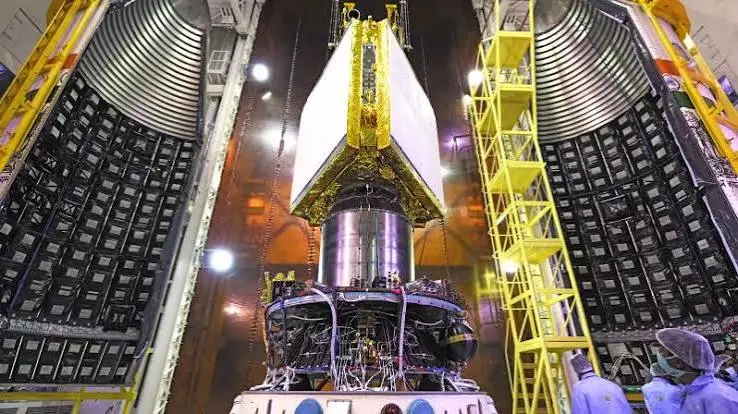
Improving the reliability of the third stage is therefore important for future missions. The latest upgrades address several areas, including nozzle design, mechanical strength, sealing systems, material standards and inspection procedures.
The successful ground test is a positive step, but it does not by itself confirm that all future flight missions will be successful. Engineers must first analyse the test data and complete any additional checks considered necessary.
What Happens Next?
ISRO plans to carry out further tests after analysing the data collected during the static firing. These tests and reviews will help engineers assess whether the upgraded third stage meets the required performance and safety standards.
The process also reflects the importance of learning from launch failures. Detailed investigations, improved testing methods and stronger quality checks help space agencies make their launch systems more dependable.
The November 2026 test is therefore an important part of ISRO’s ongoing work to strengthen the PSLV and improve confidence in its future missions.