India Solar Wind Power 2025 Records Historic Renewable Growth

India’s renewable energy sector achieved a historic milestone in the first half of 2025, driven by record growth in solar and wind power generation. This expansion resulted in a remarkable 24 million tonne reduction in carbon emissions from the power sector compared to the same period in 2024. The rapid rise of clean energy outpaced electricity demand growth, reflecting a major transition in India’s power mix toward sustainable and environmentally friendly sources.
Thank you for reading this post, don't forget to subscribe!India Solar Wind Power 2025: Record-Breaking Solar Energy Expansion
Solar energy continued to be the leading force behind India’s clean energy transformation. Between January and June 2025, solar power generation surged by 17 terawatt-hours (TWh) a 25% increase over the previous year. As a result, solar energy’s contribution to the national grid rose to 9.2%, up from 7.4% during the same period in 2024.
This expansion was driven by large-scale solar parks, rooftop installations, and state-backed incentive schemes that encouraged private investment. The government’s continued support through policies like Production Linked Incentives (PLI) and the National Solar Mission played a pivotal role.
India’s solar growth in 2025 was so strong that it exceeded the overall rise in electricity demand, signaling that renewable energy is no longer supplementary it’s becoming central to the nation’s power supply.
India Solar Wind Power 2025: Strong Growth in Wind Energy
Wind energy also showed impressive progress during the first half of 2025. Wind power generation grew by 11 TWh, marking a 29% increase compared to the previous year. This expansion raised wind energy’s share in total electricity generation to 5.1%, up from 4% in 2024.
The growth was supported by the commissioning of new onshore and offshore wind projects across Tamil Nadu, Gujarat, and Maharashtra. Additionally, hybrid solar-wind installations allowed more consistent generation and grid stability.

Together, solar and wind contributed over 14% of India’s total electricity production a record share that underscores the country’s accelerating shift toward clean energy.
India Solar Wind Power 2025: Boost from Other Clean Energy Sources
Beyond solar and wind, India’s other renewable and low-carbon sources also contributed significantly to the power sector’s transformation. Nuclear power generation increased by 14%, supported by the expansion of operational capacity at several reactors. Meanwhile, hydropower output rebounded by 17%, reversing last year’s decline due to improved rainfall and reservoir management.
The combination of solar, wind, nuclear, and hydro helped stabilize the grid and ensured a reliable supply of electricity even during seasonal fluctuations. Collectively, these clean energy sources reduced India’s reliance on coal and natural gas, reinforcing the government’s long-term goal of achieving net-zero emissions by 2070.
India Solar Wind Power 2025: Decline in Fossil Fuel Dependence
India’s progress in clean energy directly impacted fossil fuel consumption. Coal-based power generation fell by 22 TWh, representing a 3.1% decline, while gas-based power saw an even sharper 34% drop. This resulted in a substantial 24 million tonne decrease in CO₂ emissions from the power sector within six months.
This decline reflects both the success of renewable integration and reduced electricity demand due to milder weather conditions. It also highlights India’s growing capability to manage grid stability despite reduced dependence on fossil fuels a major technical and environmental achievement.
The transition demonstrates that renewable sources are not just supplementing fossil fuels but actively replacing them as the main contributors to India’s power generation.
India Solar Wind Power 2025: Electricity Demand Trends
During the first half of 2025, electricity demand grew by only 1.3%, marking the slowest growth rate since the COVID-19 pandemic. This modest increase was influenced by milder summer weather and slower industrial activity.
Cooling demand particularly from air conditioning dropped significantly, reducing pressure on the grid. Analysts estimate that if temperatures had matched last year’s levels, demand would have increased by about 3.5%. Even under that scenario, renewable growth would still have outpaced overall demand, highlighting India’s growing efficiency in clean energy production.
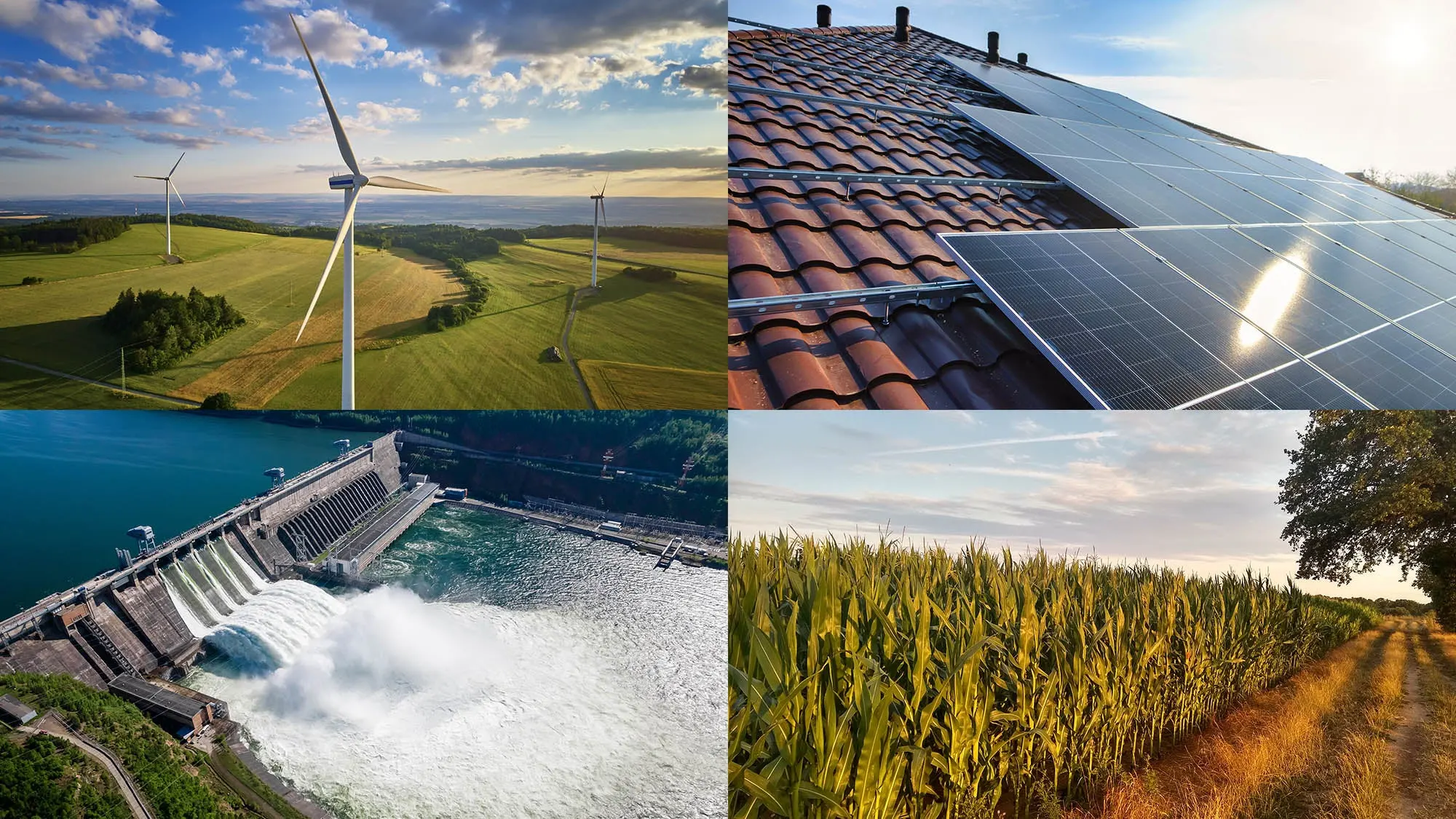
The data suggests that India’s clean energy capacity has now reached a level where it can meet incremental demand growth without significant reliance on fossil fuels.
India Solar Wind Power 2025: Future Outlook
The outlook for the rest of 2025 remains optimistic. Electricity demand is expected to rise during the latter half of the year due to increased industrial activity and summer cooling needs. This could cause a short-term uptick in coal-based generation, but experts believe it will not reverse the long-term downward trend.
The momentum in renewable energy investment remains strong, with several large-scale solar and wind projects scheduled for commissioning in 2026. Government initiatives promoting green hydrogen, energy storage, and smart grid technologies will further strengthen India’s clean energy foundation.
With record renewable generation, falling emissions, and increasing global recognition, India Solar Wind Power 2025 marks a defining moment in the country’s energy transition setting a powerful example for other emerging economies striving for sustainable growth.