NITI Aayog New Members Join Policy Body

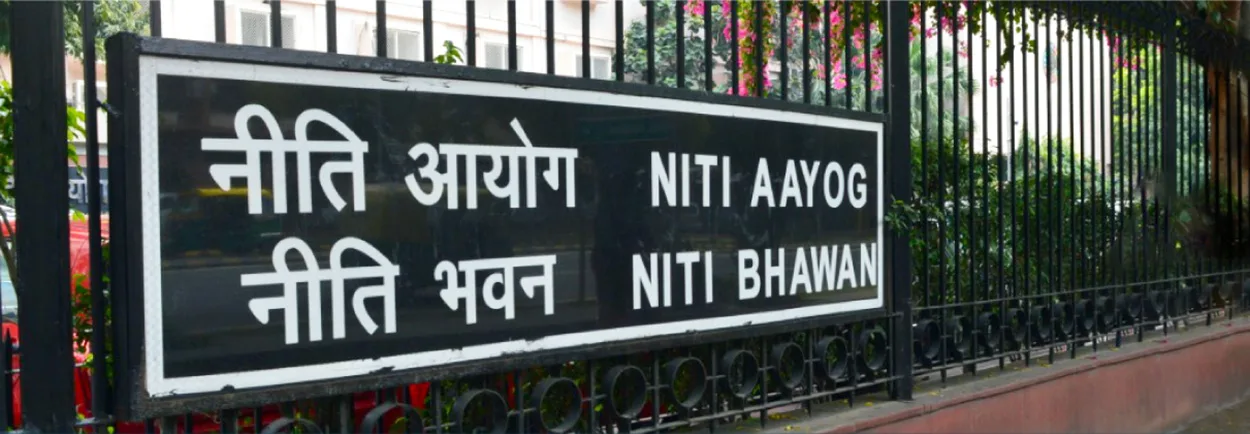
NITI Aayog New Members Joram Aniya and R. Balasubramaniam have been appointed as full-time members of NITI Aayog after approval from Prime Minister Narendra Modi. The appointments are part of the recent restructuring of India’s top policy think tank to bring more expertise and wider regional representation into governance and development planning.
Thank you for reading this post, don't forget to subscribe!NITI Aayog Restructured With New Leadership
The central government recently reorganised NITI Aayog to strengthen its role in national policymaking. On April 24, economist Ashok Kumar Lahiri was appointed as the Vice-Chairperson of the institution.
Several new full-time members were also added, including Rajiv Gauba, K. V. Raju, Gobardhan Das, Abhay Karandikar and M. Srinivas. The restructuring aims to improve long-term policy planning and governance reforms in India.
Joram Aniya Brings Regional Representation
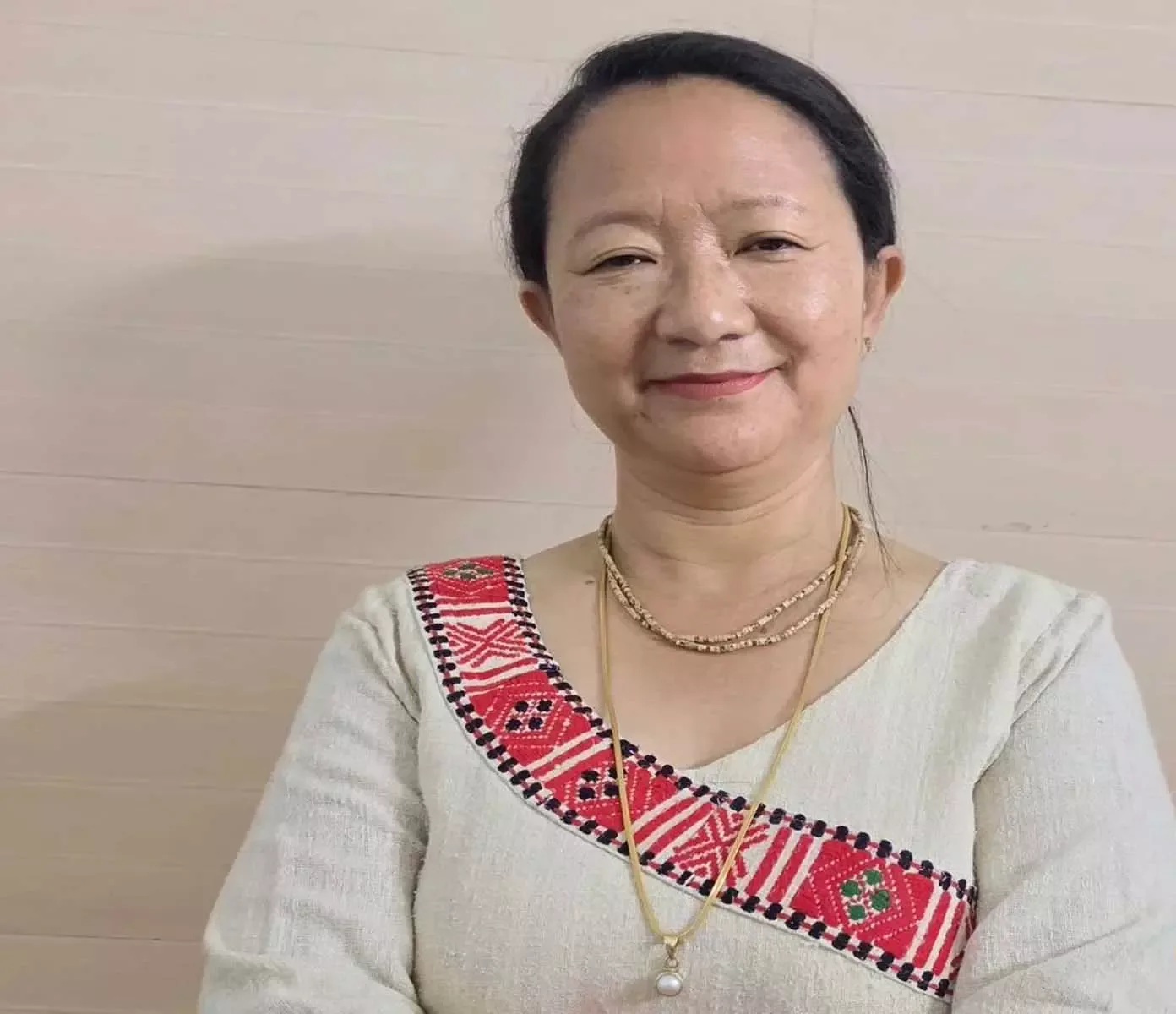
Joram Aniya is known for her contribution to education, indigenous literature and cultural studies. She currently heads the Hindi Department at Dera Natung Government College.
She has more than 18 years of teaching and research experience and is also the first woman from the Nyishi community to earn a PhD. Her work focuses on preserving and promoting Nyishi traditions, language and cultural heritage in Arunachal Pradesh.
Her appointment is seen as an important step towards improving representation from Northeast India in national policymaking institutions.
R. Balasubramaniam Adds Governance Experience
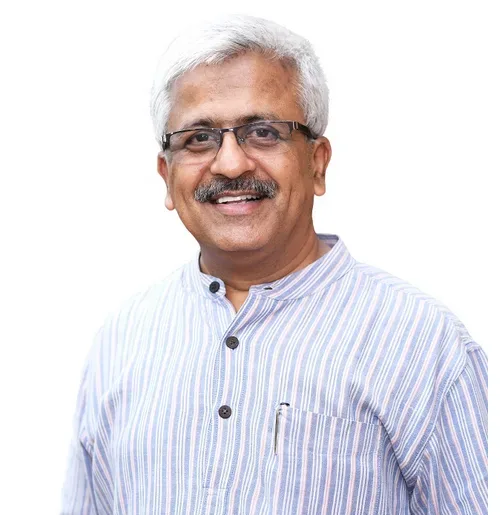
R. Balasubramaniam has extensive experience in public policy, leadership and institutional development. He currently serves as Member (HR) in the Capacity Building Commission.
He is also associated with Mission Karmayogi, which focuses on improving the skills and efficiency of civil servants in India. Apart from governance work, he is also an author and leadership expert.
NITI Aayog New Members Boost Inclusion
The inclusion of academicians and governance experts reflects the government’s focus on evidence-based and inclusive policymaking. By bringing experts from different regions and professional backgrounds, NITI Aayog aims to create stronger development strategies for the country.
The appointments also highlight the importance of regional knowledge, academic research and governance reforms in shaping India’s future policies.