




Gujarat Rubber Dams Bring New Water Solution

Gujarat Rubber Dams are gaining attention as the state moves forward with a new and modern way to manage water resources. For the first time, Gujarat is building air-filled rubber dams on two rivers to improve irrigation, store water, and handle floods more effectively. These projects show how technology is being used to solve real-world problems related to water scarcity and climate change.
Thank you for reading this post, don't forget to subscribe!The new dams are being constructed on the Heran River in Chhota Udepur district and the Ambika River in Tapi district. These locations were selected based on local water needs and the potential to support nearby farming communities.
What Makes Rubber Dams Different
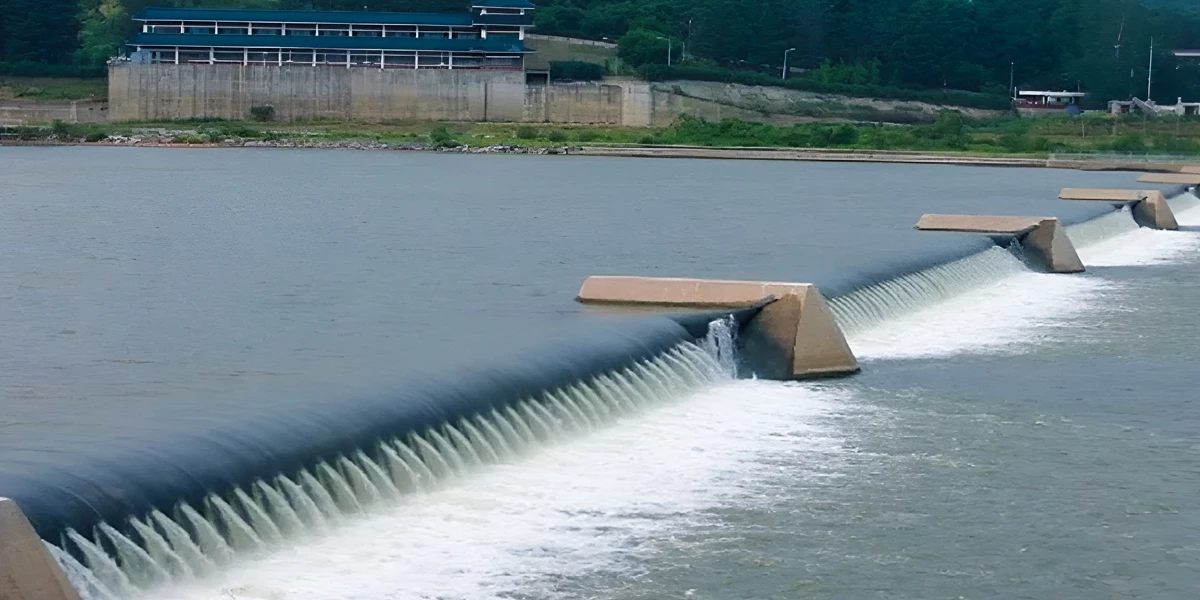
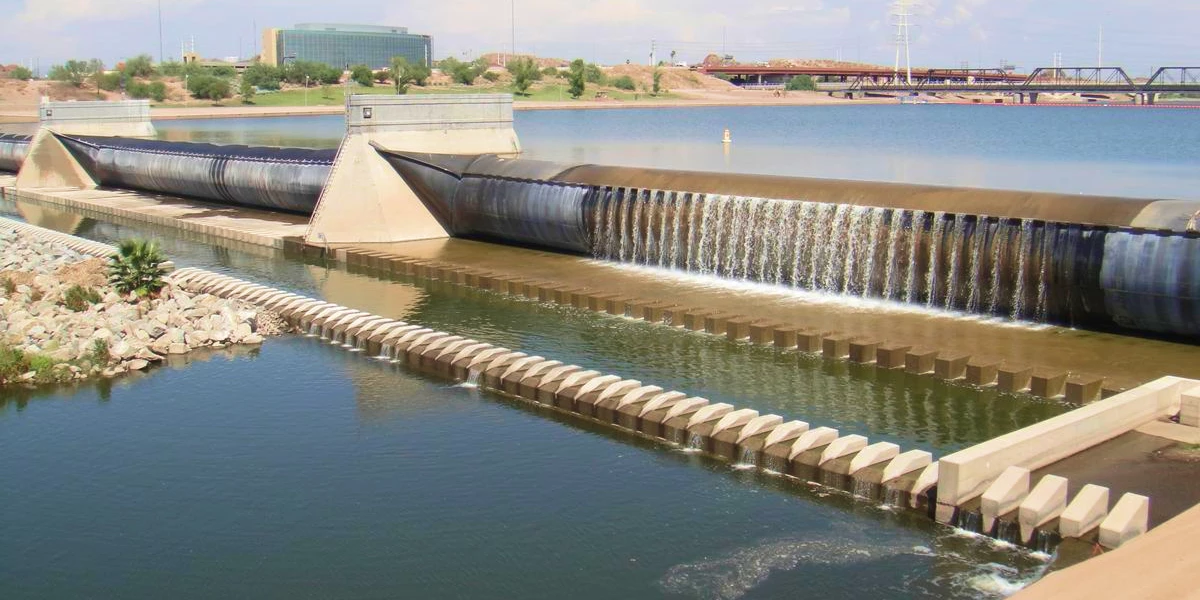
Rubber dams are not like traditional concrete dams. They are made using a flexible rubber structure that can be filled with air or water. When inflated, the dam raises the water level and helps store water. When deflated, it allows water to flow freely, especially during heavy rains.
This flexibility makes rubber dams very useful in areas where water flow changes with seasons. During dry periods, they help store water, and during the monsoon, they reduce the risk of flooding.
This modern design is becoming popular in different parts of the world as a smart solution for water management.
Project Locations and Investment
Two main projects are part of this initiative. One is being built in Rajvasana village in Chhota Udepur district, and the other in Pathakwadi village in Tapi district. Together, these projects involve a significant investment of over ₹162 crore.
The Rajvasana project accounts for a slightly higher share of the cost, while the Pathakwadi project also represents a major step in improving local water systems. These investments show a strong focus on long-term benefits for agriculture and rural development.
Such projects are important as they directly support farmers and improve water availability in regions that often face shortages.
Gujarat Rubber Dams are gaining attention as the state moves forward with a new and modern way to manage water resources. For the first time, Gujarat is building air-filled rubber dams on two rivers to improve irrigation, store water, and handle floods more effectively. These projects show how technology is being used to solve real-world problems related to water scarcity and climate change.
Progress and Expected Benefits
The construction of these dams is moving at a steady pace. The Pathakwadi dam is close to completion, while the Rajvasana dam is also progressing well and is expected to be ready in the coming months.
Once completed, these dams will provide irrigation support to thousands of hectares of farmland. This means better crop production, improved income for farmers, and more stable agricultural output.
Water availability plays a key role in farming, and these projects aim to ensure that farmers have access to water even during dry seasons.
Advanced Technology in Use
One of the key features of these dams is the use of advanced technology. The rubber structures used in the dams are specially designed to handle extreme weather conditions, including high temperatures.
The material used is strong, flexible, and durable, with a long service life. This ensures that the dams remain effective for many years with minimal maintenance.
In addition, the dams are equipped with automated systems that control the inflation and deflation process. These systems help manage water levels efficiently without the need for constant manual operation.
Role in Flood Management
Flood control is another important benefit of rubber dams. During heavy rainfall, the dams can be deflated to allow excess water to pass through. This reduces pressure on the structure and prevents flooding in nearby areas.
At the same time, the design allows natural flow of silt and sediment, which is important for maintaining the health of the river. This makes rubber dams an environmentally friendly option compared to some traditional structures.
With changing weather patterns and increasing rainfall in some regions, such flexible solutions are becoming more important.
Support for Water Conservation Efforts
These projects are also part of a larger effort to conserve water and use it more efficiently. Water conservation has become a major focus across India due to rising demand and changing climate conditions.
By storing water during periods of surplus and using it during shortages, rubber dams help balance supply and demand. This approach supports sustainable development and reduces dependence on unpredictable rainfall.
Such initiatives also align with national campaigns that promote better use of water resources and encourage long-term planning.
Impact on Local Communities
The benefits of these dams go beyond just agriculture. Improved water availability can support daily needs, livestock, and small industries in rural areas.
Better water management can also reduce migration from villages, as people find more stable livelihoods locally. This strengthens rural communities and improves overall quality of life.
In addition, these projects create job opportunities during construction and maintenance, providing economic support to local populations.
Growing Use of Smart Infrastructure
The use of rubber dams reflects a broader trend of adopting smart infrastructure solutions. Governments and planners are increasingly looking for efficient, cost-effective, and sustainable options.
With technology playing a larger role in infrastructure, projects like these show how innovation can be applied to traditional sectors like water management.
As more regions explore similar solutions, rubber dams could become a common feature in managing rivers and canals across the country.